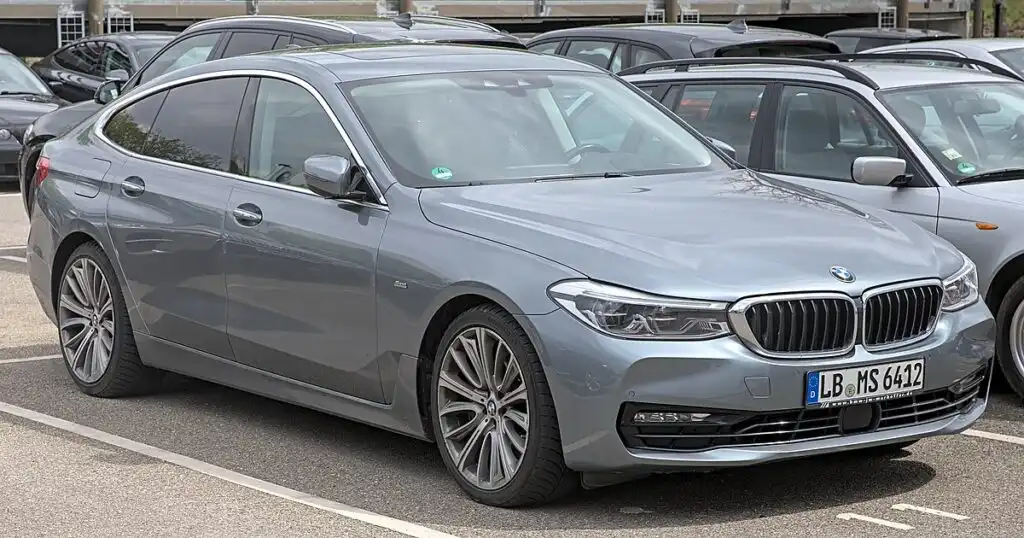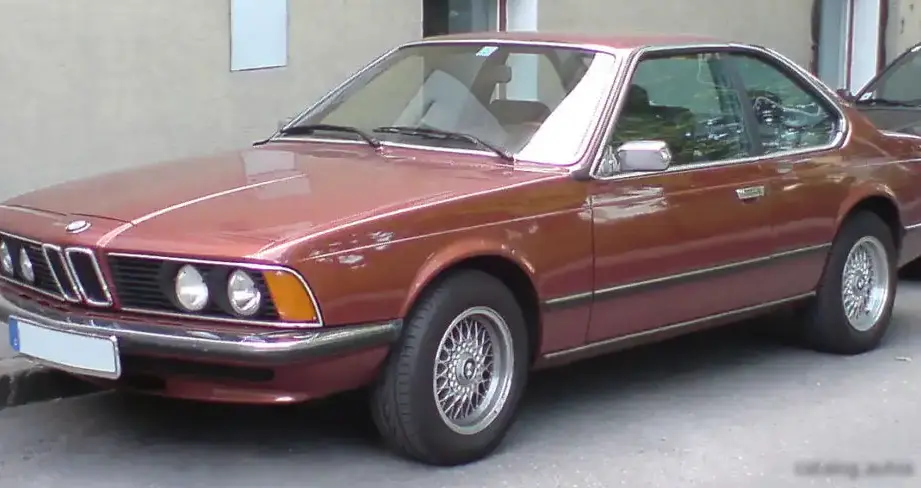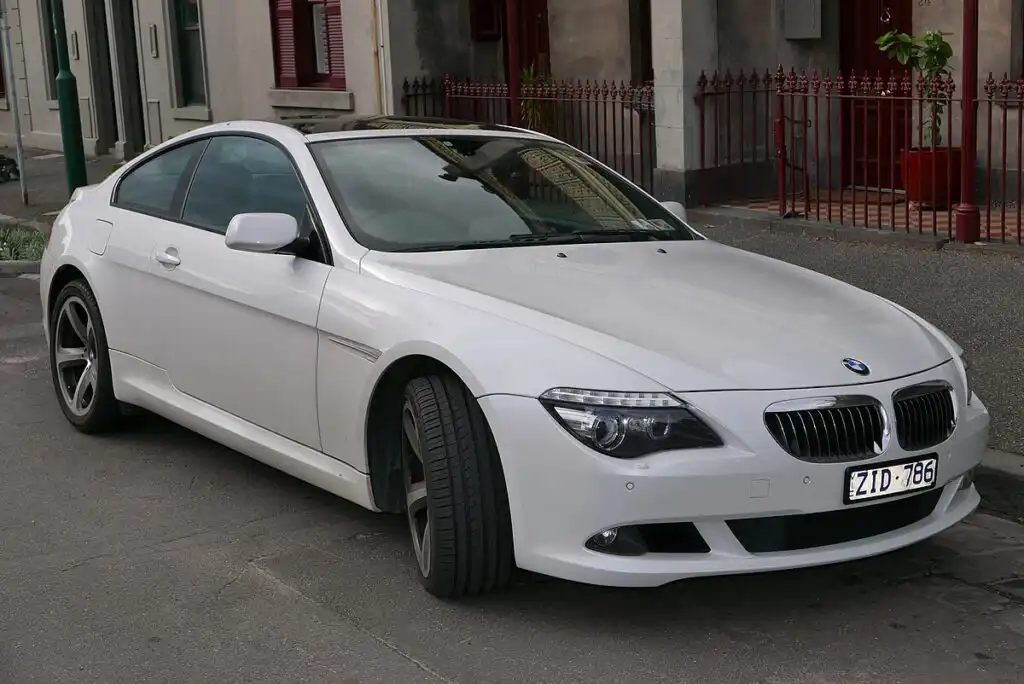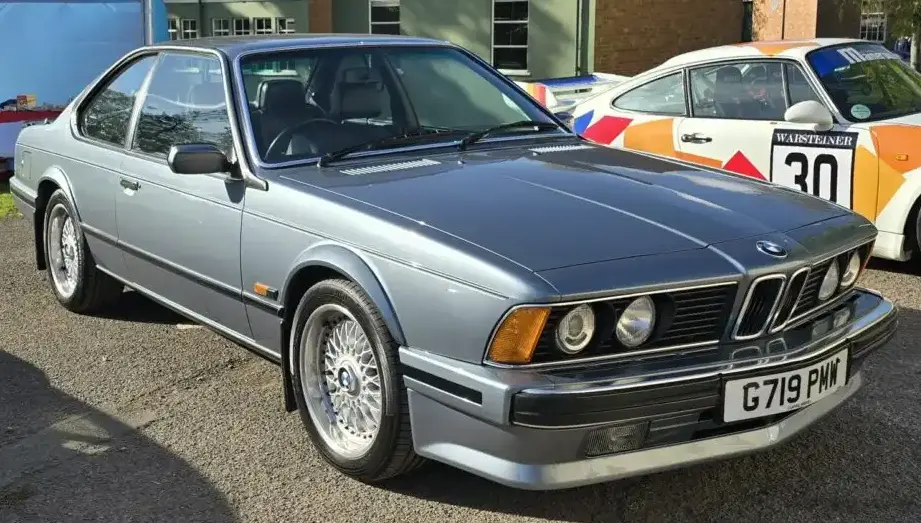
The BMW 635CSi, produced from 1987 to 1989, represents the final iteration of the E24 6 Series coupe. This facelifted model, building upon the earlier E24 platform launched in 1976, solidified the 6 Series’ reputation as a grand tourer blending performance, luxury, and distinctive styling. The 635CSi occupied the top performance tier of the E24 range, positioned above the 633CSi and offering a significant step up in power and refinement. It was BMW’s flagship coupe during this period, competing with models like the Mercedes-Benz 560SEC and Porsche 911.
Technical Specifications
| Brand | BMW |
| Model | 6 Series |
| Generation | 6 Series (E24, facelift 1987) |
| Type (Engine) | 635CSi (220 Hp) |
| Start of production | 1987 |
| End of production | 1989 |
| Powertrain Architecture | Internal Combustion engine |
| Body type | Coupe |
| Seats | 4 |
| Doors | 2 |
| Fuel consumption (economy) – urban | 16.8 l/100 km (14 US mpg, 16.8 UK mpg, 6 km/l) |
| Fuel consumption (economy) – extra urban | 7.9 l/100 km (29.8 US mpg, 35.8 UK mpg, 12.7 km/l) |
| Fuel consumption (economy) – combined | 11.5 l/100 km (20.5 US mpg, 24.6 UK mpg, 8.7 km/l) |
| Fuel Type | Petrol (Gasoline) |
| Acceleration 0 – 100 km/h | 7.4 sec |
| Acceleration 0 – 62 mph | 7.4 sec |
| Acceleration 0 – 60 mph | 7 sec |
| Maximum speed | 230 km/h (142.92 mph) |
| Weight-to-power ratio | 6.6 kg/Hp, 150.7 Hp/tonne |
| Weight-to-torque ratio | 4.6 kg/Nm, 215.8 Nm/tonne |
| Power | 220 Hp @ 5700 rpm |
| Power per litre | 64.1 Hp/l |
| Torque | 315 Nm @ 4000 rpm (232.33 lb.-ft. @ 4000 rpm) |
| Engine layout | Front, Longitudinal |
| Engine Model/Code | M30 |
| Engine displacement | 3430 cm3 (209.31 cu. in.) |
| Number of cylinders | 6 |
| Engine configuration | Inline |
| Cylinder Bore | 92 mm (3.62 in.) |
| Piston Stroke | 86 mm (3.39 in.) |
| Compression ratio | 9.2:1 |
| Number of valves per cylinder | 2 |
| Fuel injection system | Multi-port manifold injection |
| Engine aspiration | Naturally aspirated engine |
| Engine oil capacity | 5.75 l (6.08 US qt, 5.06 UK qt) |
| Coolant | 12 l (12.68 US qt, 10.56 UK qt) |
| Kerb Weight | 1460 kg (3218.75 lbs.) |
| Max. weight | 1880 kg (4144.69 lbs.) |
| Max load | 420 kg (925.94 lbs.) |
| Trunk (boot) space – minimum | 413 l (14.58 cu. ft.) |
| Fuel tank capacity | 70 l (18.49 US gal, 15.4 UK gal) |
| Length | 4815 mm (189.57 in.) |
| Width | 1725 mm (67.91 in.) |
| Height | 1365 mm (53.74 in.) |
| Wheelbase | 2625 mm (103.35 in.) |
| Front track | 1435 mm (56.5 in.) |
| Rear (Back) track | 1465 mm (57.68 in.) |
| Drag coefficient (Cd) | 0.41 |
| Minimum turning circle | 11.7 m (38.39 ft.) |
| Drivetrain Architecture | Rear wheel drive |
| Drive wheel | Rear wheel drive |
| Number of gears and type of gearbox | 5 gears, manual transmission |
| Front suspension | Independent, type McPherson with coil spring and anti-roll bar |
| Rear suspension | Independent coil spring |
| Front brakes | Ventilated discs |
| Rear brakes | Disc |
| Steering type | Cone worm with recirculation balls |
| Tires size | 220/55 VR 390 |
Powertrain & Engine Architecture
The heart of the 635CSi is the M30 inline-six engine, specifically the version designated as the M30B34. This 3.4-liter engine produced 220 horsepower at 5700 rpm and 315 Nm (232 lb-ft) of torque at 4000 rpm. The M30 engine family was renowned for its smoothness and durability. The B34 variant featured Bosch Motronic fuel injection, a sophisticated system for its time, optimizing fuel delivery and ignition timing for improved performance and efficiency. The engine utilized a single overhead camshaft (SOHC) design with two valves per cylinder. The 5-speed manual transmission was standard, providing precise control and enhancing the driving experience. The engine’s longitudinal mounting and rear-wheel-drive configuration contributed to the car’s balanced handling characteristics.
Driving Characteristics
The 635CSi with the 5-speed manual transmission offered a refined yet engaging driving experience. Acceleration from 0 to 60 mph took approximately 7 seconds, and it could reach a top speed of 143 mph. The engine delivered strong torque throughout the rev range, making it capable of effortless cruising and spirited acceleration. The manual gearbox provided a direct connection to the engine, allowing drivers to fully exploit the M30’s power. Compared to the 633CSi, the 635CSi offered a noticeable performance increase. While not as overtly sporty as some contemporary rivals, the 635CSi prioritized a comfortable ride and a composed demeanor, making it an excellent grand tourer.
Equipment & Trim Levels
The 635CSi was well-equipped for its time, reflecting its position as BMW’s flagship coupe. Standard features included leather upholstery, power windows, central locking, and an onboard computer displaying information such as fuel consumption and range. Optional extras included a sunroof, upgraded sound system, and sport suspension. Interior trim options allowed for some personalization, with various leather colors and wood veneers available. The dashboard layout was driver-focused, with clearly arranged gauges and controls. The overall interior ambiance was one of understated luxury and quality craftsmanship.
Chassis & Braking
The E24 6 Series featured an independent suspension system at all four wheels. The front suspension utilized McPherson struts with coil springs and an anti-roll bar, while the rear suspension employed a semi-trailing arm design with coil springs. This setup provided a comfortable ride and good handling balance. The 635CSi was equipped with ventilated disc brakes at the front and solid disc brakes at the rear, providing ample stopping power. The steering was a recirculating ball system, offering precise control and feedback. The car’s relatively low weight (around 3200 lbs) contributed to its agile handling characteristics.
Market Reception & Comparison
The 635CSi was generally well-received by automotive critics. It was praised for its refined engine, comfortable ride, and elegant styling. However, some critics noted that its handling wasn’t as sharp as some of its more focused sports car rivals. Compared to the 633CSi, the 635CSi offered a significant performance advantage, justifying its higher price tag. Fuel economy was reasonable for a car of its class, averaging around 20 mpg in combined driving. Reliability was generally good, although maintenance costs could be relatively high due to the car’s complexity and the cost of parts.
Legacy
The BMW 635CSi remains a highly sought-after classic car today. Its combination of performance, luxury, and timeless styling has made it a favorite among collectors and enthusiasts. The M30 engine is known for its durability, and well-maintained examples can still provide years of reliable service. However, like any classic car, the 635CSi requires regular maintenance and attention to detail. Parts availability can be a challenge, but a dedicated network of suppliers and enthusiasts exists to support owners. The 635CSi represents a high point in BMW’s grand touring heritage and continues to be appreciated for its unique blend of qualities.