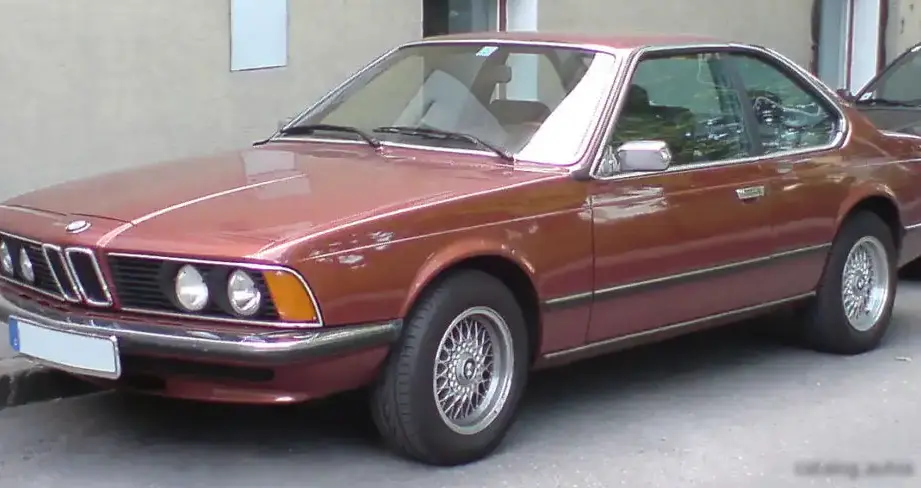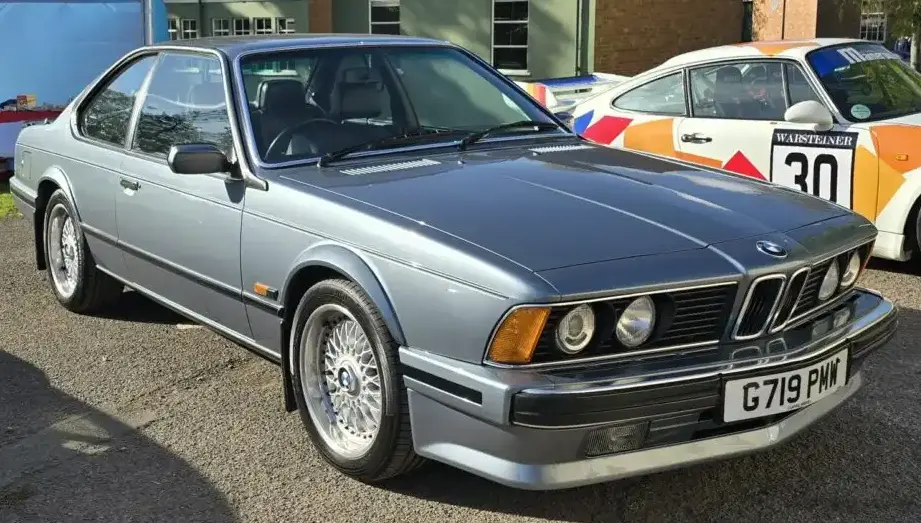
The BMW 635CSi automatic, produced from 1987 to 1989, represents a refined iteration of the E24 6 Series coupe. Positioned as a high-performance variant within the lineup, it offered a blend of luxury and sporting capability. This facelifted model, part of the later E24 production run, aimed to solidify the 6 Series’ reputation as a grand tourer, appealing to buyers seeking a sophisticated and powerful coupe. It sat above the 633CSi in terms of performance and price, but below the ultimate M6. The 635CSi automatic provided a more accessible entry point to the 6 Series experience compared to the six-speed manual transmission option.
Technical Specifications
| Brand | BMW |
| Model | 6 Series |
| Generation | 6 Series (E24, facelift 1987) |
| Type (Engine) | 635CSi (220 Hp) Automatic |
| Start of production | 1987 |
| End of production | 1989 |
| Powertrain Architecture | Internal Combustion engine |
| Body type | Coupe |
| Seats | 4 |
| Doors | 2 |
| Fuel consumption (urban) | 16.9 l/100 km (13.9 US mpg, 16.7 UK mpg, 5.9 km/l) |
| Fuel consumption (extra urban) | 7.8 l/100 km (30.2 US mpg, 36.2 UK mpg, 12.8 km/l) |
| Fuel consumption (combined) | 11.5 l/100 km (20.5 US mpg, 24.6 UK mpg, 8.7 km/l) |
| Fuel Type | Petrol (Gasoline) |
| Acceleration 0 – 100 km/h | 8.4 sec |
| Acceleration 0 – 62 mph | 8.4 sec |
| Acceleration 0 – 60 mph | 8 sec |
| Maximum speed | 225 km/h (139.81 mph) |
| Weight-to-power ratio | 6.7 kg/Hp, 148.6 Hp/tonne |
| Weight-to-torque ratio | 4.7 kg/Nm, 212.8 Nm/tonne |
| Power | 220 Hp @ 5700 rpm |
| Power per litre | 64.1 Hp/l |
| Torque | 315 Nm @ 4000 rpm (232.33 lb.-ft. @ 4000 rpm) |
| Engine layout | Front, Longitudinal |
| Engine Model/Code | M30 |
| Engine displacement | 3430 cm3 (209.31 cu. in.) |
| Number of cylinders | 6 |
| Engine configuration | Inline |
| Cylinder Bore | 92 mm (3.62 in.) |
| Piston Stroke | 86 mm (3.39 in.) |
| Compression ratio | 9.2:1 |
| Number of valves per cylinder | 2 |
| Fuel injection system | Multi-port manifold injection |
| Engine aspiration | Naturally aspirated engine |
| Engine oil capacity | 5.75 l (6.08 US qt | 5.06 UK qt) |
| Coolant | 12 l (12.68 US qt | 10.56 UK qt) |
| Kerb Weight | 1480 kg (3262.84 lbs.) |
| Max. weight | 1880 kg (4144.69 lbs.) |
| Max load | 400 kg (881.85 lbs.) |
| Trunk (boot) space – minimum | 413 l (14.58 cu. ft.) |
| Fuel tank capacity | 70 l (18.49 US gal | 15.4 UK gal) |
| Length | 4815 mm (189.57 in.) |
| Width | 1725 mm (67.91 in.) |
| Height | 1365 mm (53.74 in.) |
| Wheelbase | 2625 mm (103.35 in.) |
| Front track | 1435 mm (56.5 in.) |
| Rear (Back) track | 1465 mm (57.68 in.) |
| Drag coefficient (Cd) | 0.41 |
| Minimum turning circle | 11.7 m (38.39 ft.) |
| Drivetrain Architecture | Rear wheel drive |
| Number of gears and type of gearbox | 4 gears, automatic transmission |
| Front suspension | Independent, type McPherson with coil spring and anti-roll bar |
| Rear suspension | Independent coil spring |
| Front brakes | Ventilated discs |
| Rear brakes | Disc |
| Steering type | Cone worm with recirculation balls |
| Tires size | 220/55 VR 390 |
Powertrain & Engine Architecture
The heart of the 635CSi automatic is BMW’s M30 inline-six engine. Specifically, this variant utilizes the M30B34, a 3.4-liter (3430 cc) naturally aspirated engine. This engine featured a cast-iron block and an aluminum cylinder head, employing a single overhead camshaft (SOHC) design with two valves per cylinder. Fuel delivery was managed by Bosch Motronic fuel injection, a sophisticated system for its time that optimized fuel efficiency and performance. The M30 engine is renowned for its smoothness and durability. The automatic transmission used was a 4-speed unit, designed to provide comfortable cruising and ease of use. While not as sporty as the manual transmission, it suited the grand touring nature of the vehicle.
Driving Characteristics
The 635CSi automatic offered a different driving experience compared to its manual counterpart. The automatic transmission, while providing convenience, did slightly diminish the sense of direct control. Acceleration from 0 to 60 mph took approximately 8 seconds, and the car could reach a top speed of 139.81 mph. The automatic gearbox’s shift points were programmed for a balance between performance and fuel economy. Compared to the 633CSi, the 635CSi automatic delivered noticeably stronger acceleration and a more engaging driving experience. However, it lacked the raw responsiveness of the manual transmission or the higher output of the M6.
Equipment & Trim Levels
The 635CSi automatic came standard with a generous array of features, reflecting its positioning as a luxury coupe. Standard equipment included leather upholstery, power windows, power locks, and air conditioning. Optional extras included a sunroof, upgraded sound system, and metallic paint finishes. The interior design was characterized by its driver-focused layout and high-quality materials. The automatic transmission selector was integrated into the center console, and the dashboard featured a comprehensive instrument cluster providing information on speed, engine temperature, fuel level, and other vital parameters.
Chassis & Braking
The E24 6 Series featured an independent suspension system on both the front and rear axles. The front suspension utilized McPherson struts with coil springs and an anti-roll bar, while the rear suspension employed independent coil springs. This setup provided a comfortable ride and good handling characteristics. The 635CSi automatic was equipped with ventilated disc brakes on the front wheels and solid disc brakes on the rear. This braking system provided adequate stopping power for the vehicle’s weight and performance capabilities.
Market Reception & Comparison
The 635CSi automatic was generally well-received by automotive critics. It was praised for its refined engine, comfortable ride, and luxurious interior. However, some critics noted that the automatic transmission detracted slightly from the overall driving experience. Compared to the 633CSi, the 635CSi automatic offered a significant performance upgrade. Fuel economy was reasonable for a vehicle of its class, averaging around 20.5 US mpg in combined driving. Reliability was generally good, although maintenance costs could be relatively high due to the complexity of the engine and the age of the vehicle.
Legacy
The BMW 635CSi automatic remains a desirable classic car today. The M30 engine is known for its durability, and well-maintained examples can still provide years of reliable service. The car’s timeless design and luxurious interior continue to appeal to enthusiasts. However, finding parts can be challenging, and maintenance costs can be significant. The 635CSi automatic represents a high point in BMW’s grand touring heritage, offering a unique blend of performance, luxury, and style.