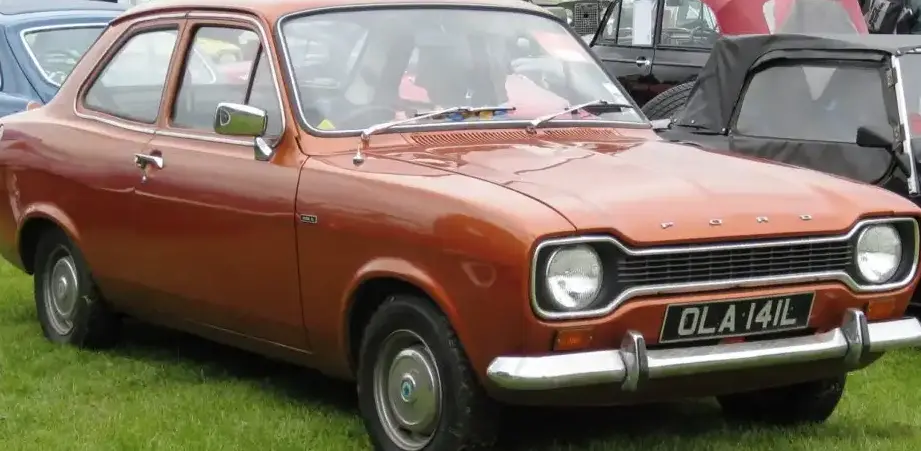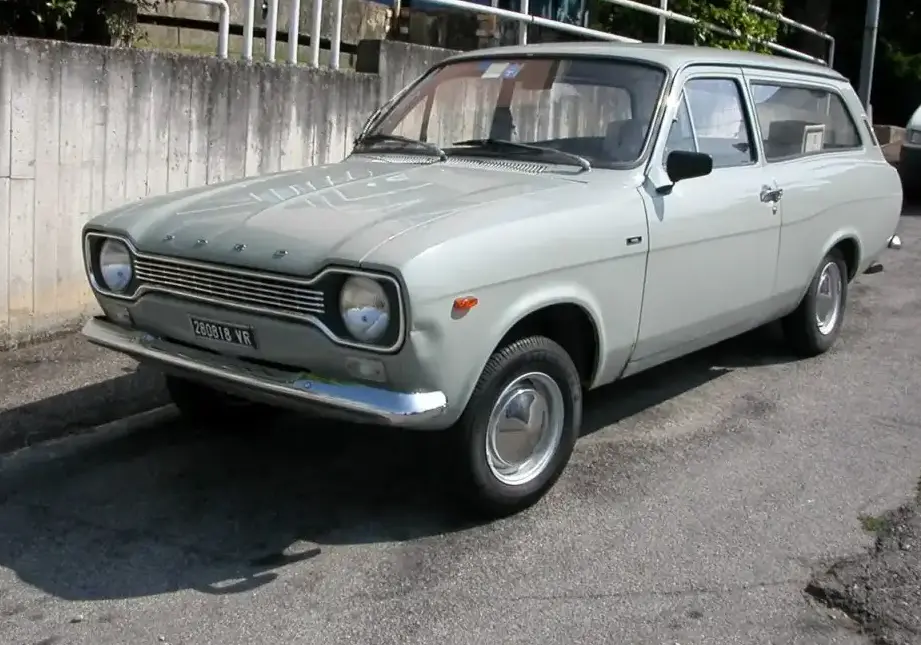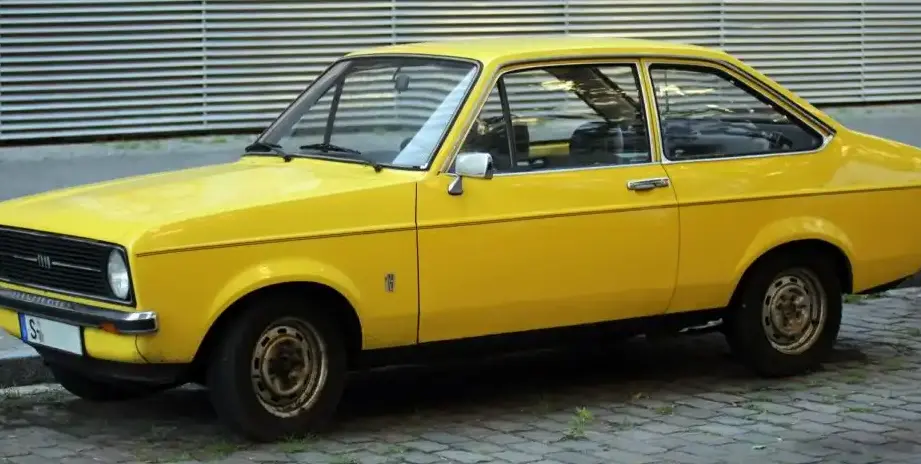
The Ford Escort VI, produced between 1990 and 1995, represented a significant evolution of Ford’s popular compact car. Within the sixth generation (GAL), the RS 2000 variant, powered by a 1.8-liter 150 horsepower engine, occupied a performance-oriented niche in the Escort lineup. Production of the RS 2000 spanned from 1992 to 1995, serving as a bridge between the more economical Escort models and the rally-bred Escort Cosworth. It was primarily marketed in Europe, offering a blend of practicality and spirited driving dynamics. This model aimed to appeal to enthusiasts seeking a sporty compact without the significantly higher price tag and more extreme nature of the Cosworth.
Technical Specifications
| Brand | Ford |
| Model | Escort |
| Generation | Escort VI (GAL) |
| Type (Engine) | RS 2000 (150 Hp) |
| Start of Production | 1992 |
| End of Production | 1995 |
| Powertrain Architecture | Internal Combustion Engine |
| Body Type | Sedan |
| Fuel Type | Petrol (Gasoline) |
| Power | 150 Hp |
| Engine Model/Code | N7A |
| Engine Aspiration | Naturally Aspirated |
| Engine Oil Capacity | 4.5 l (4.76 US qt | 3.96 UK qt) |
| Coolant Capacity | 7.5 l (7.93 US qt | 6.6 UK qt) |
Powertrain & Engine Architecture
The heart of the Escort VI RS 2000 was the Ford N7A engine, a 1.8-liter, inline-four cylinder powerplant. This engine was a development of the Zetec series, known for its dual overhead camshafts (DOHC) and four valves per cylinder. The N7A featured multi-point fuel injection, contributing to improved fuel efficiency and throttle response compared to earlier single-point injection systems. While not a particularly high-revving engine, it produced a respectable 150 horsepower at approximately 6000 rpm and 137 lb-ft of torque at 4500 rpm. The engine block was cast iron, providing durability, while the cylinder head was aluminum, helping to reduce weight. The RS 2000 was typically offered with a five-speed manual transmission, although a four-speed automatic was available as an option, albeit less common. The automatic transmission, while offering convenience, did impact acceleration and fuel economy.
Driving Characteristics
The Escort VI RS 2000, when equipped with the five-speed manual transmission, offered a genuinely engaging driving experience. The 150 hp engine provided brisk acceleration, allowing for a 0-60 mph time of around 8.5 seconds. The gear ratios were well-matched, providing good flexibility in various driving situations. The automatic transmission version, however, felt noticeably slower, with acceleration times extending closer to 10 seconds. The automatic’s torque converter sapped some of the engine’s power, and the gear changes weren’t as crisp or responsive as the manual. Handling was a strong point, thanks to a well-tuned suspension and relatively light weight. The RS 2000 featured stiffer springs and dampers compared to standard Escorts, along with a rear anti-roll bar, which minimized body roll and improved cornering stability. Steering was precise and well-weighted, providing good feedback to the driver.
Equipment & Trim Levels
The RS 2000 trim level was positioned as a sporty, mid-range offering within the Escort VI lineup. Standard equipment included power steering, front disc brakes, and a relatively well-appointed interior. Interior features typically included sports seats with enhanced bolstering, a leather-wrapped steering wheel, and a basic stereo system. The dashboard featured a sporty instrument cluster with additional gauges, such as a voltmeter and oil temperature gauge. Optional extras included electric windows, central locking, an upgraded stereo system, and metallic paint finishes. The interior materials were generally of good quality for a car in this price range, although they weren’t as luxurious as those found in more expensive vehicles. The RS 2000 also featured distinctive exterior styling cues, including a front spoiler, side skirts, and a rear spoiler, which helped to differentiate it from other Escort models.
Chassis & Braking
The Escort VI RS 2000 utilized a MacPherson strut front suspension and a semi-independent twist beam rear suspension. This setup provided a good balance between ride comfort and handling performance. The front brakes were ventilated discs, providing ample stopping power, while the rear brakes were typically drum brakes, although some later models featured rear disc brakes as an upgrade. The RS 2000’s chassis was reinforced compared to standard Escorts, improving rigidity and handling precision. The steering system was a rack-and-pinion setup, providing precise and responsive steering feel. Tire size was typically 185/60 R14, providing good grip and handling characteristics. Stabilizer bars were fitted to both the front and rear axles, further reducing body roll and improving cornering stability.
Market Reception & Comparison
The Escort VI RS 2000 was generally well-received by automotive critics. It was praised for its sporty handling, responsive engine, and relatively affordable price. However, some critics noted that the automatic transmission version lacked the engaging driving experience of the manual. Compared to other Escort variants, the RS 2000 offered a significant performance upgrade. The base model Escorts, with their smaller engines, were considerably slower and less engaging to drive. The Escort Cosworth, while offering significantly more performance, was also considerably more expensive and aimed at a different segment of the market. Fuel economy for the RS 2000 was reasonable, averaging around 28-32 mpg in mixed driving conditions. Reliability was generally good, although some owners reported issues with the fuel injection system and the cooling system.
Legacy
The Ford Escort VI RS 2000 remains a popular choice among classic car enthusiasts. The 1.8-liter Zetec engine is known for its durability and relatively simple maintenance requirements. Parts availability is generally good, although some specific RS 2000 components can be difficult to find. The RS 2000’s blend of practicality, performance, and affordability has ensured its continued popularity in the used car market. Well-maintained examples command a premium price, reflecting their desirability among collectors and enthusiasts. The RS 2000 represents a significant chapter in the Escort’s history, offering a compelling combination of sporty driving dynamics and everyday usability. It served as a stepping stone for Ford’s performance car development, paving the way for future models like the Focus RS.