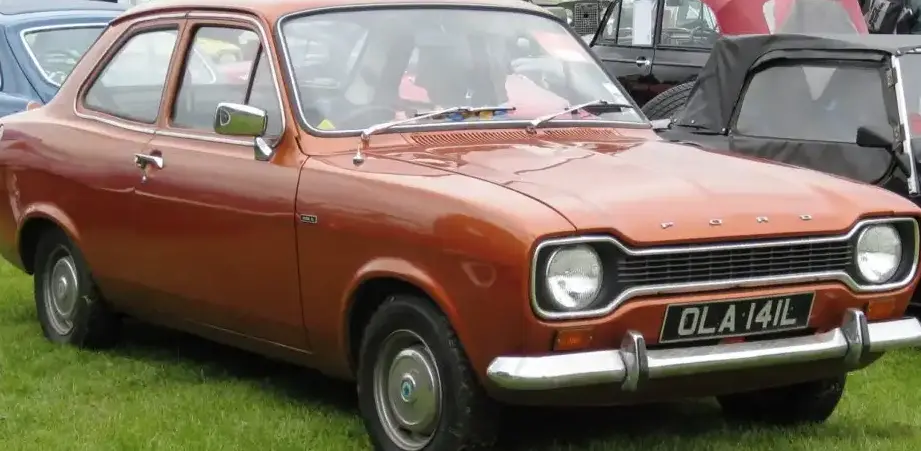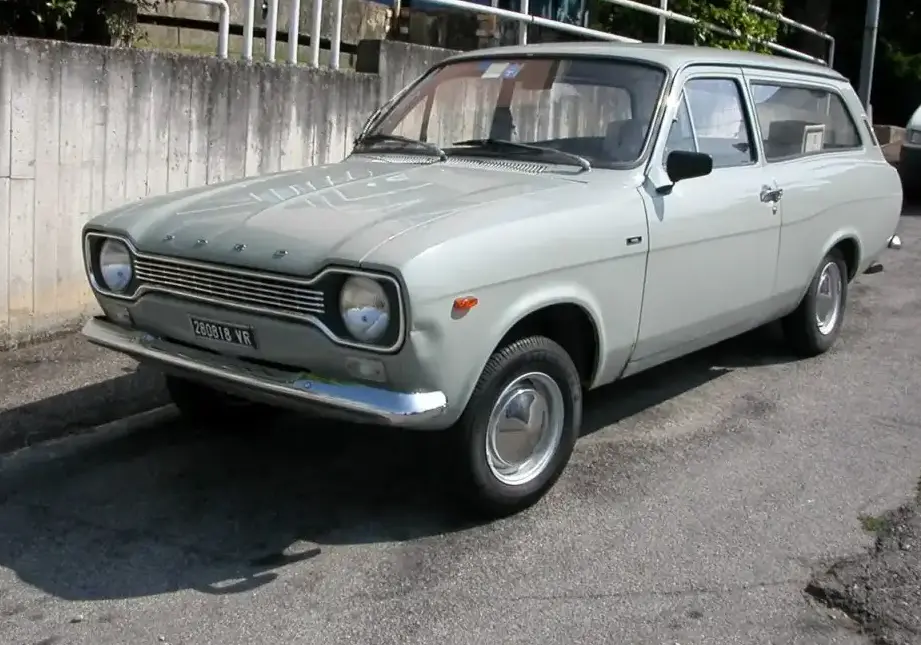
The Ford Escort VI, produced between 1990 and 1995, represented a significant evolution of Ford’s popular compact car. Within the sixth generation (GAL), the RS 2000 4×4, introduced in 1993 and continuing through 1995, stood as the performance flagship of the range. This variant combined a potent 150 horsepower engine with a sophisticated all-wheel-drive system, aiming to deliver a sporty driving experience while maintaining the Escort’s practicality. It was primarily marketed in Europe, where the demand for compact, yet capable, performance cars was strong. The RS 2000 4×4 occupied the top tier of the Escort VI lineup, positioned above the more economical models and the front-wheel-drive performance variants.
Technical Specifications
| Brand | Ford |
| Model | Escort |
| Generation | Escort VI (GAL) |
| Type (Engine) | RS 2000 4×4 (150 Hp) |
| Start of production | 1993 |
| End of production | 1995 |
| Powertrain Architecture | Internal Combustion engine |
| Body type | Sedan |
| Fuel Type | Petrol (Gasoline) |
| Power | 150 Hp |
| Engine Model/Code | N7A |
| Engine aspiration | Naturally aspirated engine |
| Engine oil capacity | 4.5 l (4.76 US qt | 3.96 UK qt) |
| Coolant capacity | 7.5 l (7.93 US qt | 6.6 UK qt) |
Powertrain & Engine Architecture
The heart of the Escort RS 2000 4×4 was the N7A engine, a 1.8-liter, naturally aspirated inline-four cylinder. This engine was a derivative of Ford’s Zetec series, known for its double overhead camshafts (DOHC) and four valves per cylinder. This configuration allowed for improved breathing and higher revs compared to older Ford engines. The N7A featured multi-point fuel injection, contributing to efficient fuel delivery and enhanced performance. The engine produced 150 horsepower at 6000 rpm and approximately 149 lb-ft of torque at 4500 rpm. The engine block was cast iron, providing durability, while the cylinder head was aluminum, helping to reduce weight.
Power was transmitted to all four wheels via a five-speed manual transmission – an automatic transmission was not offered with this specific variant. The all-wheel-drive system employed a viscous coupling, which automatically distributed torque between the front and rear axles based on traction conditions. This system provided enhanced grip in slippery conditions and improved handling on dry pavement. The drivetrain components were robustly built to handle the increased power and stresses associated with all-wheel drive.
Driving Characteristics
The Escort RS 2000 4×4 offered a noticeably more engaging driving experience than the standard Escort models. The all-wheel-drive system provided excellent traction, allowing for quicker acceleration and more confident cornering. While not a true rally car, the RS 2000 4×4 possessed a sporty character, with responsive steering and a firm, yet compliant, suspension. The five-speed manual transmission allowed drivers to fully exploit the engine’s powerband. Acceleration from 0 to 60 mph was achieved in around 7.8 seconds, which was competitive for a compact car of its era. The car felt stable at higher speeds, and the all-wheel-drive system inspired confidence in various weather conditions.
Compared to the front-wheel-drive Escort variants, the RS 2000 4×4 exhibited reduced understeer and a more neutral handling balance. It differed significantly from the lower-powered Escort models, offering a substantial performance upgrade. While not as raw or focused as dedicated performance cars like the Renault Clio Williams or Peugeot 205 GTI, the RS 2000 4×4 provided a good balance of performance, practicality, and affordability.
Equipment & Trim Levels
The RS 2000 4×4 was generally well-equipped for its time. Standard features included power steering, central locking, electric front windows, and a basic stereo system. The interior typically featured sport seats with patterned upholstery, and a leather-wrapped steering wheel. The dashboard was functional and straightforward, with clear instrumentation. Optional extras included a sunroof, alloy wheels (often 6×15 inch), and upgraded audio systems. The exterior was distinguished by a unique front grille, side skirts, and a rear spoiler. The color palette typically included metallic paint options, such as Diamond White, Panther Black, and Electric Blue.
Chassis & Braking
The Escort RS 2000 4×4 utilized a MacPherson strut front suspension and a semi-independent twist-beam rear suspension. The suspension was tuned for a balance of comfort and handling, providing a reasonably compliant ride while minimizing body roll during cornering. The front suspension featured stabilizer bar to further reduce body roll. The braking system consisted of ventilated disc brakes on the front wheels and drum brakes on the rear wheels. While adequate for normal driving, the rear drum brakes were a point of criticism, as they lacked the stopping power of disc brakes. The car’s weight distribution was reasonably balanced, contributing to its neutral handling characteristics.
Market Reception & Comparison
The Escort RS 2000 4×4 was generally well-received by automotive journalists and enthusiasts. It was praised for its all-wheel-drive system, sporty handling, and relatively affordable price. Critics noted that the engine, while capable, wasn’t as refined or powerful as some of its rivals. Fuel economy was reasonable for a performance car of its era, averaging around 28-32 mpg. Compared to the front-wheel-drive Escort XR3i, the RS 2000 4×4 offered superior traction and handling, but at a higher price point. Against competitors like the Volkswagen Golf GTI and Opel Astra GSi, the RS 2000 4×4 offered a unique combination of all-wheel-drive capability and affordability.
Legacy
The Escort RS 2000 4×4 has become a sought-after classic among Ford enthusiasts. The N7A engine is generally considered reliable, although regular maintenance is essential. The all-wheel-drive system is robust, but the viscous coupling may require replacement over time. Rust can be a concern, particularly on older examples. Well-maintained RS 2000 4x4s command a premium in the used car market, reflecting their rarity and desirability. The car represents a significant chapter in Ford’s history, showcasing the company’s commitment to performance and innovation in the compact car segment. Today, it’s remembered as a capable and enjoyable driver’s car that offered a unique blend of practicality and performance.