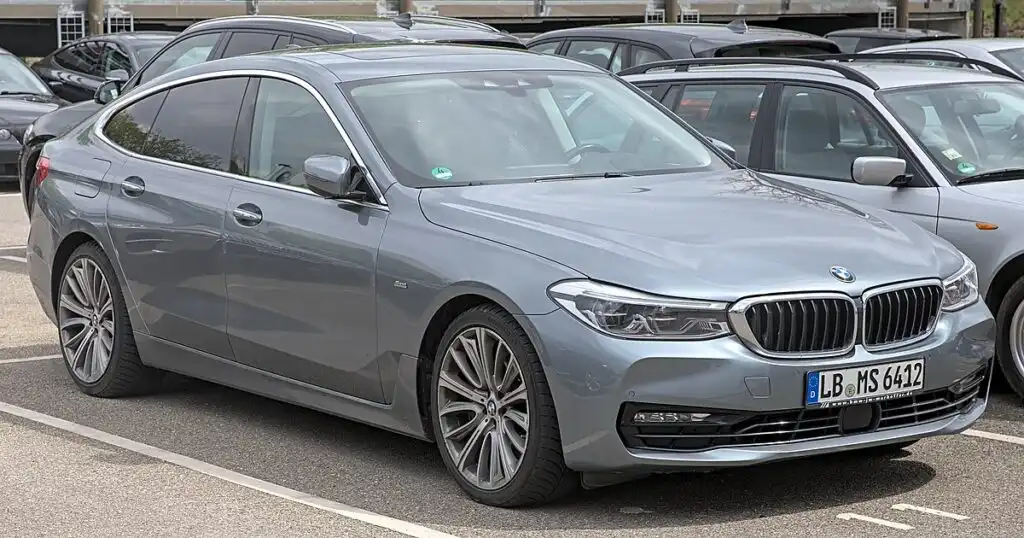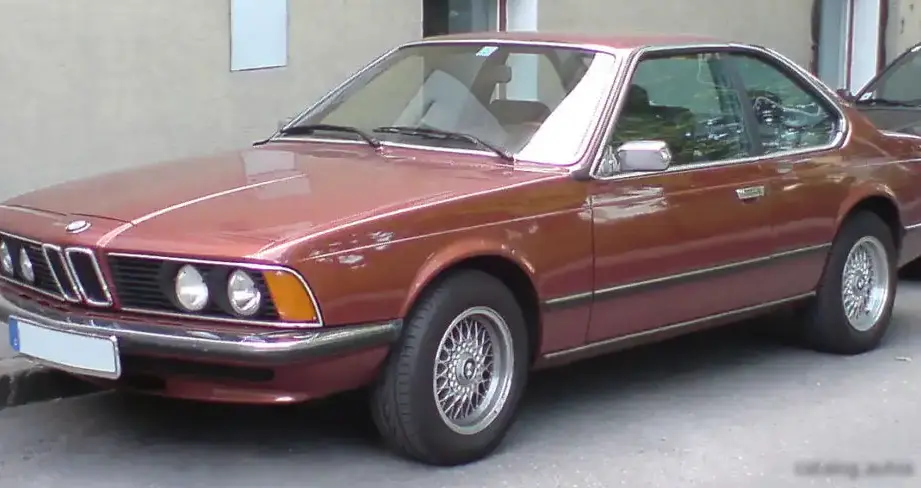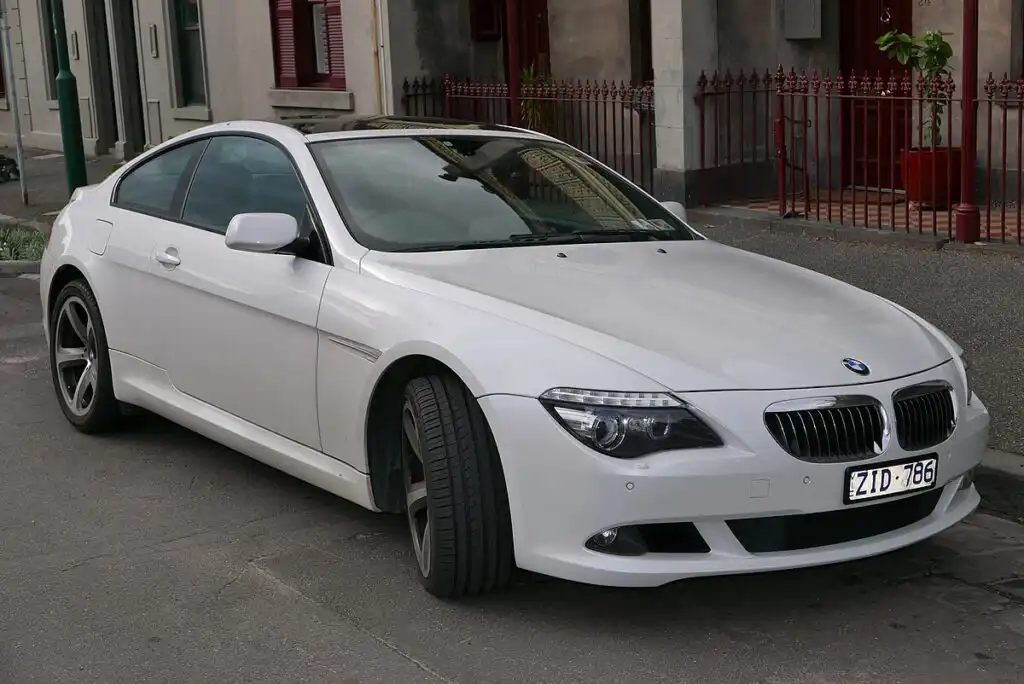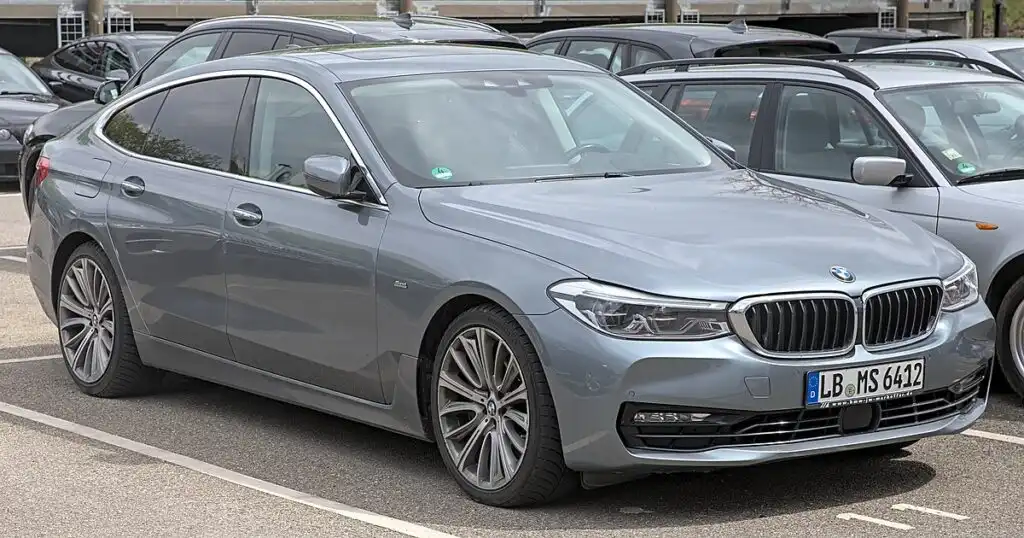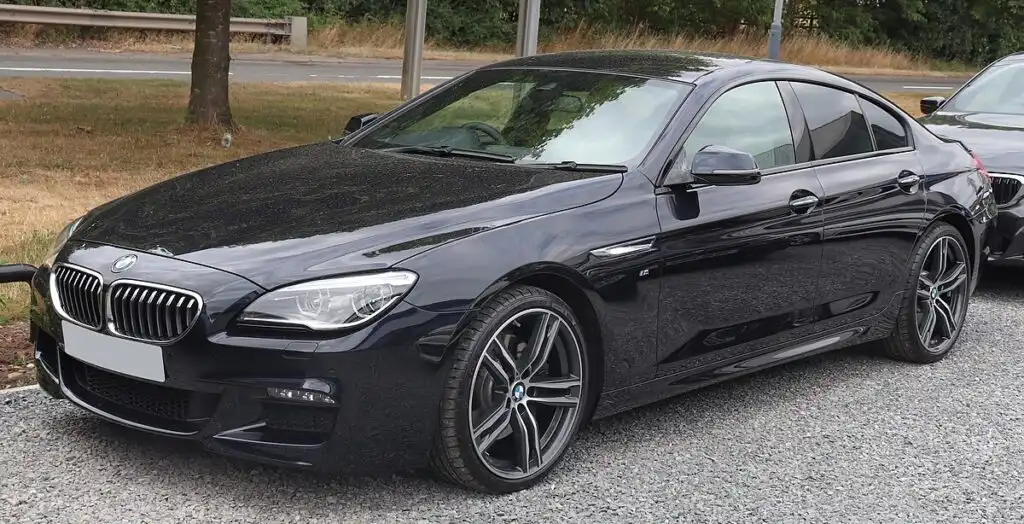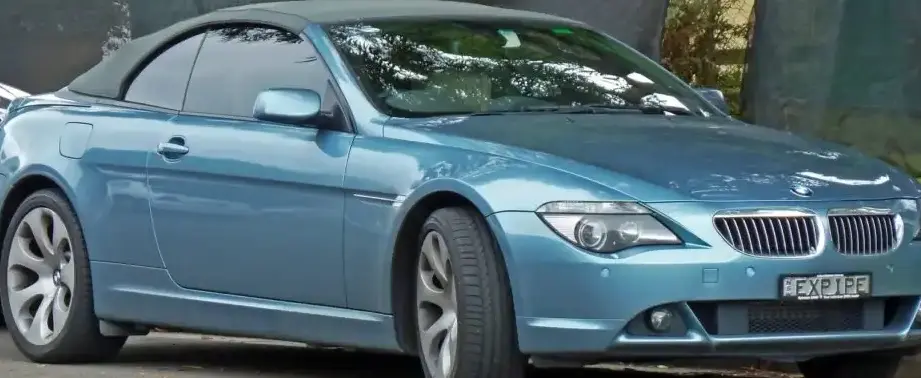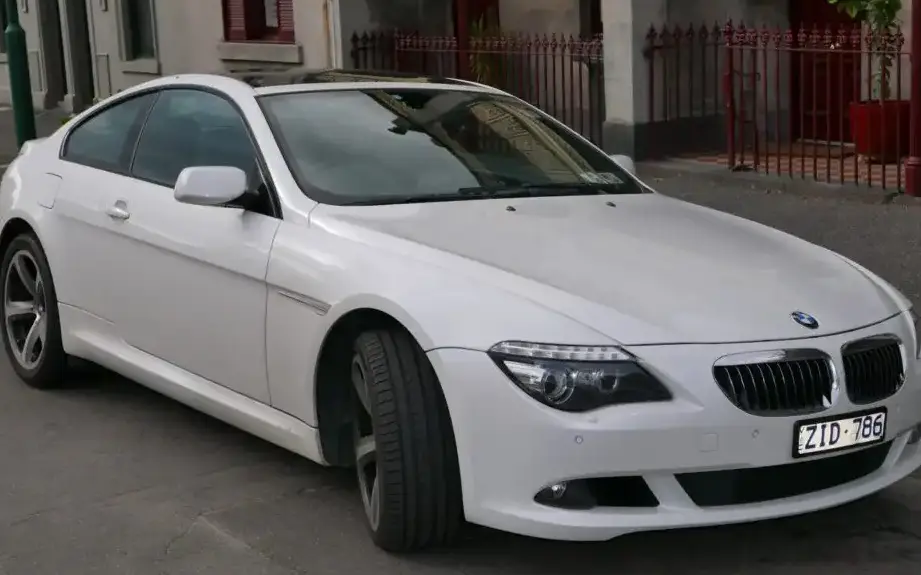
The BMW 6 Series (E63) facelift 630i, produced from 2007 to 2010, represented a compelling blend of performance and luxury within BMW’s grand touring coupe range. Positioned as a mid-range offering, it slotted between the entry-level 630d and the higher-performance 650i models. This variant aimed to deliver a refined driving experience with a naturally aspirated inline-six engine, appealing to buyers who prioritized smooth power delivery and a more balanced driving character over outright speed. The E63 generation, and particularly the facelifted models, addressed some of the initial criticisms leveled at the original E63 launch, improving interior quality and addressing electronic gremlins.
Technical Specifications
| Brand | BMW |
| Model | 6 Series |
| Generation | 6 Series (E63, facelift 2007) |
| Type (Engine) | 630i (272 Hp) |
| Start of production | 2007 |
| End of production | 2010 |
| Powertrain Architecture | Internal Combustion engine |
| Body type | Coupe |
| Seats | 4 |
| Doors | 2 |
| Fuel consumption (economy) – urban (NEDC) | 11.2 l/100 km (21 US mpg, 25.2 UK mpg, 8.9 km/l) |
| Fuel consumption (economy) – extra urban (NEDC) | 6 l/100 km (39.2 US mpg, 47.1 UK mpg, 16.7 km/l) |
| Fuel consumption (economy) – combined (NEDC) | 7.9 l/100 km (29.8 US mpg, 35.8 UK mpg, 12.7 km/l) |
| CO2 emissions (NEDC) | 188 g/km |
| Fuel Type | Petrol (Gasoline) |
| Acceleration 0 – 100 km/h | 6.2 sec |
| Acceleration 0 – 62 mph | 6.2 sec |
| Acceleration 0 – 60 mph | 5.9 sec |
| Maximum speed | 250 km/h (155.34 mph), Electronically limited |
| Emission standard | Euro 4 |
| Weight-to-power ratio | 5.6 kg/Hp, 177.8 Hp/tonne |
| Weight-to-torque ratio | 4.8 kg/Nm, 209.2 Nm/tonne |
| Power | 272 Hp @ 6700 rpm |
| Power per litre | 90.8 Hp/l |
| Torque | 320 Nm @ 2750-3000 rpm (236.02 lb.-ft. @ 2750-3000 rpm) |
| Engine layout | Front, Longitudinal |
| Engine Model/Code | N53B30A |
| Engine displacement | 2996 cm3 (182.83 cu. in.) |
| Number of cylinders | 6 |
| Engine configuration | Inline |
| Cylinder Bore | 85 mm (3.35 in.) |
| Piston Stroke | 88 mm (3.46 in.) |
| Compression ratio | 12:1 |
| Number of valves per cylinder | 4 |
| Fuel injection system | Direct injection |
| Engine aspiration | Naturally aspirated engine |
| Valvetrain | DOHC, Double-VANOS |
| Engine oil capacity | 6.5 l (6.87 US qt | 5.72 UK qt) |
| Coolant | 10.5 l (11.1 US qt | 9.24 UK qt) |
| Kerb Weight | 1530 kg (3373.07 lbs.) |
| Max. weight | 1980 kg (4365.15 lbs.) |
| Max load | 450 kg (992.08 lbs.) |
| Trunk (boot) space – minimum | 450 l (15.89 cu. ft.) |
| Fuel tank capacity | 70 l (18.49 US gal | 15.4 UK gal) |
| Length | 4820 mm (189.76 in.) |
| Width | 1855 mm (73.03 in.) |
| Width including mirrors | 2060 mm (81.1 in.) |
| Height | 1374 mm (54.09 in.) |
| Wheelbase | 2780 mm (109.45 in.) |
| Front track | 1558 mm (61.34 in.) |
| Rear (Back) track | 1596 mm (62.83 in.) |
| Front overhang | 942 mm (37.09 in.) |
| Rear overhang | 1098 mm (43.23 in.) |
| Drag coefficient (Cd) | 0.30 |
| Minimum turning circle (turning diameter) | 11.4 m (37.4 ft.) |
| Drivetrain Architecture | The Internal combustion engine (ICE) drives the rear wheels of the vehicle. |
| Drive wheel | Rear wheel drive |
| Number of gears and type of gearbox | 6 gears, manual transmission |
| Front suspension | Spring Strut, Transverse stabilizer |
| Rear suspension | Independent multi-link suspension, Transverse stabilizer |
| Front brakes | Ventilated discs, 348×30 mm |
| Rear brakes | Ventilated discs, 345×24 mm |
| Assisting systems | ABS (Anti-lock braking system) |
| Steering type | Steering rack and pinion |
| Power steering | Hydraulic Steering |
| Tires size | Front wheel tires: 245/50 R17; 245/45 R18; 245/40 R19Rear wheel tires: 245/50 R17; 245/45 R18; 275/40 R18; 275/35 R19 |
| Wheel rims size | Front wheel rims: 7.5J x 17; 8J x 18; 8.5J x 19Rear wheel rims: 7.5J x 17; 8J x 18; 9J x 18; 9J x 19 |
Powertrain & Engine Architecture
The 630i was powered by the N53B30A, a 3.0-liter inline-six engine. This engine was a significant departure from the earlier M54 inline-sixes, featuring direct fuel injection, a fully variable valve timing system (Double-VANOS), and a magnesium alloy engine block. The direct injection system allowed for more precise fuel delivery, improving both power and efficiency. The N53 engine produced 272 horsepower at 6700 rpm and 320 Nm (236 lb-ft) of torque between 2750 and 3000 rpm. The engine’s architecture was designed for smooth, linear power delivery, prioritizing refinement over the more aggressive characteristics of turbocharged engines. The 6-speed manual transmission was standard, offering precise shifts and a direct connection to the engine. An optional 6-speed automatic transmission was also available, providing convenience and ease of use.
Driving Characteristics
The 630i offered a balanced driving experience. While not as brutally fast as the 650i, the 3.0-liter engine provided ample power for comfortable cruising and spirited driving. Acceleration from 0 to 60 mph took approximately 5.9 seconds. The manual transmission allowed for greater driver involvement, while the automatic provided smooth and seamless gear changes. The rear-wheel-drive configuration contributed to a balanced chassis, offering predictable handling and a sporty feel. The suspension, tuned for comfort, absorbed bumps effectively while still providing good body control. Compared to the 650i, the 630i felt lighter and more agile, making it a more enjoyable car on winding roads. However, it lacked the sheer grunt and acceleration of the V8-powered model.
Equipment & Trim Levels
The 630i came standard with a generous array of features, including leather upholstery, power-adjustable seats, automatic climate control, a premium sound system, and xenon headlights. Optional extras included a navigation system, active steering, sport seats, and a panoramic sunroof. Interior trim options ranged from wood veneers to aluminum accents, allowing buyers to personalize the cabin to their taste. The standard interior color schemes were typically conservative, with black, gray, and beige options available. The facelifted models benefited from improved interior materials and a more modern dashboard design.
Chassis & Braking
The E63 6 Series featured a robust chassis with a multi-link rear suspension designed to maximize handling and ride comfort. The front suspension utilized a MacPherson strut design with a transverse stabilizer bar. The 630i was equipped with ventilated disc brakes on all four wheels, providing ample stopping power. ABS (Anti-lock Braking System) was standard. The suspension tuning was geared towards grand touring, offering a comfortable ride without sacrificing handling precision. The weight distribution was nearly 50/50, contributing to balanced handling characteristics.
Market Reception & Comparison
The 630i was generally well-received by automotive critics, who praised its refined engine, comfortable ride, and stylish design. However, some critics noted that it lacked the outright performance of its rivals, such as the Porsche 911. Compared to the 650i, the 630i offered a more affordable entry point into the 6 Series range, but it came at the cost of some performance. Fuel economy was respectable for a luxury coupe, averaging around 29.8 US mpg in combined driving. Reliability was generally good, although some owners reported issues with the electronic systems, a common complaint with early E63 models. The facelifted models addressed many of these concerns.
Legacy
The E63 630i has become a sought-after used car, appreciated for its blend of style, comfort, and performance. The N53 engine, while known for its complexity, is generally reliable if properly maintained. Common maintenance items include regular oil changes, spark plug replacements, and inspection of the fuel injectors. The 630i represents a sweet spot in the E63 lineup, offering a refined driving experience without the higher running costs of the 650i. Today, well-maintained examples are becoming increasingly collectible, appealing to enthusiasts who appreciate the classic BMW grand touring formula.