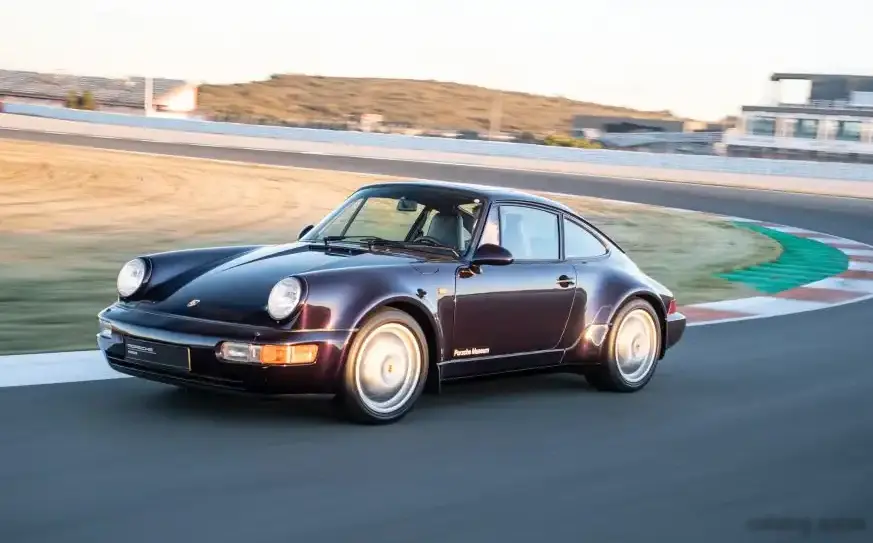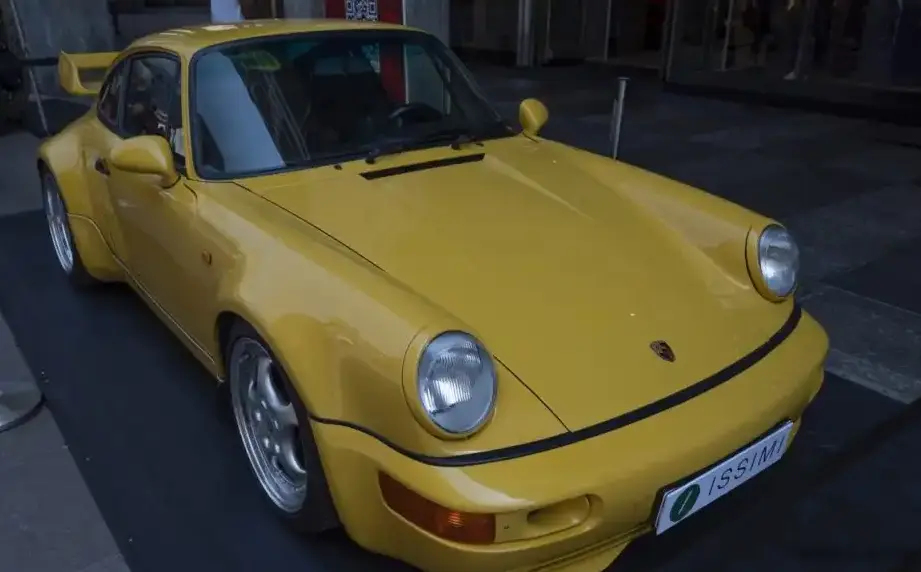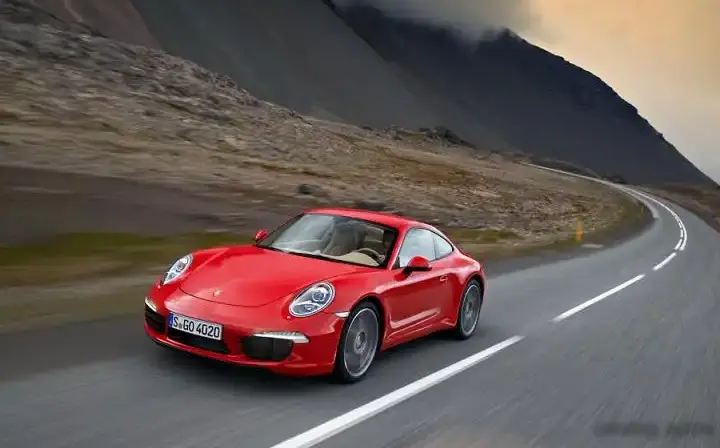
The Porsche 911 (991) R 4.0, produced for the 2016 model year only, represents a unique and highly sought-after iteration of the 991 generation. Positioned as a limited-production, driver-focused variant, the R 4.0 aimed to recapture the spirit of classic 911s by offering a naturally aspirated engine paired with a manual transmission – a combination increasingly rare in Porsche’s lineup at the time. It served as a bridge between the technologically advanced, turbocharged 911s and the purist driving experience enthusiasts craved. The 991.1 chassis formed the basis for this special edition, emphasizing lightweight construction and dynamic handling.
Technical Specifications
| Brand | Porsche |
| Model | 911 |
| Generation | 911 (991) |
| Type (Engine) | R 4.0 (500 Hp) |
| Start of production | 2016 |
| End of production | 2016 |
| Powertrain Architecture | Internal Combustion engine |
| Body type | Coupe |
| Seats | 2 |
| Doors | 2 |
| Fuel consumption (economy) – urban | 20.1 l/100 km (11.7 US mpg, 14.1 UK mpg, 5 km/l) |
| Fuel consumption (economy) – extra urban | 9.3 l/100 km (25.3 US mpg, 30.4 UK mpg, 10.8 km/l) |
| Fuel consumption (economy) – combined | 13.3 l/100 km (17.7 US mpg, 21.2 UK mpg, 7.5 km/l) |
| CO2 emissions | 308 g/km |
| Fuel Type | Petrol (Gasoline) |
| Acceleration 0 – 100 km/h | 3.8 sec |
| Acceleration 0 – 62 mph | 3.8 sec |
| Acceleration 0 – 60 mph | 3.6 sec |
| Acceleration 0 – 200 km/h | 11.6 sec |
| Maximum speed | 323 km/h (200.7 mph) |
| Emission standard | Euro 6 |
| Weight-to-power ratio | 2.7 kg/Hp, 365 Hp/tonne |
| Weight-to-torque ratio | 3 kg/Nm, 335.8 Nm/tonne |
| Power | 500 Hp @ 8250 rpm |
| Power per litre | 125.1 Hp/l |
| Torque | 460 Nm @ 6250 rpm (339.28 lb.-ft. @ 6250 rpm) |
| Maximum engine speed | 8500 rpm |
| Engine layout | Rear, Longitudinal |
| Engine Model/Code | MA1.76 |
| Engine displacement | 3996 cm3 (243.85 cu. in.) |
| Number of cylinders | 6 |
| Engine configuration | Boxer |
| Cylinder Bore | 102 mm (4.02 in.) |
| Piston Stroke | 81.5 mm (3.21 in.) |
| Compression ratio | 13.2:1 |
| Number of valves per cylinder | 4 |
| Fuel injection system | Direct injection |
| Engine aspiration | Naturally aspirated engine |
| Engine oil capacity | 6.8 l (7.19 US qt | 5.98 UK qt) |
| Coolant | 28 l (29.59 US qt | 24.64 UK qt) |
| Kerb Weight | 1370 kg (3020.33 lbs.) |
| Max. weight | 1660 kg (3659.67 lbs.) |
| Max load | 290 kg (639.34 lbs.) |
| Trunk (boot) space – minimum | 125 l (4.41 cu. ft.) |
| Fuel tank capacity | 64 l (16.91 US gal | 14.08 UK gal) |
| Length | 4532 mm (178.43 in.) |
| Width | 1852 mm (72.91 in.) |
| Width including mirrors | 1978 mm (77.87 in.) |
| Height | 1276 mm (50.24 in.) |
| Wheelbase | 2475 mm (97.44 in.) |
| Front track | 1551 mm (61.06 in.) |
| Rear (Back) track | 1555 mm (61.22 in.) |
| Drag coefficient (Cd) | 0.32 |
| Minimum turning circle (turning diameter) | 11.1 m (36.42 ft.) |
| Drivetrain Architecture | Rear wheel drive |
| Number of gears and type of gearbox | 6 gears, manual transmission |
| Front suspension | Independent type McPherson |
| Rear suspension | Independent multi-link suspension |
| Front brakes | Ventilated discs |
| Rear brakes | Ventilated discs |
| Assisting systems | ABS (Anti-lock braking system) |
| Steering type | Steering rack and pinion |
| Power steering | Electric Steering |
| Tires size | 245/35 ZR 20; 305/30 ZR 20 |
| Wheel rims size | 9J x 20; 12J x 20 |
Powertrain & Engine Architecture
At the heart of the 911 R 4.0 lies the MA1.76 engine, a 4.0-liter naturally aspirated flat-six. This engine is derived from the 911 GT3 RS, but detuned slightly to 500 horsepower at 8,250 rpm and 460 Nm (339 lb-ft) of torque at 6,250 rpm. The engine utilizes direct fuel injection and a high 13.2:1 compression ratio to maximize efficiency and power output. The engine’s dry-sump lubrication system ensures consistent oil supply even under extreme cornering forces. Crucially, the R 4.0 eschewed turbocharging, offering a linear power delivery and a distinctive engine note. The engine is mated to a six-speed manual transmission, further emphasizing the driver-focused nature of the car. This transmission features a shorter throw and a more direct feel compared to the standard 991 gearbox.
Driving Characteristics
The 911 R 4.0 delivers a raw and engaging driving experience. The naturally aspirated engine provides immediate throttle response and a thrilling climb to its 8,500 rpm redline. The manual transmission requires active participation from the driver, rewarding skillful gear changes with a visceral connection to the car. While not as brutally fast as the turbocharged 911s in a straight line (0-60 mph in approximately 3.6 seconds), the R 4.0 excels in cornering and overall driving dynamics. The lightweight construction (1370 kg / 3020 lbs) and precise steering contribute to a nimble and balanced feel. The gear ratios are optimized for acceleration and track performance, making it a truly rewarding car to drive on winding roads.
Equipment & Trim Levels
The 911 R 4.0 was sparsely equipped, prioritizing weight savings and a purist driving experience. Standard features included full leather interior with cloth seat centers (a nod to classic 911s), carbon fiber trim, and a Club Sport package consisting of a roll bar, six-point racing harnesses, and a fire extinguisher. Air conditioning and a radio were available as no-cost options, but many owners opted to delete them to further reduce weight. Exterior styling cues included a distinctive rear wing, central exhaust outlets, and unique wheel designs.
Chassis & Braking
The chassis of the 911 R 4.0 is based on the 991.1 generation, featuring a lightweight construction and a sophisticated suspension system. The front suspension utilizes McPherson struts, while the rear employs a multi-link setup. Both ends are equipped with ventilated disc brakes, providing ample stopping power. The car features Porsche Active Suspension Management (PASM), allowing the driver to adjust the damper settings for optimal comfort or performance. ABS and traction control systems are standard, but can be partially disabled for more spirited driving.
Market Reception & Comparison
The 911 R 4.0 was met with widespread critical acclaim, praised for its engaging driving experience and its return to the roots of the 911. Critics noted its superior handling and driver involvement compared to the more technologically advanced, turbocharged models. However, its limited production run (991 units worldwide) and high price tag made it an exclusive and highly desirable vehicle. Compared to the 911 GT3, the R 4.0 offered a slightly less focused, more road-friendly experience. Compared to the 911 Carrera models, the R 4.0 provided a significant performance upgrade and a more visceral driving experience.
Legacy
The Porsche 911 (991) R 4.0 has become a collector’s item, with values steadily increasing since its release. The MA1.76 engine is known for its reliability, provided it is properly maintained. The car’s unique combination of a naturally aspirated engine, manual transmission, and lightweight construction has cemented its place as a modern classic. It represents a high point in Porsche’s commitment to driver engagement and a reminder of the enduring appeal of the classic 911 formula. Today, the R 4.0 is highly sought after by enthusiasts who appreciate a pure and unfiltered driving experience.