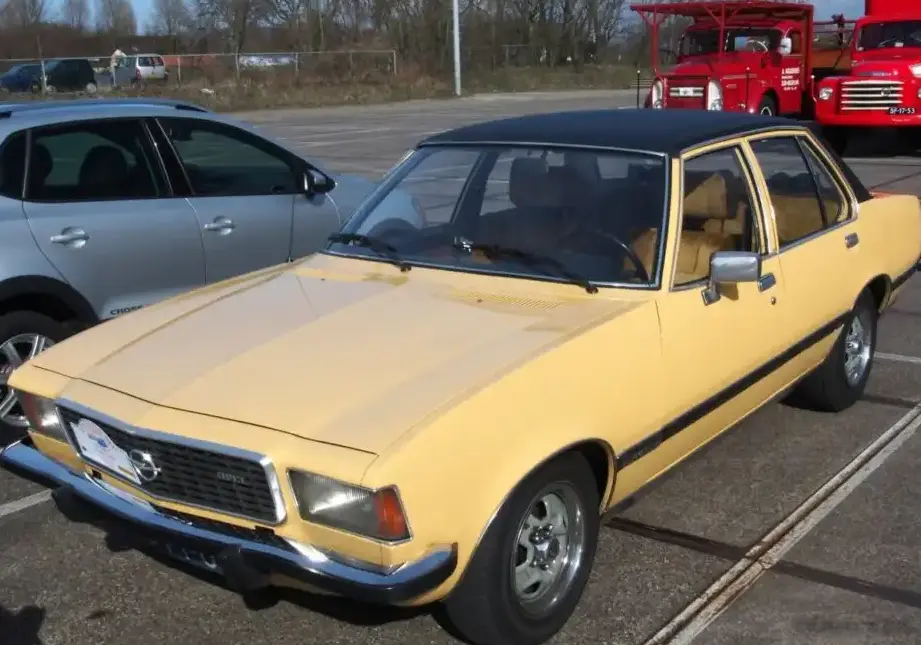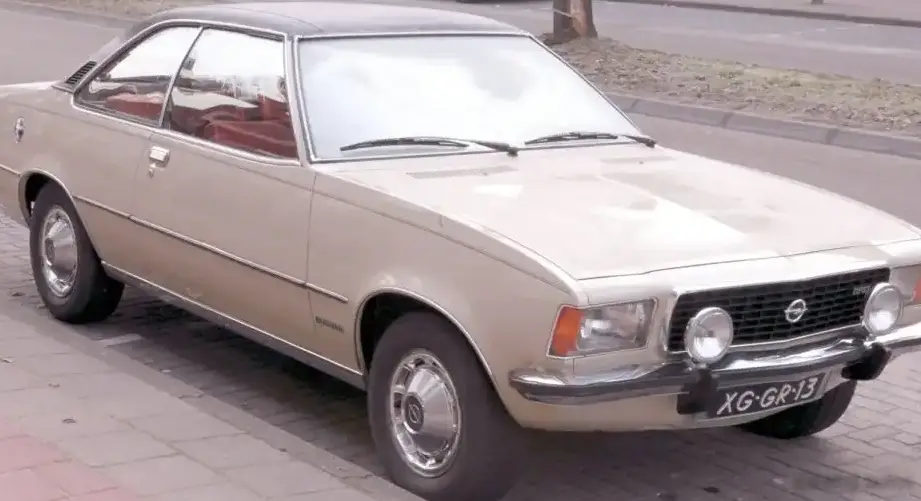
The Opel Commodore B Coupe 2.5 SC, producing 130 horsepower, was a significant variant within the Commodore B Coupe range, manufactured between 1972 and 1976. Positioned as a mid-range offering, it bridged the gap between the more economical Commodore models and the higher-performance GS/E variants. The Commodore B, launched in 1972, represented a substantial redesign of the Commodore A, offering a more modern aesthetic and improved mechanical refinement. The Coupe body style, in particular, was aimed at buyers seeking a stylish and sporty grand tourer, and the 2.5 SC provided a balance of performance and affordability within that segment. It was primarily marketed in Europe, particularly in Germany, where Opel held a strong market share.
Technical Specifications
| Brand | Opel |
| Model | Commodore |
| Generation | Commodore B Coupe |
| Type (Engine) | 2.5 SC (130 Hp) |
| Start of production | 1972 |
| End of production | 1976 |
| Powertrain Architecture | Internal Combustion engine |
| Body type | Coupe |
| Seats | 5 |
| Doors | 2 |
| Fuel Type | Petrol (Gasoline) |
| Acceleration 0 – 100 km/h | 13.5 sec |
| Acceleration 0 – 62 mph | 13.5 sec |
| Acceleration 0 – 60 mph | 12.8 sec |
| Maximum speed | 184 km/h (114.33 mph) |
| Power | 130 Hp @ 5300 rpm |
| Power per litre | 52.2 Hp/l |
| Torque | 176 Nm @ 4250 rpm (129.81 lb.-ft. @ 4250 rpm) |
| Engine displacement | 2490 cm3 (151.95 cu. in.) |
| Number of cylinders | 6 |
| Engine configuration | Inline |
| Cylinder Bore | 87 mm (3.43 in.) |
| Piston Stroke | 69.8 mm (2.75 in.) |
| Compression ratio | 9:1 |
| Number of valves per cylinder | 2 |
| Engine aspiration | Naturally aspirated |
| Engine oil capacity | 5.5 l (5.81 US qt | 4.84 UK qt) |
| Trunk (boot) space – minimum | 434 l (15.33 cu. ft.) |
| Fuel tank capacity | 70 l (18.49 US gal | 15.4 UK gal) |
| Length | 4607 mm (181.38 in.) |
| Width | 1728 mm (68.03 in.) |
| Height | 1370 mm (53.94 in.) |
| Wheelbase | 2668 mm (105.04 in.) |
| Front track | 1434 mm (56.46 in.) |
| Rear (Back) track | 1400 mm (55.12 in.) |
| Ride height (ground clearance) | 140 mm (5.51 in.) |
| Drag coefficient (Cd) | 0.45 |
| Minimum turning circle | 11.2 m (36.75 ft.) |
| Drivetrain Architecture | Rear wheel drive |
| Number of gears | 4 |
| Type of gearbox | Manual transmission |
| Front brakes | Disc |
| Rear brakes | Drum |
Powertrain & Engine Architecture
The heart of the Commodore B Coupe 2.5 SC was the 2.5-liter inline-six cylinder engine, designated as the C25SE. This engine featured a cast iron block and an aluminum cylinder head. It utilized a single overhead camshaft (SOHC) valvetrain, operating two valves per cylinder. Fuel delivery was managed by a Solex carburetor, a common setup for the era. The engine’s 9:1 compression ratio contributed to its respectable power output for the time. The four-speed manual transmission was the standard offering for this variant, providing a direct connection between the engine and the rear wheels. The transmission was known for its robust construction, but its shift quality wasn’t particularly sporty compared to more modern gearboxes.
Driving Characteristics
The 130 hp output of the 2.5 SC translated to a respectable, though not exhilarating, driving experience. Acceleration from 0-60 mph took around 12.8 seconds, and the car could achieve a top speed of approximately 114 mph. Compared to the Commodore GS/E, which featured fuel injection and a higher compression ratio, the 2.5 SC felt noticeably less powerful. However, it offered a more relaxed and fuel-efficient driving experience. The four-speed manual transmission’s gear ratios were geared towards cruising comfort rather than outright performance. The rear-wheel-drive layout provided a balanced feel, but the car’s relatively soft suspension setup meant it wasn’t particularly adept at handling sharp corners.
Equipment & Trim Levels
The Commodore B Coupe 2.5 SC was generally well-equipped for its price point. Standard features included cloth upholstery, a basic instrument cluster, and a two-spoke steering wheel. Optional extras included a vinyl roof, upgraded audio systems, and power-assisted steering. The interior design was functional and straightforward, reflecting the car’s focus on practicality and affordability. The trim level was typically identified by minimal badging, with the “2.5 SC” designation appearing on the rear of the vehicle. The interior trim colors were typically subdued, with options like dark blue, beige, and brown being common.
Chassis & Braking
The Commodore B Coupe utilized a body-on-frame construction, which was typical for the era. The suspension consisted of independent front suspension with coil springs and a rigid rear axle with leaf springs. The front brakes were disc brakes, providing adequate stopping power, while the rear brakes were drum brakes. The steering was a recirculating ball system, which offered a relatively heavy feel. Stabilizer bars were fitted to both the front and rear axles to reduce body roll during cornering. The ride height was relatively generous, providing a comfortable ride over uneven road surfaces.
Market Reception & Comparison
The Commodore B Coupe 2.5 SC was generally well-received by automotive critics as a practical and stylish grand tourer. It was praised for its comfortable ride, spacious interior, and relatively affordable price. However, it was also criticized for its somewhat lackluster performance compared to its rivals, such as the Ford Capri. Compared to the Commodore GS/E, the 2.5 SC offered better fuel economy, but at the expense of performance. The 2.5 SC was also more affordable to maintain than the GS/E, due to its simpler engine and fuel delivery system. It appealed to buyers who prioritized comfort and practicality over outright performance.
Legacy
The Opel Commodore B Coupe 2.5 SC has become a sought-after classic car among enthusiasts. The inline-six engine is known for its durability and relatively simple maintenance requirements. However, finding parts can be challenging, as production ceased decades ago. Rust is a common issue with these cars, particularly in areas prone to moisture. Well-maintained examples command a premium in the used car market. The Commodore B Coupe, in general, represents a significant chapter in Opel’s history, and the 2.5 SC variant remains a popular choice for those seeking a stylish and affordable classic coupe.