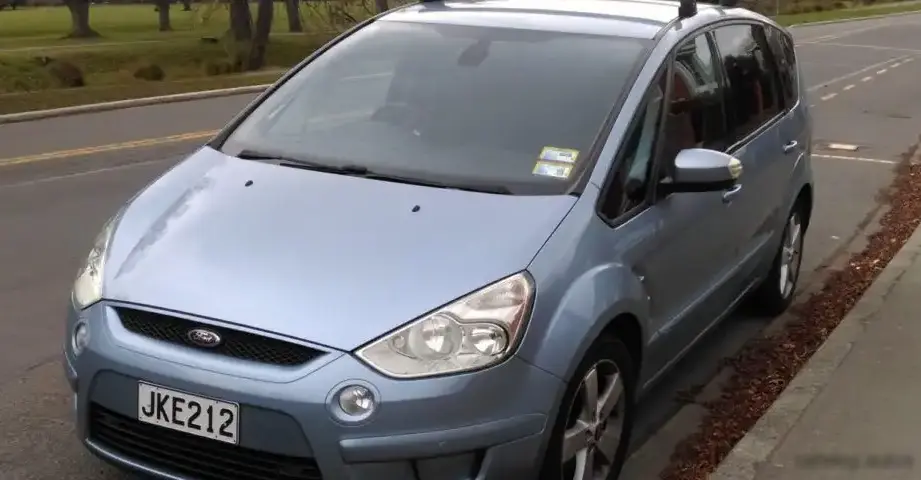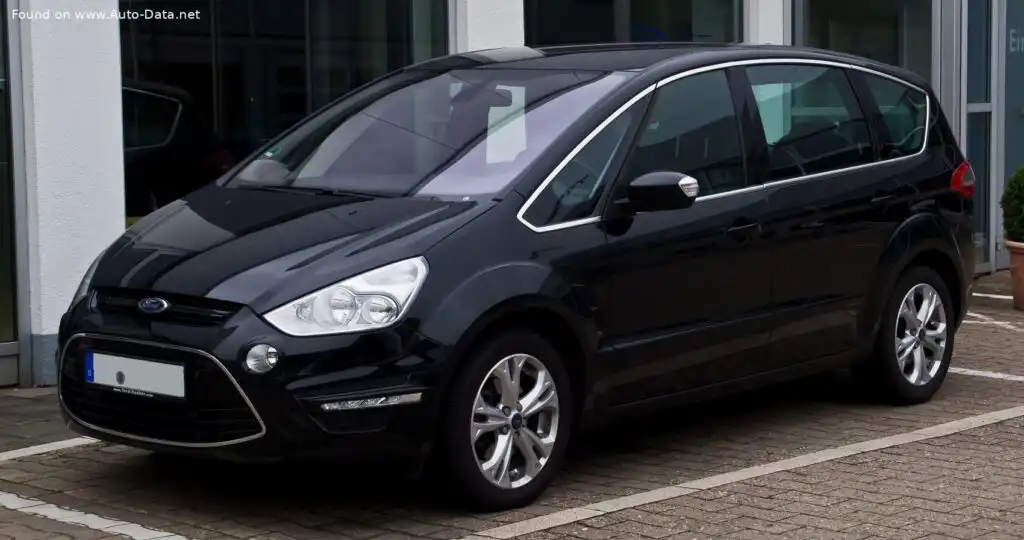
The Ford S-MAX, particularly the facelifted version introduced in 2010, represented Ford’s entry into the increasingly popular multi-purpose vehicle (MPV) segment. This iteration of the S-MAX aimed to blend practicality with a more dynamic driving experience than many of its competitors. The 1.6 Duratorq TDCi 115 horsepower variant, equipped with a six-speed manual transmission and featuring a start/stop system, was produced from 2010 to 2014. It served as a more economical and accessible entry point into the S-MAX range, appealing to families prioritizing fuel efficiency and value. This model occupied the lower-mid range of the S-MAX lineup, positioned below the more powerful 2.0-liter and 2.2-liter diesel options.
Technical Specifications
| Brand | Ford |
| Model | S-MAX |
| Generation | S-MAX (facelift 2010) |
| Type (Engine) | 1.6 Duratorq TDCi (115 Hp) start/stop |
| Start of production | 2010 |
| End of production | 2014 |
| Powertrain Architecture | Internal Combustion engine |
| Body type | MPV |
| Seats | 7 |
| Doors | 5 |
| Fuel consumption (urban) | 5.9 l/100 km (39.9 US mpg, 47.9 UK mpg, 16.9 km/l) |
| Fuel consumption (extra urban) | 4.9 l/100 km (48 US mpg, 57.6 UK mpg, 20.4 km/l) |
| Fuel consumption (combined) | 5.2 l/100 km (45.2 US mpg, 54.3 UK mpg, 19.2 km/l) |
| Fuel Type | Diesel |
| Acceleration 0 – 100 km/h | 13 sec |
| Acceleration 0 – 62 mph | 13 sec |
| Acceleration 0 – 60 mph | 12.4 sec |
| Maximum speed | 180 km/h (111.85 mph) |
| Emission standard | Euro 5 |
| Weight-to-power ratio | 14.8 kg/Hp, 67.5 Hp/tonne |
| Power | 115 Hp |
| Engine layout | Front, Transverse |
| Engine Model/Code | T1WA, T1WB |
| Engine configuration | Inline |
| Fuel injection system | Diesel Commonrail |
| Engine aspiration | Turbocharger, Intercooler |
| Engine oil capacity | 3.8 l (4.02 US qt, 3.34 UK qt) |
| Coolant capacity | 7.3 l (7.71 US qt, 6.42 UK qt) |
| Engine systems | Start & Stop System, Particulate filter |
| Kerb Weight | 1703 kg (3754.47 lbs) |
| Max. weight | 2505 kg (5522.58 lbs) |
| Max load | 802 kg (1768.11 lbs) |
| Trunk (boot) space – minimum | 285 l (10.06 cu. ft.) |
| Trunk (boot) space – maximum | 2000 l (70.63 cu. ft.) |
| Fuel tank capacity | 70 l (18.49 US gal, 15.4 UK gal) |
| Length | 4903 mm (193.03 in) |
| Width | 2154 mm (84.8 in) |
| Height | 1660 mm (65.35 in) |
| Minimum turning circle | 11.9 m (39.04 ft) |
| Drivetrain Architecture | ICE drives front wheels |
| Drive wheel | Front wheel drive |
| Number of gears | 6 gears, manual transmission |
| Assisting systems | ABS (Anti-lock braking system) |
| Steering type | Steering rack and pinion |
Powertrain & Engine Architecture
The heart of this S-MAX variant is the 1.6-liter Duratorq TDCi diesel engine, identified by engine codes T1WA or T1WB. This engine is a four-cylinder, inline configuration, utilizing a common-rail direct fuel injection system. This system, operating at very high pressures, ensures efficient fuel atomization for improved combustion and reduced emissions. A turbocharger with an intercooler is employed to boost power output, overcoming the inherent limitations of a smaller displacement engine. The engine features a single overhead camshaft (SOHC) valvetrain. The six-speed manual transmission was the standard offering for this trim, providing a balance between fuel economy and driver control. The inclusion of a start/stop system further enhanced fuel efficiency, automatically shutting off the engine when the vehicle came to a halt and restarting it upon clutch engagement.
Driving Characteristics
The 1.6-liter engine, producing 115 horsepower, delivered adequate performance for everyday driving, but it wasn’t designed for outright speed. Acceleration from 0-60 mph took around 12.4 seconds, and top speed was limited to 111.85 mph. The six-speed manual transmission helped to keep the engine within its optimal power band, but drivers often needed to downshift for overtaking maneuvers. Compared to the higher-output 2.0-liter TDCi versions, this engine felt noticeably less responsive. However, the 1.6 TDCi offered a more relaxed driving experience, particularly on longer journeys, and its lighter weight contributed to slightly improved handling. The gear ratios were tuned for fuel efficiency, prioritizing economy over spirited acceleration.
Equipment & Trim Levels
The 1.6 Duratorq TDCi S-MAX typically came with a respectable level of standard equipment. This included air conditioning, electric front and rear windows, a basic audio system with CD player, and alloy wheels. Safety features such as ABS, electronic stability control, and multiple airbags were also standard. Interior upholstery was typically cloth, with a functional, if not luxurious, dashboard layout. Optional extras included parking sensors, a more advanced audio system with navigation, and leather upholstery. Trim levels varied slightly depending on the market, but generally, this engine was offered in the base or mid-range trim.
Chassis & Braking
The S-MAX chassis featured independent suspension at the front, typically utilizing MacPherson struts, and a multi-link suspension at the rear. This setup provided a good balance between ride comfort and handling. The front brakes were typically ventilated discs, while the rear brakes were often solid discs, although some base models may have featured drum brakes. A stabilizer bar was fitted to both the front and rear axles to reduce body roll during cornering. The steering was rack and pinion, providing precise and responsive control.
Market Reception & Comparison
The 1.6 Duratorq TDCi S-MAX was generally well-received by critics as a practical and economical family vehicle. It offered a compelling alternative to larger, more expensive MPVs. Fuel economy was a key selling point, with combined figures around 45.2 US mpg. Compared to the 2.0-liter TDCi models, the 1.6 offered lower running costs but sacrificed performance. Reliability was generally good, although some owners reported issues with the diesel particulate filter (DPF), a common concern with modern diesel engines. The start/stop system, while beneficial for fuel economy, was sometimes criticized for its slightly jerky operation.
Legacy
The 1.6 Duratorq TDCi engine, in various iterations, proved to be a relatively durable and reliable powerplant. In the used car market, the S-MAX 1.6 TDCi remains a popular choice for budget-conscious buyers seeking a spacious and practical MPV. While not the most exciting version of the S-MAX, it offers a good balance of affordability, fuel efficiency, and practicality. Regular maintenance, including timely DPF regeneration and oil changes, is crucial to ensure the long-term reliability of this powertrain. The S-MAX, in general, established Ford as a serious contender in the European MPV market, and the 1.6 TDCi variant played a significant role in broadening its appeal.