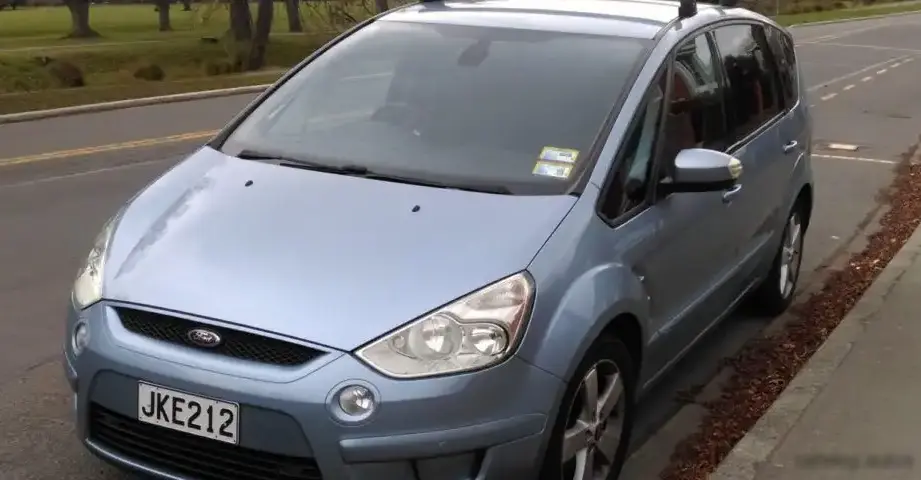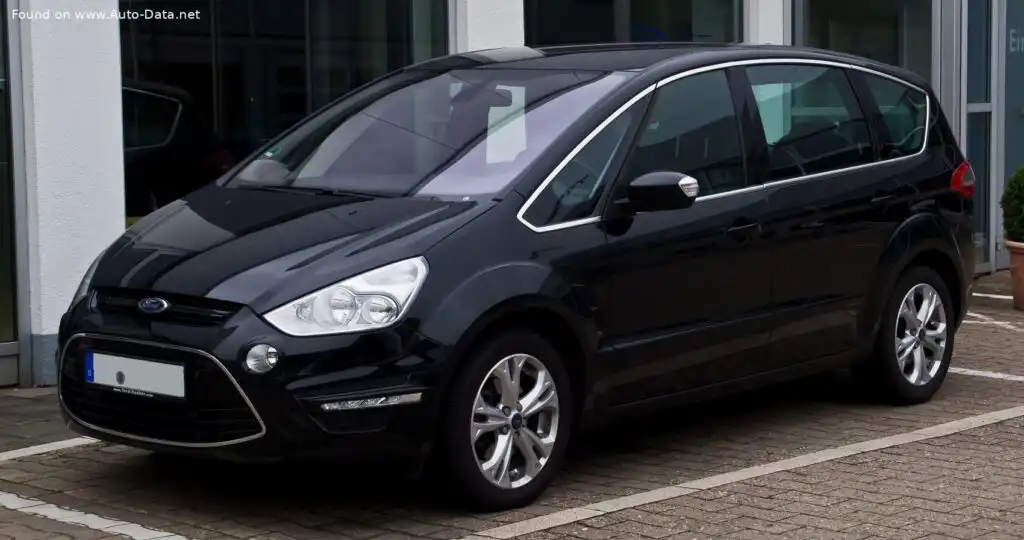
The Ford S-MAX, particularly the facelifted version introduced in 2010, represented Ford’s entry into the multi-purpose vehicle (MPV) segment with a focus on sporty handling and a flexible interior. The 2.0 Duratorq TDCi variant, producing 140 horsepower, was a key model within the S-MAX lineup from 2010 to 2014. Positioned as a mid-range offering, it aimed to balance fuel efficiency with adequate performance for family transportation. This version was primarily sold in Europe, where the MPV segment held significant market share, and offered a compelling alternative to more conventional station wagons and smaller SUVs.
Technical Specifications
| Brand | Ford |
| Model | S-MAX |
| Generation | S-MAX (facelift 2010) |
| Type (Engine) | 2.0 Duratorq TDCi (140 Hp) |
| Start of production | 2010 |
| End of production | 2014 |
| Powertrain Architecture | Internal Combustion engine |
| Body type | MPV |
| Seats | 7 |
| Doors | 5 |
| Fuel consumption (urban) | 6.7 l/100 km (35.1 US mpg, 42.2 UK mpg, 14.9 km/l) |
| Fuel consumption (extra urban) | 4.7 l/100 km (50 US mpg, 60.1 UK mpg, 21.3 km/l) |
| Fuel consumption (combined) | 5.4 l/100 km (43.6 US mpg, 52.3 UK mpg, 18.5 km/l) |
| Fuel Type | Diesel |
| Acceleration 0 – 100 km/h | 10.2 sec |
| Acceleration 0 – 62 mph | 10.2 sec |
| Acceleration 0 – 60 mph | 9.7 sec |
| Maximum speed | 195 km/h (121.17 mph) |
| Emission standard | Euro 5 |
| Weight-to-power ratio | 12.1 kg/Hp, 82.8 Hp/tonne |
| Power | 140 Hp |
| Engine layout | Front, Transverse |
| Engine Model/Code | UFWA |
| Engine configuration | Inline |
| Fuel injection system | Diesel Commonrail |
| Engine aspiration | Turbocharger, Intercooler |
| Engine oil capacity | 5.5 l (5.81 US qt, 4.84 UK qt) |
| Coolant capacity | 8.1 l (8.56 US qt, 7.13 UK qt) |
| Kerb Weight | 1690 kg (3725.81 lbs) |
| Max. weight | 2505 kg (5522.58 lbs) |
| Max load | 815 kg (1796.77 lbs) |
| Trunk (boot) space – minimum | 285 l (10.06 cu. ft.) |
| Trunk (boot) space – maximum | 2000 l (70.63 cu. ft.) |
| Fuel tank capacity | 70 l (18.49 US gal, 15.4 UK gal) |
| Length | 4903 mm (193.03 in) |
| Width | 2154 mm (84.8 in) |
| Height | 1660 mm (65.35 in) |
| Minimum turning circle | 11.9 m (39.04 ft) |
| Drivetrain Architecture | Front wheel drive |
| Number of gears | 6 gears, manual transmission |
| Assisting systems | ABS (Anti-lock braking system) |
Introduction
The 2010-2014 Ford S-MAX facelift brought a refreshed exterior design and updated interior features to the already popular MPV. The 2.0 Duratorq TDCi 140 hp engine was a significant part of the engine lineup, offering a balance between performance and economy. Built on the Ford C1 platform (also known as the 1HX0/A3 platform, shared with the Ford Galaxy and certain Volvo models), the S-MAX aimed to provide a more dynamic driving experience than traditional MPVs. This variant was particularly popular in European markets where diesel engines and MPVs were common choices for families.
Powertrain & Engine Architecture
The 2.0 Duratorq TDCi engine, designated with the UFWA engine code, is a four-cylinder diesel engine utilizing common-rail direct injection. This engine is part of Ford’s Duratorq family, known for its robustness and relatively good fuel efficiency. The 140 horsepower output was achieved through a turbocharger with an intercooler, optimizing air intake for increased power. The engine featured a 16-valve DOHC (Double Overhead Camshaft) valvetrain. The fuel injection system employed piezo injectors for precise fuel delivery and improved combustion. The S-MAX 2.0 TDCi typically came equipped with a six-speed manual transmission, providing a good balance between fuel economy and driver control. While an automatic transmission was available in some markets, the manual was more common with this power output.
Driving Characteristics
The 140 hp 2.0 Duratorq TDCi in the S-MAX offered adequate performance for everyday driving, but it wasn’t particularly sporty. Acceleration from 0-60 mph took around 9.7 seconds, which was respectable for an MPV but slower than the higher-powered 2.2-liter TDCi versions. The six-speed manual transmission helped to keep the engine in its optimal power band, and the turbocharger provided a noticeable boost in torque at lower RPMs. Compared to the more powerful S-MAX variants, this version felt less eager to accelerate, especially when fully loaded with passengers and luggage. However, it excelled in fuel economy, making it a practical choice for long-distance family trips. The gear ratios were tuned for efficiency rather than outright performance.
Equipment & Trim Levels
The 2.0 Duratorq TDCi 140 hp S-MAX typically came in mid-range trim levels, offering a good balance of features and affordability. Standard equipment often included air conditioning, power windows, power mirrors, a CD/radio system, and alloy wheels. Higher trim levels added features such as leather upholstery, a sunroof, parking sensors, and a more advanced infotainment system. The interior upholstery was usually cloth, although leather was an optional upgrade. The dashboard layout was functional and well-designed, with clear instrumentation and easy-to-use controls. Optional extras included a navigation system, rear entertainment system, and various driver assistance features.
Chassis & Braking
The S-MAX featured a MacPherson strut front suspension and a multi-link rear suspension, providing a comfortable ride and good handling characteristics. The suspension was tuned to balance ride comfort with body control. Braking systems varied depending on the trim level, but typically included front disc brakes and rear drum brakes. Higher-spec models often featured rear disc brakes for improved stopping power. Anti-lock Braking System (ABS) was standard across all models. Stabilizer bars were fitted to both the front and rear axles to reduce body roll during cornering. The steering was a rack and pinion system, providing precise and responsive steering feel.
Market Reception & Comparison
The Ford S-MAX 2.0 Duratorq TDCi 140 hp received generally positive reviews from automotive critics. It was praised for its spacious interior, comfortable ride, and good fuel economy. However, some critics noted that the 140 hp engine felt underpowered when the vehicle was fully loaded. Compared to the 2.2-liter TDCi versions, the 2.0-liter offered lower performance but better fuel efficiency. Against competitors like the Volkswagen Touran and Renault Grand Scenic, the S-MAX stood out for its more dynamic driving experience and stylish design. The 2.0 TDCi was often seen as the sensible choice for buyers prioritizing fuel economy and practicality over outright performance.
Legacy
The 2.0 Duratorq TDCi engine proved to be a reliable and durable powertrain. While not without its potential issues (like any diesel engine, it could experience problems with the diesel particulate filter or fuel injectors), it generally offered good long-term reliability with proper maintenance. In the used car market, the S-MAX 2.0 TDCi 140 hp remains a popular choice for families seeking a spacious and practical MPV. Its relatively low running costs and proven reliability make it an attractive option. Parts availability is generally good, and the engine is relatively straightforward to maintain, contributing to its continued appeal in the second-hand market.