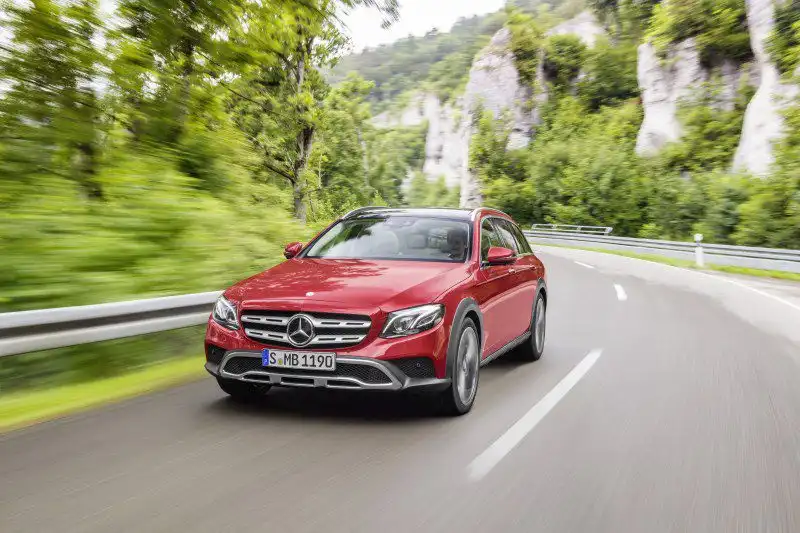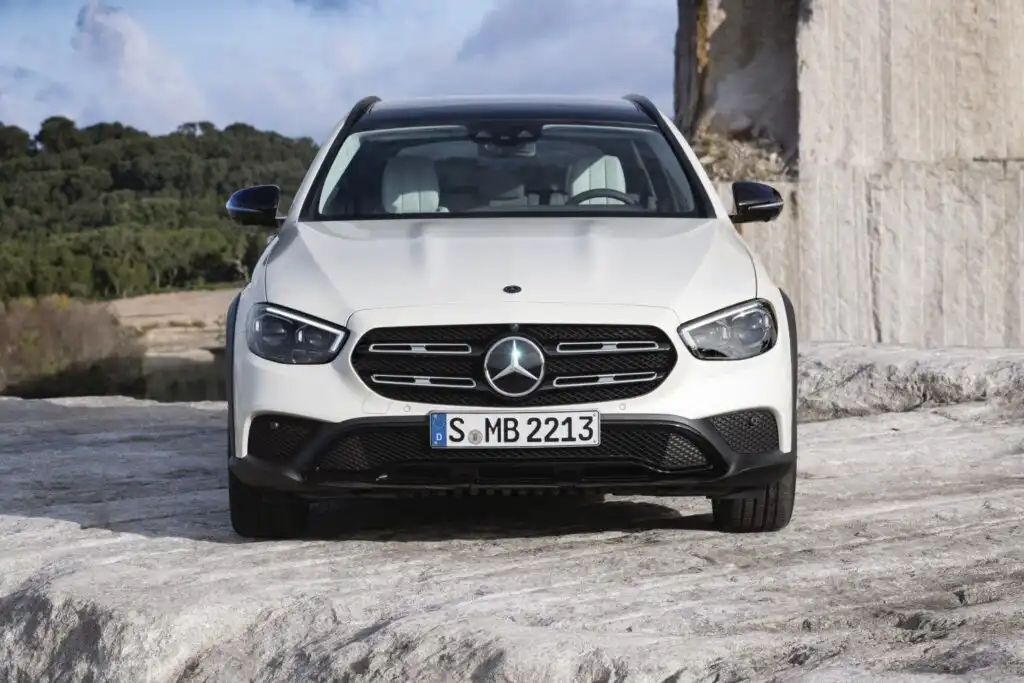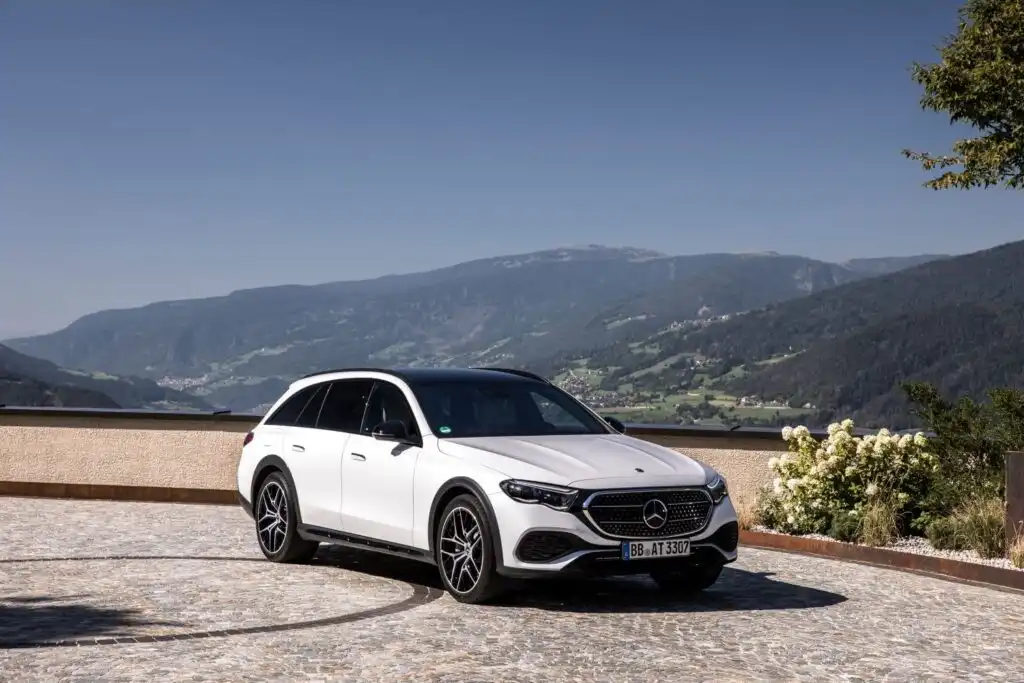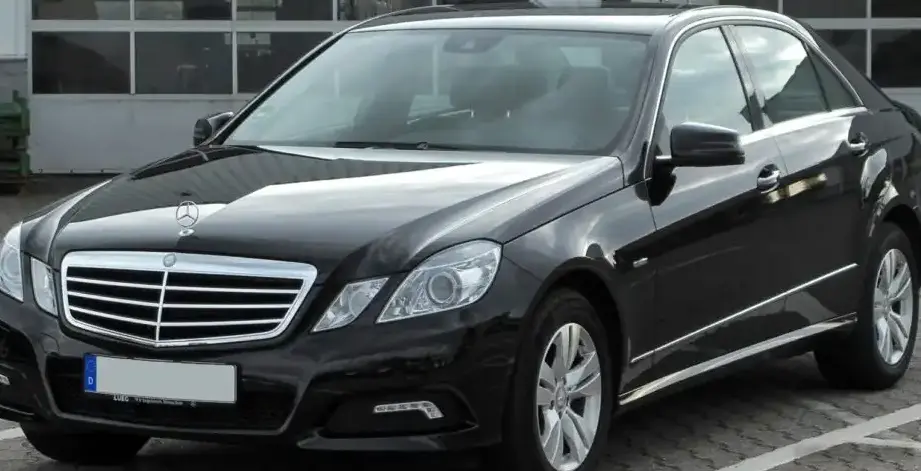
The Mercedes-Benz E 250 BlueEFFICIENCY, produced between August 2011 and January 2013, was a key variant within the W212 E-Class range. Positioned as a mid-range offering, it aimed to balance performance and fuel economy, appealing to buyers seeking a comfortable and efficient luxury sedan. This model represented a significant step in Mercedes-Benz’s efforts to improve fuel efficiency across its lineup, incorporating direct injection and turbocharging technology. The E 250 BlueEFFICIENCY primarily served the European and Asian markets, where demand for smaller displacement, fuel-efficient engines was high, though it was also available in limited quantities in North America.
Technical Specifications
| Brand | Mercedes-Benz |
| Model | E-class |
| Generation | E-class (W212) |
| Type | E 250 BlueEFFICIENCY (204 Hp) 7G-TRONIC PLUS |
| Start of production | August, 2011 |
| End of production | January, 2013 |
| Powertrain Architecture | Internal Combustion engine |
| Body type | Sedan |
| Seats | 5 |
| Doors | 4 |
| Fuel consumption (urban) | 8.9-9.2 l/100 km (26.4 – 25.6 US mpg) |
| Fuel consumption (extra urban) | 5.3-5.7 l/100 km (44.4 – 41.3 US mpg) |
| Fuel consumption (combined) | 6.6-7 l/100 km (35.6 – 33.6 US mpg) |
| CO2 emissions | 154-162 g/km |
| Fuel Type | Petrol (Gasoline) |
| Acceleration 0 – 100 km/h | 7.7 sec |
| Acceleration 0 – 62 mph | 7.7 sec |
| Acceleration 0 – 60 mph | 7.3 sec |
| Maximum speed | 240 km/h (149.13 mph) |
| Emission standard | Euro 5 |
| Weight-to-power ratio | 7.7 kg/Hp |
| Weight-to-torque ratio | 5.1 kg/Nm |
| Power | 204 Hp @ 5500 rpm |
| Torque | 310 Nm @ 2000-4300 rpm (228.64 lb.-ft. @ 2000-4300 rpm) |
| Engine layout | Front, Longitudinal |
| Engine Model/Code | M 271.860 |
| Engine displacement | 1796 cm3 (109.6 cu. in.) |
| Number of cylinders | 4 |
| Engine configuration | Inline |
| Cylinder Bore | 82 mm (3.23 in.) |
| Piston Stroke | 85 mm (3.35 in.) |
| Compression ratio | 9.3:1 |
| Number of valves per cylinder | 4 |
| Fuel injection system | Direct injection |
| Engine aspiration | Turbocharger, Intercooler |
| Valvetrain | DOHC |
| Engine oil capacity | 5.5 l (5.81 US qt | 4.84 UK qt) |
| Coolant capacity | 7.8 l (8.24 US qt | 6.86 UK qt) |
| Kerb Weight | 1575 kg (3472.28 lbs.) |
| Max. weight | 2185 kg (4817.1 lbs.) |
| Max load | 610 kg (1344.82 lbs.) |
| Trunk (boot) space | 540 l (19.07 cu. ft.) |
| Fuel tank capacity | 59 l (15.59 US gal | 12.98 UK gal) |
| Max. roof load | 100 kg (220.46 lbs.) |
| Permitted trailer load (braked) | 1900 kg (4188.78 lbs.) |
| Permitted trailer load (unbraked) | 750 kg (1653.47 lbs.) |
| Permitted towbar download | 84 kg (185.19 lbs.) |
| Length | 4868 mm (191.65 in.) |
| Width | 1854 mm (72.99 in.) |
| Width including mirrors | 2071 mm (81.54 in.) |
| Height | 1471 mm (57.91 in.) |
| Wheelbase | 2874 mm (113.15 in.) |
| Front track | 1598 mm (62.91 in.) |
| Rear track | 1614 mm (63.54 in.) |
| Front overhang | 841 mm (33.11 in.) |
| Rear overhang | 1153 mm (45.39 in.) |
| Drag coefficient (Cd) | 0.26 |
| Minimum turning circle | 11.25 m (36.91 ft.) |
| Drivetrain | Rear wheel drive |
| Gearbox | 7 gears, automatic transmission G-TRONIC PLUS |
| Front suspension | Coil spring, Independent multi-link suspension, Transverse stabilizer |
| Rear suspension | Independent multi-link spring suspension with stabilizer |
| Front brakes | Ventilated discs, 322 mm |
| Rear brakes | Disc, 320 mm |
| Assisting systems | ABS (Anti-lock braking system) |
| Steering type | Steering rack and pinion |
| Power steering | Hydraulic Steering |
| Tires size | 225/55 R16; 245/45 R17 |
| Wheel rims size | 7.5J x 16; 8J x 17 |
Powertrain & Engine Architecture
The E 250 BlueEFFICIENCY was powered by the M 271.860 1.8-liter inline-four cylinder engine. This engine was a significant evolution of Mercedes-Benz’s four-cylinder offerings, featuring direct fuel injection and a turbocharger with an intercooler. The direct injection system, operating at pressures up to 200 bar, allowed for precise fuel delivery and improved combustion efficiency. The turbocharger boosted power output while maintaining relatively low fuel consumption. The engine utilized a double overhead camshaft (DOHC) valvetrain with four valves per cylinder, optimizing gas flow for increased performance. The 7G-TRONIC PLUS automatic transmission, a seven-speed unit, was standard. This transmission was known for its smooth shifting and wide gear ratio spread, contributing to both fuel efficiency and responsive acceleration. The transmission featured a torque converter lock-up clutch that engaged in most gears, reducing slippage and improving efficiency.
Driving Characteristics
The E 250 BlueEFFICIENCY offered a comfortable and refined driving experience. While not overtly sporty, the 204 horsepower and 310 Nm (228.64 lb-ft) of torque provided adequate performance for everyday driving and highway cruising. Acceleration from 0 to 60 mph took approximately 7.3 seconds. The 7G-TRONIC PLUS transmission was well-matched to the engine, providing smooth and timely gear changes. Compared to the more powerful E 350 models, the E 250 felt less urgent in acceleration, but its lighter weight and efficient engine contributed to better fuel economy. The automatic transmission, while convenient, did slightly diminish the sense of driver engagement compared to the available six-speed manual transmission. The gear ratios were tuned for fuel efficiency, meaning the engine sometimes felt slightly strained during aggressive acceleration.
Equipment & Trim Levels
The E 250 BlueEFFICIENCY typically came standard with features such as automatic climate control, power windows and locks, a multi-function steering wheel, and a high-quality audio system. Interior upholstery was typically a combination of fabric and synthetic leather, with optional upgrades to full leather available. Common optional extras included a sunroof, navigation system, premium sound system, and parking assist features. The dashboard layout was typical of the W212 E-Class, featuring a classic Mercedes-Benz design with a prominent central display screen. Trim levels varied slightly depending on the market, but generally offered a good balance of comfort and convenience features.
Chassis & Braking
The E 250 BlueEFFICIENCY utilized a coil spring, independent multi-link suspension system at both the front and rear. This suspension setup provided a comfortable ride quality while maintaining good handling characteristics. A transverse stabilizer bar was fitted at both ends to reduce body roll during cornering. The braking system consisted of ventilated discs at the front and solid discs at the rear. Anti-lock braking system (ABS) was standard. The suspension was tuned to prioritize comfort over outright sportiness, making it well-suited for long-distance driving.
Market Reception & Comparison
The E 250 BlueEFFICIENCY was generally well-received by automotive critics. It was praised for its fuel efficiency, comfortable ride, and refined interior. However, some reviewers noted that the engine lacked the punch of the larger displacement engines in the E-Class range. Compared to the E 350, the E 250 offered significantly better fuel economy, but at the expense of performance. Against competitors like the BMW 520i and Audi A6 2.0 TFSI, the E 250 BlueEFFICIENCY held its own in terms of fuel efficiency and refinement, though some competitors offered a more engaging driving experience.
Legacy
The M 271.860 engine, as used in the E 250 BlueEFFICIENCY, proved to be a relatively reliable powertrain. While some early examples experienced issues with the timing chain tensioner, these were generally addressed through warranty repairs. Today, well-maintained E 250 BlueEFFICIENCY models represent a good value on the used car market. They offer a comfortable and efficient luxury sedan experience at a relatively affordable price point. The 7G-TRONIC PLUS transmission is also known for its durability, provided it has been regularly serviced. The E 250 BlueEFFICIENCY stands as a testament to Mercedes-Benz’s commitment to improving fuel efficiency without sacrificing the comfort and refinement expected of the E-Class.