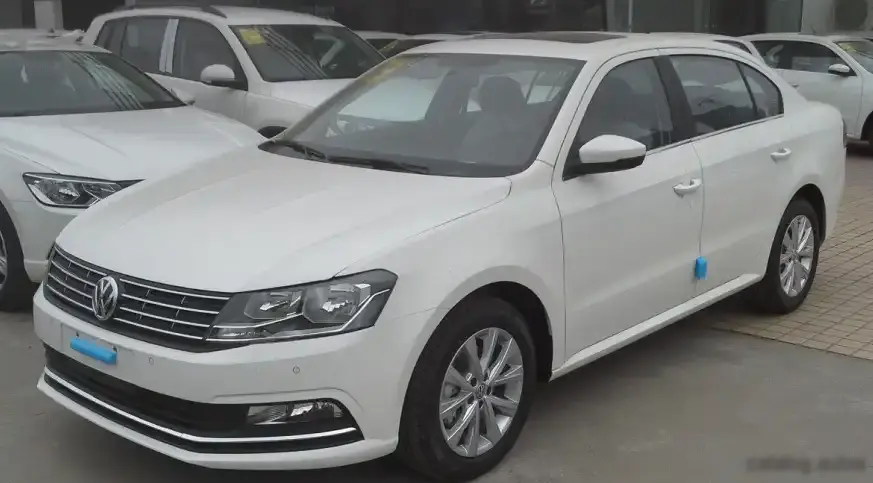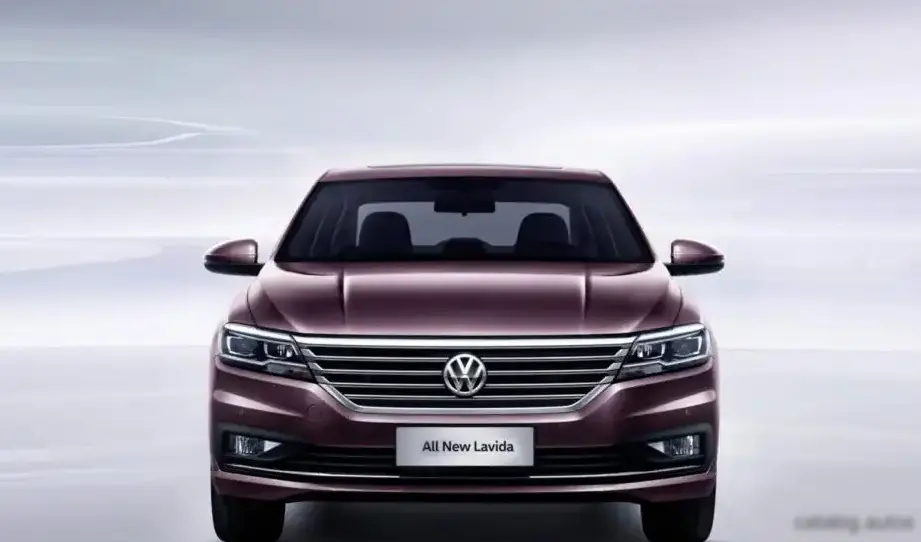
The Volkswagen Lavida III 1.5i (113 hp) Tiptronic is a compact sedan produced by Volkswagen for the Chinese market between 2019 and 2022. Positioned as a mainstream offering within the Lavida III range, it served as an entry-level to mid-range option, appealing to buyers seeking a comfortable and fuel-efficient vehicle. The Lavida, in general, is a significant model for Volkswagen in China, consistently ranking among their best-selling vehicles. The III generation, built on the A05 platform, represented a substantial update to the Lavida line, incorporating modern design elements and technology. This specific 1.5i Tiptronic variant aimed to balance affordability with a relatively refined driving experience, utilizing a six-speed automatic transmission with a manual shift mode (Tiptronic).
Technical Specifications
| Brand | Volkswagen |
| Model | Lavida |
| Generation | Lavida III |
| Type (Engine) | 1.5i (113 Hp) Tiptronic |
| Start of production | April, 2019 |
| End of production | 2022 |
| Powertrain Architecture | Internal Combustion engine |
| Body type | Sedan |
| Seats | 5 |
| Doors | 4 |
| Fuel consumption (combined) | 5.5 l/100 km (42.8 US mpg, 51.4 UK mpg, 18.2 km/l) |
| Fuel Type | Petrol (Gasoline) |
| Acceleration 0 – 100 km/h | 14 sec |
| Acceleration 0 – 62 mph | 14 sec |
| Acceleration 0 – 60 mph | 13.3 sec |
| Maximum speed | 190 km/h (118.06 mph) |
| Emission standard | China VI |
| Power | 113 Hp @ 6000 rpm |
| Power per litre | 75.4 Hp/l |
| Torque | 145 Nm @ 3900 rpm (106.95 lb.-ft. @ 3900 rpm) |
| Engine Model/Code | DMB |
| Engine displacement | 1498 cm3 (91.41 cu. in.) |
| Number of cylinders | 4 |
| Engine configuration | Inline |
| Fuel injection system | Multi-port manifold injection |
| Engine aspiration | Naturally aspirated engine |
| Trunk (boot) space – minimum | 510 l (18.01 cu. ft.) |
| Fuel tank capacity | 51 l (13.47 US gal | 11.22 UK gal) |
| Length | 4670 mm (183.86 in.) |
| Width | 1806 mm (71.1 in.) |
| Height | 1474 mm (58.03 in.) |
| Wheelbase | 2688 mm (105.83 in.) |
| Drivetrain Architecture | Front wheel drive |
| Number of gears and type of gearbox | 6 gears, automatic transmission Tiptronic |
| Front suspension | Independent type McPherson |
| Rear suspension | Torsion |
| Front brakes | Ventilated discs |
| Rear brakes | Disc |
| Assisting systems | ABS (Anti-lock braking system) |
| Tires size | 195/65 R15 |
| Wheel rims size | 15 |
Powertrain & Engine Architecture
The Lavida III 1.5i Tiptronic is powered by the Volkswagen DMB engine, a 1.5-liter naturally aspirated inline-four cylinder gasoline engine. This engine utilizes a multi-port fuel injection system, a common setup for this class of vehicle, prioritizing fuel efficiency and smooth operation over outright performance. The engine produces 113 horsepower at 6000 rpm and 145 Nm (106.95 lb-ft) of torque at 3900 rpm. The engine is notable for its relatively high compression ratio, contributing to its efficiency. The “Tiptronic” transmission is a six-speed automatic gearbox offering both fully automatic operation and a manual shift mode, allowing drivers some control over gear selection. This transmission is designed for smooth shifts and comfortable cruising, rather than sporty responsiveness.
Driving Characteristics
The 1.5i Tiptronic Lavida III delivers a comfortable, but not particularly sporty, driving experience. Acceleration from 0-100 km/h takes approximately 14 seconds, placing it firmly in the mainstream segment. The automatic transmission is tuned for fuel economy, meaning it prioritizes higher gears at lower speeds. The Tiptronic function allows for more engaged driving, but the transmission’s response isn’t as quick as a dedicated dual-clutch gearbox. Compared to other Lavida III variants, such as those with larger engines, the 1.5i feels noticeably less powerful, especially when fully loaded or climbing hills. However, it provides adequate power for typical urban and highway driving in China. The gear ratios are optimized for fuel efficiency, with a relatively tall final drive.
Equipment & Trim Levels
The 1.5i Tiptronic trim typically included standard features such as air conditioning, power windows, power mirrors, a basic audio system with USB connectivity, and ABS. Higher trim levels within the Lavida III range offered upgrades like alloy wheels, a touchscreen infotainment system, rear parking sensors, and automatic climate control. Interior upholstery was generally cloth, with options for leatherette available on higher trims. The dashboard layout was functional and straightforward, prioritizing ease of use. Optional extras often included a sunroof, upgraded audio systems, and various cosmetic enhancements.
Chassis & Braking
The Lavida III utilizes a front-wheel-drive layout with an independent McPherson strut suspension in the front and a torsion beam suspension in the rear. This suspension setup is a common configuration for compact sedans, offering a balance between ride comfort and handling. The front brakes are ventilated discs, providing adequate stopping power, while the rear brakes are solid discs. ABS (Anti-lock Braking System) is standard, enhancing safety during emergency braking situations. The 15-inch wheels are fitted with 195/65 R15 tires, chosen for a comfortable ride and reasonable fuel efficiency.
Market Reception & Comparison
The Lavida III 1.5i Tiptronic was well-received in the Chinese market as a practical and affordable option. Critics generally praised its fuel efficiency and comfortable ride, but noted its lack of outright performance. Compared to other trims in the Lavida lineup, the 1.5i offered a more accessible price point, making it attractive to budget-conscious buyers. It competed directly with other popular compact sedans in China, such as the Honda Civic, Toyota Corolla, and Hyundai Elantra. In terms of fuel economy, the 1.5i Tiptronic performed competitively, offering around 5.5 l/100 km in combined driving conditions. Reliability was generally considered good, consistent with Volkswagen’s reputation in the Chinese market.
Legacy
The Lavida III 1.5i Tiptronic represents a significant offering in Volkswagen’s Chinese lineup during its production run. While not a performance standout, it provided a reliable and fuel-efficient transportation solution for a large segment of the market. On the used car market, these models are generally considered to be relatively dependable, with the 1.5-liter engine and six-speed automatic transmission proving to be reasonably robust. Maintenance costs are typically moderate, and parts availability is good within China. The Lavida’s continued success in China demonstrates Volkswagen’s ability to adapt to the specific needs and preferences of the Chinese automotive consumer.