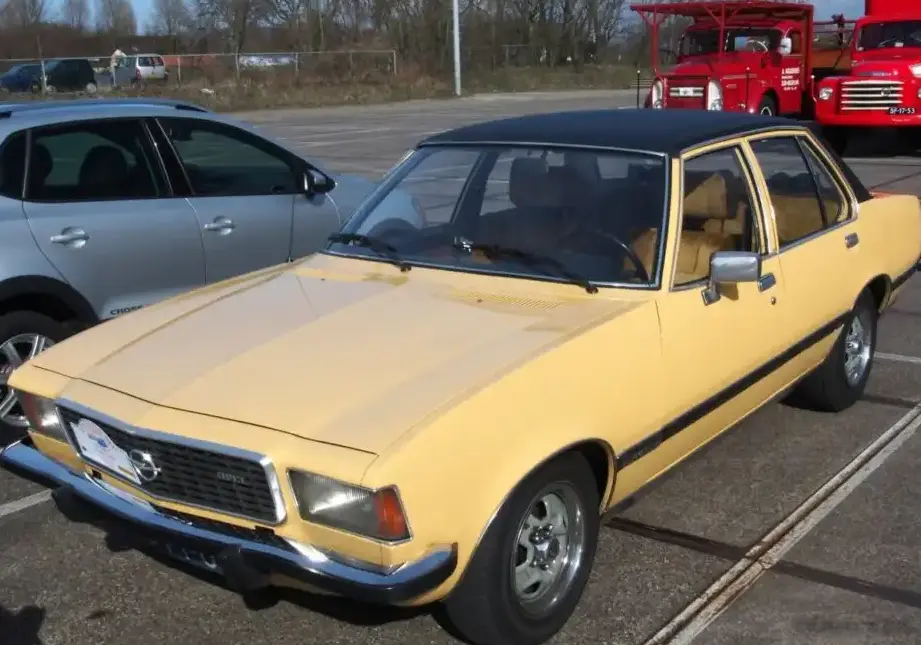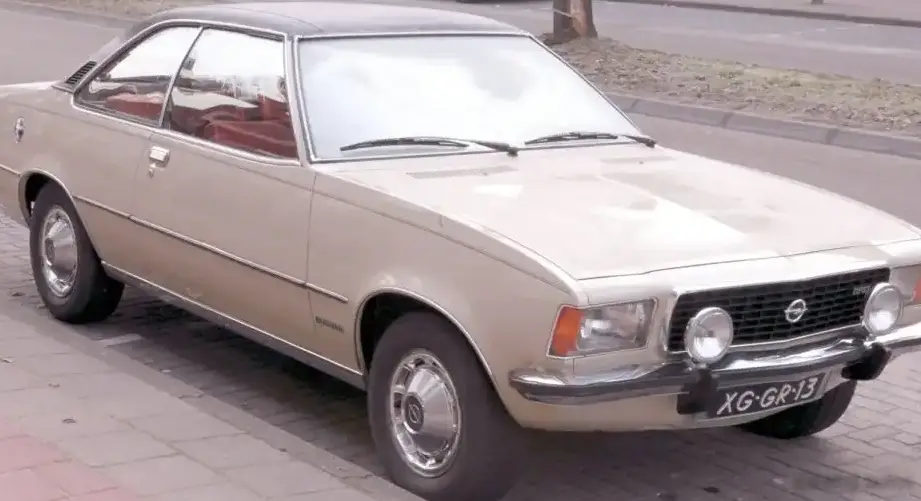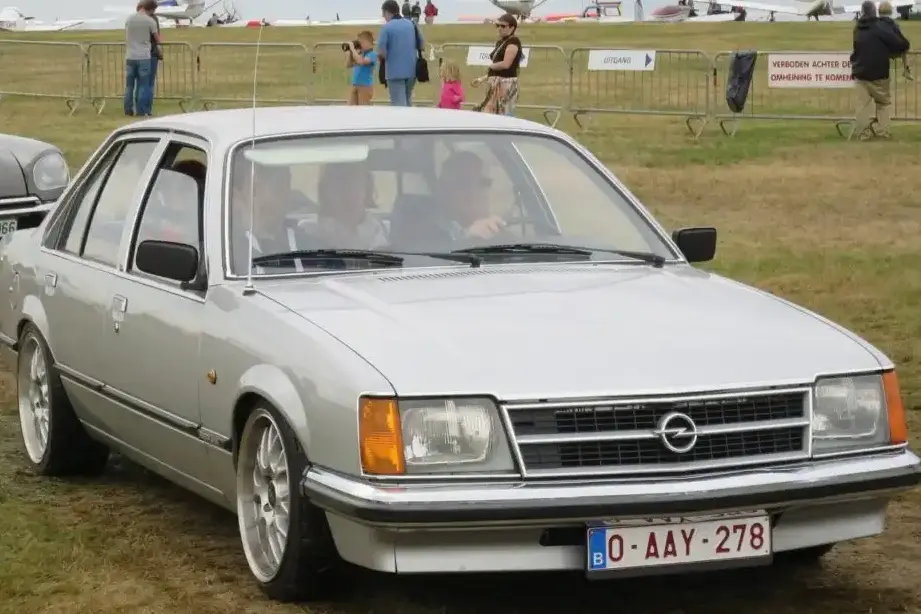
The Opel Commodore C 2.5 S, produced between 1978 and 1982, represented a mid-cycle update to the Commodore C series, which itself was a significant evolution of Opel’s large family car lineage. This variant, powered by a 2.5-liter inline-six engine producing 115 horsepower, occupied a middle ground within the Commodore C range, offering a balance between performance and affordability. It was primarily marketed in Europe, particularly Germany, as a comfortable and spacious family saloon, competing with vehicles like the Ford Granada and Volvo 240. The Commodore C series, and the 2.5 S specifically, aimed to provide a more refined and modern alternative to earlier Commodore models, incorporating updated styling and improved mechanical components.
Technical Specifications
| Brand | Opel |
| Model | Commodore |
| Generation | Commodore C |
| Type (Engine) | 2.5 S (115 Hp) |
| Start of production | 1978 |
| End of production | 1982 |
| Powertrain Architecture | Internal Combustion engine |
| Body type | Sedan |
| Seats | 5 |
| Doors | 2-4 |
| Fuel consumption (combined) | 11.4 l/100 km |
| Fuel consumption (US mpg) | 20.6 US mpg |
| Fuel consumption (UK mpg) | 24.8 UK mpg |
| Fuel consumption (km/l) | 8.8 km/l |
| Fuel Type | Petrol (Gasoline) |
| Acceleration 0 – 100 km/h | 11.5 sec |
| Acceleration 0 – 62 mph | 11.5 sec |
| Acceleration 0 – 60 mph | 10.9 sec |
| Maximum speed | 180 km/h (111.85 mph) |
| Weight-to-power ratio | 10.4 kg/Hp |
| Weight-to-torque ratio | 6.5 kg/Nm |
| Power | 115 Hp @ 5200 rpm |
| Power per litre | 46.2 Hp/l |
| Torque | 185 Nm @ 4600 rpm (136.45 lb.-ft. @ 4600 rpm) |
| Engine Model/Code | 25S |
| Engine displacement | 2490 cm3 (151.95 cu. in.) |
| Number of cylinders | 6 |
| Engine configuration | Inline |
| Cylinder Bore | 87 mm (3.43 in.) |
| Piston Stroke | 69.8 mm (2.75 in.) |
| Compression ratio | 9.2:1 |
| Number of valves per cylinder | 2 |
| Fuel injection system | Carburettor |
| Engine aspiration | Naturally aspirated |
| Valvetrain | SOHC |
| Engine oil capacity | 5.5 l (5.81 US qt | 4.84 UK qt) |
| Kerb Weight | 1200 kg (2645.55 lbs.) |
| Max. weight | 1740 kg (3836.04 lbs.) |
| Max load | 540 kg (1190.5 lbs.) |
| Trunk (boot) space – minimum | 630 l (22.25 cu. ft.) |
| Fuel tank capacity | 70 l (18.49 US gal | 15.4 UK gal) |
| Permitted trailer load with brakes (12%) | 1600 kg (3527.4 lbs.) |
| Permitted trailer load without brakes | 630 kg (1388.91 lbs.) |
| Length | 4705 mm (185.24 in.) |
| Width | 1730 mm (68.11 in.) |
| Height | 1410 mm (55.51 in.) |
| Wheelbase | 2668 mm (105.04 in.) |
| Front track | 1443 mm (56.81 in.) |
| Rear (Back) track | 1424 mm (56.06 in.) |
| Ride height (ground clearance) | 140 mm (5.51 in.) |
| Drag coefficient (Cd) | 0.45 |
| Minimum turning circle | 11.5 m (37.73 ft.) |
| Drivetrain Architecture | Rear wheel drive |
| Number of gears | 4 |
| Type of gearbox | Manual transmission |
| Front brakes | Ventilated discs |
| Rear brakes | Drum |
| Tires size | 175/88 R14 |
| Wheel rims size | 6J x 14 |
Powertrain & Engine Architecture
The heart of the Commodore C 2.5 S was the 25S engine, a 2.5-liter (2490 cc) inline-six cylinder powerplant. This engine utilized a single overhead camshaft (SOHC) valvetrain with two valves per cylinder. Fuel delivery was managed by a carburetor, a common setup for the era, though less efficient than fuel injection. The engine produced 115 horsepower at 5200 rpm and 185 Nm (136.45 lb-ft) of torque at 4600 rpm. The engine’s design prioritized smooth operation and reasonable power output over outright performance. The 25S engine was known for its durability, but its carbureted fuel system required periodic adjustment and maintenance. The Commodore C 2.5 S was equipped with a four-speed manual transmission as standard. This transmission was designed to provide comfortable cruising at highway speeds while still offering adequate acceleration. The gear ratios were relatively long, favoring fuel economy and reducing engine noise at higher speeds.
Driving Characteristics
The 2.5 S variant offered a comfortable, if not particularly sporty, driving experience. Acceleration from 0 to 60 mph took around 10.9 seconds, and the car had a top speed of 180 km/h (111.85 mph). Compared to the more powerful Commodore GS/E models, the 2.5 S felt noticeably slower, especially during overtaking maneuvers. However, the 2.5 S’s relaxed power delivery and comfortable suspension made it well-suited for long-distance cruising. The manual transmission, while not particularly precise, was durable and easy to operate. The rear-wheel-drive layout provided predictable handling, but the car was prone to oversteer if pushed hard in corners. The relatively soft suspension absorbed bumps and imperfections in the road well, contributing to a comfortable ride.
Equipment & Trim Levels
The Commodore C 2.5 S typically came equipped with a reasonable level of standard features for its time. These included cloth upholstery, a basic radio, and manual windows. Optional extras included a sunroof, upgraded audio systems, and power windows. The interior design was functional and straightforward, with a focus on practicality rather than luxury. The dashboard featured a simple instrument cluster with a speedometer, fuel gauge, and temperature gauge. The 2.5 S trim level generally represented a mid-range offering, positioned above the base Commodore models but below the more luxurious and performance-oriented GS/E variants.
Chassis & Braking
The Commodore C 2.5 S utilized a traditional body-on-frame construction, which contributed to its robust build quality. The front suspension consisted of independent double wishbones, while the rear suspension employed a live axle with leaf springs. This setup provided a comfortable ride but wasn’t particularly sophisticated in terms of handling. The braking system featured ventilated disc brakes at the front and drum brakes at the rear. While adequate for normal driving conditions, the braking performance wasn’t as strong as that of more modern cars. The car rode on 175/88 R14 tires, which provided reasonable grip and durability.
Market Reception & Comparison
The Commodore C 2.5 S was generally well-received by automotive critics as a practical and comfortable family car. However, its performance was often criticized as being underwhelming, especially compared to its more powerful siblings. Fuel economy was also a concern, with the 2.5-liter engine consuming around 11.4 l/100 km. Compared to the Commodore GS/E, the 2.5 S offered a more affordable entry point into the Commodore range, but at the expense of performance and refinement. The 2.5 S was also often compared to the Ford Granada and Volvo 240, both of which offered similar levels of comfort and practicality.
Legacy
The Opel Commodore C 2.5 S, while not a particularly groundbreaking vehicle, remains a popular classic car among enthusiasts. The 25S engine is known for its durability and relative simplicity, making it relatively easy to maintain. However, finding parts can be challenging, as the car is now over 40 years old. Today, well-maintained examples of the Commodore C 2.5 S are sought after by collectors and enthusiasts who appreciate its classic styling and comfortable driving experience. The car represents a significant chapter in Opel’s history and a reminder of a time when large, comfortable saloons were the norm.