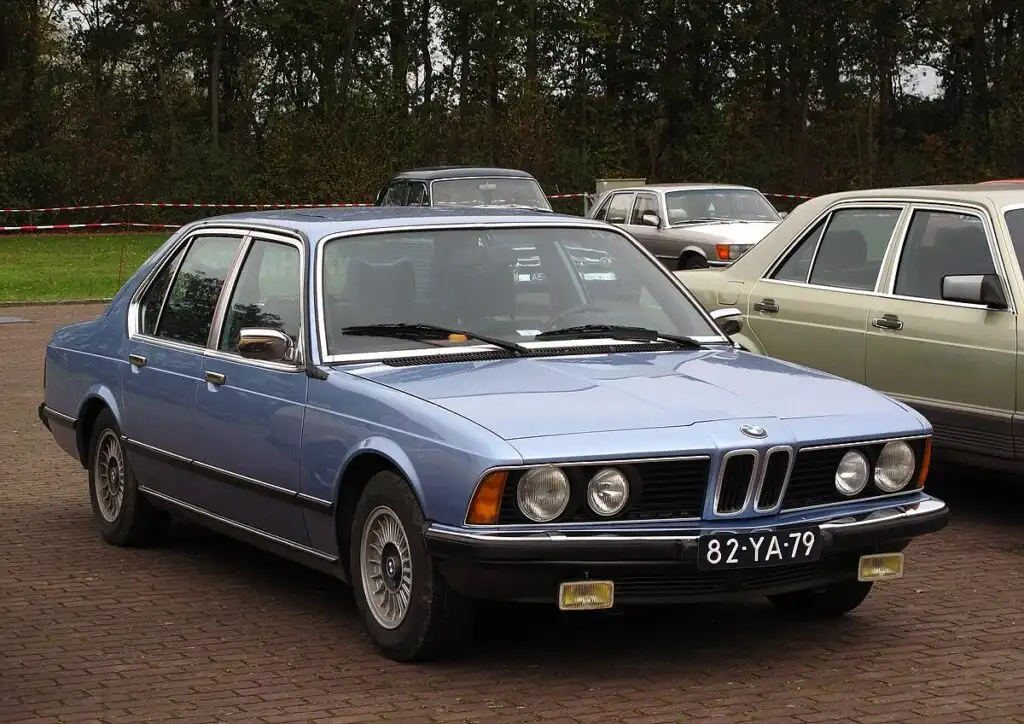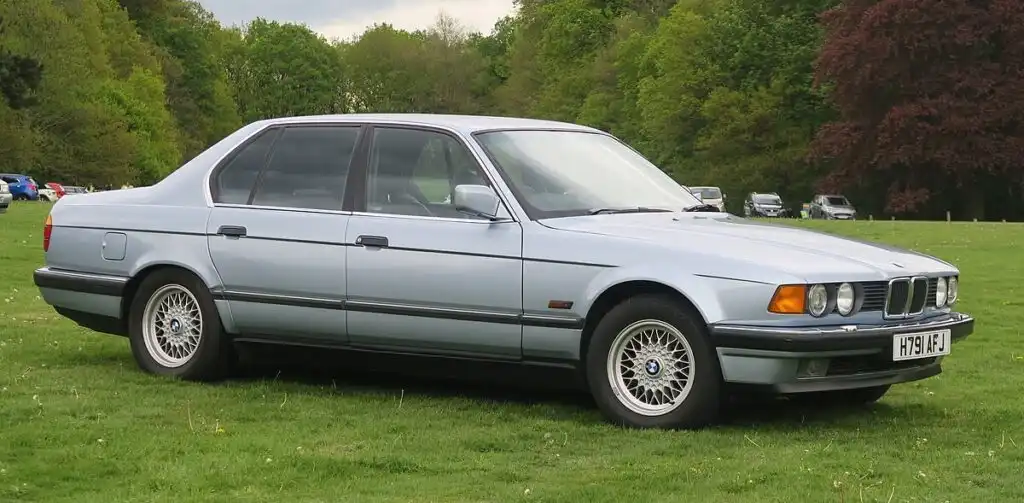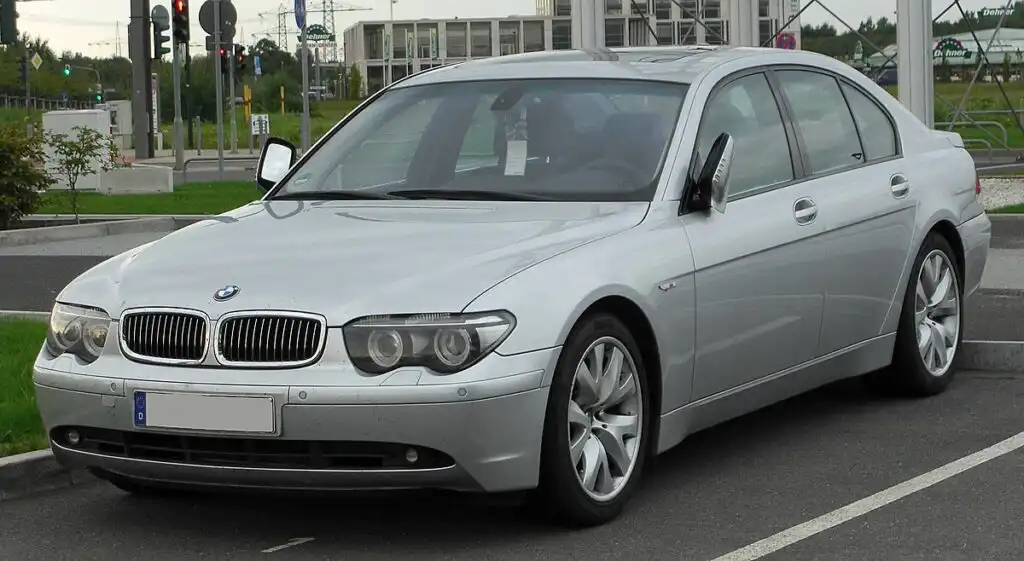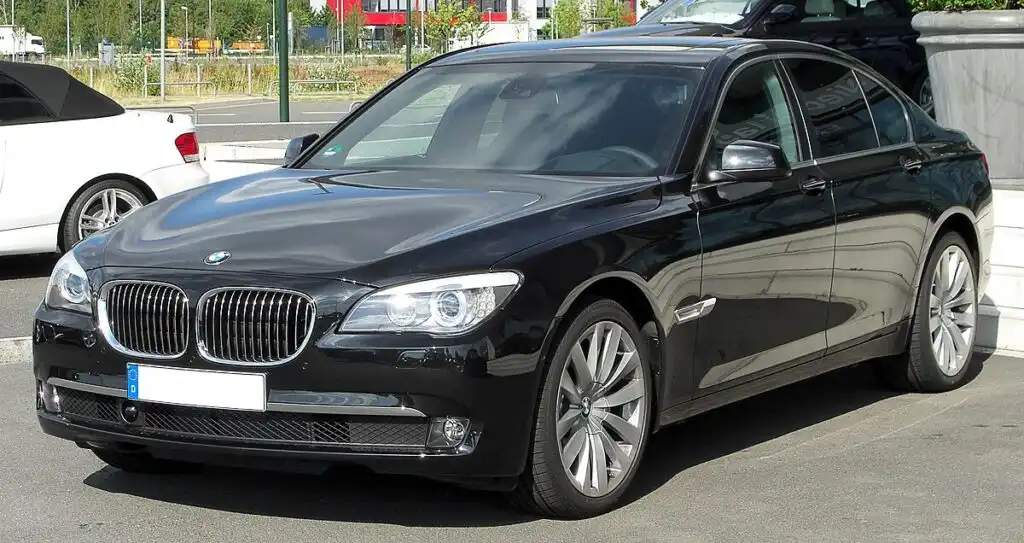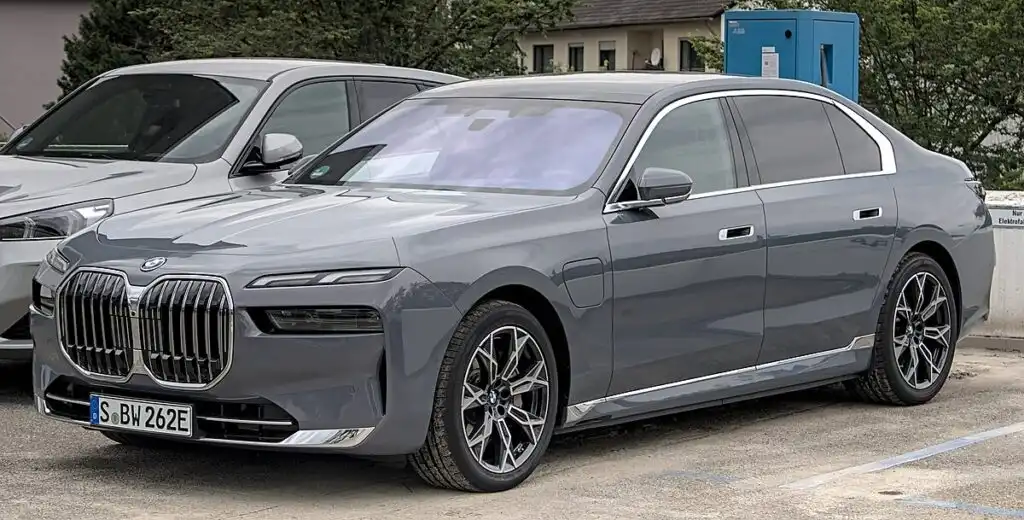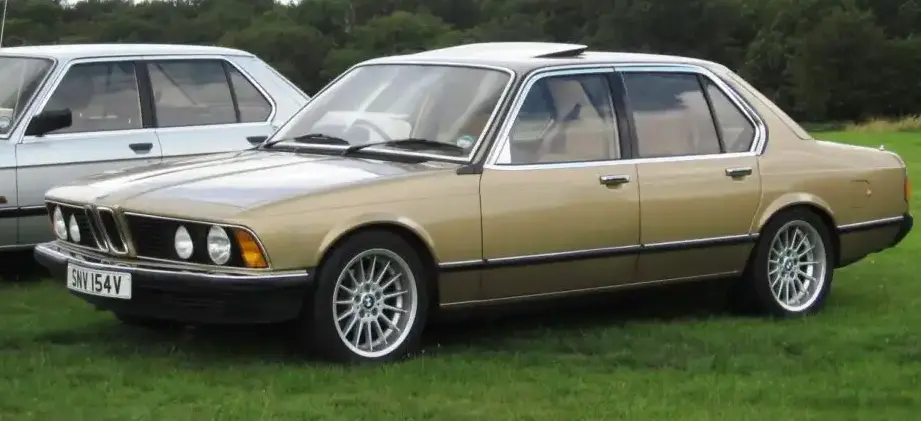
The BMW 728, produced between 1977 and 1979, represents the entry point into the first generation (E23) of the BMW 7 Series. Positioned as a more accessible luxury sedan, the 728 offered a blend of BMW’s renowned driving dynamics and a comfortable, well-appointed interior, albeit with a slightly less powerful engine than its larger displacement siblings. It served as a crucial model in establishing the 7 Series as a competitor to established luxury cars from Mercedes-Benz and Jaguar, particularly in European markets. This variant was primarily aimed at buyers who desired the prestige of a 7 Series but prioritized fuel efficiency and a lower purchase price.
Technical Specifications
| Brand | BMW |
| Model | 7 Series |
| Generation | 7 Series (E23) |
| Type (Engine) | 728 (170 Hp) |
| Start of production | 1977 |
| End of production | 1979 |
| Powertrain Architecture | Internal Combustion engine |
| Body type | Sedan |
| Seats | 5 |
| Doors | 4 |
| Fuel Type | Petrol (Gasoline) |
| Acceleration 0 – 100 km/h | 10.1 sec |
| Acceleration 0 – 62 mph | 10.1 sec |
| Acceleration 0 – 60 mph | 9.6 sec |
| Maximum speed | 192 km/h (119.3 mph) |
| Weight-to-power ratio | 9 kg/Hp, 111.1 Hp/tonne |
| Weight-to-torque ratio | 6.6 kg/Nm, 152.3 Nm/tonne |
| Power | 170 Hp @ 5800 rpm |
| Power per litre | 61 Hp/l |
| Torque | 233 Nm @ 4000 rpm (171.85 lb.-ft. @ 4000 rpm) |
| Engine layout | Front, Longitudinal |
| Engine Model/Code | 286VZ1 |
| Engine displacement | 2788 cm3 (170.13 cu. in.) |
| Number of cylinders | 6 |
| Engine configuration | Inline |
| Cylinder Bore | 86 mm (3.39 in.) |
| Piston Stroke | 80 mm (3.15 in.) |
| Compression ratio | 9:1 |
| Number of valves per cylinder | 2 |
| Fuel injection system | Multi-port manifold injection |
| Engine aspiration | Naturally aspirated engine |
| Valvetrain | SOHC |
| Engine oil capacity | 5.8 l (6.13 US qt | 5.1 UK qt) |
| Coolant | 12 l (12.68 US qt | 10.56 UK qt) |
| Kerb Weight | 1530 kg (3373.07 lbs.) |
| Max. weight | 2000 kg (4409.25 lbs.) |
| Max load | 470 kg (1036.17 lbs.) |
| Fuel tank capacity | 90 l (23.78 US gal | 19.8 UK gal) |
| Length | 4860 mm (191.34 in.) |
| Width | 1800 mm (70.87 in.) |
| Height | 1430 mm (56.3 in.) |
| Wheelbase | 2795 mm (110.04 in.) |
| Front track | 1502 mm (59.13 in.) |
| Rear (Back) track | 1524 mm (60 in.) |
| Ride height (ground clearance) | 132 mm (5.2 in.) |
| Drivetrain Architecture | The Internal combustion engine (ICE) drives the rear wheels of the vehicle. |
| Drive wheel | Rear wheel drive |
| Number of gears and type of gearbox | 5 gears, manual transmission |
| Front suspension | Independent, type McPherson with coil spring and anti-roll bar |
| Rear suspension | Independent coil spring |
| Front brakes | Ventilated discs |
| Rear brakes | Disc |
| Tires size | 195/70 R14 |
| Wheel rims size | 6.0J x 14 |
Powertrain & Engine Architecture
The heart of the 728 is the M286 engine, a 2.8-liter inline-six cylinder powerplant. Designated as the 286VZ1, this engine featured a single overhead camshaft (SOHC) valvetrain operating two valves per cylinder. It utilized Bosch K-Jetronic multi-port fuel injection, a sophisticated system for its time, contributing to improved fuel efficiency and smoother power delivery compared to carbureted engines. The engine produced 170 horsepower at 5800 rpm and 233 Nm (171.85 lb-ft) of torque at 4000 rpm. The engine’s longitudinal mounting and rear-wheel drive configuration were standard for BMW at the time, emphasizing a balanced chassis and engaging driving experience. The 728 was exclusively offered with a 5-speed manual transmission, providing drivers with full control over the engine’s powerband.
Driving Characteristics
The 728, while not the fastest of the E23 models, offered a refined and enjoyable driving experience. The 5-speed manual transmission allowed drivers to exploit the engine’s torque, providing adequate acceleration for everyday driving. The 0-60 mph time of around 9.6 seconds was respectable for the late 1970s, but noticeably slower than the 733i or 745i. The car’s relatively lighter weight compared to its larger-engined counterparts contributed to a more nimble feel, particularly on winding roads. The suspension, featuring McPherson struts in the front and independent coil springs in the rear, provided a comfortable ride without sacrificing handling precision. The gear ratios were tuned for a balance between acceleration and fuel economy, making it a suitable choice for long-distance cruising.
Equipment & Trim Levels
The 728, as the entry-level 7 Series, came standard with a respectable array of features for a luxury car of its era. Interior appointments included cloth upholstery, although leather was available as an option. Standard equipment included power-assisted steering, four-wheel disc brakes, and a basic AM/FM radio. Optional extras included air conditioning, a sunroof, power windows, and upgraded sound systems. The dashboard layout was functional and driver-focused, with clearly marked gauges and controls. While not as lavishly equipped as the higher-end models, the 728 offered a comfortable and well-appointed interior that met the expectations of luxury car buyers.
Chassis & Braking
The E23 7 Series chassis was a robust and well-engineered platform. The 728 utilized ventilated disc brakes on the front wheels and solid discs on the rear, providing adequate stopping power for its weight and performance. The suspension system, as mentioned previously, consisted of McPherson struts in the front and independent coil springs in the rear. A stabilizer bar was fitted to both the front and rear axles to reduce body roll during cornering. The car’s relatively low ride height and well-tuned suspension contributed to its stable and predictable handling characteristics. The 728’s weight distribution was carefully balanced, further enhancing its driving dynamics.
Market Reception & Comparison
The 728 was generally well-received by automotive critics, who praised its comfortable ride, refined handling, and fuel efficiency. However, some reviewers noted that its engine lacked the outright power of its larger displacement siblings. Compared to the 733i and 745i, the 728 offered a more affordable entry point into the 7 Series range, but at the expense of performance. The 733i, with its 3.3-liter engine, provided a noticeable increase in power and acceleration, while the 745i, with its 3.4-liter engine, offered the highest level of performance in the E23 lineup. In terms of reliability, the 728’s smaller engine was generally considered to be more durable and less prone to issues than the larger, more complex engines found in the higher-end models.
Legacy
The BMW E23 728 holds a significant place in BMW’s history as the first generation of the 7 Series. While not as sought after as the higher-performance models, the 728 remains a desirable classic car for enthusiasts who appreciate its understated elegance and refined driving experience. The M286 engine, while not a high-strung performance unit, is known for its durability and relatively simple maintenance requirements. Today, well-maintained examples of the 728 are becoming increasingly rare and valuable, appealing to collectors and enthusiasts who seek a classic BMW sedan that offers a blend of luxury, performance, and reliability. The 728 laid the foundation for the 7 Series’ reputation as a technologically advanced and driver-focused luxury car.