Technical Specifications
| Brand | Ford |
| Model | S-MAX |
| Generation | S-MAX (facelift 2010) |
| Type (Engine) | 2.2 Duratorq TDCi (200 Hp) Automatic |
| Start of production | 2010 |
| End of production | 2014 |
| Powertrain Architecture | Internal Combustion engine |
| Body type | MPV |
| Seats | 7 |
| Doors | 5 |
| Fuel consumption (urban) | 9.4 l/100 km (25 US mpg, 30.1 UK mpg, 10.6 km/l) |
| Fuel consumption (extra urban) | 5.8 l/100 km (40.6 US mpg, 48.7 UK mpg, 17.2 km/l) |
| Fuel consumption (combined) | 7.1 l/100 km (33.1 US mpg, 39.8 UK mpg, 14.1 km/l) |
| Fuel Type | Diesel |
| Acceleration 0 – 100 km/h | 8.9 sec |
| Acceleration 0 – 62 mph | 8.9 sec |
| Acceleration 0 – 60 mph | 8.5 sec |
| Maximum speed | 212 km/h (131.73 mph) |
| Emission standard | Euro 5 |
| Weight-to-power ratio | 8.7 kg/Hp, 115.4 Hp/tonne |
| Power | 200 Hp |
| Engine layout | Front, Transverse |
| Engine Model/Code | KNWA |
| Engine configuration | Inline |
| Fuel injection system | Diesel Commonrail |
| Engine aspiration | Turbocharger, Intercooler |
| Engine oil capacity | 6 l (6.34 US qt, 5.28 UK qt) |
| Coolant capacity | 8.4 l (8.88 US qt, 7.39 UK qt) |
| Kerb Weight | 1733 kg (3820.61 lbs) |
| Max. weight | 2505 kg (5522.58 lbs) |
| Max load | 772 kg (1701.97 lbs) |
| Trunk (boot) space – minimum | 285 l (10.06 cu. ft.) |
| Trunk (boot) space – maximum | 2000 l (70.63 cu. ft.) |
| Fuel tank capacity | 70 l (18.49 US gal, 15.4 UK gal) |
| Length | 4903 mm (193.03 in) |
| Width | 2154 mm (84.8 in) |
| Height | 1660 mm (65.35 in) |
| Minimum turning circle | 11.9 m (39.04 ft) |
| Drivetrain Architecture | Front wheel drive |
| Number of gears | 6 |
| Gearbox type | Automatic transmission |
| Assisting systems | ABS (Anti-lock braking system) |
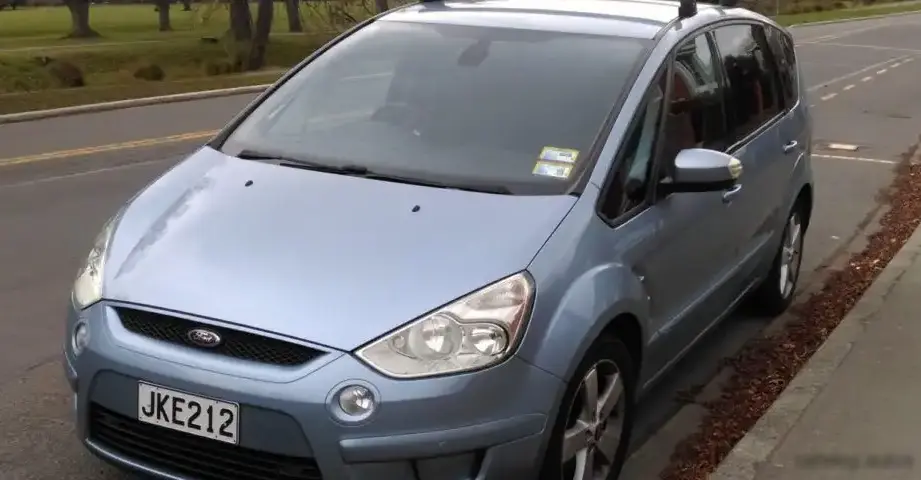
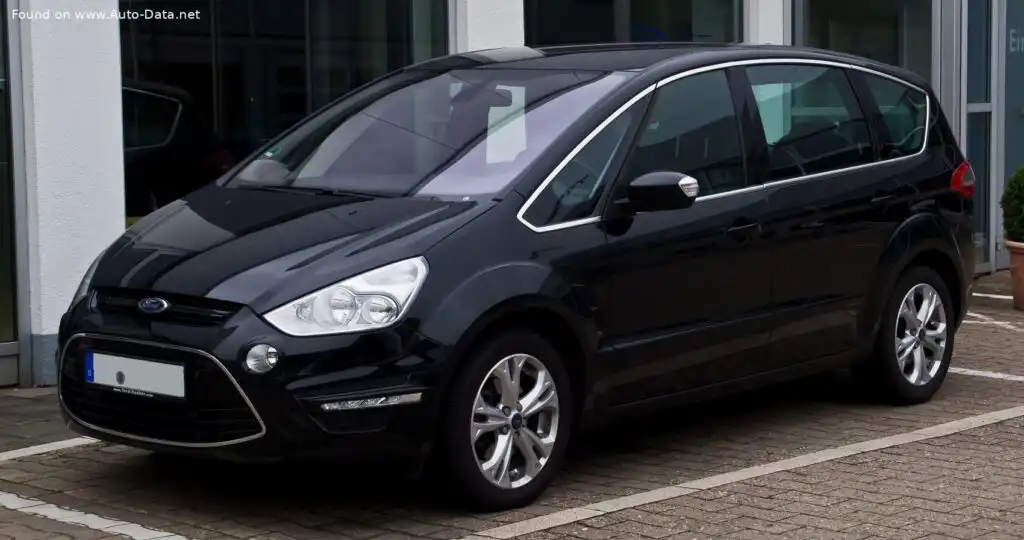
The Ford S-MAX, particularly the facelifted version introduced in 2010, represented Ford’s entry into the multi-purpose vehicle (MPV) segment. Positioned as a sportier alternative to more conventional people carriers, the S-MAX aimed to appeal to active families. The 2.2 Duratorq TDCi 200 horsepower automatic variant, produced from 2010 to 2014, occupied a mid-to-upper position within the S-MAX lineup, offering a balance of performance, practicality, and comfort. It was a key offering in the European market, where MPVs remained highly sought after, and saw limited sales in North America. The S-MAX, built on the Ford C1 platform (also known as the 1HX0/A3 platform in some contexts), sought to redefine the MPV experience with its more dynamic handling and stylish design.
Powertrain & Engine Architecture
The heart of this S-MAX variant is the 2.2-liter Duratorq TDCi diesel engine, bearing the engine code KNWA. This engine is a four-cylinder, inline configuration, utilizing a common-rail direct fuel injection system. The common-rail system, operating at very high pressures, allows for precise fuel metering and optimized combustion, contributing to both power and efficiency. A turbocharger with an intercooler is employed to further enhance performance by forcing more air into the cylinders. The intercooler cools the compressed air, increasing its density and further improving combustion. The engine features four valves per cylinder (DOHC – Double Overhead Camshaft) for improved breathing and power delivery. Paired with the engine is a six-speed automatic transmission, designed to provide smooth and convenient gear changes. This transmission isn’t a dual-clutch unit, but a traditional torque-converter automatic, prioritizing comfort over outright speed. The transmission utilizes a conventional hydraulic control system, offering a smooth, if not always lightning-fast, shifting experience.
Driving Characteristics
The 200 horsepower and 325 lb-ft of torque produced by the 2.2 Duratorq engine provide adequate performance for the S-MAX. Acceleration from 0-60 mph in around 8.5 seconds is respectable for a seven-seat MPV. However, it’s noticeably slower than the higher-output 2.0-liter EcoBoost petrol variants or even the earlier 2.5-liter petrol engines. The automatic transmission, while smooth, can feel somewhat hesitant during quick overtaking maneuvers, requiring a kickdown to access the engine’s full potential. Compared to the six-speed manual transmission available on other S-MAX models, the automatic offers less driver engagement but greater ease of use, particularly in urban traffic. The gear ratios are tuned for a balance of fuel economy and drivability, prioritizing mid-range torque over high-revving performance. The S-MAX’s weight, exceeding 3800 pounds, is always felt, but the engine provides enough power to make it a capable long-distance cruiser. The steering, while not overly sporty, provides adequate feedback and precision for confident handling.
Equipment & Trim Levels
The 2.2 Duratorq TDCi 200 Automatic typically came equipped with a generous level of standard features. These included air conditioning, alloy wheels, front and rear electric windows, a CD/radio system with auxiliary input, and ABS brakes. Higher trim levels, such as Titanium, added features like leather upholstery, a panoramic sunroof, rear parking sensors, and a more advanced infotainment system. Optional extras included navigation, heated front seats, and a premium sound system. Interior upholstery was generally cloth on lower trims, upgrading to leather on the higher-spec models. The dashboard layout was functional and well-designed, with a focus on ergonomics. The S-MAX’s flexible seating arrangement, with individual seats in the second and third rows, was a key selling point, allowing for a variety of configurations to maximize passenger and cargo space.
Chassis & Braking
The S-MAX utilizes a front-wheel-drive platform with independent suspension at the front (MacPherson struts) and a multi-link suspension at the rear. This setup provides a good balance of ride comfort and handling. The 2.2 TDCi models generally featured disc brakes on all four wheels, providing adequate stopping power. ABS (Anti-lock Braking System) was standard. Stabilizer bars were fitted to both the front and rear axles to reduce body roll during cornering. The suspension tuning was slightly firmer than some other MPVs, contributing to the S-MAX’s more dynamic driving experience. The steering is a rack and pinion system, providing precise and responsive control. Rear suspension geometry was carefully tuned to manage the vehicle’s weight and provide a comfortable ride even when fully loaded.
Market Reception & Comparison
The 2.2 Duratorq TDCi 200 Automatic S-MAX received generally positive reviews from automotive critics. It was praised for its spacious interior, comfortable ride, and decent performance. However, some reviewers noted that the automatic transmission could feel sluggish at times, and the engine wasn’t as refined as some of its competitors. Compared to the petrol-powered S-MAX variants, the diesel offered significantly better fuel economy, making it a popular choice for high-mileage drivers. The 2.2 TDCi also proved to be more reliable than some of the earlier petrol engines. Against rivals like the Volkswagen Sharan and the Citroën C4 Picasso, the S-MAX stood out for its more engaging driving dynamics and stylish design. The S-MAX offered a more premium feel than many of its competitors, justifying its slightly higher price point.
Legacy
The 2.2 Duratorq TDCi engine, in various iterations, proved to be a robust and reliable unit. While not without its potential issues (such as diesel particulate filter problems if not properly maintained), it generally offered good longevity. In the used car market, the 2.2 TDCi S-MAX remains a popular choice, offering a good balance of practicality, affordability, and running costs. However, potential buyers should be aware of the importance of regular maintenance, particularly regarding the diesel particulate filter and the dual-mass flywheel. The S-MAX, as a whole, established Ford as a serious contender in the MPV segment, and the 2.2 Duratorq TDCi 200 Automatic variant played a significant role in its success. The combination of space, practicality, and a reasonably efficient diesel engine continues to make it an appealing option for families seeking a versatile vehicle.