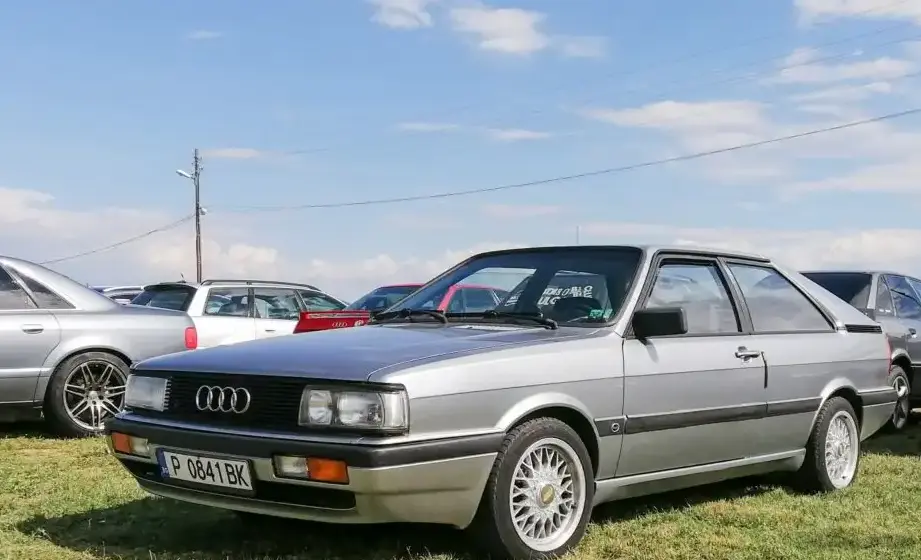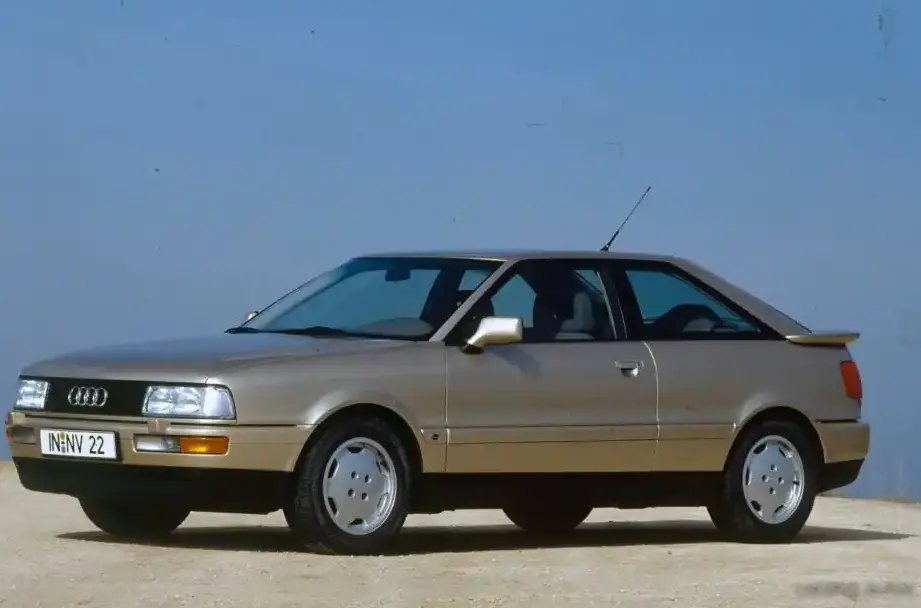
The Audi Coupe (B3), produced between 1988 and 1990, represented a significant evolution in Audi’s coupe lineage. This generation, internally designated the B3, built upon the success of its predecessor while introducing a more refined design and improved technology. The 2.3-liter quattro CAT variant, equipped with a five-speed manual transmission, occupied a sweet spot in the lineup, offering a compelling blend of performance, practicality, and all-weather capability. It was positioned as a step up from the base 1.8-liter models, appealing to buyers seeking more power and the added security of Audi’s renowned quattro all-wheel-drive system.
Technical Specifications
| Brand | Audi |
| Model | Coupe |
| Generation | Coupe (B3 89) |
| Type (Engine) | 2.3 (136 Hp) quattro CAT |
| Start of production | 1988 |
| End of production | 1990 |
| Powertrain Architecture | Internal Combustion engine |
| Body type | Coupe |
| Seats | 5 |
| Doors | 2 |
| Fuel consumption (combined) | 9.4 l/100 km (25 US mpg, 30.1 UK mpg, 10.6 km/l) |
| Fuel Type | Petrol (Gasoline) |
| Acceleration 0 – 100 km/h | 9.2 sec |
| Acceleration 0 – 62 mph | 9.2 sec |
| Acceleration 0 – 60 mph | 8.7 sec |
| Maximum speed | 206 km/h (128 mph) |
| Weight-to-power ratio | 9.4 kg/Hp, 106.3 Hp/tonne |
| Weight-to-torque ratio | 6.7 kg/Nm, 148.4 Nm/tonne |
| Power | 136 Hp @ 5700 rpm |
| Power per litre | 58.9 Hp/l |
| Torque | 190 Nm @ 4500 rpm (140.14 lb.-ft. @ 4500 rpm) |
| Engine layout | Front, Longitudinal |
| Engine Model/Code | NG |
| Engine displacement | 2309 cm3 (140.9 cu. in.) |
| Number of cylinders | 5 |
| Engine configuration | Inline |
| Cylinder Bore | 82.5 mm (3.25 in.) |
| Piston Stroke | 86.4 mm (3.4 in.) |
| Compression ratio | 10:1 |
| Number of valves per cylinder | 2 |
| Fuel injection system | Multi-port manifold injection |
| Engine aspiration | Naturally aspirated engine |
| Valvetrain | OHC |
| Engine oil capacity | 4 l (4.23 US qt | 3.52 UK qt) |
| Coolant | 8 l (8.45 US qt | 7.04 UK qt) |
| Kerb Weight | 1280 kg (2821.92 lbs.) |
| Max. weight | 1740 kg (3836.04 lbs.) |
| Max load | 460 kg (1014.13 lbs.) |
| Trunk (boot) space – minimum | 227 l (8.02 cu. ft.) |
| Trunk (boot) space – maximum | 907 l (32.03 cu. ft.) |
| Fuel tank capacity | 75 l (19.81 US gal | 16.5 UK gal) |
| Length | 4366 mm (171.89 in.) |
| Width | 1716 mm (67.56 in.) |
| Height | 1365 mm (53.74 in.) |
| Wheelbase | 2549 mm (100.35 in.) |
| Front track | 1453 mm (57.2 in.) |
| Rear (Back) track | 1437 mm (56.57 in.) |
| Drag coefficient (Cd) | 0.32 |
| Minimum turning circle | 11.1 m (36.42 ft.) |
| Drive wheel | All wheel drive (4×4) |
| Number of gears | 5 gears, manual transmission |
Powertrain & Engine Architecture
The heart of the 2.3 quattro CAT was the NG engine, a naturally aspirated, inline five-cylinder powerplant. This engine was a hallmark of Audi’s engineering prowess during the late 1980s. The ‘CAT’ designation indicated the presence of a catalytic converter, reflecting growing environmental concerns and emissions regulations. The engine utilized multi-port fuel injection, a significant advancement over earlier carbureted systems, contributing to improved fuel efficiency and smoother power delivery. The single overhead camshaft (OHC) design operated two valves per cylinder. The inline-five configuration offered a unique exhaust note and a relatively balanced operation. The 2309cc displacement, combined with a 10:1 compression ratio, allowed for a respectable 136 horsepower at 5700 rpm and 190 Nm (140 lb-ft) of torque at 4500 rpm. The five-speed manual transmission provided precise gear changes and allowed drivers to fully exploit the engine’s power band.
Driving Characteristics
The 2.3 quattro offered a noticeably more engaging driving experience than the base 1.8-liter models. The additional displacement and power translated into quicker acceleration – approximately 9.2 seconds to 62 mph – and a more confident feel during highway overtaking. The quattro all-wheel-drive system provided exceptional traction, particularly in inclement weather, making the Coupe a capable year-round vehicle. The manual transmission’s gear ratios were well-matched to the engine’s characteristics, providing ample torque in everyday driving situations. While not a sports car in the modern sense, the 2.3 quattro offered a balanced and enjoyable driving experience, combining performance with comfort and practicality.
Equipment & Trim Levels
The 2.3 quattro CAT typically came well-equipped for its time. Standard features included power windows, central locking, and a basic stereo system. The interior featured comfortable cloth upholstery, and the dashboard layout was functional and driver-focused. Optional extras included a sunroof, upgraded stereo systems, leather upholstery, and alloy wheels. The level of equipment varied depending on the specific market and individual customer preferences. The 2.3 quattro often served as a base for further customization, allowing buyers to tailor the car to their specific needs and tastes.
Chassis & Braking
The B3 Audi Coupe featured an independent suspension system, with McPherson struts at the front and a double wishbone setup at the rear. This configuration provided a comfortable ride and good handling characteristics. The 2.3 quattro models typically featured larger brakes than the base models, with ventilated discs at the front and discs at the rear, providing adequate stopping power. A stabilizer bar was fitted to both the front and rear axles to reduce body roll during cornering. The chassis was designed to accommodate the added weight of the all-wheel-drive system and the more powerful engine.
Market Reception & Comparison
The Audi Coupe B3 2.3 quattro CAT was generally well-received by automotive critics. It was praised for its performance, handling, and all-weather capability. Compared to the 1.8-liter models, the 2.3 offered a significant performance upgrade, while remaining relatively fuel-efficient for its class. The quattro system was a major selling point, setting it apart from many of its competitors. However, some critics noted that the interior, while functional, lacked the luxury of some other European coupes. Compared to the later 2.3 16V models, the 2.3 CAT offered a more accessible price point, making it a popular choice for buyers seeking a balance of performance and value.
Legacy
The Audi Coupe B3 2.3 quattro CAT remains a sought-after classic among Audi enthusiasts. The NG engine, while not without its quirks, is generally considered to be a reliable powerplant when properly maintained. The quattro all-wheel-drive system continues to be a hallmark of Audi’s engineering expertise. Today, well-maintained examples of the 2.3 quattro CAT are becoming increasingly rare and valuable. The car represents a significant chapter in Audi’s history, showcasing the brand’s commitment to innovation, performance, and all-weather capability. Its blend of classic styling, robust engineering, and engaging driving dynamics ensures its continued appeal to collectors and enthusiasts alike.