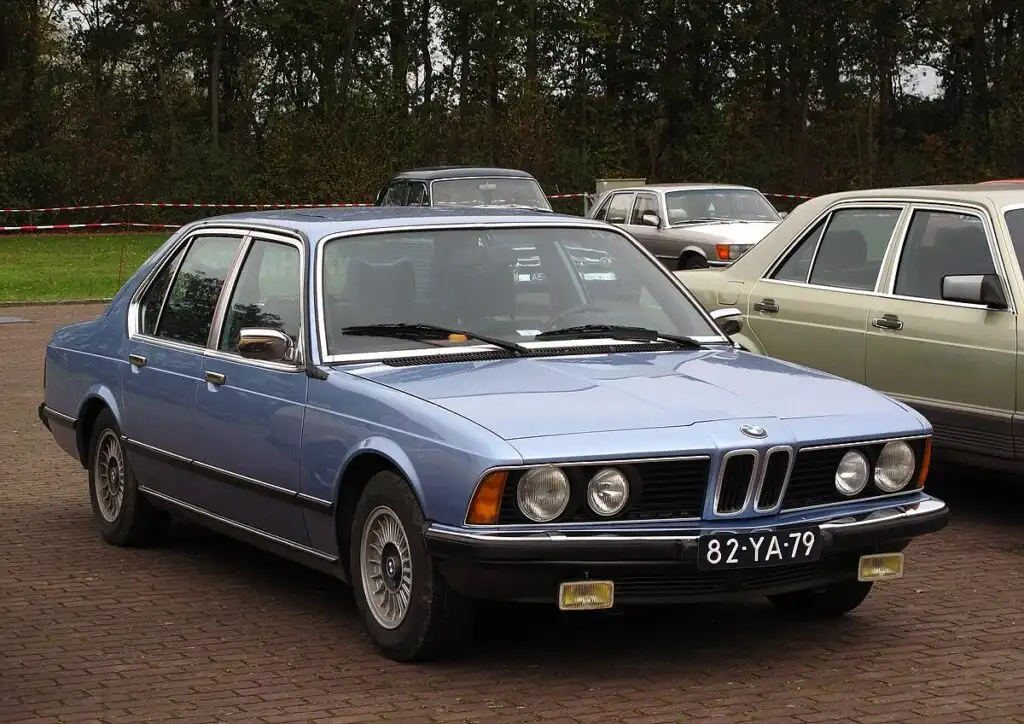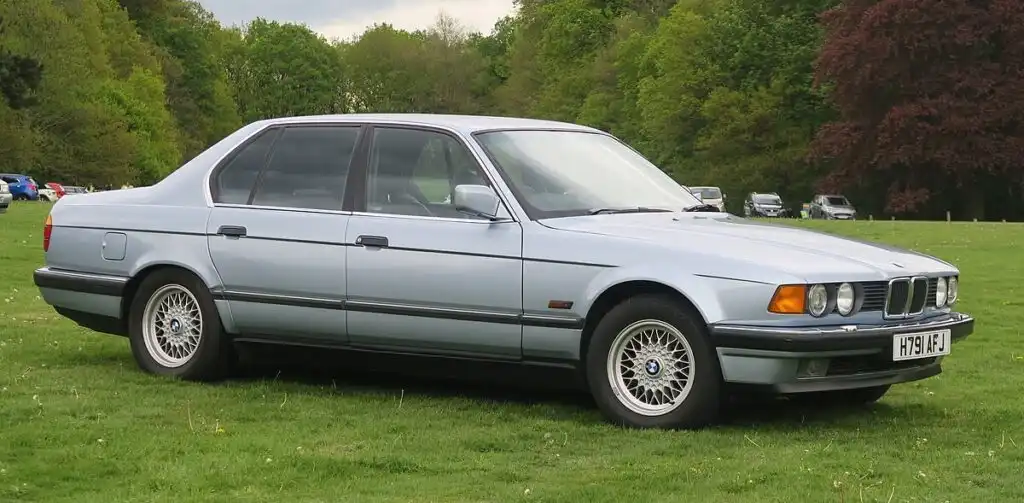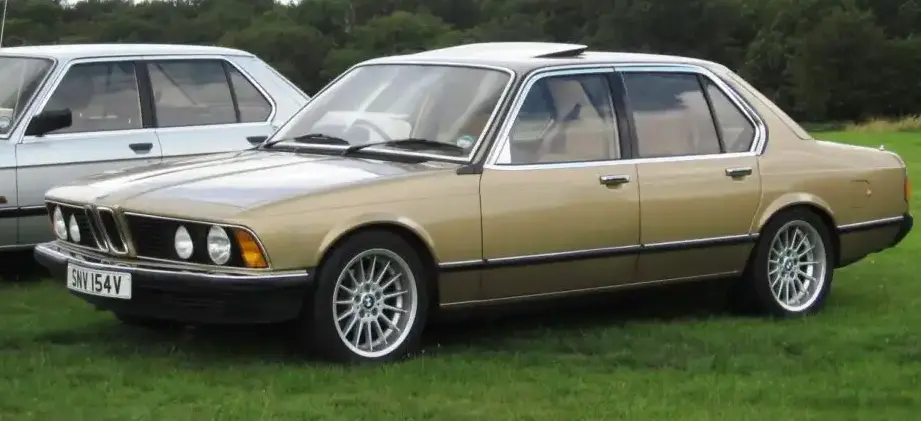
The BMW 730, produced between 1977 and 1979, was an early iteration of the E23 generation 7 Series, BMW’s flagship luxury sedan. Positioned as the entry-level model within the initial 7 Series lineup, the 730 offered a more accessible price point compared to the higher-specification 733i and later 735i variants. It represented BMW’s attempt to balance luxury and performance with a slightly more economical engine option, primarily aimed at buyers who prioritized refinement and comfort over outright speed. The 730 was significant as the first model in a lineage that would define BMW’s commitment to large, technologically advanced sedans for decades to come.
Technical Specifications
| Brand | BMW |
| Model | 7 Series |
| Generation | 7 Series (E23) |
| Type (Engine) | 730 (184 Hp) Automatic |
| Start of production | 1977 |
| End of production | 1979 |
| Powertrain Architecture | Internal Combustion engine |
| Body type | Sedan |
| Seats | 5 |
| Doors | 4 |
| Fuel Type | Petrol (Gasoline) |
| Acceleration 0 – 100 km/h | 11.3 sec |
| Acceleration 0 – 62 mph | 11.3 sec |
| Acceleration 0 – 60 mph | 10.7 sec |
| Maximum speed | 194 km/h (120.55 mph) |
| Weight-to-power ratio | 8.7 kg/Hp, 115 Hp/tonne |
| Weight-to-torque ratio | 6.3 kg/Nm, 159.4 Nm/tonne |
| Power | 184 Hp @ 5500 rpm |
| Power per litre | 61.6 Hp/l |
| Torque | 255 Nm @ 3500 rpm (188.08 lb.-ft. @ 3500 rpm) |
| Engine layout | Front, Longitudinal |
| Engine Model/Code | 306VZ1 |
| Engine displacement | 2985 cm3 (182.16 cu. in.) |
| Number of cylinders | 6 |
| Engine configuration | Inline |
| Cylinder Bore | 89 mm (3.5 in.) |
| Piston Stroke | 80 mm (3.15 in.) |
| Compression ratio | 9:1 |
| Number of valves per cylinder | 4 |
| Fuel injection system | Multi-port manifold injection |
| Engine aspiration | Naturally aspirated engine |
| Valvetrain | SOHC |
| Engine oil capacity | 5.8 l (6.13 US qt | 5.1 UK qt) |
| Kerb Weight | 1600 kg (3527.4 lbs.) |
| Max. weight | 2050 kg (4519.48 lbs.) |
| Max load | 450 kg (992.08 lbs.) |
| Fuel tank capacity | 90 l (23.78 US gal | 19.8 UK gal) |
| Length | 4860 mm (191.34 in.) |
| Width | 1800 mm (70.87 in.) |
| Height | 1430 mm (56.3 in.) |
| Wheelbase | 2795 mm (110.04 in.) |
| Front track | 1502 mm (59.13 in.) |
| Rear (Back) track | 1524 mm (60 in.) |
| Ride height (ground clearance) | 132 mm (5.2 in.) |
| Drivetrain Architecture | The Internal combustion engine (ICE) drives the rear wheels of the vehicle. |
| Drive wheel | Rear wheel drive |
| Number of gears and type of gearbox | 3 gears, automatic transmission |
| Front suspension | Independent, type McPherson with coil spring and anti-roll bar |
| Rear suspension | Independent multi-link suspension |
| Front brakes | Ventilated discs |
| Rear brakes | Disc |
| Tires size | 205/70 HR14; 220/55 HR390 TRX |
| Wheel rims size | 6.5 J x 14; 165 T 390 |
Powertrain & Engine Architecture
The heart of the 730 was the M30 inline-six cylinder engine, specifically the 306VZ1 variant. This 3.0-liter engine featured a single overhead camshaft (SOHC) valvetrain and Bosch multi-port fuel injection. The engine produced 184 horsepower at 5,500 rpm and 255 Nm (188 lb-ft) of torque at 3,500 rpm. The engine’s design emphasized smooth operation and relatively low emissions for its time. The automatic transmission was a 3-speed unit, chosen to provide a comfortable and effortless driving experience, aligning with the 730’s positioning as a luxury vehicle. This transmission was not known for its sportiness, prioritizing smooth shifts over rapid acceleration.
Driving Characteristics
The 730’s driving experience was characterized by its smooth and refined nature. The 3-speed automatic transmission, while not particularly quick-shifting, provided seamless gear changes. Acceleration from 0 to 60 mph took around 10.7 seconds, which was respectable for the late 1970s but noticeably slower than the 733i and 735i models. The engine delivered adequate power for cruising and everyday driving, but lacked the urgency of its larger displacement siblings. The relatively long gear ratios of the automatic transmission further emphasized the car’s focus on comfort and fuel efficiency over performance. Steering was light and precise, typical of BMWs of the era, and the suspension provided a comfortable ride, absorbing bumps and imperfections in the road effectively.
Equipment & Trim Levels
The 730 came standard with a generous array of features for the time, including power windows, central locking, and a high-quality sound system. Interior upholstery was typically cloth, although leather was available as an option. The dashboard layout was functional and elegant, featuring wood trim and analog gauges. Optional extras included air conditioning, a sunroof, and upgraded audio systems. The 730’s trim level was generally considered the base model, offering a more restrained level of luxury compared to the higher-spec 733i and 735i. However, it still provided a comfortable and well-appointed interior.
Chassis & Braking
The E23 7 Series featured an independent suspension system at all four wheels. The front suspension utilized McPherson struts with coil springs and an anti-roll bar, while the rear suspension employed a multi-link design. This setup provided a good balance of ride comfort and handling. The 730 was equipped with ventilated disc brakes at the front and solid disc brakes at the rear. The braking system was effective for the car’s weight and performance, providing adequate stopping power in most driving situations. The car’s weight distribution was relatively balanced, contributing to its stable handling characteristics.
Market Reception & Comparison
The 730 was generally well-received by automotive critics, who praised its comfortable ride, refined interior, and smooth engine. However, some critics noted that its performance was somewhat underwhelming compared to the 733i and 735i models. Fuel economy was considered reasonable for a large luxury sedan of the era. In terms of reliability, the M30 engine proved to be durable and long-lasting, although the automatic transmission could be prone to issues if not properly maintained. The 730 offered a more affordable entry point into the 7 Series range, appealing to buyers who prioritized comfort and refinement over outright performance.
Legacy
The BMW 730, while often overshadowed by its more powerful siblings, played an important role in establishing the 7 Series as a benchmark for luxury sedans. The M30 engine proved to be exceptionally durable, and many 730s remain on the road today. In the used car market, the 730 is often considered a good value, offering classic BMW styling and comfort at a relatively affordable price. However, potential buyers should be aware of the potential for maintenance issues associated with older luxury cars, particularly the automatic transmission and suspension components. The 730 represents a significant chapter in BMW’s history, showcasing the company’s commitment to building high-quality, technologically advanced automobiles.