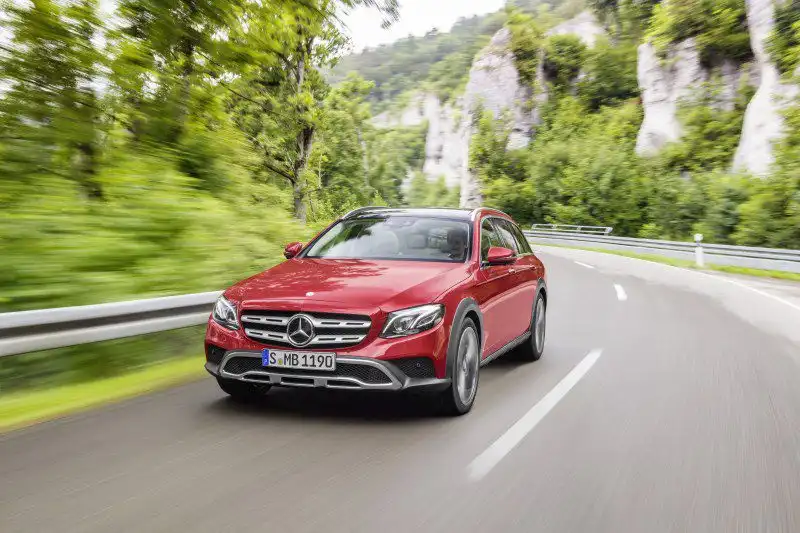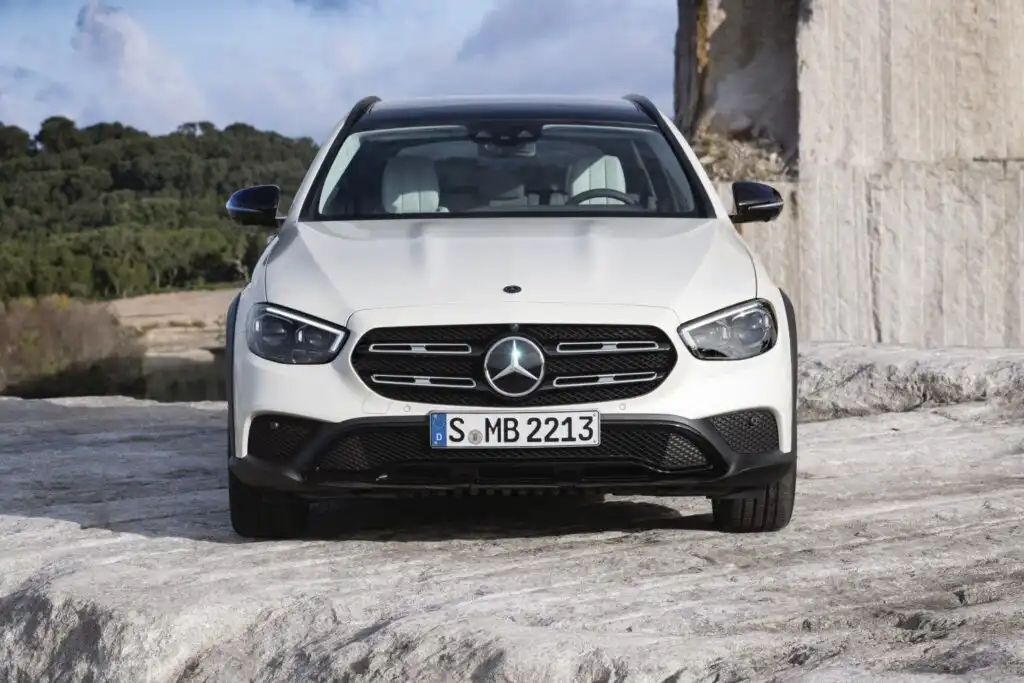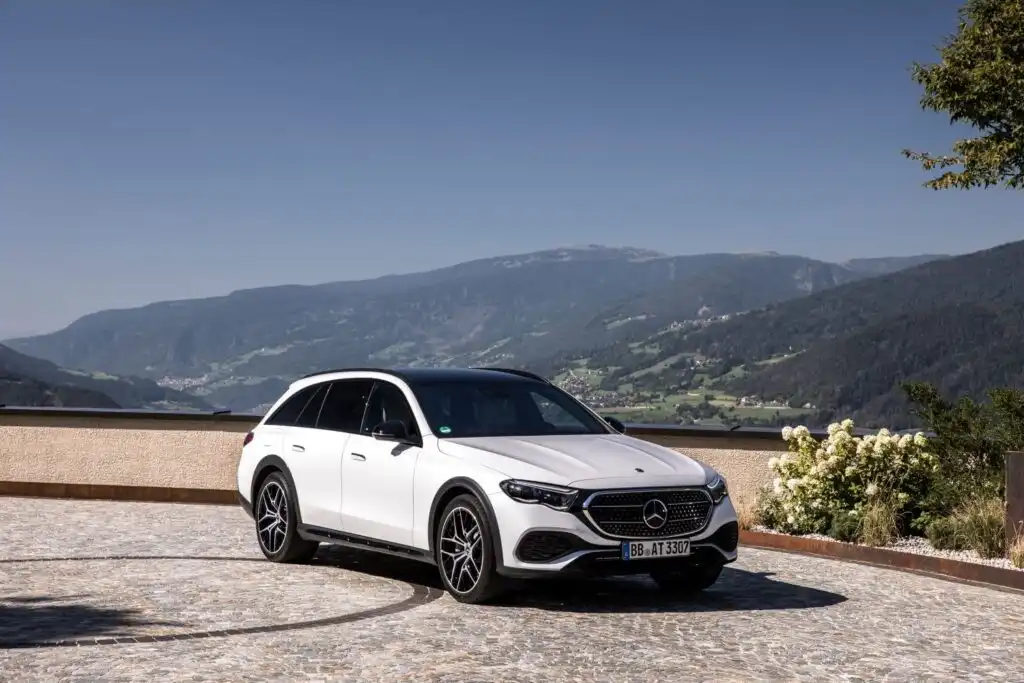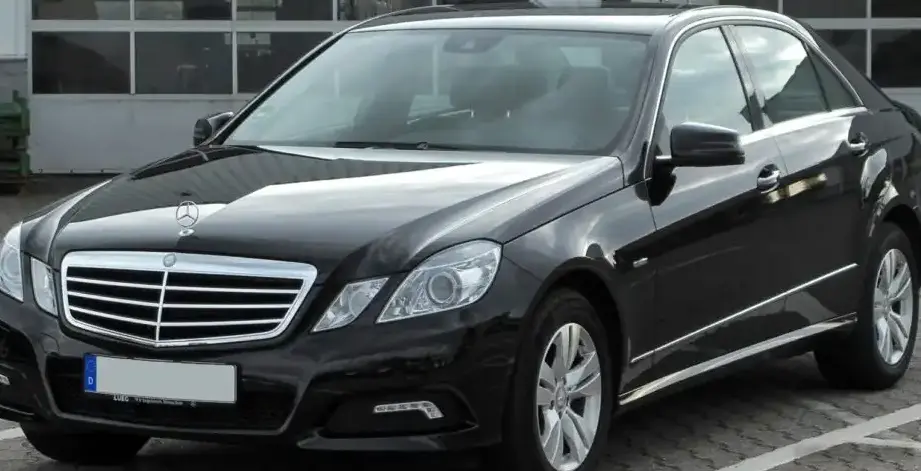
The Mercedes-Benz E 300 V6, produced between 2009 and 2013 as part of the W212 E-Class generation, represented a compelling blend of performance and luxury within the mid-size executive car segment. Positioned as a step up from the E 250 and a more accessible alternative to the high-performance E 550 and E 63 AMG models, the E 300 V6 offered a refined driving experience coupled with Mercedes-Benz’s renowned build quality. This variant was primarily aimed at buyers seeking a comfortable and capable vehicle for both daily commuting and long-distance travel, prioritizing smooth power delivery over outright sportiness. The W212 E-Class, overall, was a significant update to the lineage, introducing a more sculpted exterior design and a technologically advanced interior.
Technical Specifications
| Brand | Mercedes-Benz |
| Model | E-class |
| Generation | E-class (W212) |
| Type (Engine) | E 300 V6 (231 Hp) 7G-TRONIC |
| Start of production | 2009 year |
| End of production | 2013 year |
| Powertrain Architecture | Internal Combustion engine |
| Body type | Sedan |
| Seats | 5 |
| Doors | 4 |
| Fuel consumption (economy) – urban | 10.4 l/100 km (22.6 US mpg, 27.2 UK mpg, 9.6 km/l) |
| Fuel Type | Petrol (Gasoline) |
| Weight-to-power ratio | 7.2 kg/Hp, 139.2 Hp/tonne |
| Weight-to-torque ratio | 5.5 kg/Nm, 180.7 Nm/tonne |
| Power | 231 Hp @ 6000 rpm |
| Power per litre | 77.1 Hp/l |
| Torque | 300 Nm @ 2500-5000 rpm (221.27 lb.-ft. @ 2500-5000 rpm) |
| Engine layout | Front, Longitudinal |
| Engine Model/Code | M 272.952 |
| Engine displacement | 2996 cm3 (182.83 cu. in.) |
| Number of cylinders | 6 |
| Engine configuration | V-engine |
| Cylinder Bore | 88 mm (3.46 in.) |
| Piston Stroke | 82.1 mm (3.23 in.) |
| Compression ratio | 11.3:1 |
| Number of valves per cylinder | 4 |
| Fuel injection system | Multi-port manifold injection |
| Engine aspiration | Naturally aspirated engine |
| Valvetrain | DOHC |
| Engine oil capacity | 8 l (8.45 US qt | 7.04 UK qt) |
| Kerb Weight | 1660-1730 kg (3659.67 – 3814 lbs.) |
| Trunk (boot) space – minimum | 531 l (18.75 cu. ft.) |
| Max. roof load | 100 kg (220.46 lbs.) |
| Length | 4870 mm (191.73 in.) |
| Width | 1855 mm (73.03 in.) |
| Width including mirrors | 2070 mm (81.5 in.) |
| Height | 1455-1470 mm (57.28 – 57.87 in.) |
| Wheelbase | 2875 mm (113.19 in.) |
| Front track | 1580-1585 mm (62.2 – 62.4 in.) |
| Rear (Back) track | 1600-1605 mm (62.99 – 63.19 in.) |
| Front overhang | 945 mm (37.2 in.) |
| Rear overhang | 1050 mm (41.34 in.) |
| Ride height (ground clearance) | 140-155 mm (5.51 – 6.1 in.) |
| Minimum turning circle (turning diameter) | 10.6 m (34.78 ft.) |
| Drivetrain Architecture | The Internal combustion engine (ICE) drives the rear wheels of the vehicle. |
| Drive wheel | Rear wheel drive |
| Number of gears and type of gearbox | 7 gears, automatic transmission G-TRONIC |
| Front brakes | Ventilated discs, 322 mm |
| Rear brakes | Ventilated discs, 300 mm |
| Front wheel tires | 225/55 R16; 245/45 R17; 245/40 R18 |
| Rear wheel tires | 225/55 R16; 245/45 R17; 265/35 R18 |
Powertrain & Engine Architecture
The heart of the E 300 V6 is the M272.952 engine, a 3.0-liter naturally aspirated V6. This engine is a 60-degree V-engine, utilizing a cast aluminum block and cylinder heads. It features a double overhead camshaft (DOHC) design with four valves per cylinder, contributing to its relatively high specific output. Fuel delivery is managed by a multi-port fuel injection system, providing precise fuel metering for optimal combustion. The engine’s 11.3:1 compression ratio further enhances efficiency and power. The engine was known for its smooth operation and relatively robust design. Paired with the engine is the 7G-TRONIC automatic transmission, a seven-speed torque converter automatic. This transmission was a significant advancement over previous Mercedes-Benz automatics, offering smoother shifts, improved fuel economy, and a wider gear ratio spread. The 7G-TRONIC features a torque converter lock-up clutch that engages at higher speeds to reduce slippage and improve efficiency.
Driving Characteristics
The E 300 V6 with the 7G-TRONIC transmission delivers a comfortable and refined driving experience. While not overtly sporty, the engine provides ample power for everyday driving and confident highway passing. The 7G-TRONIC transmission is programmed for smooth, almost imperceptible shifts, contributing to a relaxed driving feel. Compared to the E 250, the E 300 V6 offers a noticeable increase in performance, particularly in mid-range acceleration. However, it lacks the outright punch of the E 550’s V8 or the E 63 AMG’s turbocharged engine. The gear ratios in the 7G-TRONIC are well-spaced, allowing the engine to operate efficiently at cruising speeds while still providing quick downshifts when needed. The rear-wheel-drive configuration contributes to balanced handling, although it doesn’t offer the all-weather capability of the 4MATIC all-wheel-drive system available on other E-Class models.
Equipment & Trim Levels
The E 300 V6 typically came standard with a generous array of features, including leather upholstery, automatic climate control, power-adjustable front seats, a premium audio system, and a multi-function steering wheel. Optional extras included a sunroof, navigation system, upgraded audio systems (such as Harman Kardon), parking assist, and adaptive cruise control. Interior trim options ranged from wood veneers to aluminum accents, allowing buyers to personalize the cabin to their preferences. The standard dashboard configuration featured analog gauges with a central display screen providing information on vehicle settings and audio controls. Later models incorporated Mercedes-Benz’s COMAND infotainment system with a larger display screen and improved functionality.
Chassis & Braking
The W212 E-Class chassis features a sophisticated suspension system designed to provide a comfortable ride and precise handling. The front suspension utilizes a multi-link independent setup with coil springs and a stabilizer bar. The rear suspension also employs a multi-link independent design, with coil springs and a stabilizer bar. Air suspension was available as an option, offering adjustable ride height and damping for enhanced comfort and control. Braking duties are handled by ventilated disc brakes on all four wheels. The front brakes measure 322mm in diameter, while the rear brakes are 300mm. Anti-lock braking system (ABS) is standard, along with electronic brake-force distribution (EBD) and brake assist.
Market Reception & Comparison
The E 300 V6 was generally well-received by automotive critics, who praised its smooth engine, comfortable ride, and refined interior. It was often seen as a sweet spot in the E-Class lineup, offering a good balance of performance, luxury, and value. Fuel economy was considered respectable for a V6-powered luxury sedan, although it didn’t match the efficiency of the four-cylinder E 250. Reliability was generally good, although some owners reported minor issues with electronic components. Compared to the E 250, the E 300 V6 offered a more satisfying driving experience, while being more affordable than the E 550.
Legacy
The M272 engine family, including the M272.952 found in the E 300 V6, has proven to be relatively durable and reliable over the long term, provided it receives regular maintenance. The 7G-TRONIC transmission is also known for its longevity, although fluid changes are crucial to prevent issues. Today, the W212 E 300 V6 represents a compelling value in the used car market, offering a luxurious and well-equipped sedan at a reasonable price. Its combination of comfort, performance, and reliability makes it a popular choice for buyers seeking a refined and capable mid-size executive car.