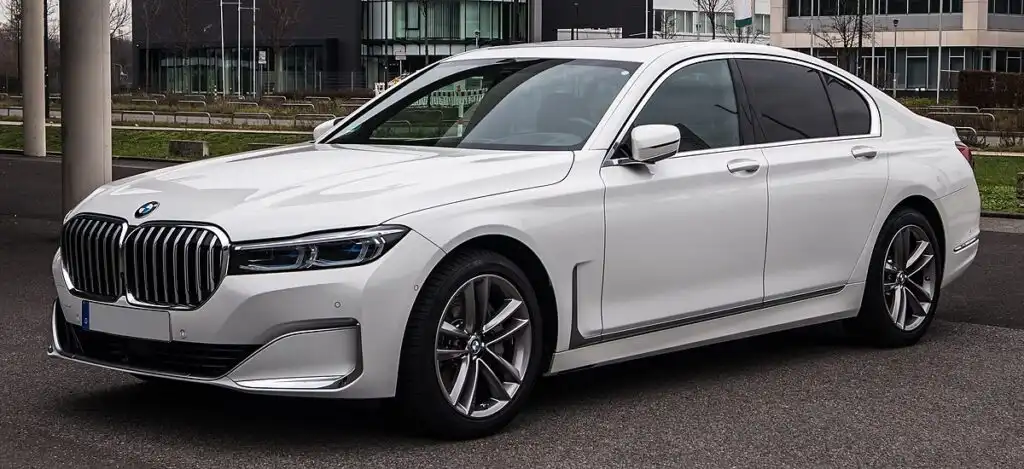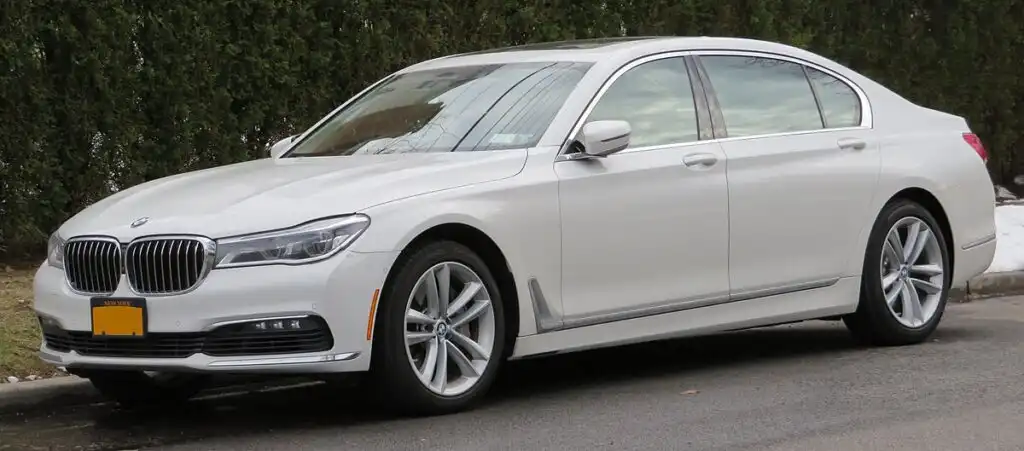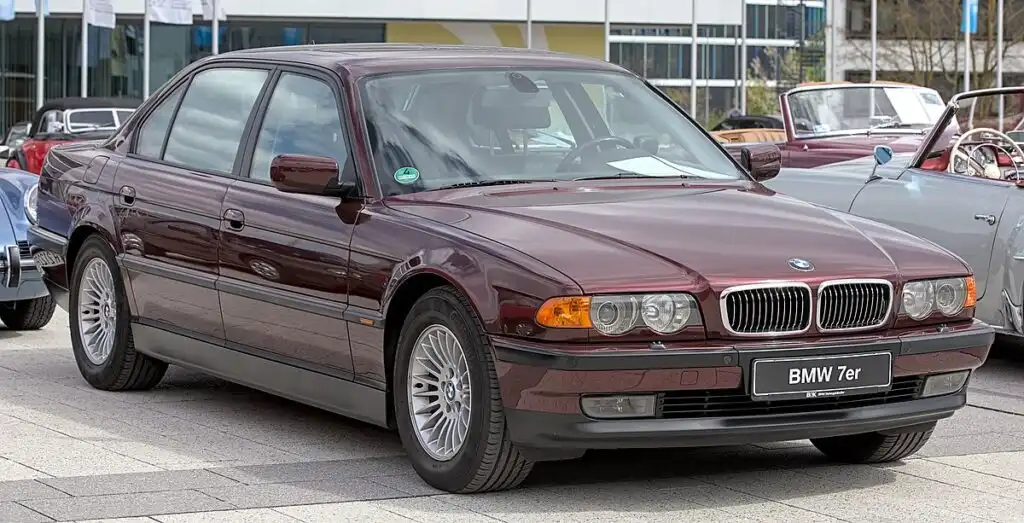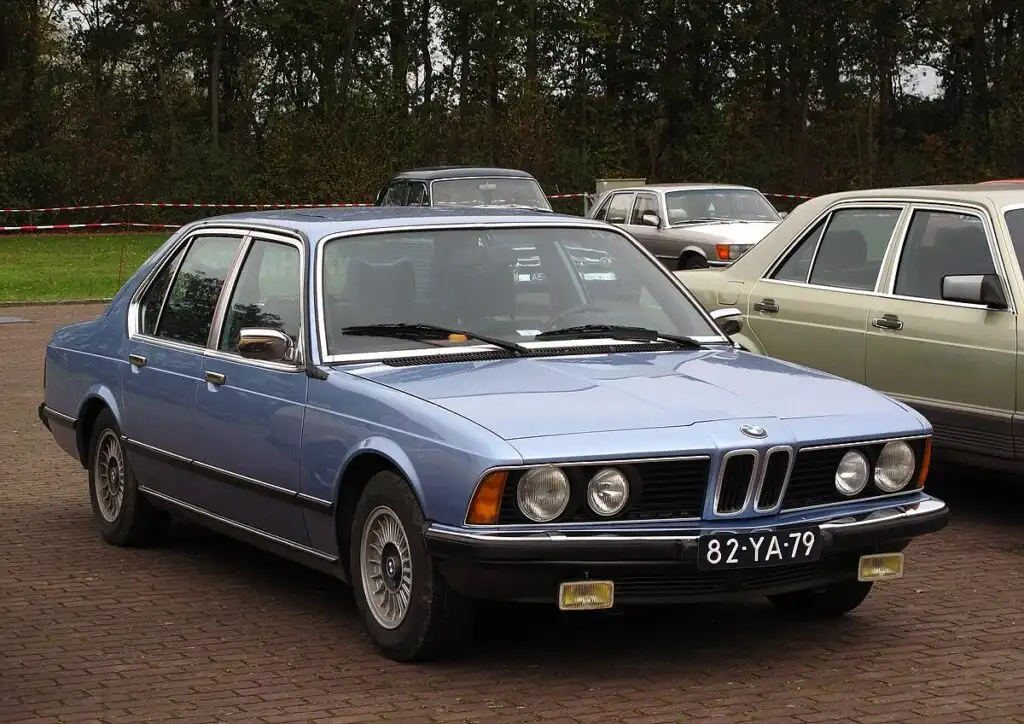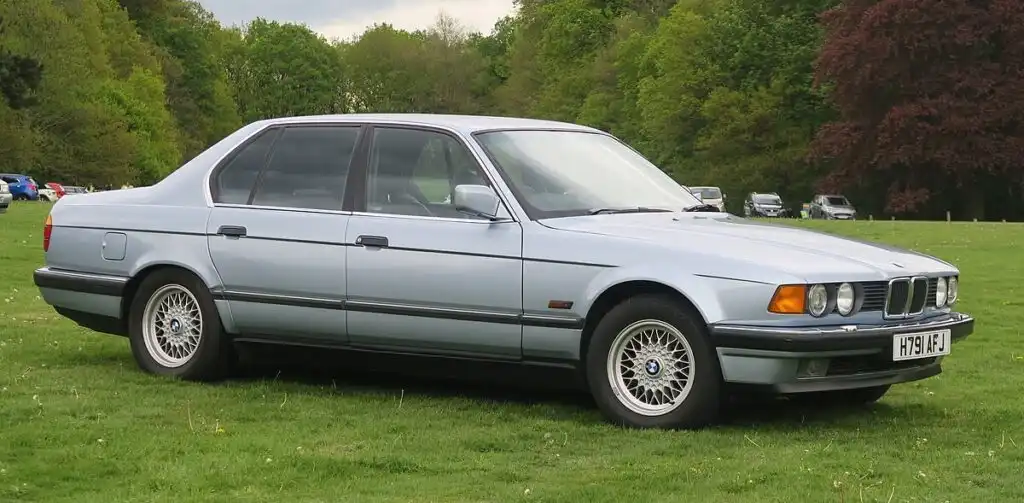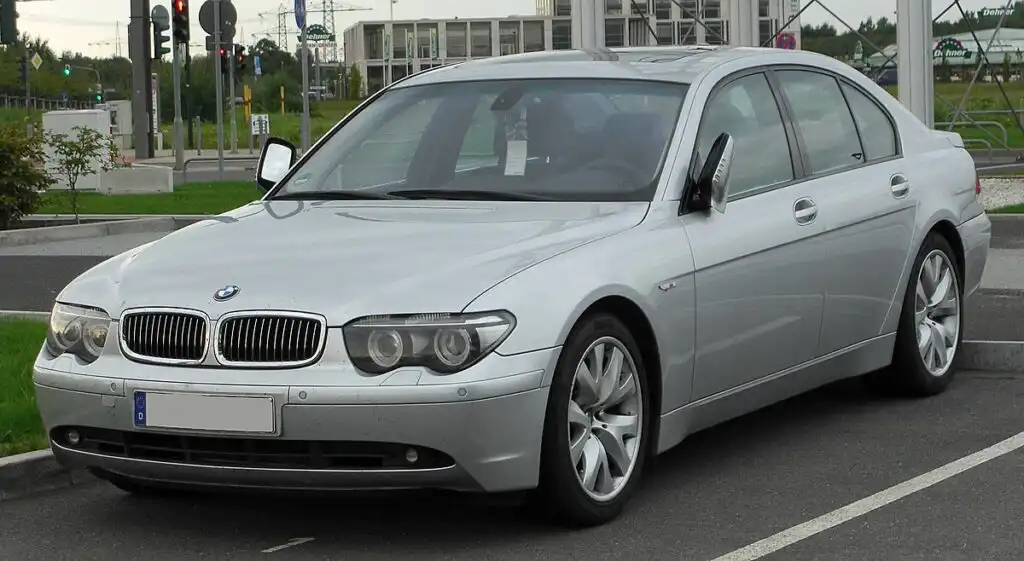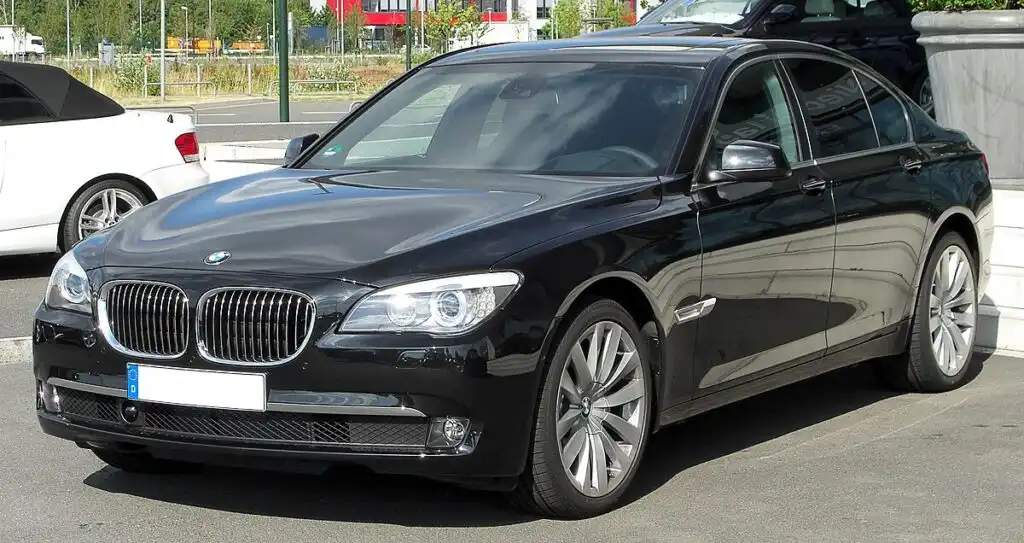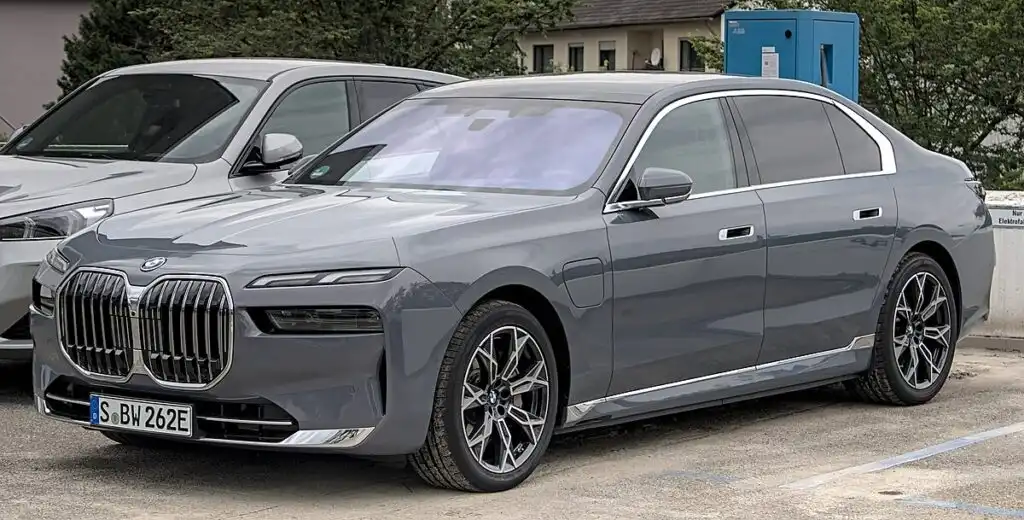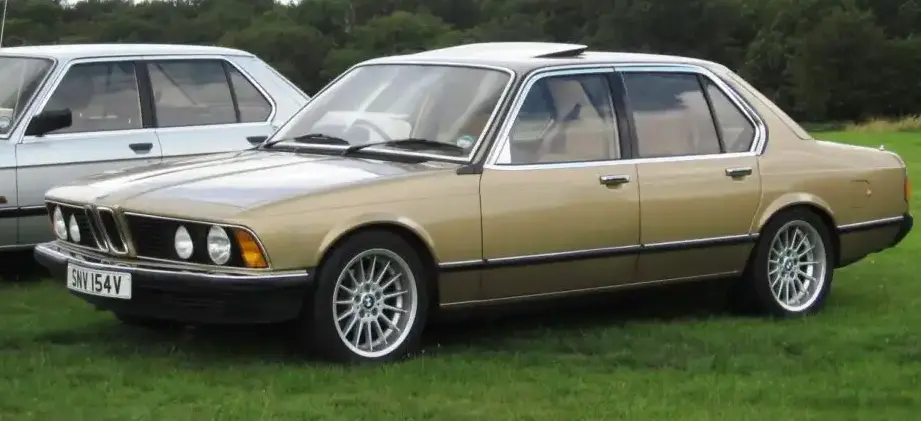
The BMW 745i, produced between 1979 and 1983, represented a significant step forward for BMW’s flagship sedan, the 7 Series (E23). This variant, distinguished by its turbocharged inline-six engine, occupied the top performance tier of the first-generation 7 Series lineup. It was positioned as a luxury performance vehicle, aimed at buyers who desired both the prestige of a large BMW sedan and the capability of a powerful engine. The 745i was a relatively rare model, representing a small percentage of total E23 production, and quickly became a benchmark for German luxury automobiles.
Technical Specifications
| Brand | BMW |
| Model | 7 Series |
| Generation | 7 Series (E23) |
| Type (Engine) | 745i (252 Hp) Automatic |
| Start of production | 1979 |
| End of production | 1983 |
| Powertrain Architecture | Internal Combustion engine |
| Body type | Sedan |
| Seats | 5 |
| Doors | 4 |
| Fuel consumption (urban) | 16.6 l/100 km (14.2 US mpg, 17 UK mpg, 6 km/l) |
| Fuel Type | Petrol (Gasoline) |
| Acceleration 0 – 100 km/h | 7.8 sec |
| Acceleration 0 – 62 mph | 7.8 sec |
| Acceleration 0 – 60 mph | 7.4 sec |
| Maximum speed | 221 km/h (137.32 mph) |
| Weight-to-power ratio | 6.3 kg/Hp, 157.5 Hp/tonne |
| Weight-to-torque ratio | 4.2 kg/Nm, 237.5 Nm/tonne |
| Power | 252 Hp @ 5200 rpm |
| Power per litre | 78.5 Hp/l |
| Torque | 380 Nm @ 2600 rpm (280.27 lb.-ft. @ 2600 rpm) |
| Engine layout | Front, Longitudinal |
| Engine Model/Code | 326TZ1 |
| Engine displacement | 3210 cm3 (195.89 cu. in.) |
| Number of cylinders | 6 |
| Engine configuration | Inline |
| Cylinder Bore | 89 mm (3.5 in.) |
| Piston Stroke | 86 mm (3.39 in.) |
| Compression ratio | 7:1 |
| Number of valves per cylinder | 2 |
| Fuel injection system | Multi-port manifold injection |
| Engine aspiration | Turbocharger |
| Valvetrain | SOHC |
| Kerb Weight | 1600 kg (3527.4 lbs.) |
| Max. weight | 2070 kg (4563.57 lbs.) |
| Max load | 470 kg (1036.17 lbs.) |
| Fuel tank capacity | 100 l (26.42 US gal, 22 UK gal) |
| Length | 4860 mm (191.34 in.) |
| Width | 1800 mm (70.87 in.) |
| Height | 1430 mm (56.3 in.) |
| Wheelbase | 2795 mm (110.04 in.) |
| Front track | 1502 mm (59.13 in.) |
| Rear track | 1524 mm (60 in.) |
| Ride height (ground clearance) | 132 mm (5.2 in.) |
| Drivetrain Architecture | Rear wheel drive |
| Drive wheel | Rear wheel drive |
| Number of gears and type of gearbox | 3 gears, automatic transmission |
| Front suspension | Independent, type McPherson with coil spring and anti-roll bar |
| Rear suspension | Independent multi-link spring suspension with stabilizer |
| Front brakes | Ventilated discs |
| Rear brakes | Disc |
| Assisting systems | ABS (Anti-lock braking system) |
| Tires size | 205/70 R14 |
| Wheel rims size | 6.5 J x 14 |
Powertrain & Engine Architecture
The heart of the 745i was the M326 engine, a 3.2-liter inline-six cylinder engine. This engine was a significant departure from the naturally aspirated engines offered in other E23 models. The addition of a turbocharger and intercooler dramatically increased power output to 252 horsepower and 280 lb-ft of torque. The engine utilized Bosch K-Jetronic fuel injection, a mechanical system known for its reliability and precise fuel delivery. The single overhead camshaft (SOHC) design, while relatively simple, proved durable and capable of handling the increased stresses of forced induction. The 3-speed automatic transmission, a ZF 3HP22 unit, was specifically chosen to handle the engine’s torque. While not known for its rapid shifts by modern standards, it provided smooth and comfortable gear changes appropriate for the car’s luxury positioning.
Driving Characteristics
The 745i offered a noticeably different driving experience compared to the 733i or 735i. The turbocharger provided a surge of power that wasn’t present in the naturally aspirated models. While the automatic transmission dulled the immediacy of the power delivery somewhat, the 745i still delivered brisk acceleration, reaching 60 mph in approximately 7.4 seconds. The car felt substantial and planted on the road, thanks to its relatively heavy weight and well-tuned suspension. Compared to the manual transmission versions of the 735i, the 745i prioritized comfort and ease of driving over outright sportiness. The automatic transmission, while smooth, did result in some power loss, and the turbo lag was more noticeable than in later turbocharged BMWs.
Equipment & Trim Levels
The 745i came standard with a high level of equipment befitting its flagship status. This included power windows, power locks, air conditioning, a sunroof, and premium cloth upholstery. Leather upholstery was available as an optional extra, along with features like a trip computer, upgraded sound system, and rear seat reading lights. The interior design was characterized by its understated elegance and high-quality materials. The dashboard layout was relatively simple and functional, with clearly marked gauges and controls. The 745i also featured BMW’s signature check panel, a diagnostic system that alerted the driver to any mechanical issues.
Chassis & Braking
The E23 7 Series featured an independent suspension system at all four wheels. The front suspension utilized McPherson struts with coil springs and an anti-roll bar, while the rear suspension employed a multi-link design with coil springs and a stabilizer bar. This setup provided a comfortable ride and good handling characteristics. The 745i was equipped with ventilated disc brakes at the front and solid disc brakes at the rear. An Anti-lock Braking System (ABS) was also standard, a relatively advanced feature for the time. The steering was power-assisted, providing light and precise control. The car rode on 205/70 R14 tires mounted on 6.5J x 14 inch wheels.
Market Reception & Comparison
The 745i was generally well-received by automotive critics, who praised its performance and luxurious appointments. However, some reviewers noted the turbo lag and the relatively slow shifting of the automatic transmission. Compared to the 733i and 735i, the 745i offered a significant performance advantage, but it also came with a higher price tag. The 745i was also more complex mechanically, which potentially increased maintenance costs. Fuel economy was also considerably worse than the naturally aspirated models, averaging around 14.2 US mpg in urban driving. Despite these drawbacks, the 745i was considered a desirable and prestigious automobile.
Legacy
The BMW E23 745i holds a special place in BMW history as the first turbocharged 7 Series. The M326 engine proved to be a robust and reliable powerplant, and many examples are still on the road today. While the turbocharger and automatic transmission may not meet modern performance standards, the 745i remains a comfortable and capable grand tourer. In the used car market, the 745i commands a premium over other E23 models, particularly those in well-maintained condition. Its rarity and historical significance make it a sought-after collectible for BMW enthusiasts. The technology pioneered in the 745i paved the way for future generations of turbocharged BMW engines and helped establish the 7 Series as a leader in the luxury sedan segment.