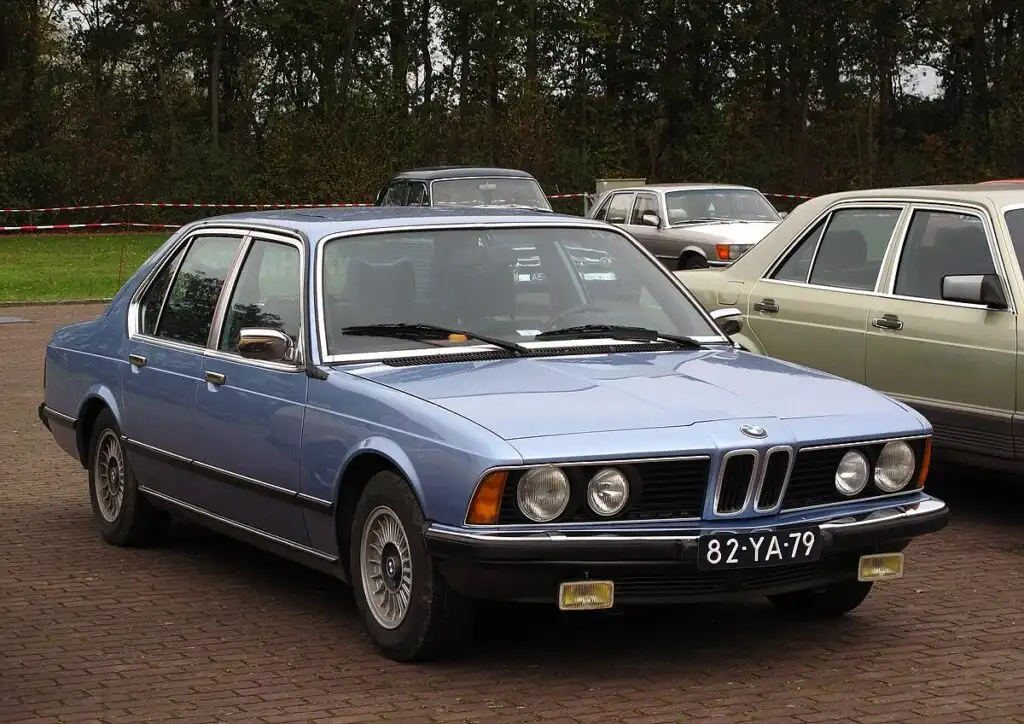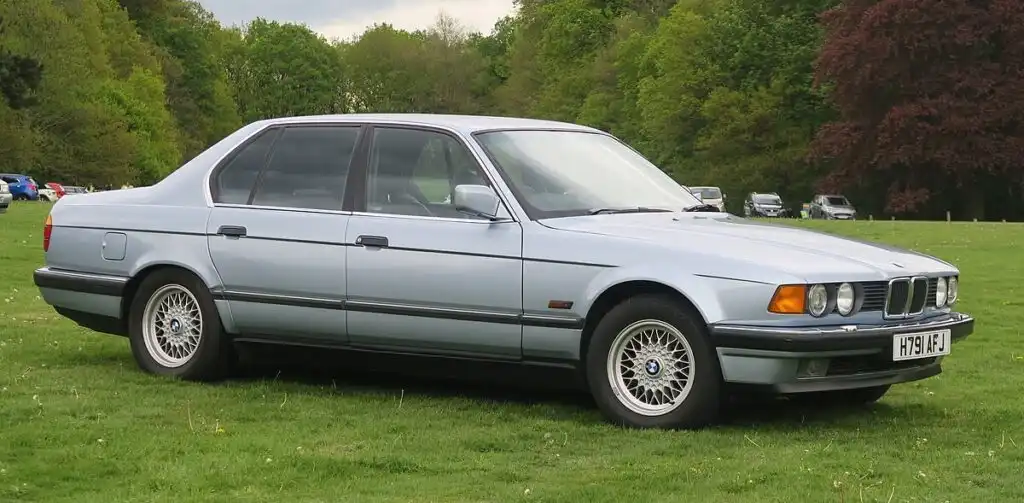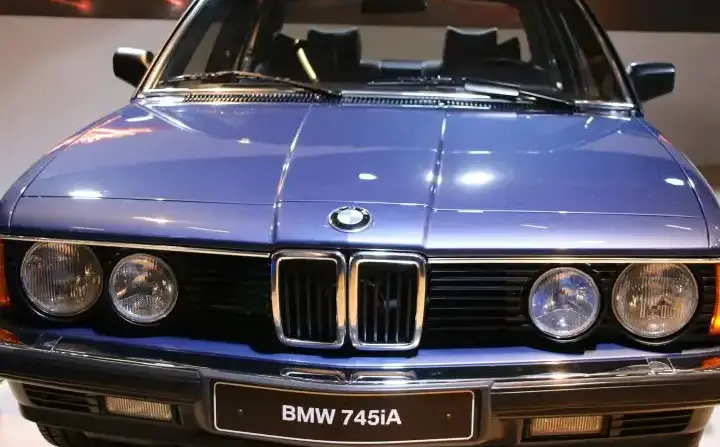
The BMW 725i, produced between 1983 and 1986, was a key variant within the E23 generation of the 7 Series. Introduced as part of the facelifted E23 line, it offered a more accessible entry point into BMW’s flagship sedan range, positioned below the more powerful 733i and 745i models. The 725i aimed to balance luxury, performance, and fuel efficiency, appealing to buyers who desired the prestige of a 7 Series without the higher price tag and running costs of its larger-engined siblings. This model represented BMW’s continued refinement of the executive sedan, building upon the success of the original E23 launched in 1977.
Technical Specifications
| Brand | BMW |
| Model | 7 Series |
| Generation | 7 Series (E23, facelift 1983) |
| Type (Engine) | 725i (150 Hp) |
| Start of production | 1983 |
| End of production | 1986 |
| Powertrain Architecture | Internal Combustion engine |
| Body type | Sedan |
| Seats | 5 |
| Doors | 4 |
| Fuel Type | Petrol (Gasoline) |
| Weight-to-power ratio | 9.8 kg/Hp, 102 Hp/tonne |
| Weight-to-torque ratio | 6.8 kg/Nm, 146.3 Nm/tonne |
| Power | 150 Hp @ 5500 rpm |
| Power per litre | 60.1 Hp/l |
| Torque | 215 Nm @ 4000 rpm, 158.58 lb.-ft. @ 4000 rpm |
| Engine layout | Front, Longitudinal |
| Engine Model/Code | M30B25 |
| Engine displacement | 2494 cm3, 152.19 cu. in. |
| Number of cylinders | 6 |
| Engine configuration | Inline |
| Cylinder Bore | 84 mm, 3.31 in. |
| Piston Stroke | 75 mm, 2.95 in. |
| Compression ratio | 9.6:1 |
| Number of valves per cylinder | 2 |
| Fuel injection system | Multi-port manifold injection |
| Engine aspiration | Naturally aspirated engine |
| Valvetrain | SOHC |
| Engine oil capacity | 5.75 l, 6.08 US qt | 5.06 UK qt |
| Kerb Weight | 1470 kg, 3240.8 lbs |
| Max. weight | 1980 kg, 4365.15 lbs |
| Max load | 510 kg, 1124.36 lbs |
| Trunk (boot) space – minimum | 480 l, 16.95 cu. ft |
| Fuel tank capacity | 100 l, 26.42 US gal | 22 UK gal |
| Length | 4860 mm, 191.34 in |
| Width | 1800 mm, 70.87 in |
| Height | 1430 mm, 56.3 in |
| Wheelbase | 2795 mm, 110.04 in |
| Front track | 1502 mm, 59.13 in |
| Rear (Back) track | 1524 mm, 60 in |
| Drag coefficient (Cd) | 0.40 |
| Minimum turning circle (turning diameter) | 11.6 m, 38.06 ft |
| Drivetrain Architecture | The Internal combustion engine (ICE) drives the rear wheels of the vehicle. |
| Drive wheel | Rear wheel drive |
| Number of gears and type of gearbox | 5 gears, manual transmission |
| Front suspension | Independent, type McPherson with coil spring and anti-roll bar |
| Rear suspension | Independent coil spring |
| Front brakes | Ventilated discs |
| Rear brakes | Disc |
| Tires size | 195/70 HR 14 |
| Wheel rims size | 14 |
Powertrain & Engine Architecture
The heart of the 725i was the M30B25 engine, a 2.5-liter inline-six cylinder powerplant. This engine was a development of BMW’s long-running M30 family, known for its smoothness and durability. The B25 featured a single overhead camshaft (SOHC) valvetrain operating two valves per cylinder. Fuel delivery was handled by a Bosch multi-port fuel injection system, contributing to improved efficiency and reduced emissions compared to earlier carbureted M30 engines. The engine produced 150 horsepower at 5500 rpm and 215 Nm (158.58 lb-ft) of torque at 4000 rpm. The engine’s longitudinal front-mounted layout and rear-wheel drive configuration were typical for BMW sedans of the era. The 725i was equipped with a 5-speed manual transmission as standard, offering drivers a direct connection to the engine’s power.
Driving Characteristics
The 725i, with its 150 hp and 5-speed manual transmission, provided a balanced driving experience. While not as overtly sporty as the 733i or 745i, it offered sufficient power for comfortable cruising and confident overtaking. The manual gearbox allowed for precise control and engagement, enhancing the driving experience for enthusiasts. The gear ratios were tuned to prioritize fuel economy and smooth acceleration rather than outright performance. Compared to the larger-engined models, the 725i felt lighter and more nimble, particularly in city driving. The M30B25 engine delivered a characteristic smooth and linear power delivery, making it easy to modulate throttle response.
Equipment & Trim Levels
The 725i came reasonably well-equipped for its time, reflecting its status as a luxury sedan. Standard features typically included power windows, central locking, a sunroof, and cloth upholstery. Leather upholstery, automatic climate control, and a premium sound system were available as optional extras. The interior design was characterized by BMW’s typically understated elegance, with a focus on functionality and driver comfort. The dashboard layout was clean and logical, with all essential controls within easy reach. Trim levels were relatively simple, with most customization options revolving around the selection of optional equipment and exterior colors.
Chassis & Braking
The E23 7 Series featured an independent suspension system at all four wheels. The front suspension utilized a McPherson strut design with coil springs and an anti-roll bar, while the rear suspension employed a semi-trailing arm setup with coil springs. This configuration provided a comfortable ride and good handling characteristics. The 725i was equipped with ventilated disc brakes at the front and solid disc brakes at the rear, providing adequate stopping power for its weight and performance. The steering was a recirculating ball system, offering a good balance of feel and assistance. The 14-inch wheels were typically fitted with 195/70 HR tires.
Market Reception & Comparison
The 725i was generally well-received by automotive critics as a sensible and refined entry point into the 7 Series range. It was praised for its smooth engine, comfortable ride, and relatively fuel-efficient operation. However, some critics noted that it lacked the outright performance of the larger-engined models. Compared to the 733i and 745i, the 725i offered a more affordable price point, making it accessible to a wider range of buyers. In terms of reliability, the M30B25 engine proved to be a durable and long-lasting unit, although regular maintenance was essential. Fuel economy was a strong point for the 725i, particularly compared to the more powerful variants.
Legacy
The BMW 725i (E23) has become a sought-after classic among BMW enthusiasts. The M30B25 engine is known for its robustness and relative simplicity, making it easier to maintain and repair than some of the more complex engines of the era. Well-maintained examples of the 725i are increasingly rare and command a premium in the used car market. The car represents a significant chapter in BMW’s history, showcasing the company’s commitment to building high-quality, luxurious, and engaging sedans. Its blend of comfort, performance, and reliability has ensured its enduring appeal to collectors and enthusiasts alike.