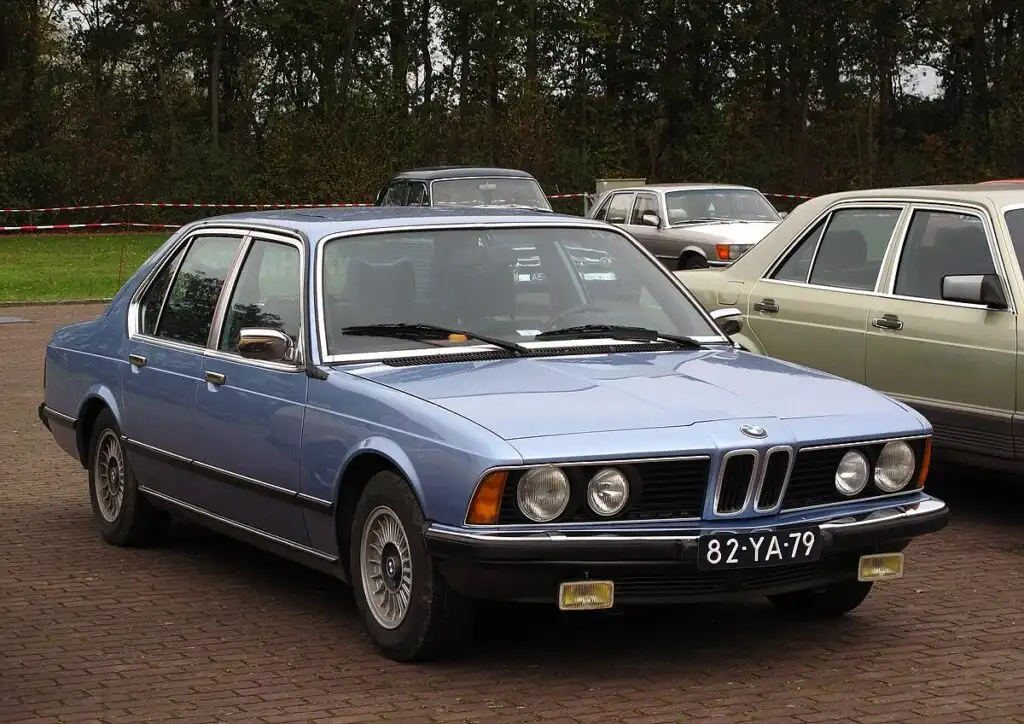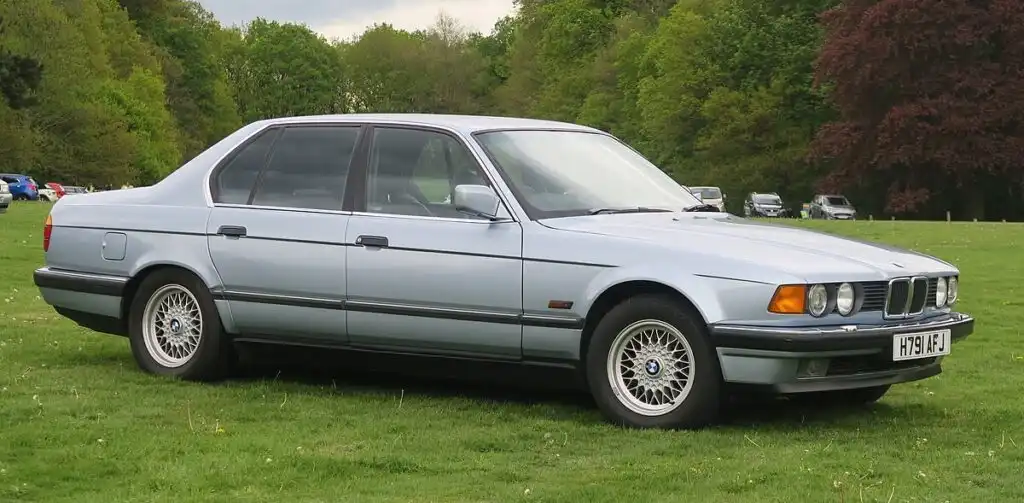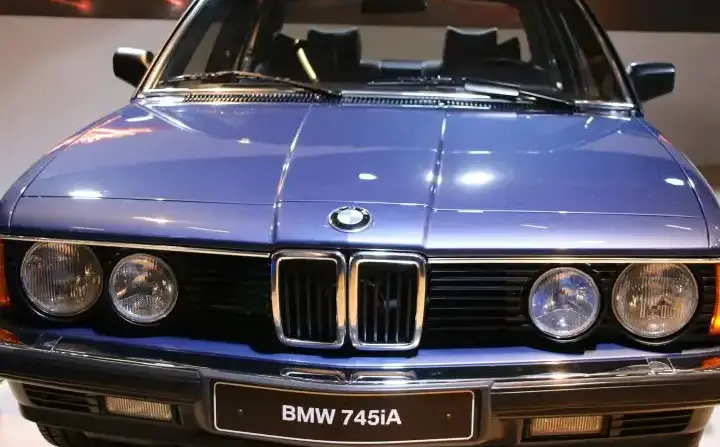
The BMW 728i, produced between 1983 and 1986, was a key variant within the E23 generation of the 7 Series. Representing a more accessible entry point into BMW’s flagship sedan range, the 728i offered a blend of luxury, performance, and relative fuel efficiency compared to its larger-engined siblings. This facelifted version of the E23, introduced in 1983, featured subtle styling revisions and refinements to the interior, solidifying its position as a sophisticated and technologically advanced vehicle for its time. The 728i occupied the mid-range position in the 7 Series lineup, slotting below the 733i and 745i, and aimed at buyers who desired the prestige of a 7 Series without the higher price tag and running costs associated with the top-tier models.
Technical Specifications
| Brand | BMW |
| Model | 7 Series |
| Generation | 7 Series (E23, facelift 1983) |
| Type (Engine) | 728i (184 Hp) Automatic |
| Start of production | 1983 |
| End of production | 1986 |
| Powertrain Architecture | Internal Combustion engine |
| Body type | Sedan |
| Seats | 5 |
| Doors | 4 |
| Fuel consumption (urban) | 14.5 l/100 km (16.2 US mpg, 19.5 UK mpg, 6.9 km/l) |
| Fuel consumption (extra urban) | 7.8 l/100 km (30.2 US mpg, 36.2 UK mpg, 12.8 km/l) |
| Fuel consumption (combined) | 10.7 l/100 km (22 US mpg, 26.4 UK mpg, 9.3 km/l) |
| Fuel Type | Petrol (Gasoline) |
| Acceleration 0 – 100 km/h | 11.4 sec |
| Acceleration 0 – 62 mph | 11.4 sec |
| Acceleration 0 – 60 mph | 10.8 sec |
| Maximum speed | 195 km/h (121.17 mph) |
| Weight-to-power ratio | 8.1 kg/Hp, 123.5 Hp/tonne |
| Weight-to-torque ratio | 6.2 kg/Nm, 161.1 Nm/tonne |
| Power | 184 Hp @ 5800 rpm |
| Power per litre | 66 Hp/l |
| Torque | 240 Nm @ 4200 rpm (177.01 lb.-ft. @ 4200 rpm) |
| Engine layout | Front, Longitudinal |
| Engine Model/Code | M30B28 |
| Engine displacement | 2788 cm3 (170.13 cu. in.) |
| Number of cylinders | 6 |
| Engine configuration | Inline |
| Cylinder Bore | 86 mm (3.39 in.) |
| Piston Stroke | 80 mm (3.15 in.) |
| Compression ratio | 9.3:1 |
| Number of valves per cylinder | 2 |
| Fuel injection system | Multi-port manifold injection |
| Engine aspiration | Naturally aspirated engine |
| Engine oil capacity | 5.75 l (6.08 US qt | 5.06 UK qt) |
| Coolant | 12 l (12.68 US qt | 10.56 UK qt) |
| Kerb Weight | 1490 kg (3284.89 lbs.) |
| Max. weight | 1980 kg (4365.15 lbs.) |
| Max load | 490 kg (1080.27 lbs.) |
| Trunk (boot) space – minimum | 480 l (16.95 cu. ft.) |
| Fuel tank capacity | 100 l (26.42 US gal | 22 UK gal) |
| Length | 4860 mm (191.34 in.) |
| Width | 1800 mm (70.87 in.) |
| Height | 1430 mm (56.3 in.) |
| Wheelbase | 2795 mm (110.04 in.) |
| Front track | 1502 mm (59.13 in.) |
| Rear (Back) track | 1524 mm (60 in.) |
| Drag coefficient (Cd) | 0.40 |
| Minimum turning circle | 11.6 m (38.06 ft.) |
| Drivetrain Architecture | Rear wheel drive |
| Drive wheel | Rear wheel drive |
| Number of gears and type of gearbox | 4 gears, automatic transmission |
| Front suspension | Independent, type McPherson with coil spring and anti-roll bar |
| Rear suspension | Independent coil spring |
| Front brakes | Disc |
| Rear brakes | Drum |
| Tires size | 195/70 HR 14 |
| Wheel rims size | 14 |
Powertrain & Engine Architecture
The heart of the 728i was the M30B28 engine, a 2.8-liter inline-six cylinder powerplant. This engine was a further development of the M30 family, known for its smoothness and durability. The B28 variant featured Bosch L-Jetronic multi-port fuel injection, a significant advancement over earlier carbureted BMW engines. This system improved fuel efficiency and reduced emissions while providing responsive performance. The engine produced 184 horsepower at 5800 rpm and 240 Nm (177 lb-ft) of torque at 4200 rpm. The automatic transmission was a four-speed unit, designed to provide comfortable and effortless cruising. While not as sporty as the available manual transmission, the automatic was well-suited to the 728i’s intended role as a luxurious grand tourer.
Driving Characteristics
The 728i, with its automatic transmission, offered a relaxed and refined driving experience. Acceleration from 0 to 60 mph took around 10.8 seconds, which was respectable for the era but noticeably slower than the manual transmission or the more powerful 733i and 745i models. The automatic transmission’s gear ratios were optimized for fuel economy and smooth shifts, rather than outright performance. The car felt composed and stable at highway speeds, with the independent suspension providing a comfortable ride. However, drivers seeking a more engaging and sporty experience would likely find the 728i’s performance somewhat underwhelming compared to its siblings.
Equipment & Trim Levels
The 728i came standard with a generous array of features for its time, including power windows, central locking, air conditioning, and a high-quality sound system. Interior upholstery was typically cloth, although leather was available as an option. The dashboard layout was functional and well-designed, with clear instrumentation and logically placed controls. Optional extras included a sunroof, heated seats, and a more advanced audio system. The trim level was generally consistent across the 728i models, with variations primarily stemming from the addition of optional packages.
Chassis & Braking
The E23 7 Series featured a robust chassis with independent suspension at all four wheels. The front suspension utilized a McPherson strut design, while the rear employed a semi-trailing arm setup. This configuration provided a good balance of ride comfort and handling. The 728i was equipped with disc brakes at the front and drum brakes at the rear. While adequate for normal driving conditions, the rear drum brakes were a point of criticism compared to the all-disc brake setups found on higher-spec 7 Series models. A stabilizer bar was fitted to both the front and rear axles to reduce body roll during cornering.
Market Reception & Comparison
The 728i was generally well-received by automotive critics as a comfortable and well-equipped luxury sedan. However, its performance was often seen as a compromise compared to the more powerful 733i and 745i. Fuel economy was a strong point, particularly compared to the larger-engined models. Reliability was generally good, although maintenance costs could be significant due to the car’s complex engineering. The 728i appealed to buyers who prioritized comfort and refinement over outright performance, and it offered a more affordable entry point into the BMW 7 Series range.
Legacy
The BMW E23 728i remains a sought-after classic car today, particularly among BMW enthusiasts. The M30B28 engine is known for its durability and relatively straightforward maintenance. While finding parts can sometimes be challenging, a dedicated aftermarket supports the E23 platform. The 728i’s combination of classic BMW styling, comfortable ride, and relatively accessible price point makes it an appealing option for those seeking a vintage luxury sedan. Well-maintained examples command a premium in the used car market, and the car continues to be appreciated for its engineering excellence and timeless design.