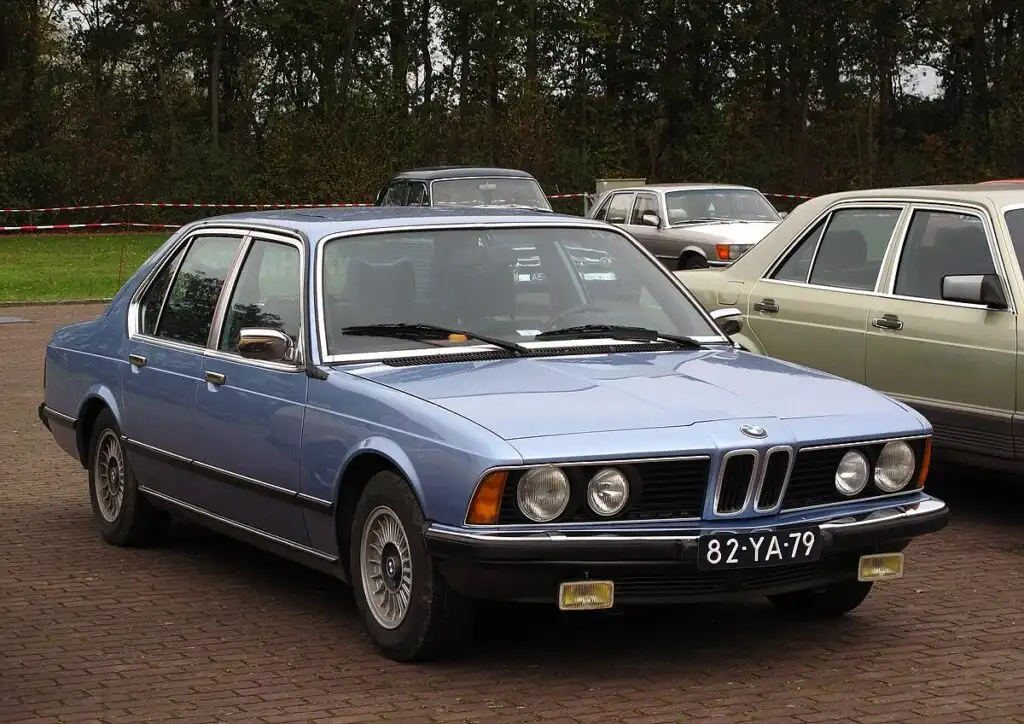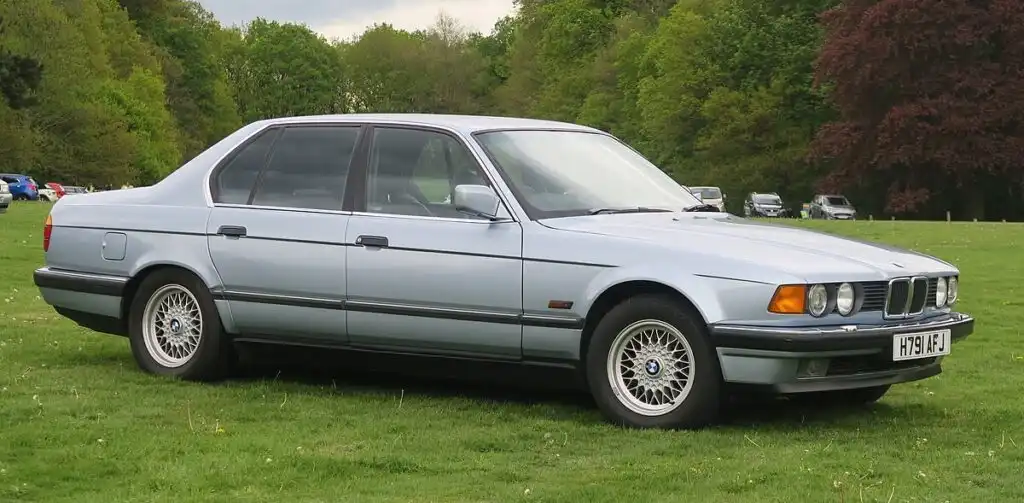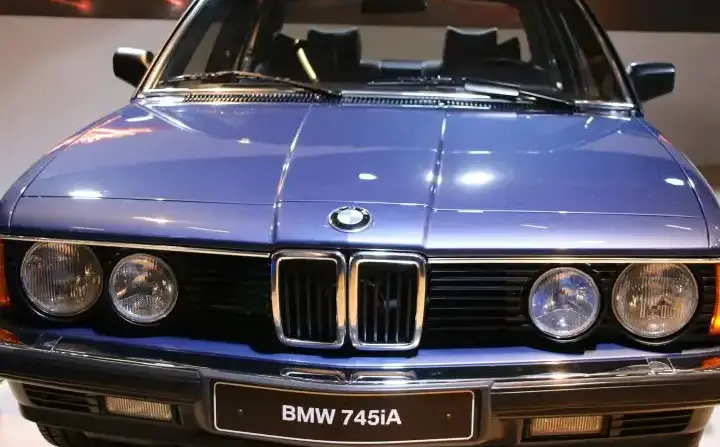
The BMW 732i, produced between 1983 and 1986, represented a significant mid-cycle refresh of the E23 generation 7 Series. This variant, equipped with the M30B32 engine and a four-speed automatic transmission, occupied a middle ground in the 7 Series lineup, offering a balance between performance and luxury. It followed the initial launch of the E23 in 1977 and aimed to address evolving market demands with updated styling and refinements to the already well-regarded platform. The 732i was positioned above the base 728i and below the flagship 745i, catering to buyers seeking a sophisticated and capable executive sedan without the higher price tag of the top-tier model.
Technical Specifications
| Brand | BMW |
| Model | 7 Series |
| Generation | 7 Series (E23, facelift 1983) |
| Type (Engine) | 732i (197 Hp) Automatic |
| Start of production | 1983 |
| End of production | 1986 |
| Powertrain Architecture | Internal Combustion engine |
| Body type | Sedan |
| Seats | 5 |
| Doors | 4 |
| Fuel consumption (urban) | 16.1 l/100 km (14.6 US mpg, 17.5 UK mpg, 6.2 km/l) |
| Fuel consumption (extra urban) | 7.8 l/100 km (30.2 US mpg, 36.2 UK mpg, 12.8 km/l) |
| Fuel consumption (combined) | 11.2 l/100 km (21 US mpg, 25.2 UK mpg, 8.9 km/l) |
| Fuel Type | Petrol (Gasoline) |
| Acceleration 0 – 100 km/h | 10.5 sec |
| Acceleration 0 – 62 mph | 10.5 sec |
| Acceleration 0 – 60 mph | 10 sec |
| Maximum speed | 202 km/h (125.52 mph) |
| Weight-to-power ratio | 7.7 kg/Hp, 129.6 Hp/tonne |
| Weight-to-torque ratio | 5.3 kg/Nm, 187.5 Nm/tonne |
| Power | 197 Hp @ 5500 rpm |
| Power per litre | 61.4 Hp/l |
| Torque | 285 Nm @ 4300 rpm (210.21 lb.-ft. @ 4300 rpm) |
| Engine layout | Front, Longitudinal |
| Engine Model/Code | M30B32 |
| Engine displacement | 3210 cm3 (195.89 cu. in.) |
| Number of cylinders | 6 |
| Engine configuration | Inline |
| Cylinder Bore | 89 mm (3.5 in.) |
| Piston Stroke | 86 mm (3.39 in.) |
| Compression ratio | 10:1 |
| Number of valves per cylinder | 2 |
| Fuel injection system | Multi-port manifold injection |
| Engine aspiration | Naturally aspirated engine |
| Valvetrain | DOHC |
| Engine oil capacity | 5.75 l (6.08 US qt | 5.06 UK qt) |
| Coolant | 12 l (12.68 US qt | 10.56 UK qt) |
| Kerb Weight | 1520 kg (3351.03 lbs.) |
| Max. weight | 2010 kg (4431.29 lbs.) |
| Max load | 490 kg (1080.27 lbs.) |
| Trunk (boot) space – minimum | 480 l (16.95 cu. ft.) |
| Fuel tank capacity | 100 l (26.42 US gal | 22 UK gal) |
| Length | 4860 mm (191.34 in.) |
| Width | 1800 mm (70.87 in.) |
| Height | 1430 mm (56.3 in.) |
| Wheelbase | 2795 mm (110.04 in.) |
| Front track | 1502 mm (59.13 in.) |
| Rear (Back) track | 1524 mm (60 in.) |
| Drag coefficient (Cd) | 0.40 |
| Minimum turning circle | 11.6 m (38.06 ft.) |
| Drivetrain Architecture | Rear wheel drive |
| Number of gears | 4 |
| Gearbox type | automatic transmission |
| Front suspension | Independent, type McPherson with coil spring and anti-roll bar |
| Rear suspension | Independent coil spring |
| Front brakes | Disc |
| Rear brakes | Drum |
| Tires size | 205/70 VR14 |
| Wheel rims size | 14 |
Powertrain & Engine Architecture
The heart of the 732i was the M30B32 engine, a 3.2-liter inline-six cylinder powerplant. This engine was a further development of the M30 family, known for its smoothness and durability. The B32 featured Bosch Motronic fuel injection, a significant advancement over earlier carburetor-equipped M30s, improving fuel efficiency and responsiveness. The engine utilized a dual overhead camshaft (DOHC) valvetrain, contributing to its strong torque output across a broad RPM range. The four-speed automatic transmission, a ZF 4HP22 unit, was chosen for its refinement and ease of use, aligning with the luxury character of the 7 Series. While not offering the outright performance of the manual transmission, the automatic provided a comfortable and effortless driving experience.
Driving Characteristics
The 732i, with its automatic transmission, delivered a relaxed and refined driving experience. Acceleration from 0-60 mph took around 10 seconds, respectable for the era but noticeably slower than the manual-equipped 732i or the more powerful 745i. The automatic transmission’s gear ratios were geared towards comfort and fuel economy rather than outright performance. The engine provided ample torque for everyday driving and highway cruising, but lacked the urgency of the higher-output models. Steering was precise, and the suspension provided a comfortable ride, absorbing bumps effectively. However, the car’s weight and the automatic transmission did contribute to a less engaging driving experience compared to its manual counterparts.
Equipment & Trim Levels
The 732i came standard with a generous array of features for its time, including power windows, power locks, air conditioning, and a high-quality sound system. Interior upholstery was typically cloth, with leather available as an option. The dashboard layout was functional and well-designed, with clear instrumentation. Optional extras included a sunroof, heated seats, and a more advanced audio system. The 732i’s trim level generally fell in the mid-range of the 7 Series lineup, offering a good balance of features and price. It was aimed at buyers who prioritized comfort and refinement over outright performance.
Chassis & Braking
The E23 7 Series featured an independent suspension system at all four wheels, utilizing McPherson struts at the front and a semi-trailing arm setup at the rear. This configuration provided a comfortable ride and good handling characteristics. The 732i was equipped with disc brakes at the front and drum brakes at the rear. While adequate for most driving situations, the rear drum brakes were a point of criticism compared to the all-disc setup found on the 745i. A stabilizer bar was fitted to both the front and rear axles to reduce body roll during cornering.
Market Reception & Comparison
The 732i was generally well-received by automotive critics, who praised its comfortable ride, refined interior, and smooth engine. However, some reviewers noted that the automatic transmission detracted from the driving experience and that the car lacked the sporting character of its manual counterparts. Compared to the 728i, the 732i offered a noticeable performance upgrade. In contrast to the 745i, it provided a more affordable entry point into the 7 Series range, albeit with less power and prestige. Fuel economy was reasonable for a luxury sedan of its size and era, though not exceptional.
Legacy
The BMW 732i, while not the most sought-after variant of the E23 7 Series, remains a respected classic. The M30B32 engine is known for its reliability and longevity, and well-maintained examples can still provide years of service. The automatic transmission, while not as engaging as a manual, is generally durable. Today, the 732i represents an affordable entry point into the world of classic BMWs, offering a taste of 1980s luxury and engineering. Its blend of comfort, refinement, and relatively simple mechanicals make it a popular choice among enthusiasts and collectors.