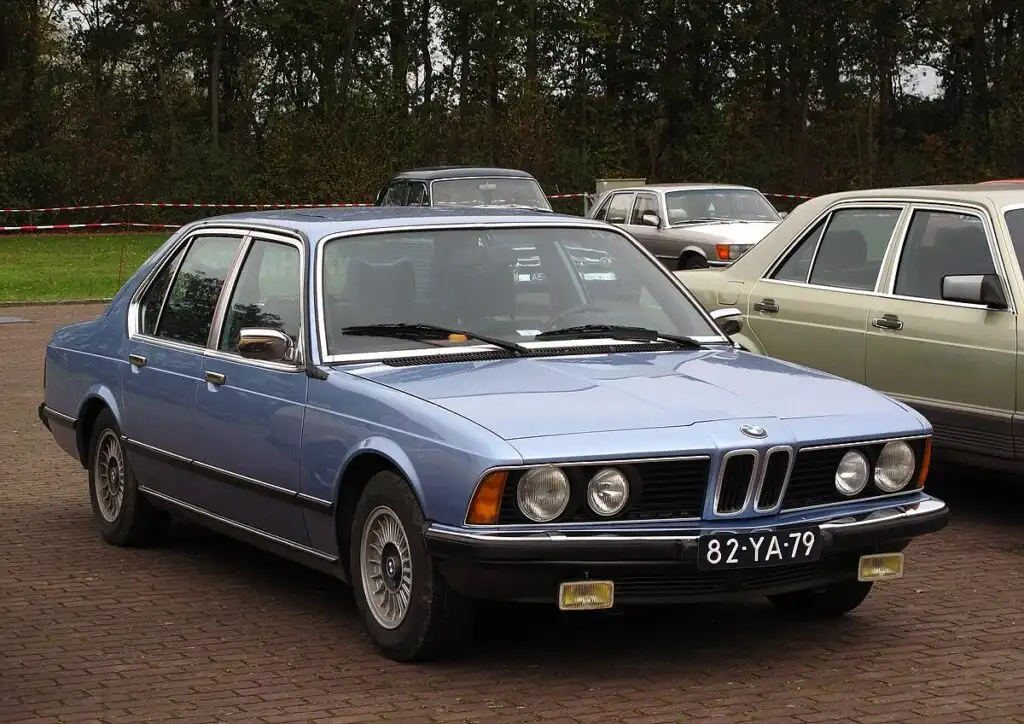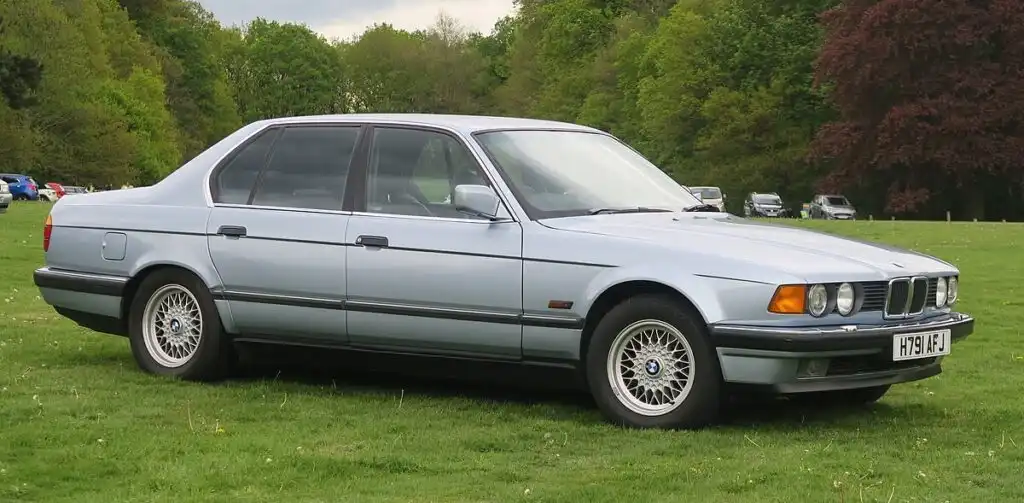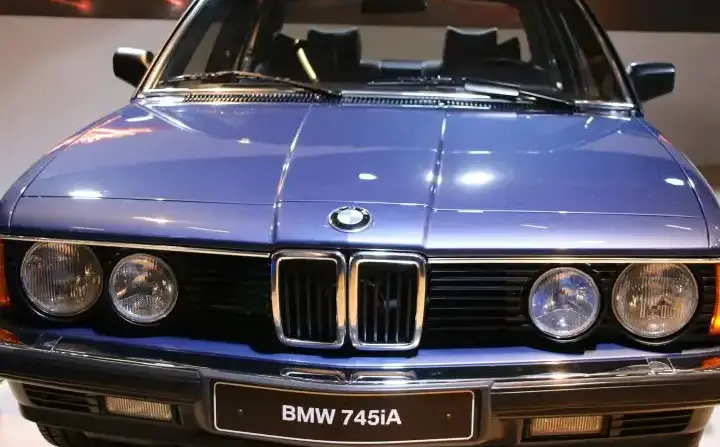
The BMW 735i, produced between 1983 and 1986, represented a significant evolution of the E23 7 Series. This facelifted version of the original 7 Series, internally designated as the E23, aimed to refine the luxury sedan with updated styling and improved mechanical components. The 735i, positioned as a mid-range offering within the lineup, featured a 3.4-liter inline-six engine paired with a four-speed automatic transmission. It served as a crucial model for BMW, solidifying their reputation for building sophisticated and capable luxury automobiles, particularly in the North American and European markets.
Technical Specifications
| Brand | BMW |
| Model | 7 Series |
| Generation | 7 Series (E23, facelift 1983) |
| Type (Engine) | 735i (218 Hp) Automatic |
| Start of production | 1983 |
| End of production | 1986 |
| Powertrain Architecture | Internal Combustion engine |
| Body type | Sedan |
| Seats | 5 |
| Doors | 4 |
| Fuel consumption (economy) – urban | 16 l/100 km (14.7 US mpg, 17.7 UK mpg, 6.3 km/l) |
| Fuel consumption (economy) – extra urban | 7.9 l/100 km (29.8 US mpg, 35.8 UK mpg, 12.7 km/l) |
| Fuel consumption (economy) – combined | 11.2 l/100 km (21 US mpg, 25.2 UK mpg, 8.9 km/l) |
| Fuel Type | Petrol (Gasoline) |
| Acceleration 0 – 100 km/h | 9.4 sec |
| Acceleration 0 – 62 mph | 9.4 sec |
| Acceleration 0 – 60 mph | 8.9 sec |
| Maximum speed | 211 km/h (131.11 mph) |
| Weight-to-power ratio | 7 kg/Hp, 143.4 Hp/tonne |
| Weight-to-torque ratio | 4.9 kg/Nm, 203.9 Nm/tonne |
| Power | 218 Hp @ 5200 rpm |
| Power per litre | 63.6 Hp/l |
| Torque | 310 Nm @ 4000 rpm (228.64 lb.-ft. @ 4000 rpm) |
| Engine layout | Front, Longitudinal |
| Engine Model/Code | M30B34 |
| Engine displacement | 3430 cm3 (209.31 cu. in.) |
| Number of cylinders | 6 |
| Engine configuration | Inline |
| Cylinder Bore | 92 mm (3.62 in.) |
| Piston Stroke | 86 mm (3.39 in.) |
| Compression ratio | 10:1 |
| Number of valves per cylinder | 2 |
| Fuel injection system | Multi-port manifold injection |
| Engine aspiration | Naturally aspirated engine |
| Engine oil capacity | 5.75 l (6.08 US qt | 5.06 UK qt) |
| Coolant | 12 l (12.68 US qt | 10.56 UK qt) |
| Kerb Weight | 1520 kg (3351.03 lbs.) |
| Max. weight | 2010 kg (4431.29 lbs.) |
| Max load | 490 kg (1080.27 lbs.) |
| Trunk (boot) space – minimum | 480 l (16.95 cu. ft.) |
| Fuel tank capacity | 100 l (26.42 US gal | 22 UK gal) |
| Length | 4860 mm (191.34 in.) |
| Width | 1800 mm (70.87 in.) |
| Height | 1430 mm (56.3 in.) |
| Wheelbase | 2795 mm (110.04 in.) |
| Front track | 1502 mm (59.13 in.) |
| Rear (Back) track | 1524 mm (60 in.) |
| Drag coefficient (Cd) | 0.40 |
| Minimum turning circle (turning diameter) | 11.6 m (38.06 ft.) |
| Drivetrain Architecture | The Internal combustion engine (ICE) drives the rear wheels of the vehicle. |
| Drive wheel | Rear wheel drive |
| Number of gears and type of gearbox | 4 gears, automatic transmission |
| Front suspension | Independent, type McPherson with coil spring and anti-roll bar |
| Rear suspension | Independent coil spring |
| Front brakes | Disc |
| Rear brakes | Drum |
| Tires size | 205/70 VR 14 |
| Wheel rims size | 14 |
Powertrain & Engine Architecture
The heart of the 735i was the M30B34 engine, a 3.4-liter inline-six cylinder powerplant. This engine was a further refinement of the M30 family, known for its smoothness and durability. It featured a cast iron block and an aluminum cylinder head, employing a single overhead camshaft (SOHC) design with two valves per cylinder. Bosch L-Jetronic multi-port fuel injection managed fuel delivery, contributing to improved efficiency and reduced emissions compared to earlier carbureted BMW engines. The M30B34 produced 218 horsepower at 5200 rpm and 310 Nm (228.64 lb-ft) of torque at 4000 rpm. The four-speed automatic transmission, a ZF 4HP22 unit, was specifically chosen to provide smooth and comfortable shifts, aligning with the luxury character of the 7 Series. This transmission featured a torque converter and hydraulic control, offering a less engaging but more convenient driving experience than a manual gearbox.
Driving Characteristics
The 735i automatic offered a refined and comfortable driving experience. While not overtly sporty, the 3.4-liter engine provided adequate power for effortless cruising and confident overtaking. The automatic transmission, while smooth, did result in some power loss compared to the available five-speed manual. Acceleration from 0 to 60 mph took approximately 8.9 seconds, and the car could reach a top speed of 211 km/h (131 mph). The gear ratios were optimized for relaxed highway driving, with a focus on fuel efficiency rather than outright performance. Compared to the 733i (with its smaller engine) the 735i offered a noticeable increase in power and responsiveness. However, it lacked the sharper handling and more engaging driving dynamics of the later 750iL models.
Equipment & Trim Levels
The 735i came standard with a comprehensive list of features befitting a luxury sedan of its time. These included power windows, power locks, central locking, air conditioning, and a high-quality sound system. The interior was typically upholstered in leather, with wood trim accents on the dashboard and door panels. Optional extras included a sunroof, heated seats, a rear window sunshade, and upgraded audio systems. The 735i occupied a middle ground in the E23 lineup. It offered a more luxurious experience than the base 733i, but without the higher price tag and more powerful engine of the 750iL.
Chassis & Braking
The E23 7 Series featured an independent suspension system at all four wheels. The front suspension utilized a McPherson strut design with coil springs and an anti-roll bar, while the rear suspension employed a semi-trailing arm setup with coil springs. This configuration provided a comfortable ride and good handling characteristics. The 735i was equipped with disc brakes at the front and drum brakes at the rear. While adequate for normal driving conditions, the rear drum brakes were a point of criticism, as they lacked the stopping power and fade resistance of disc brakes. The car rode on 205/70 VR 14 tires, providing a good balance of grip and ride comfort.
Market Reception & Comparison
The 735i was generally well-received by automotive critics. It was praised for its comfortable ride, refined interior, and smooth engine. However, some critics noted that the automatic transmission dulled the driving experience and that the rear drum brakes were a compromise in a luxury vehicle of this caliber. Compared to its competitors, such as the Mercedes-Benz S-Class and the Audi A8, the 735i offered a more driver-focused experience, with a greater emphasis on handling and responsiveness. Fuel economy was reasonable for the time, averaging around 21 mpg in combined driving. Reliability was generally good, although maintenance costs could be high due to the complexity of the engine and the availability of parts.
Legacy
The BMW E23 735i remains a sought-after classic car today. The M30B34 engine is known for its durability and relatively straightforward maintenance. However, like all classic BMWs, it requires regular attention to prevent issues. The automatic transmission, while reliable, can be expensive to repair if it fails. Well-maintained examples of the 735i are increasingly valuable, appealing to collectors and enthusiasts who appreciate the car’s blend of luxury, performance, and classic BMW styling. The E23 7 Series, and the 735i in particular, laid the foundation for BMW’s continued success in the luxury sedan market, establishing a reputation for engineering excellence and driving pleasure.