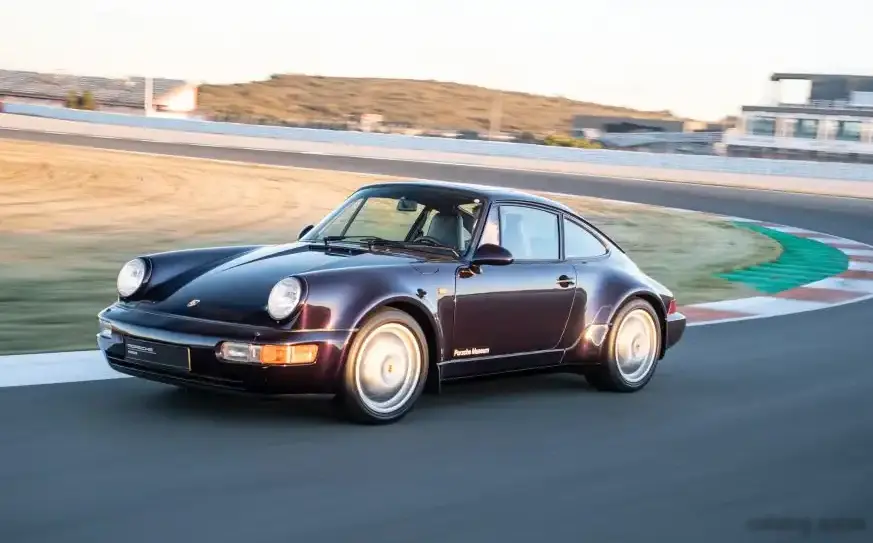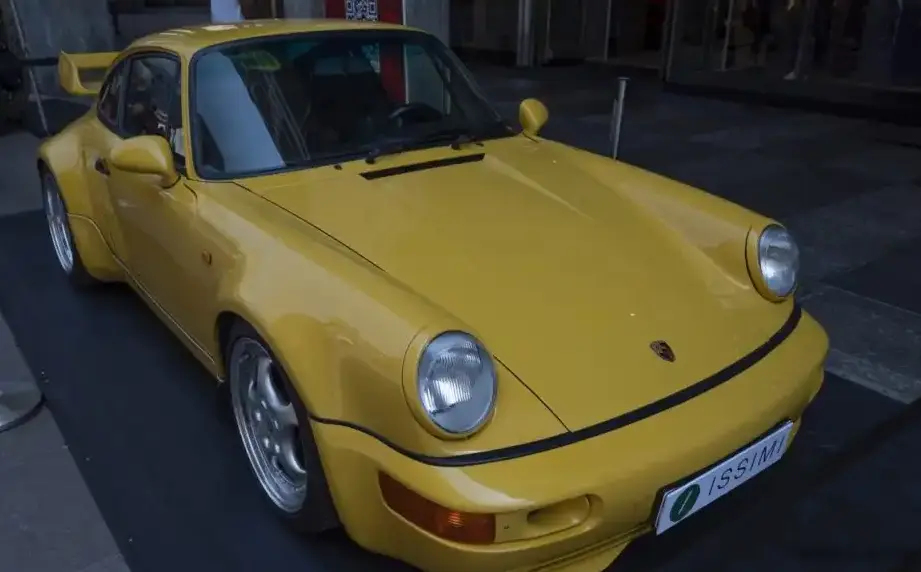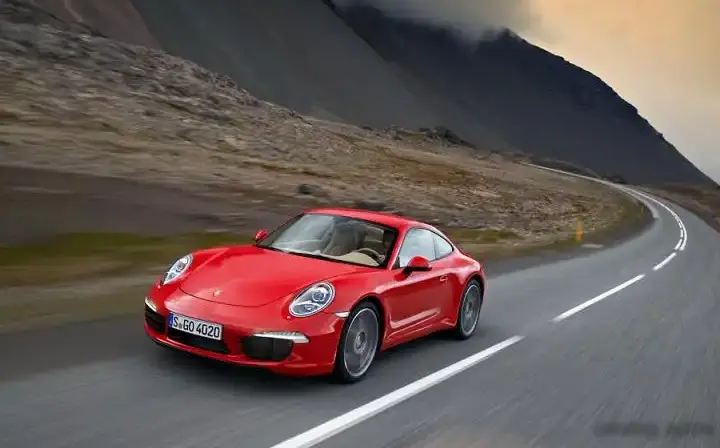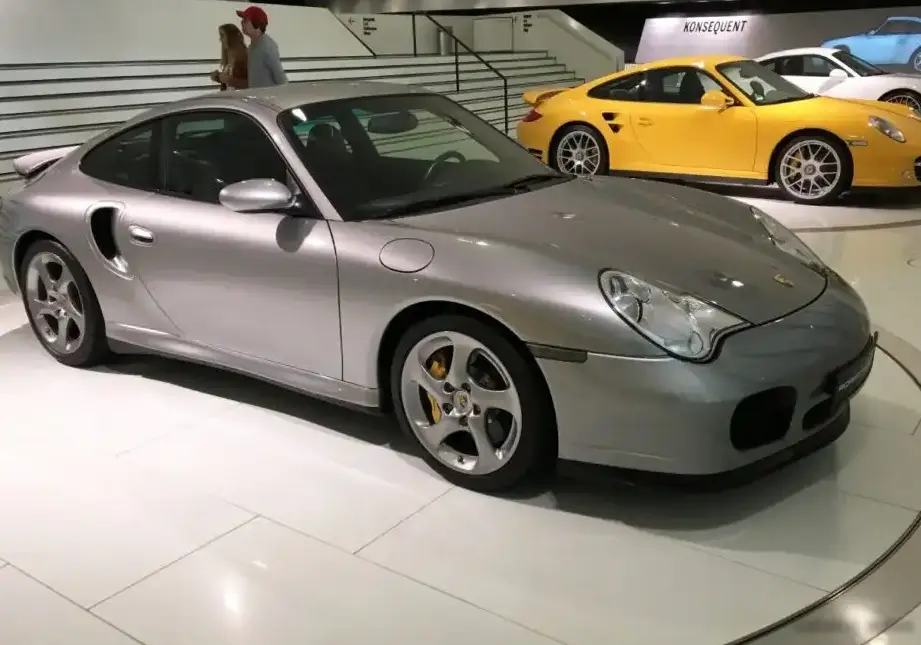
The Porsche 911 Carrera 4 3.6, equipped with the Tiptronic S automatic transmission, represented a significant evolution within the 996 generation of Porsche’s iconic sports car. Produced from 2001 to 2004 as part of the “facelift” update (often referred to as the 996.2), this variant blended the performance of the 3.6-liter flat-six engine with the convenience of an advanced automatic gearbox and the added security of all-wheel drive. It occupied a middle ground in the 996 lineup, offering a more accessible entry point to the Carrera 4 experience than the more expensive and performance-focused manual transmission models.
Technical Specifications
| Brand | Porsche |
| Model | 911 |
| Generation | 911 (996, facelift 2001) |
| Type | Carrera 4 3.6 (320 Hp) Tiptronic S |
| Start of production | 2001 |
| End of production | 2004 |
| Powertrain Architecture | Internal Combustion engine |
| Body type | Coupe |
| Seats | 4 |
| Doors | 2 |
| Fuel consumption (urban) | 18.1 l/100 km (13 US mpg, 15.6 UK mpg, 5.5 km/l) |
| Fuel consumption (extra urban) | 8.7 l/100 km (27 US mpg, 32.5 UK mpg, 11.5 km/l) |
| Fuel consumption (combined) | 11.9 l/100 km (19.8 US mpg, 23.7 UK mpg, 8.4 km/l) |
| Fuel Type | Petrol (Gasoline) |
| Acceleration 0 – 100 km/h | 5.5 sec |
| Acceleration 0 – 62 mph | 5.5 sec |
| Acceleration 0 – 60 mph | 5.2 sec |
| Maximum speed | 280 km/h (173.98 mph) |
| Weight-to-power ratio | 4.7 kg/Hp, 211.9 Hp/tonne |
| Weight-to-torque ratio | 4.1 kg/Nm, 245 Nm/tonne |
| Power | 320 Hp @ 6800 rpm |
| Power per litre | 89 Hp/l |
| Torque | 370 Nm @ 4250 rpm (272.9 lb.-ft. @ 4250 rpm) |
| Engine layout | Rear, Longitudinal |
| Engine Model/Code | M96.05 |
| Engine displacement | 3596 cm3 (219.44 cu. in.) |
| Number of cylinders | 6 |
| Engine configuration | Boxer |
| Cylinder Bore | 96 mm (3.78 in.) |
| Piston Stroke | 82.8 mm (3.26 in.) |
| Compression ratio | 11.3:1 |
| Number of valves per cylinder | 4 |
| Fuel injection system | Multi-port manifold injection |
| Engine aspiration | Naturally aspirated engine |
| Valvetrain | DOHC |
| Engine oil capacity | 8.8 l (9.3 US qt, 7.74 UK qt) |
| Coolant | 31 l (32.76 US qt, 27.28 UK qt) |
| Kerb Weight | 1510 kg (3328.98 lbs.) |
| Max. weight | 1915 kg (4221.85 lbs.) |
| Max load | 405 kg (892.87 lbs.) |
| Trunk (boot) space – maximum | 100 l (3.53 cu. ft.) |
| Fuel tank capacity | 64 l (16.91 US gal, 14.08 UK gal) |
| Length | 4430 mm (174.41 in.) |
| Width | 1770 mm (69.69 in.) |
| Height | 1305 mm (51.38 in.) |
| Wheelbase | 2350 mm (92.52 in.) |
| Front track | 1465 mm (57.68 in.) |
| Rear (Back) track | 1500 mm (59.06 in.) |
| Drive wheel | All wheel drive (4×4) |
| Number of gears and type of gearbox | 5 gears, automatic transmission Tiptronic S |
| Front suspension | Independent type McPherson |
| Rear suspension | Independent multi-link suspension |
| Front brakes | Ventilated discs |
| Rear brakes | Ventilated discs |
| Assisting systems | ABS (Anti-lock braking system) |
| Steering type | Steering rack and pinion |
| Power steering | Hydraulic Steering |
| Tires size | 205/50 R17; 255/40 R17 |
| Wheel rims size | 7J x 17; 9J x 17 |
INTRODUCTION
The 996-generation Porsche 911, launched in 1997, marked a significant departure from its air-cooled predecessors. The 2001 facelift addressed many of the criticisms leveled at the initial 996 models, most notably with a redesigned headlight cluster and numerous mechanical refinements. The Carrera 4 3.6 Tiptronic S, introduced with this facelift, combined the all-weather capability of Porsche’s all-wheel-drive system with a more powerful 3.6-liter engine and the convenience of the Tiptronic S five-speed automatic transmission. This model aimed to provide a comfortable and capable grand touring experience while retaining the core 911 driving characteristics.
Powertrain & Engine Architecture
At the heart of the Carrera 4 3.6 Tiptronic S lies the M96.05 engine, a 3.6-liter naturally aspirated flat-six. This engine featured an aluminum alloy block and heads, a departure from the magnesium used in earlier 911 engines. It utilized a multi-port fuel injection system and a dual overhead camshaft (DOHC) valvetrain with four valves per cylinder. The engine produced 320 horsepower at 6800 rpm and 370 Nm (272.9 lb-ft) of torque at 4250 rpm. The Tiptronic S transmission was a five-speed automatic with a torque converter and the ability for the driver to manually select gears, offering a degree of control not found in traditional automatics. This transmission was known for its relatively quick shifts and smooth operation.
Driving Characteristics
The Carrera 4 3.6 Tiptronic S offered a refined driving experience. While not as overtly sporty as the manual transmission variants, the Tiptronic S provided smooth and effortless acceleration. The all-wheel-drive system enhanced traction, particularly in inclement weather, making it a more usable sports car year-round. The automatic transmission, while convenient, did result in a slight performance deficit compared to the manual, with 0-60 mph times typically around 5.2 seconds. The gear ratios were optimized for both acceleration and cruising comfort, providing a balance between performance and efficiency. The engine’s torque curve delivered strong pull throughout the rev range, making it easy to overtake and maintain highway speeds.
Equipment & Trim Levels
The Carrera 4 3.6 Tiptronic S came standard with a comprehensive list of features, including leather upholstery, automatic climate control, a CD stereo system, and power-adjustable seats. Optional extras were plentiful, allowing buyers to customize their vehicles to their preferences. Popular options included a sunroof, navigation system, sport seats, and upgraded audio systems. The interior trim could be specified in a variety of colors and materials, further enhancing the personalization options.
Chassis & Braking
The 996 Carrera 4 featured an independent suspension system with McPherson struts at the front and a multi-link setup at the rear. The all-wheel-drive system distributed power to all four wheels, enhancing stability and traction. Braking duties were handled by ventilated disc brakes on all four corners, providing ample stopping power. Anti-lock braking system (ABS) was standard. The Carrera 4 also featured a thicker stabilizer bar compared to the rear-wheel-drive Carrera models, further improving handling and reducing body roll.
Market Reception & Comparison
The Carrera 4 3.6 Tiptronic S was generally well-received by automotive critics. It was praised for its comfortable ride, refined performance, and all-weather capability. However, some critics noted that the Tiptronic S transmission lacked the engagement of a manual gearbox. Compared to the Carrera 4 with a manual transmission, the Tiptronic S offered slightly slower acceleration and a less direct driving experience. However, it appealed to buyers who prioritized convenience and ease of use. Compared to the Carrera 2 (rear-wheel drive) models, the Carrera 4 offered superior traction and stability, particularly in challenging conditions.
Legacy
The 996 Carrera 4 3.6 Tiptronic S has become a popular choice among Porsche enthusiasts seeking a well-rounded and reliable 911. The M96 engine, while initially prone to some issues (particularly with intermediate shaft bearings), has proven to be relatively durable when properly maintained. The Tiptronic S transmission, while not as sought after as the manual, offers a comfortable and convenient driving experience. Today, these cars represent a relatively affordable entry point into Porsche ownership, offering a blend of performance, luxury, and iconic styling. Values have been steadily increasing as the 996 generation gains classic status, making it a worthwhile investment for enthusiasts.