
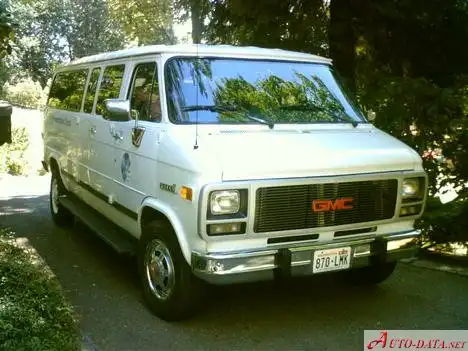
The Chevrolet Van II, specifically equipped with the 5.7-liter V8 engine producing 200 horsepower, represents a significant iteration of Chevrolet’s full-size van lineup. Produced between 1980 and 1983, this variant occupied a position offering a balance between utility and performance within the broader Van II generation. The Van II itself was a continuation of the third-generation Chevrolet/GMC vans, initially introduced in 1977, and aimed to provide a more modern and efficient package compared to its predecessors. This particular V8 configuration was targeted towards buyers needing substantial power for towing, hauling, or commercial applications, while still offering the comfort and space expected of a full-size van.
Technical Specifications
| Brand | Chevrolet |
| Model | Van |
| Generation | Van II |
| Engine Type | 5.7 V8 (200 Hp) |
| Production Years | 1980 – 1983 |
| Powertrain Architecture | Internal Combustion Engine |
| Body Type | Minivan |
| Fuel Type | Petrol (Gasoline) |
| Power Output | 200 Hp |
| Engine Aspiration | Naturally Aspirated |
Powertrain & Engine Architecture
The heart of this Van II variant is Chevrolet’s 5.7-liter (350 cubic inch) small-block V8 engine. This engine, designated internally as the Chevrolet 350, was a mainstay of General Motors’ powertrain lineup for decades, renowned for its durability and relatively simple design. The 1980-1983 iteration utilized a cast iron block and cylinder heads, with a two-barrel carburetor managing fuel delivery. While not the most technologically advanced fuel system by modern standards, it proved reliable and relatively easy to maintain. The engine featured a hydraulic lifter camshaft, contributing to quieter operation and reduced maintenance requirements compared to solid lifter designs. The 5.7L V8 produced 200 horsepower at approximately 4,800 RPM and around 275 lb-ft of torque at 3,200 RPM. The transmission paired with this engine was typically a three-speed automatic, the TH350, known for its robustness. This transmission was selected for its ability to handle the engine’s torque output and provide smooth, if not particularly fuel-efficient, operation. The rear axle ratios varied depending on the intended use of the van, with options ranging from 3.08:1 for highway cruising to 3.73:1 or higher for increased towing capacity.
Driving Characteristics
The 5.7L V8-powered Van II offered a noticeable performance advantage over its smaller-engined counterparts. Acceleration, while not sporty, was brisk enough for confident merging and highway passing. The three-speed automatic transmission, while lacking the sophistication of more modern gearboxes, provided adequate shifting and allowed the engine to operate within its optimal power band. The torque output of the 350 cubic inch engine was particularly beneficial when hauling heavy loads or towing trailers. However, the combination of a large vehicle and a relatively unsophisticated transmission meant that fuel economy was considerably lower than that of vans equipped with smaller engines. The TH350 transmission’s gear ratios were fairly widely spaced, resulting in a noticeable drop in RPM between shifts. This, coupled with the van’s weight, meant that the engine had to work harder to maintain speed, especially when climbing hills or carrying a load. Compared to the six-cylinder options, the V8 provided a much more relaxed driving experience under heavy load, avoiding the need for frequent downshifting.
Equipment & Trim Levels
The Chevrolet Van II with the 5.7L V8 was typically offered in higher trim levels, such as the Chateau or Royal models. Standard equipment generally included cloth upholstery, a basic AM/FM radio, and a steering wheel. Options were plentiful, and could include air conditioning, power steering, power brakes, cruise control, and upgraded interior trim. The Chateau trim offered a slightly more upscale interior with features like carpeting and additional sound insulation. The Royal trim represented the top-of-the-line offering, with features like vinyl or leather upholstery, woodgrain interior trim, and upgraded exterior brightwork. The V8 engine itself was often bundled with other options, such as heavy-duty suspension and a larger radiator, to ensure adequate cooling and handling capabilities. Many vans were also equipped with rear air conditioning and heating units, particularly those intended for passenger transport.
Chassis & Braking
The Van II chassis was a body-on-frame construction, providing a robust and durable platform. The suspension consisted of independent front suspension with coil springs and a solid rear axle with leaf springs. The rear axle was typically a semi-floating design. Braking systems varied depending on the GVWR (Gross Vehicle Weight Rating) of the van. Lower GVWR models typically featured drum brakes on all four wheels, while higher GVWR models were equipped with front disc brakes and rear drum brakes. Power brakes were often included as standard equipment on V8-powered models. Steering was typically manual or power-assisted, with the power steering option being highly desirable for ease of maneuverability. Stabilizer bars were not typically standard equipment, but could be added as an option to improve handling.
Market Reception & Comparison
The 5.7L V8-equipped Chevrolet Van II was generally well-received by buyers who needed a powerful and capable van. Critics acknowledged the engine’s ample power and torque, but also noted the relatively poor fuel economy. Compared to the six-cylinder options, the V8 offered a significant performance advantage, but at a higher price point and with increased operating costs. The V8 was often favored by commercial users, such as plumbers, electricians, and delivery services, who required a van that could handle heavy loads and frequent stops. The V8 also appealed to families who frequently towed trailers or campers. Reliability was generally good, although the carburetor required periodic adjustment and maintenance. The TH350 automatic transmission was known for its durability, but could be prone to wear and tear under heavy use.
Legacy
The 5.7L V8-powered Chevrolet Van II remains a popular choice among classic van enthusiasts and those seeking a robust and reliable work vehicle. The 350 small-block V8 engine is renowned for its parts availability and ease of maintenance, making it a relatively affordable engine to keep running. While fuel economy is a concern by modern standards, the van’s simplicity and durability continue to appeal to many owners. In the used car market, these vans typically command a higher price than those equipped with smaller engines, particularly those in good condition with low mileage. The Van II, and specifically the 5.7L V8 variant, represents a significant chapter in Chevrolet’s van history, offering a blend of power, utility, and classic American styling.
