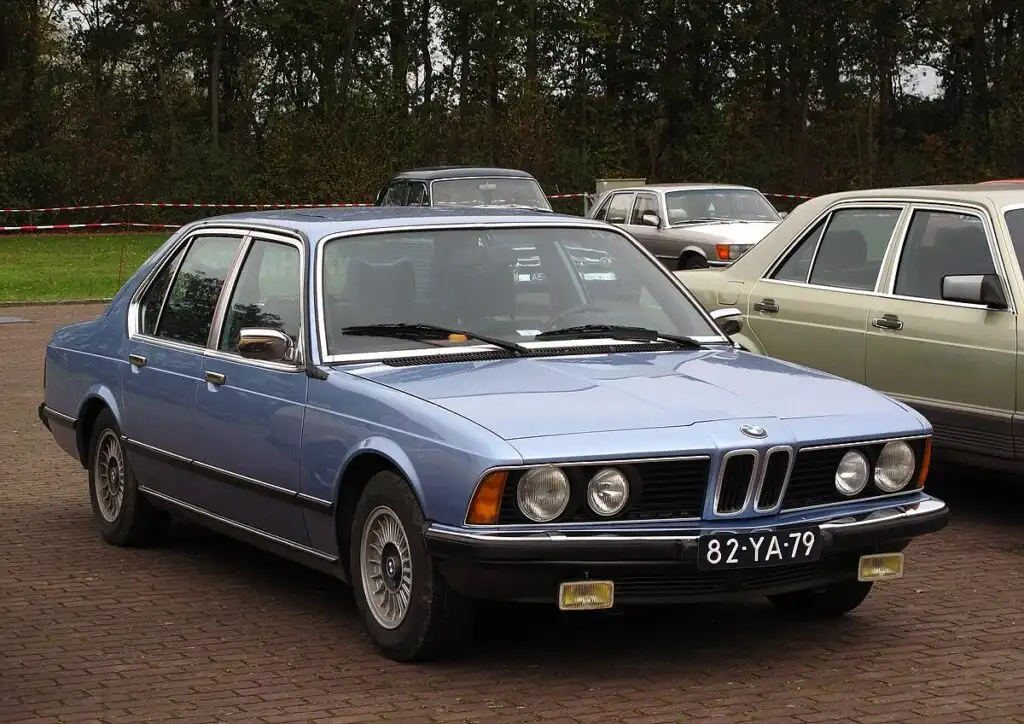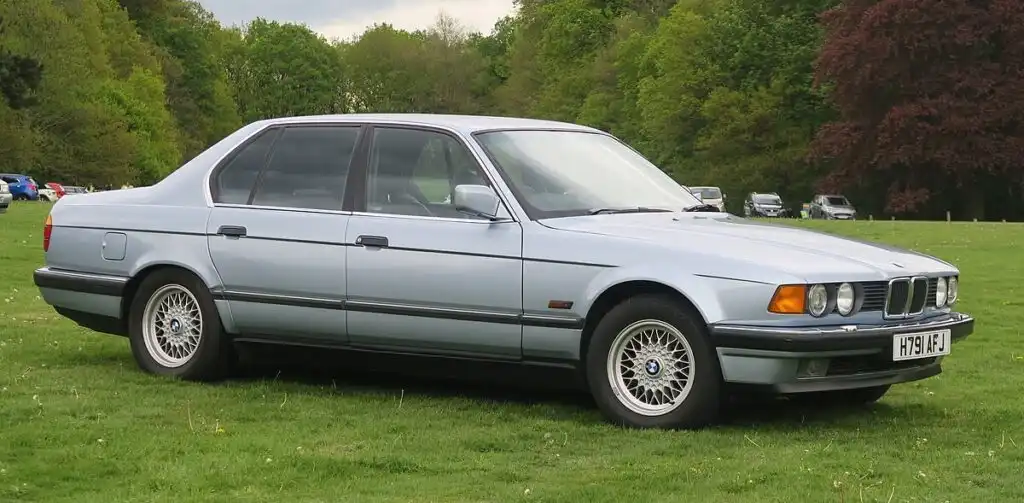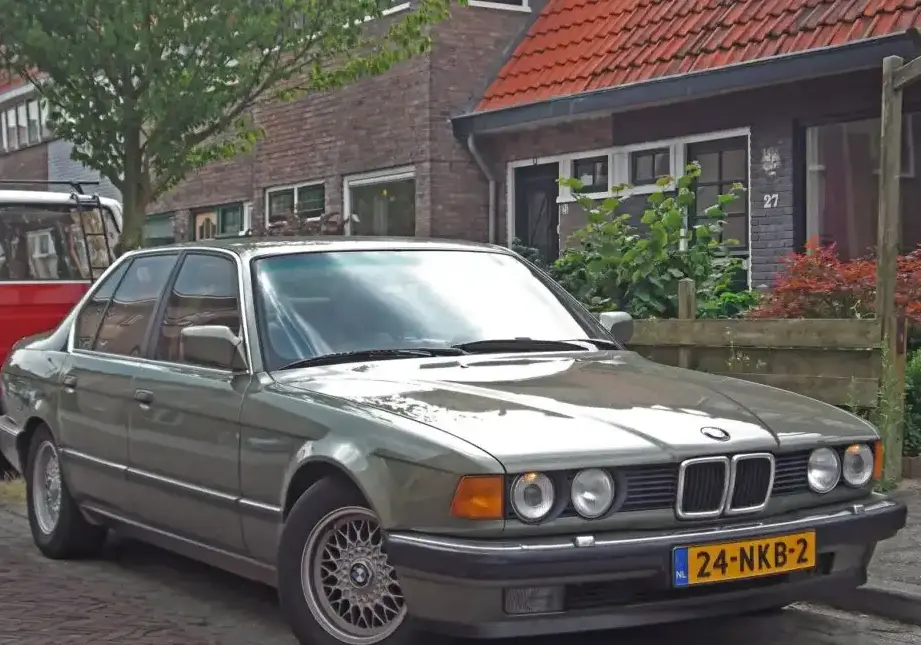
The BMW 730i, produced between 1986 and 1992, was the entry-level model in the E32 generation of the BMW 7 Series. Representing a significant step upmarket for BMW, the E32 aimed to compete directly with the Mercedes-Benz S-Class and establish BMW as a premier luxury car manufacturer. The 730i, powered by the M30B30 engine, offered a balance of performance and efficiency, making it a popular choice for buyers seeking a sophisticated and comfortable saloon. While often overshadowed by its more powerful 735i and 750i siblings, the 730i provided a refined driving experience and served as a gateway into the flagship 7 Series range.
Technical Specifications
| Brand | BMW |
| Model | 7 Series |
| Generation | 7 Series (E32) |
| Type (Engine) | 730i (188 Hp) cat |
| Start of production | 1986 |
| End of production | 1992 |
| Powertrain Architecture | Internal Combustion engine |
| Body type | Sedan |
| Seats | 5 |
| Doors | 4 |
| Fuel consumption (urban) | 16.3 l/100 km (14.4 US mpg, 17.3 UK mpg, 6.1 km/l) |
| Fuel consumption (extra urban) | 7.6 l/100 km (30.9 US mpg, 37.2 UK mpg, 13.2 km/l) |
| Fuel consumption (combined) | 11.1 l/100 km (21.2 US mpg, 25.4 UK mpg, 9 km/l) |
| Fuel Type | Petrol (Gasoline) |
| Acceleration 0 – 100 km/h | 9.4 sec |
| Acceleration 0 – 62 mph | 9.4 sec |
| Acceleration 0 – 60 mph | 8.9 sec |
| Maximum speed | 220 km/h (136.7 mph) |
| Weight-to-power ratio | 8.5 kg/Hp, 117.5 Hp/tonne |
| Weight-to-torque ratio | 6.2 kg/Nm, 162.5 Nm/tonne |
| Power | 188 Hp @ 5800 rpm |
| Power per litre | 63 Hp/l |
| Torque | 260 Nm @ 4000 rpm (191.77 lb.-ft. @ 4000 rpm) |
| Engine layout | Front, Longitudinal |
| Engine Model/Code | M30B30 |
| Engine displacement | 2986 cm3 (182.22 cu. in.) |
| Number of cylinders | 6 |
| Engine configuration | Inline |
| Cylinder Bore | 89 mm (3.5 in.) |
| Piston Stroke | 80 mm (3.15 in.) |
| Compression ratio | 9:1 |
| Number of valves per cylinder | 2 |
| Fuel injection system | Multi-port manifold injection |
| Engine aspiration | Naturally aspirated engine |
| Engine oil capacity | 5.75 l (6.08 US qt | 5.06 UK qt) |
| Coolant | 12 l (12.68 US qt | 10.56 UK qt) |
| Kerb Weight | 1600 kg (3527.4 lbs.) |
| Max. weight | 2130 kg (4695.85 lbs.) |
| Max load | 530 kg (1168.45 lbs.) |
| Trunk (boot) space – minimum | 500 l (17.66 cu. ft.) |
| Fuel tank capacity | 90 l (23.78 US gal | 19.8 UK gal) |
| Length | 4910 mm (193.31 in.) |
| Width | 1845 mm (72.64 in.) |
| Height | 1411 mm (55.55 in.) |
| Wheelbase | 2832 mm (111.5 in.) |
| Front track | 1527 mm (60.12 in.) |
| Rear (Back) track | 1550 mm (61.02 in.) |
| Drag coefficient (Cd) | 0.32 |
| Minimum turning circle | 11.6 m (38.06 ft.) |
| Drivetrain Architecture | Rear wheel drive |
| Drive wheel | Rear wheel drive |
| Number of gears | 5 gears, manual transmission |
| Front suspension | Coil spring |
| Rear suspension | Coil spring |
| Front brakes | Ventilated discs |
| Rear brakes | Disc |
| Assisting systems | ABS (Anti-lock braking system) |
| Steering type | Steering rack and pinion |
| Power steering | Hydraulic Steering |
| Tires size | 205/65 R15 |
| Wheel rims size | 15 |
Powertrain & Engine Architecture
The heart of the 730i was the M30B30, a 3.0-liter inline-six engine. This engine was a further development of the well-regarded M30 family, known for its smoothness and durability. The B30 featured a cast iron block and an aluminum cylinder head, employing a single overhead camshaft (SOHC) design with two valves per cylinder. Fuel delivery was handled by Bosch Motronic multi-port fuel injection, optimizing fuel efficiency and emissions. The engine produced 188 horsepower at 5800 rpm and 260 Nm (191.77 lb-ft) of torque at 4000 rpm. The 730i was initially offered with a 5-speed manual transmission, but a 4-speed automatic transmission was also available, and became increasingly popular among buyers prioritizing comfort and ease of use. The automatic transmission, while not as sporty as the manual, provided smooth shifts and contributed to the car’s overall refined character.
Driving Characteristics
The 730i, particularly with the automatic transmission, offered a comfortable and relaxed driving experience. Acceleration was adequate, with a 0-60 mph time of around 8.9 seconds, but it wasn’t intended to be a performance leader. The focus was on providing a smooth, quiet ride and effortless cruising. The automatic transmission’s gear ratios were tuned for fuel efficiency and comfortable highway driving, rather than aggressive acceleration. Compared to the 735i, which featured a larger 3.5-liter engine with more power, the 730i felt less urgent in its response. However, the 730i’s lighter weight and more balanced chassis made it feel nimble and composed on winding roads. The suspension, tuned for comfort, absorbed bumps and imperfections well, providing a plush ride for both driver and passengers.
Equipment & Trim Levels
The 730i came reasonably well-equipped as standard, reflecting its status as a luxury vehicle. Standard features included power windows, power locks, central locking, air conditioning, and a high-quality sound system. The interior was typically trimmed with cloth upholstery, although leather was available as an option. Wood trim was used extensively throughout the cabin, adding to the sense of luxury. Optional extras included a sunroof, heated seats, a premium sound system, and a telephone system. The 730i was positioned as the entry point to the E32 range, so it lacked some of the more extravagant features found on the higher-end models like the 750i.
Chassis & Braking
The E32 7 Series featured a robust chassis with independent suspension all around. The front suspension utilized coil springs and MacPherson struts, while the rear suspension employed coil springs and semi-trailing arms. This setup provided a good balance of comfort and handling. The 730i was equipped with ventilated disc brakes at the front and solid disc brakes at the rear. Anti-lock braking system (ABS) was standard, enhancing safety and control during hard braking. The steering was a rack-and-pinion system with hydraulic power assistance, providing precise and responsive steering feel.
Market Reception & Comparison
The 730i was generally well-received by critics, who praised its comfortable ride, refined interior, and solid build quality. However, some reviewers noted that its performance was not as exhilarating as that of its more powerful siblings. Compared to the 735i, the 730i offered a more affordable entry point into the E32 range, but at the expense of some performance. Fuel economy was a strong point for the 730i, making it a more practical choice for drivers who covered long distances. Reliability was generally good, although maintenance costs could be high due to the car’s complexity and the cost of parts.
Legacy
The E32 730i remains a sought-after classic car today, particularly among BMW enthusiasts. The M30B30 engine is known for its durability and relatively straightforward maintenance. While finding well-maintained examples can be challenging, the 730i offers a unique blend of luxury, comfort, and classic BMW driving dynamics. The car’s relatively simple technology compared to modern vehicles makes it appealing to those who enjoy working on their own cars. The 730i represents a pivotal moment in BMW’s history, marking its transition to a true luxury car manufacturer and establishing the 7 Series as a benchmark in the segment.