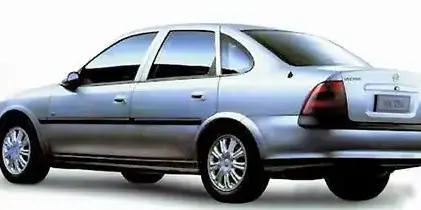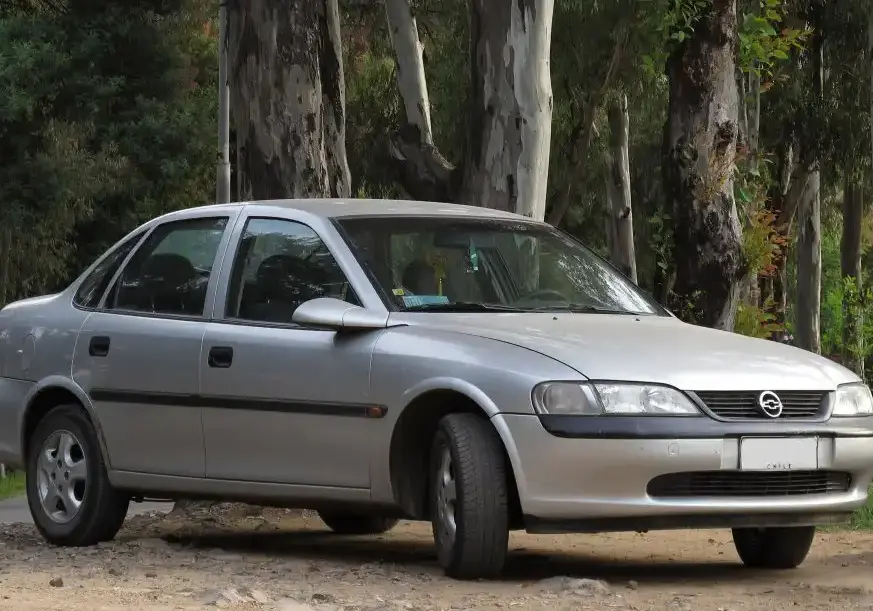
The Chevrolet Vectra 2.0 GLSi 16V, produced between 1993 and 1996, represented a significant step forward for Chevrolet’s presence in the European mid-size car segment. Part of the first generation (Vectra A) of the model, it aimed to replace the aging Opel/Chevrolet Ascona and Cavalier. The GLSi 16V trim level positioned itself as a sporty, well-equipped offering within the Vectra range, appealing to drivers seeking a balance of performance and comfort. This variant was primarily sold in Europe, where it competed with established rivals like the Ford Mondeo, Volkswagen Passat, and Peugeot 405.
Technical Specifications
| Brand | Chevrolet |
| Model | Vectra |
| Generation | Vectra A |
| Type (Engine) | 2.0 GLSi 16V (150 Hp) |
| Start of production | 1993 |
| End of production | 1996 |
| Powertrain Architecture | Internal Combustion engine |
| Body type | Sedan |
| Seats | 5 |
| Doors | 4 |
| Fuel Type | Petrol (Gasoline) |
| Acceleration 0 – 100 km/h | 8 sec |
| Acceleration 0 – 62 mph | 8 sec |
| Acceleration 0 – 60 mph | 7.6 sec |
| Maximum speed | 210 km/h (130.49 mph) |
| Weight-to-power ratio | 8.1 kg/Hp, 123 Hp/tonne |
| Weight-to-torque ratio | 6.2 kg/Nm, 160.7 Nm/tonne |
| Power | 150 Hp @ 6000 rpm |
| Power per litre | 75.1 Hp/l |
| Torque | 196 Nm @ 4000 rpm (144.56 lb.-ft. @ 4000 rpm) |
| Engine layout | Front, Transverse |
| Engine Model/Code | C20XE |
| Engine displacement | 1998 cm3 (121.93 cu. in.) |
| Number of cylinders | 4 |
| Engine configuration | Inline |
| Cylinder Bore | 86 mm (3.39 in.) |
| Piston Stroke | 86 mm (3.39 in.) |
| Compression ratio | 10.5:1 |
| Number of valves per cylinder | 4 |
| Fuel injection system | Multi-port manifold injection |
| Engine aspiration | Naturally aspirated engine |
| Valvetrain | OHC |
| Engine oil capacity | 4.5 l (4.76 US qt | 3.96 UK qt) |
| Kerb Weight | 1220 kg (2689.64 lbs.) |
| Max. weight | 1740 kg (3836.04 lbs.) |
| Max load | 520 kg (1146.4 lbs.) |
| Trunk (boot) space – minimum | 530 l (18.72 cu. ft.) |
| Fuel tank capacity | 57 l (15.06 US gal | 12.54 UK gal) |
| Length | 4432 mm (174.49 in.) |
| Width | 1706 mm (67.17 in.) |
| Height | 1375 mm (54.13 in.) |
| Wheelbase | 2600 mm (102.36 in.) |
| Front track | 1426 mm (56.14 in.) |
| Rear (Back) track | 1446 mm (56.93 in.) |
| Drivetrain Architecture | The Internal combustion engine (ICE) drives the front wheels of the vehicle. |
| Drive wheel | Front wheel drive |
| Number of gears and type of gearbox | 5 gears, manual transmission |
| Front suspension | Coil spring |
| Rear suspension | Coil spring |
| Front brakes | Ventilated discs |
| Rear brakes | Disc |
| Assisting systems | ABS (Anti-lock braking system) |
| Steering type | Steering rack and pinion |
| Power steering | Hydraulic Steering |
| Tires size | 195/65 R15 V |
Powertrain & Engine Architecture
The heart of the Vectra 2.0 GLSi 16V was the C20XE engine, a 1998cc inline-four cylinder powerplant. This engine was a member of Chevrolet’s ‘E’ family of engines, known for their robust construction and relatively high output. The ‘XE’ designation indicated a dual overhead camshaft (DOHC) configuration with four valves per cylinder, contributing to its improved breathing and power delivery. Fuel delivery was handled by a Bosch Motronic multi-port fuel injection system, optimizing the air-fuel mixture for efficient combustion. The engine featured a compression ratio of 10.5:1. The five-speed manual transmission was the standard offering, providing precise gear changes and allowing the driver to fully exploit the engine’s power band. The transmission was a front-wheel drive configuration, typical for European family sedans of the era.
Driving Characteristics
The 150 horsepower and 144.56 lb-ft of torque produced by the C20XE engine provided the Vectra 2.0 GLSi 16V with respectable performance. Acceleration from 0 to 60 mph was achieved in around 7.6 seconds, and it could reach a top speed of 130.49 mph. While not a sports car, the GLSi 16V offered a noticeably more engaging driving experience than the lower-powered versions of the Vectra. The five-speed manual transmission allowed for precise control, and the engine responded well to being revved. Compared to the base 1.4 or 1.6-liter models, the 2.0 GLSi 16V felt significantly more capable, particularly when overtaking or carrying a full load of passengers. The gear ratios were well-matched to the engine’s power curve, providing good acceleration in each gear.
Equipment & Trim Levels
The GLSi trim level placed the 2.0 16V variant in the upper-mid range of the Vectra lineup. Standard equipment included central locking, electric front windows, power steering, and an anti-lock braking system (ABS). The interior typically featured cloth upholstery, although leather options were available. The dashboard layout was functional and straightforward, with clear instrumentation. Optional extras included a sunroof, air conditioning, and upgraded audio systems. The GLSi also often featured alloy wheels, adding to its sporty appearance.
Chassis & Braking
The Vectra A utilized a MacPherson strut front suspension and a semi-independent torsion beam rear suspension. This setup provided a good balance between ride comfort and handling. The front brakes were ventilated discs, offering strong stopping power, while the rear brakes were solid discs. The ABS system further enhanced braking performance, particularly in slippery conditions. The steering was a rack-and-pinion system with hydraulic power assistance, providing precise and responsive steering feel. The suspension was tuned to provide a comfortable ride for everyday driving, while still offering reasonable body control during cornering.
Market Reception & Comparison
The Chevrolet Vectra 2.0 GLSi 16V was generally well-received by automotive critics. It was praised for its strong engine, comfortable ride, and good value for money. However, some critics noted that the interior quality was not quite as refined as some of its rivals, such as the Ford Mondeo and Volkswagen Passat. In terms of fuel economy, the 2.0 GLSi 16V offered reasonable figures for its class, but it was not as economical as the smaller-engined versions of the Vectra. Reliability was generally good, although some owners reported minor issues with the electrical system. Compared to the lower-powered Vectra models, the 2.0 GLSi 16V offered a significant performance upgrade, making it a more appealing option for drivers who enjoyed a more spirited driving experience.
Legacy
The C20XE engine proved to be a durable and reliable unit, and many examples are still on the road today. The Vectra 2.0 GLSi 16V has developed a following among enthusiasts who appreciate its classic styling and engaging driving dynamics. In the used car market, these models are generally sought after, particularly those that have been well-maintained. While not a collector’s item, the Vectra 2.0 GLSi 16V represents a significant chapter in Chevrolet’s European history and remains a capable and enjoyable car for those seeking a classic 1990s family sedan.