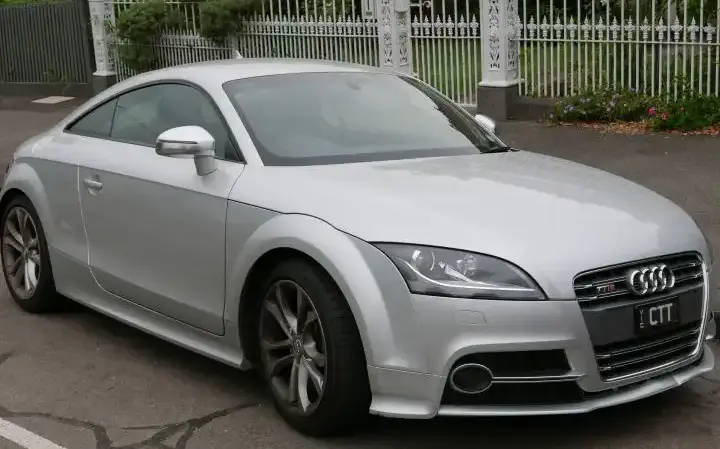
Technical Specifications
| Brand | Audi |
| Model | TT |
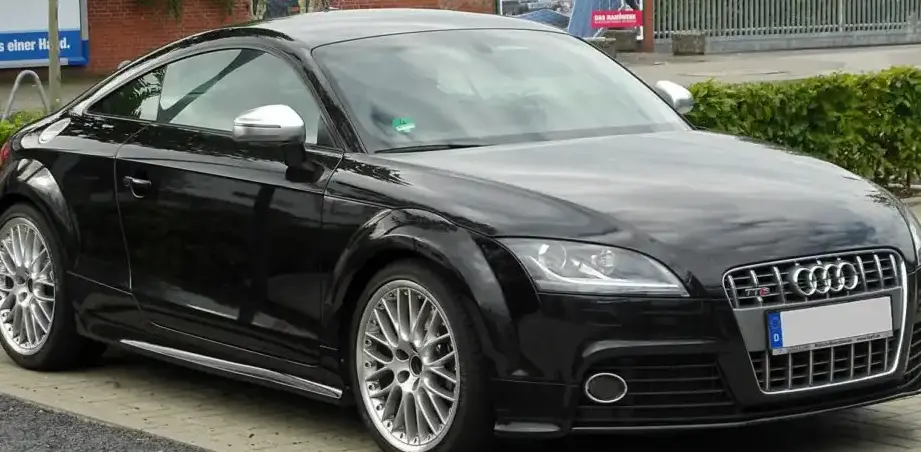
| Generation | TTS Coupe (8J, facelift 2010) |
| Type (Engine) | 2.0 TFSI (272 Hp) quattro |
| Start of production | 2010 |
| End of production | June, 2014 |
| Powertrain Architecture | Internal Combustion engine |
| Body type | Coupe |
| Seats | 4 |
| Doors | 3 |
| Fuel consumption (urban) | 10.8 l/100 km (21.8 US mpg, 26.2 UK mpg, 9.3 km/l) |
| Fuel consumption (extra urban) | 6.2 l/100 km (37.9 US mpg, 45.6 UK mpg, 16.1 km/l) |
| Fuel consumption (combined) | 7.9 l/100 km (29.8 US mpg, 35.8 UK mpg, 12.7 km/l) |
| CO2 emissions | 184 g/km |
| Fuel Type | Petrol (Gasoline) |
| Acceleration 0 – 100 km/h | 5.4 sec |
| Acceleration 0 – 62 mph | 5.4 sec |
| Acceleration 0 – 60 mph | 5.1 sec |
| Maximum speed | 250 km/h (155.34 mph) |
| Emission standard | Euro 5 |
| Weight-to-power ratio | 5.1 kg/Hp, 195 Hp/tonne |
| Weight-to-torque ratio | 4 kg/Nm, 250.9 Nm/tonne |
| Power | 272 Hp @ 6000 rpm |
| Power per litre | 137.1 Hp/l |
| Torque | 350 Nm @ 2500-5000 rpm (258.15 lb.-ft. @ 2500-5000 rpm) |
| Engine layout | Front, Transverse |
| Engine Model/Code | CDLB |
| Engine displacement | 1984 cm3 (121.07 cu. in.) |
| Number of cylinders | 4 |
| Engine configuration | Inline |
| Cylinder Bore | 82.5 mm (3.25 in.) |
| Piston Stroke | 92.8 mm (3.65 in.) |
| Compression ratio | 9.8:1 |
| Number of valves per cylinder | 4 |
| Fuel injection system | Direct injection |
| Engine aspiration | Turbocharger, Intercooler |
| Valvetrain | DOHC |
| Engine oil capacity | 4.5 l (4.76 US qt | 3.96 UK qt) |
| Coolant | 9 l (9.51 US qt | 7.92 UK qt) |
| Kerb Weight | 1395 kg (3075.45 lbs.) |
| Max. weight | 1795 kg (3957.3 lbs.) |
| Max load | 400 kg (881.85 lbs.) |
| Trunk (boot) space – minimum | 292 l (10.31 cu. ft.) |
| Trunk (boot) space – maximum | 700 l (24.72 cu. ft.) |
| Fuel tank capacity | 60 l (15.85 US gal | 13.2 UK gal) |
| Max. roof load | 75 kg (165.35 lbs.) |
| Length | 4198 mm (165.28 in.) |
| Width | 1842 mm (72.52 in.) |
| Width including mirrors | 1952 mm (76.85 in.) |
| Height | 1345 mm (52.95 in.) |
| Wheelbase | 2468 mm (97.17 in.) |
| Front track | 1555 mm (61.22 in.) |
| Rear (Back) track | 1546 mm (60.87 in.) |
| Front overhang | 911 mm (35.87 in.) |
| Rear overhang | 819 mm (32.24 in.) |
| Drag coefficient (Cd) | 0.31 |
| Minimum turning circle | 10.96 m (35.96 ft.) |
| Drive wheel | All wheel drive (4×4) |
| Number of gears and type of gearbox | 6 gears, manual transmission |
| Front suspension | Independent, type McPherson with coil spring and anti-roll bar |
| Rear suspension | Independent multi-link spring suspension with stabilizer |
| Front brakes | Ventilated discs |
| Rear brakes | Ventilated discs |
| Assisting systems | ABS (Anti-lock braking system) |
| Steering type | Steering rack and pinion |
| Tires size | 245/40 R18 |
| Wheel rims size | 9J x 18 |
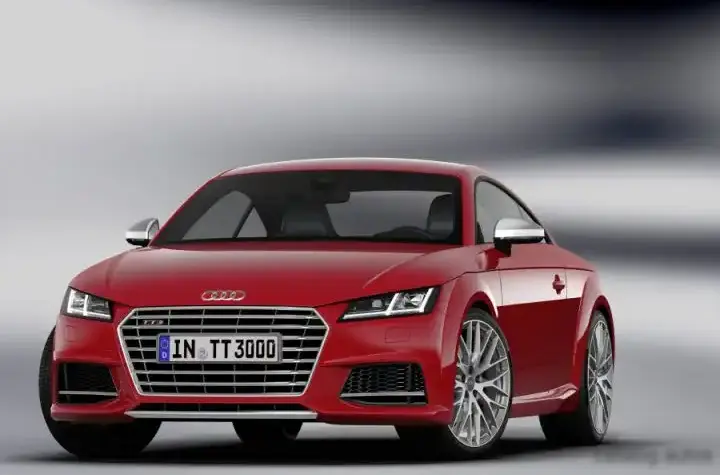
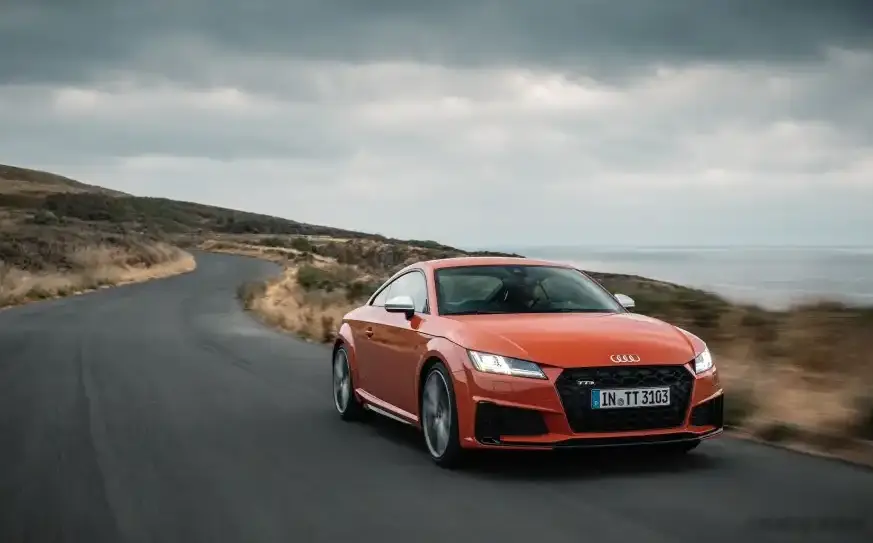
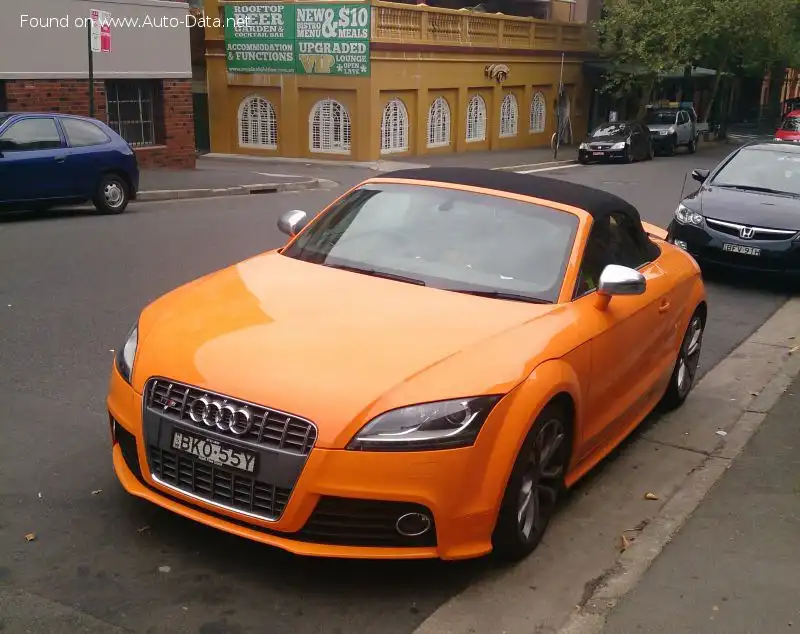
The 2010-2014 Audi TTS Coupe 2.0 TFSI quattro, built on the 8J platform, represented a significant step up in performance from the base TT. Positioned as the sportier variant, it offered increased power, a more aggressive aesthetic, and enhanced handling characteristics. The 8J generation TT, launched in 2006, aimed to modernize the TT formula, moving away from the Bauhaus-inspired original while retaining its core design principles. The facelift in 2010 refined the styling, improved efficiency, and introduced updated technology, making the TTS a compelling option for buyers seeking a premium, performance-oriented coupe.
Powertrain & Engine Architecture
At the heart of the TTS Coupe lies the 2.0 TFSI engine, specifically the CDLB engine code. This is a direct-injection, turbocharged four-cylinder engine producing 272 horsepower at 6000 rpm and 350 Nm (258 lb-ft) of torque between 2500 and 5000 rpm. The engine utilizes a single-scroll turbocharger with an intercooler to manage intake temperatures. Direct fuel injection ensures precise fuel delivery, optimizing combustion efficiency and power output. The engine features a dual overhead camshaft (DOHC) valvetrain with four valves per cylinder. The 6-speed manual transmission was standard, delivering power to all four wheels via Audi’s renowned quattro all-wheel-drive system. The quattro system employs a multi-plate clutch to distribute torque between the front and rear axles, providing optimal traction in various driving conditions.
Driving Characteristics
The TTS Coupe’s driving experience is characterized by its responsive acceleration and sure-footed handling. The 272 hp engine provides ample power for spirited driving, with the turbocharger delivering a noticeable boost in torque. The 0-60 mph sprint takes approximately 5.1 seconds, and the car is electronically limited to a top speed of 155 mph. The manual transmission offers precise shifts, allowing drivers to fully engage with the car’s performance. The quattro all-wheel-drive system provides exceptional grip, particularly in wet or slippery conditions. Compared to the standard TT’s 2.0 TFSI engine (producing around 211 hp), the TTS offers a substantial performance upgrade. While the base TT prioritizes fuel efficiency and everyday usability, the TTS is geared towards enthusiasts who demand a more engaging driving experience.
Equipment & Trim Levels
The TTS Coupe came well-equipped as standard, reflecting its position as the premium variant. Standard features included sport seats upholstered in a combination of leather and Alcantara, a flat-bottomed steering wheel, aluminum interior trim, and a premium sound system. Exterior features included a unique front grille, rear spoiler, and 19-inch alloy wheels. Optional extras included navigation system, Bang & Olufsen sound system, and various customization options for interior and exterior finishes. The TTS trim level was generally considered the sweet spot for those wanting a balance of performance and luxury within the 8J TT range.
Chassis & Braking
The TTS Coupe features a sport-tuned suspension with stiffer springs and dampers compared to the standard TT. This results in reduced body roll and improved handling precision. The front suspension utilizes McPherson struts, while the rear suspension employs a multi-link setup. Ventilated disc brakes are fitted on all four wheels, providing ample stopping power. The ABS (Anti-lock Braking System) ensures safe and controlled braking in emergency situations. The chassis was designed to handle the increased power output of the 2.0 TFSI engine, providing a stable and confident driving experience.
Market Reception & Comparison
The Audi TTS Coupe was generally well-received by automotive critics, who praised its performance, handling, and refined interior. It was often compared to rivals such as the BMW Z4 and Porsche Cayman. While the Cayman offered a more focused driving experience, the TTS provided a more comfortable and practical daily driver. Fuel economy was respectable for a performance coupe, averaging around 29.8 US mpg in combined driving. Reliability was generally good, although some owners reported minor issues with the turbocharger and direct injection system.
Legacy
The 2010-2014 Audi TTS Coupe 2.0 TFSI quattro remains a popular choice in the used car market. Its combination of performance, style, and practicality has ensured its enduring appeal. The 2.0 TFSI engine, while requiring regular maintenance, is generally considered reliable. The quattro all-wheel-drive system continues to be a major selling point, providing confidence in all weather conditions. As a performance coupe from a premium brand, the TTS Coupe represents a compelling value proposition for enthusiasts seeking a rewarding driving experience.