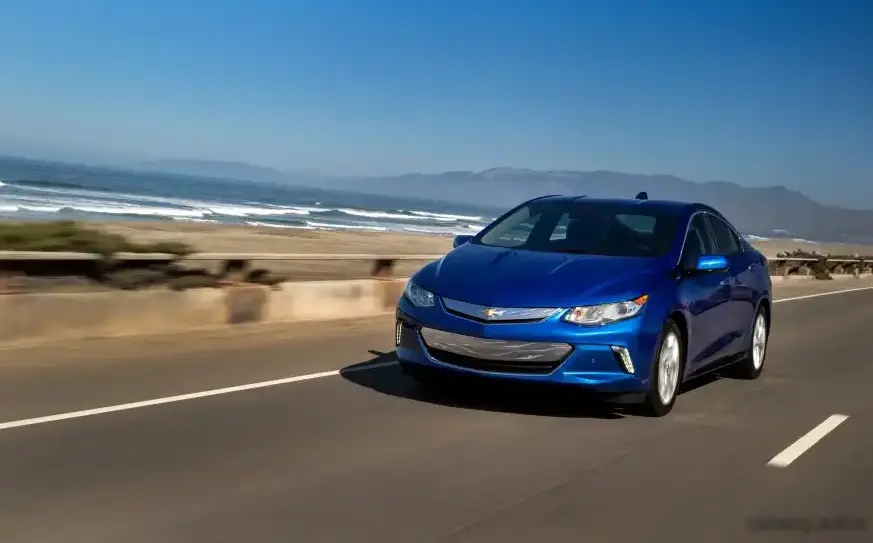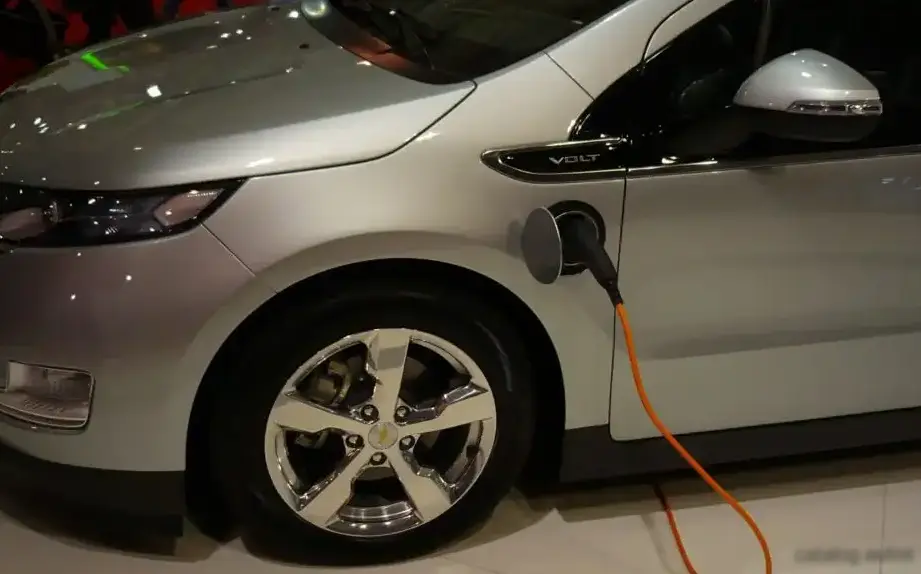
The Chevrolet Volt, introduced for the 2011 model year, represented General Motors’ first serious foray into the plug-in hybrid electric vehicle (PHEV) market. The first generation Volt (often referred to as the Volt I) was produced from 2011 through 2015, with minor changes occurring throughout its lifespan. The 1.4-liter (150 hp) variant, utilizing a gasoline engine paired with an electric drive system, was the sole powertrain offered during the 2011 and 2012 model years. Positioned as a technologically advanced and fuel-efficient alternative to traditional gasoline-powered compact cars, the Volt aimed to alleviate range anxiety associated with pure electric vehicles while still offering substantial electric-only driving capability. It competed with emerging hybrid technologies and served as a crucial stepping stone for GM’s electrification strategy.
Technical Specifications
| Brand | Chevrolet |
| Model | Volt |
| Generation | Volt I |
| Type (Engine) | 1.4 (150 Hp) Plug-in Hybrid |
| Start of production | 2011 |
| End of production | 2012 |
| Powertrain Architecture | PHEV (Plug-in Hybrid Electric Vehicle) |
| Body type | Hatchback |
| Seats | 4 |
| Doors | 5 |
| Fuel consumption (combined) | 6.3 l/100 km (37.3 US mpg, 44.8 UK mpg, 15.9 km/l) |
| Fuel Type | Petrol / electricity |
| Weight-to-power ratio | 11.4 kg/Hp, 87.5 Hp/tonne |
| Weight-to-torque ratio | 4.6 kg/Nm, 215.7 Nm/tonne |
| Gross battery capacity | 16 kWh |
| All-electric range | 56 km (34.8 mi) |
| Electric motor power | 150 Hp |
| Electric motor Torque | 370 Nm (272.9 lb.-ft.) |
| System power | 150 Hp |
| System torque | 370 Nm (272.9 lb.-ft.) |
| Internal combustion engine Power | 84 Hp @ 4800 rpm |
| Power per litre | 60.1 Hp/l |
| Maximum engine speed | 4800 rpm |
| Engine layout | Front, Transverse |
| Engine Model/Code | LUU |
| Engine displacement | 1398 cm3 (85.31 cu. in.) |
| Number of cylinders | 4 |
| Engine configuration | Inline |
| Cylinder Bore | 73.4 mm (2.89 in.) |
| Piston Stroke | 82.6 mm (3.25 in.) |
| Compression ratio | 10.5:1 |
| Number of valves per cylinder | 4 |
| Fuel injection system | Multi-port manifold injection |
| Valvetrain | DOHC |
| Engine oil capacity | 3.5 l (3.7 US qt | 3.08 UK qt) |
| Coolant | 7.3 l (7.71 US qt | 6.42 UK qt) |
| Kerb Weight | 1715 kg (3780.93 lbs.) |
| Max. weight | 2079 kg (4583.41 lbs.) |
| Max load | 364 kg (802.48 lbs.) |
| Trunk (boot) space – minimum | 300 l (10.59 cu. ft.) |
| Fuel tank capacity | 35.2 l (9.3 US gal | 7.74 UK gal) |
| Length | 4498 mm (177.09 in.) |
| Width | 1788 mm (70.39 in.) |
| Height | 1430 mm (56.3 in.) |
| Wheelbase | 2685 mm (105.71 in.) |
| Front track | 1556 mm (61.26 in.) |
| Rear (Back) track | 1578 mm (62.13 in.) |
| Drag coefficient (Cd) | 0.28 |
| Minimum turning circle | 11 m (36.09 ft.) |
| Drive wheel | Front wheel drive |
| Number of gears and type of gearbox | automatic transmission Multi-mode electric |
| Front suspension | Independent, type McPherson with coil spring and anti-roll bar |
| Rear suspension | Torsion |
| Front brakes | Ventilated discs |
| Rear brakes | Ventilated discs |
| Assisting systems | ABS (Anti-lock braking system) |
| Steering type | Steering rack and pinion |
| Power steering | Electric Steering |
| Tires size | 215/50 R17 |
| Wheel rims size | 7.0J x 17 |
Powertrain & Engine Architecture
The Chevrolet Volt’s powertrain was a complex system designed to maximize efficiency. At its heart was a 1.4-liter inline-four cylinder gasoline engine (LUU code). This engine, producing 84 horsepower and 89 lb-ft of torque, wasn’t designed to directly drive the wheels. Instead, it functioned primarily as a generator, powering the 16 kWh lithium-ion battery pack and, when necessary, directly assisting the electric motor. The engine utilized multi-port fuel injection and a double overhead camshaft (DOHC) valvetrain. The electric motor, delivering 150 horsepower and a substantial 273 lb-ft of torque, was the primary source of propulsion. The Volt employed a unique planetary gearset transmission, effectively a single-speed unit, that blended power from the engine and electric motor seamlessly. This transmission allowed for both electric-only operation, engine-only operation (to charge the battery), and a combined mode where both power sources worked in unison. The battery pack was positioned under the floor, contributing to a low center of gravity and improved handling.
Driving Characteristics
The 1.4-liter automatic Volt offered a distinctly different driving experience compared to its gasoline-powered counterparts. In electric-only mode, acceleration was brisk and quiet, with the instant torque of the electric motor providing responsive performance. The combined range of the gasoline engine and electric motor was approximately 350 miles. When the battery was depleted, the gasoline engine would engage to power the electric motor, resulting in a noticeable, though not jarring, shift in engine sound and feel. The automatic transmission, while simple in design, was well-suited to the electric motor’s characteristics, providing smooth and predictable power delivery. Compared to a manual transmission, the automatic offered greater convenience, particularly in urban driving. However, some drivers noted a slight disconnect between engine speed and vehicle acceleration during engine-powered operation. The Volt’s regenerative braking system captured energy during deceleration, further enhancing efficiency.
Equipment & Trim Levels
The 2011-2012 Chevrolet Volt was primarily offered in a single, well-equipped trim level. Standard features included keyless entry, a touchscreen infotainment system with navigation, Bluetooth connectivity, automatic climate control, and a premium sound system. Interior upholstery was typically cloth, with optional leather seating available. Safety features included a comprehensive suite of airbags, anti-lock brakes (ABS), and stability control. Optional extras included a Bose premium audio system, a rear vision camera, and various exterior styling enhancements. The interior design prioritized functionality and a modern aesthetic, with a focus on displaying energy consumption data to the driver.
Chassis & Braking
The Volt utilized a front-wheel-drive layout with an independent McPherson strut suspension in the front and a torsion beam suspension in the rear. This suspension setup provided a comfortable ride quality, although it wasn’t particularly sporty. The Volt’s relatively heavy weight (approximately 3,781 lbs) due to the battery pack necessitated a robust braking system. Ventilated disc brakes were used on all four wheels, providing ample stopping power. The ABS system helped to maintain control during emergency braking maneuvers. The electric power steering offered light and precise steering feel.
Market Reception & Comparison
The Chevrolet Volt received generally positive reviews from automotive critics. It was praised for its innovative technology, fuel efficiency, and comfortable ride. However, some critics noted the relatively high price compared to other compact cars and the limited all-electric range. Compared to the Nissan Leaf, another early electric vehicle, the Volt offered the advantage of a gasoline engine for extended range. Against traditional hybrids like the Toyota Prius, the Volt provided a greater electric-only driving experience. Fuel economy was a key selling point, with the Volt achieving an EPA-estimated 37.3 mpg in combined driving. Reliability proved to be a mixed bag in early years, with some owners reporting issues with the battery pack and charging system.
Legacy
The Chevrolet Volt played a pivotal role in popularizing plug-in hybrid technology and paving the way for future electric vehicles. While early models experienced some teething issues, the Volt’s powertrain proved to be generally durable over the long term. Today, used Volt models represent an affordable entry point into the world of electric driving. The battery pack, while showing some degradation over time, typically retains a significant portion of its original capacity. The Volt’s legacy extends beyond its technical specifications; it demonstrated that electric vehicles could be practical and appealing to a wider audience, helping to accelerate the adoption of electric and hybrid technologies.