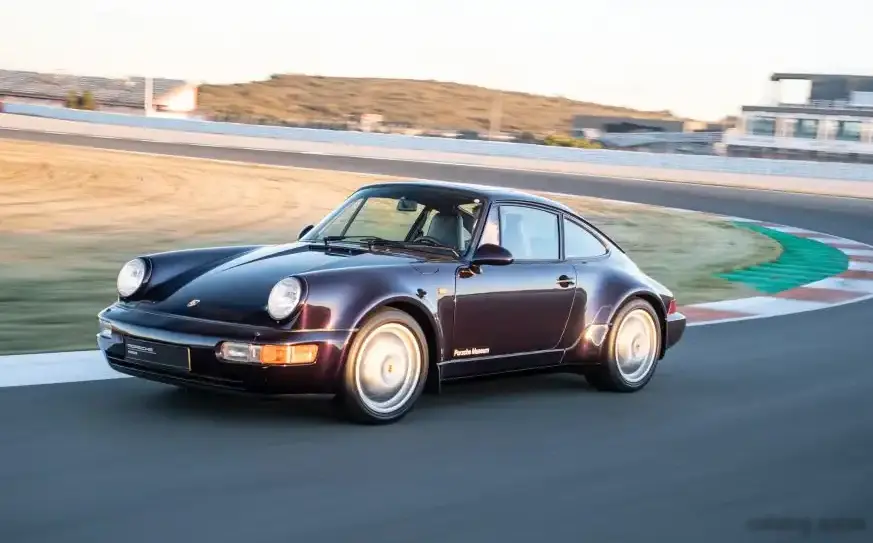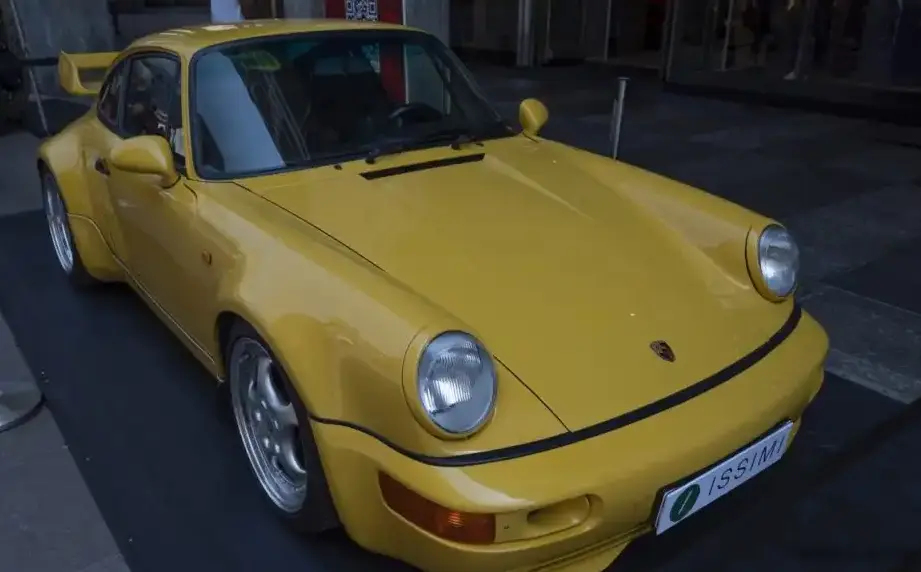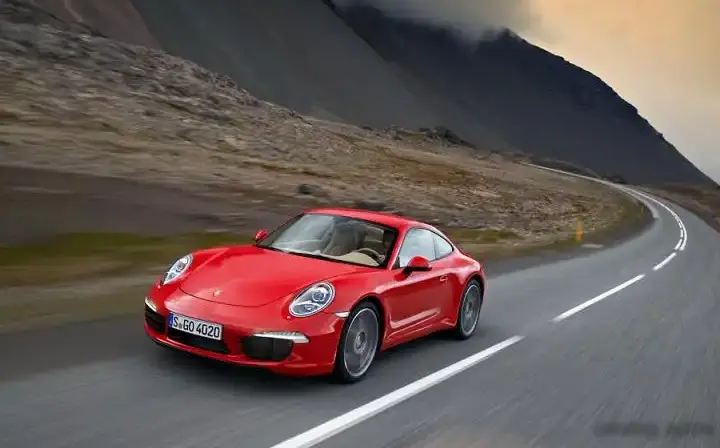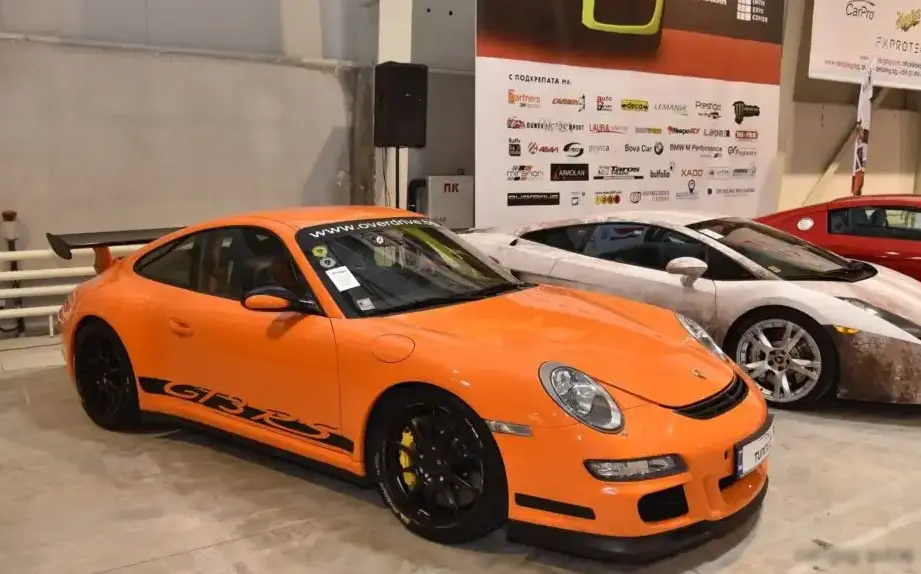
The Porsche 911 (997) Carrera S 3.8, produced from 2004 to 2008, represents a significant evolution in the iconic 911 lineage. Positioned as the performance-oriented variant within the 997 generation (which spanned 2004-2012), the Carrera S bridged the gap between the base Carrera and the more track-focused Carrera 4S and Turbo models. It was a key offering for Porsche buyers seeking a blend of everyday usability and exhilarating sports car performance. The 997 generation itself marked a departure from its predecessor (the 996) with a return to more traditional 911 styling cues, addressing criticisms of the 996’s headlight design and interior quality.
Technical Specifications
| Brand | Porsche |
| Model | 911 |
| Generation | 911 (997) |
| Type (Engine) | Carrera S 3.8 (355 Hp) |
| Start of production | 2004 |
| End of production | 2008 |
| Powertrain Architecture | Internal Combustion engine |
| Body type | Coupe |
| Seats | 4 |
| Doors | 2 |
| Fuel consumption (economy) – urban | 17.1 l/100 km (13.8 US mpg, 16.5 UK mpg, 5.8 km/l) |
| Fuel consumption (economy) – extra urban | 8.4 l/100 km (28 US mpg, 33.6 UK mpg, 11.9 km/l) |
| Fuel consumption (economy) – combined | 11.5 l/100 km (20.5 US mpg, 24.6 UK mpg, 8.7 km/l) |
| CO2 emissions | 277 g/km |
| Fuel Type | Petrol (Gasoline) |
| Acceleration 0 – 100 km/h | 4.8 sec |
| Acceleration 0 – 62 mph | 4.8 sec |
| Acceleration 0 – 60 mph | 4.6 sec |
| Maximum speed | 293 km/h (182.06 mph) |
| Emission standard | Euro 4 |
| Weight-to-power ratio | 4 kg/Hp, 250 Hp/tonne |
| Weight-to-torque ratio | 3.6 kg/Nm, 281.7 Nm/tonne |
| Power | 355 Hp @ 6600 rpm |
| Power per litre | 92.8 Hp/l |
| Torque | 400 Nm @ 4600 rpm (295.02 lb.-ft. @ 4600 rpm) |
| Engine layout | Rear, Longitudinal |
| Engine Model/Code | M97.01 |
| Engine displacement | 3824 cm3 (233.35 cu. in.) |
| Number of cylinders | 6 |
| Engine configuration | Boxer |
| Number of valves per cylinder | 4 |
| Fuel injection system | Multi-port manifold injection |
| Engine aspiration | Naturally aspirated engine |
| Valvetrain | DOHC |
| Engine oil capacity | 8.5 l (8.98 US qt | 7.48 UK qt) |
| Coolant | 31 l (32.76 US qt | 27.28 UK qt) |
| Kerb Weight | 1420 kg (3130.56 lbs.) |
| Max. weight | 1820 kg (4012.41 lbs.) |
| Max load | 400 kg (881.85 lbs.) |
| Trunk (boot) space – maximum | 135 l (4.77 cu. ft.) |
| Fuel tank capacity | 64 l (16.91 US gal | 14.08 UK gal) |
| Length | 4427 mm (174.29 in.) |
| Width | 1808 mm (71.18 in.) |
| Height | 1300 mm (51.18 in.) |
| Wheelbase | 2350 mm (92.52 in.) |
| Front track | 1465 mm (57.68 in.) |
| Rear (Back) track | 1500 mm (59.06 in.) |
| Drag coefficient (Cd) | 0.29 |
| Minimum turning circle (turning diameter) | 10.9 m (35.76 ft.) |
| Drivetrain Architecture | Rear wheel drive |
| Number of gears and type of gearbox | 6 gears, manual transmission |
| Front suspension | Independent type McPherson |
| Rear suspension | Independent multi-link suspension |
| Front brakes | Ventilated discs |
| Rear brakes | Ventilated discs |
| Assisting systems | ABS (Anti-lock braking system) |
| Steering type | Steering rack and pinion |
| Power steering | Hydraulic Steering |
| Tires size | 235/35 R19ZR; 295/30 R19ZR |
| Wheel rims size | 8J x 19; 11J x 19 |
Powertrain & Engine Architecture
At the heart of the 997 Carrera S 3.8 lies the M97.01 engine, a 3.8-liter naturally aspirated flat-six (boxer) engine. This engine represented a significant increase in displacement over the 3.6-liter engine found in the base 997 Carrera. The larger displacement, combined with revised cylinder heads and intake systems, allowed for a substantial power increase to 355 horsepower at 6,600 rpm and 400 Nm (295 lb-ft) of torque at 4,600 rpm. The engine utilized a multi-port fuel injection system, delivering fuel directly into the intake ports. The DOHC (Dual Overhead Camshaft) valvetrain, with four valves per cylinder, optimized airflow for improved performance. The engine’s rear-mounted, longitudinal configuration contributed to the 911’s unique handling characteristics. The standard transmission for the Carrera S was a six-speed manual, though a five-speed Tiptronic S automatic transmission was also available. The automatic, while offering convenience, was often criticized for slightly slower shift times compared to the manual.
Driving Characteristics
The 997 Carrera S 3.8 delivered a distinctly engaging driving experience. The increased power and torque, coupled with the rear-wheel-drive layout, resulted in brisk acceleration – 0 to 60 mph in around 4.6 seconds. The engine’s powerband was broad and usable, providing strong pull throughout the rev range. The manual transmission offered precise shifts and a direct connection to the engine, while the automatic, though smoother, felt less responsive. The Carrera S’s suspension, featuring independent McPherson struts at the front and a multi-link setup at the rear, provided a good balance between comfort and handling. The steering was precise and communicative, offering excellent feedback to the driver. Compared to the base Carrera, the S model felt noticeably more potent, with a more urgent throttle response and greater overall performance. It wasn’t as raw or focused as the Carrera 4S or Turbo, but it offered a more accessible and enjoyable driving experience for many enthusiasts.
Equipment & Trim Levels
The Carrera S came standard with a generous array of features, including leather upholstery, automatic climate control, a CD stereo system, and power-adjustable seats. Optional extras were plentiful, allowing buyers to customize their vehicles to their preferences. Popular options included Porsche Communication Management (PCM) with navigation, sport seats with increased bolstering, a sunroof, and various interior trim packages. The Carrera S also benefited from larger brakes and a slightly stiffer suspension compared to the base Carrera. Exterior options included different wheel designs, paint colors, and aerodynamic enhancements.
Chassis & Braking
The 997 Carrera S utilized a robust chassis construction, combining a steel unibody with aluminum components to reduce weight. The suspension geometry was carefully tuned to optimize handling and stability. The braking system featured ventilated discs at all four corners, providing ample stopping power. ABS (Anti-lock Braking System) was standard. The Carrera S also featured a hydraulic power steering system, offering precise and responsive steering feel. The standard tire size was 235/35ZR19 at the front and 295/30ZR19 at the rear, providing excellent grip.
Market Reception & Comparison
The 997 Carrera S 3.8 was widely praised by automotive critics for its performance, handling, and overall refinement. It was considered a sweet spot in the 911 lineup, offering a compelling blend of performance and usability. Compared to the base Carrera, the S model was seen as a worthwhile upgrade for enthusiasts seeking more power and a more engaging driving experience. Fuel economy, however, was a concern for some, with combined fuel consumption averaging around 20.5 US mpg. Reliability was generally good, although some owners reported issues with the intermediate shaft (IMS) bearing, a common concern for early 997 models. The Carrera S offered a more affordable alternative to the more expensive Carrera 4S and Turbo models.
Legacy
The 997 Carrera S 3.8 remains a highly sought-after Porsche model in the used car market. Its combination of performance, styling, and relative reliability has made it a favorite among enthusiasts. While the IMS bearing issue is a known concern, preventative maintenance can mitigate the risk. The 997 generation is widely regarded as a modern classic, representing a return to the core values of the 911 while incorporating modern technology and refinement. The Carrera S 3.8, in particular, stands out as a particularly well-rounded and enjoyable sports car, offering a rewarding driving experience that continues to captivate drivers today.