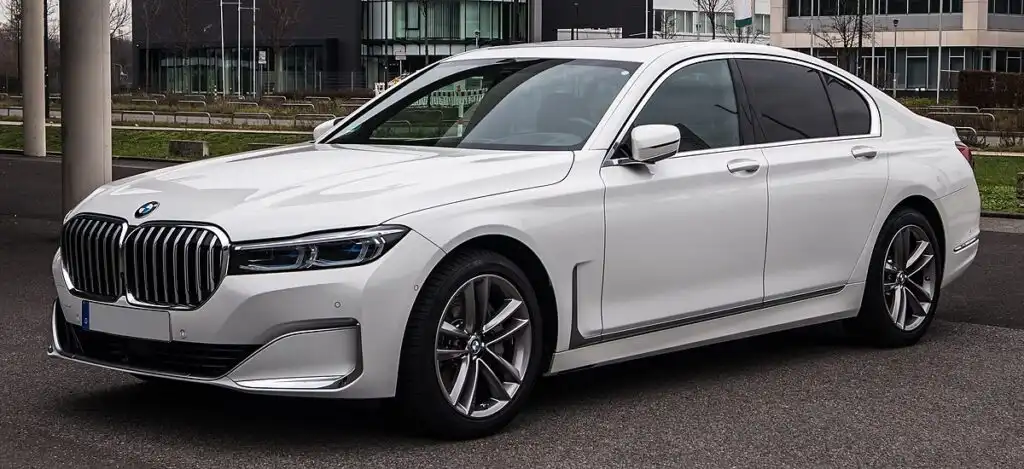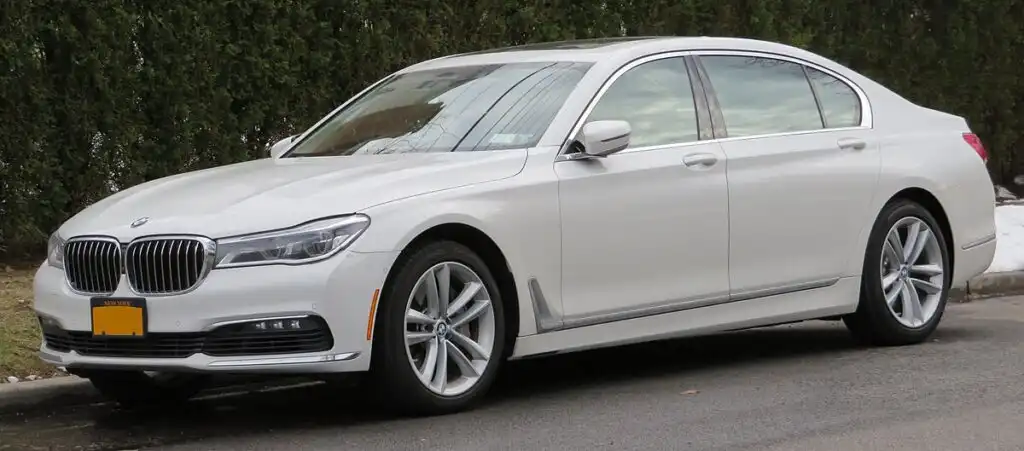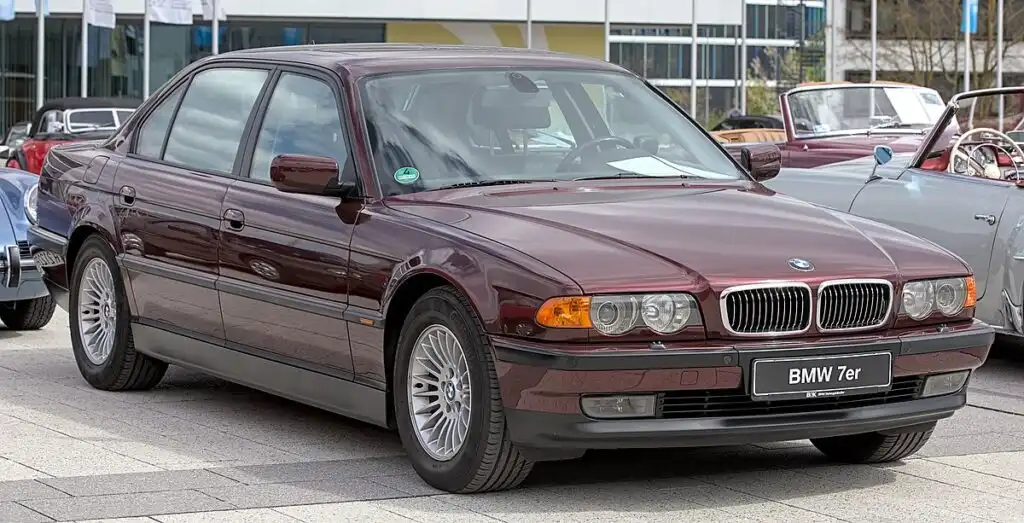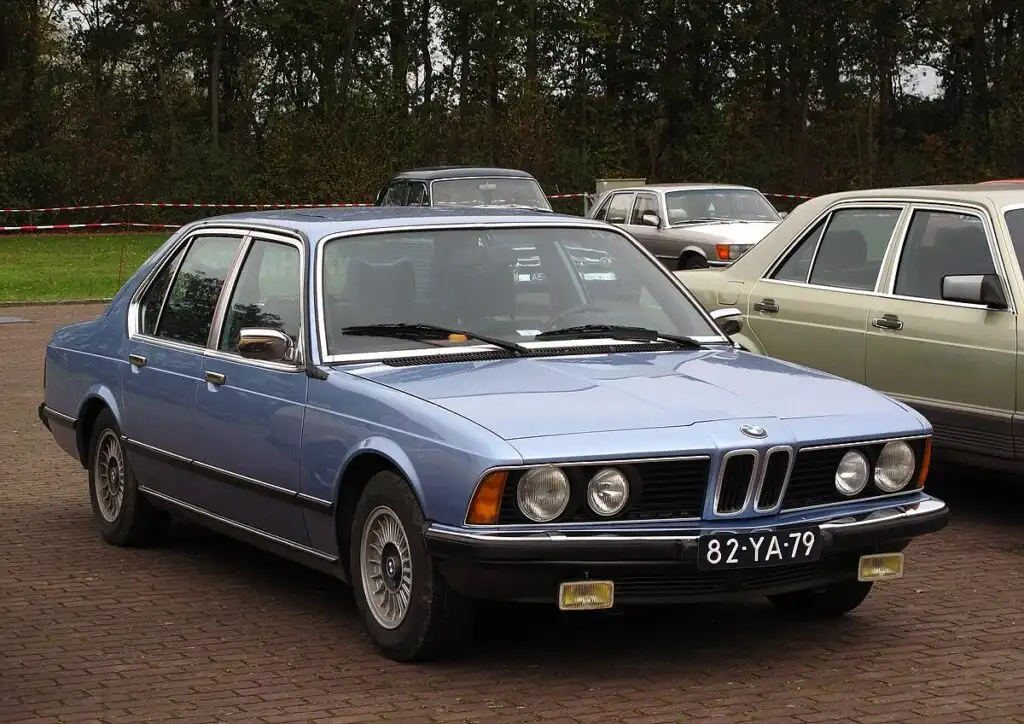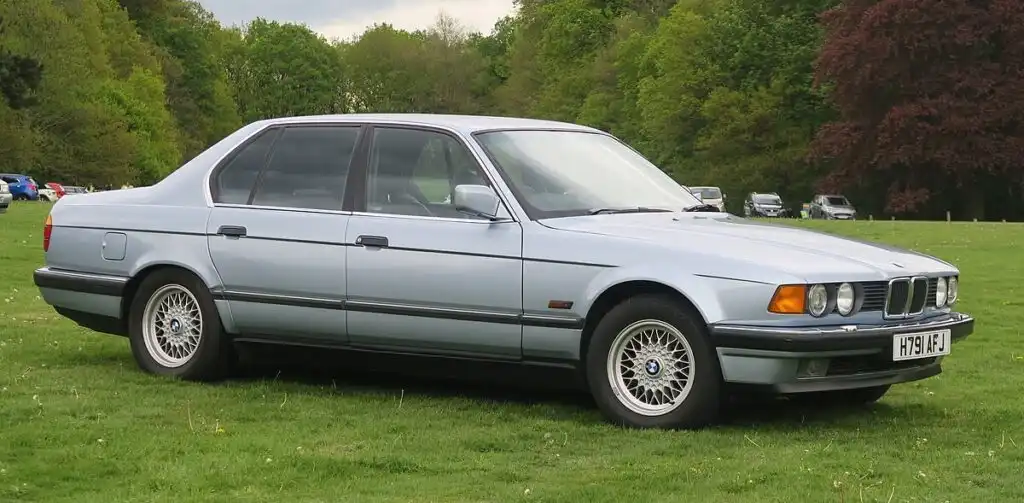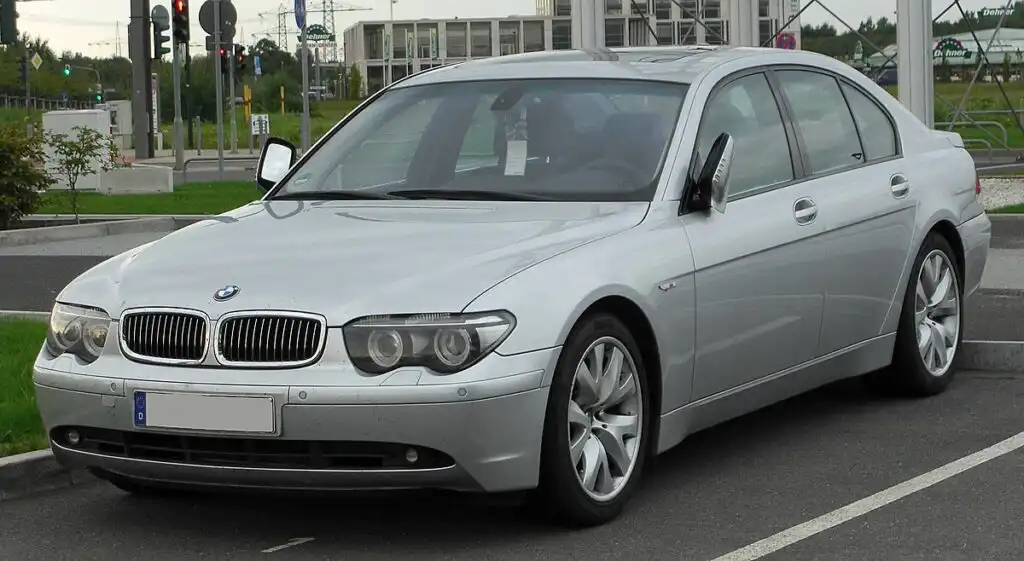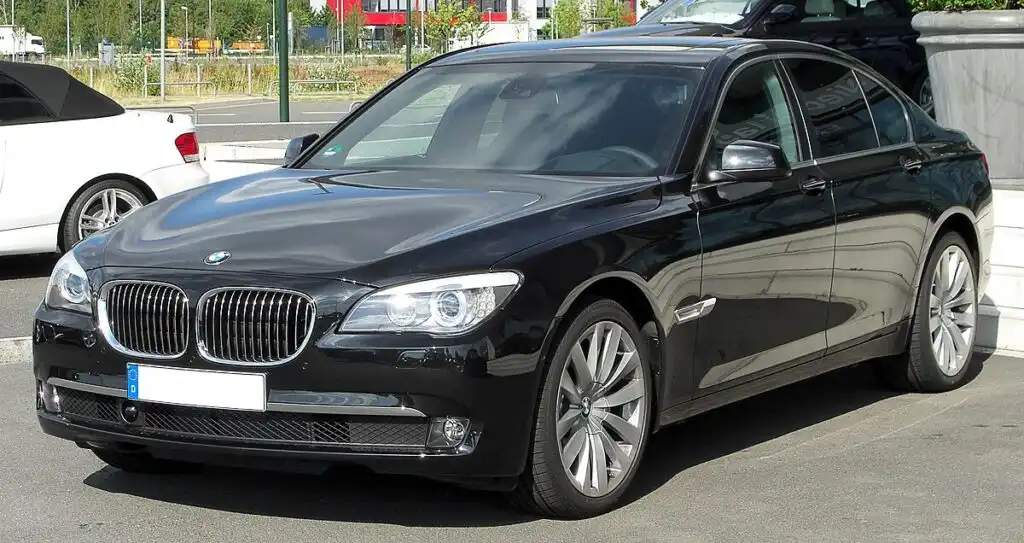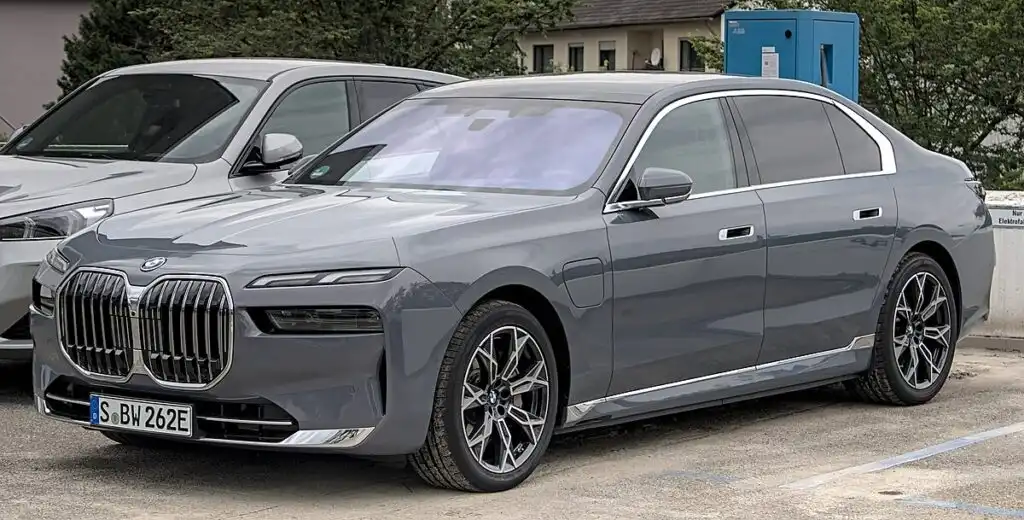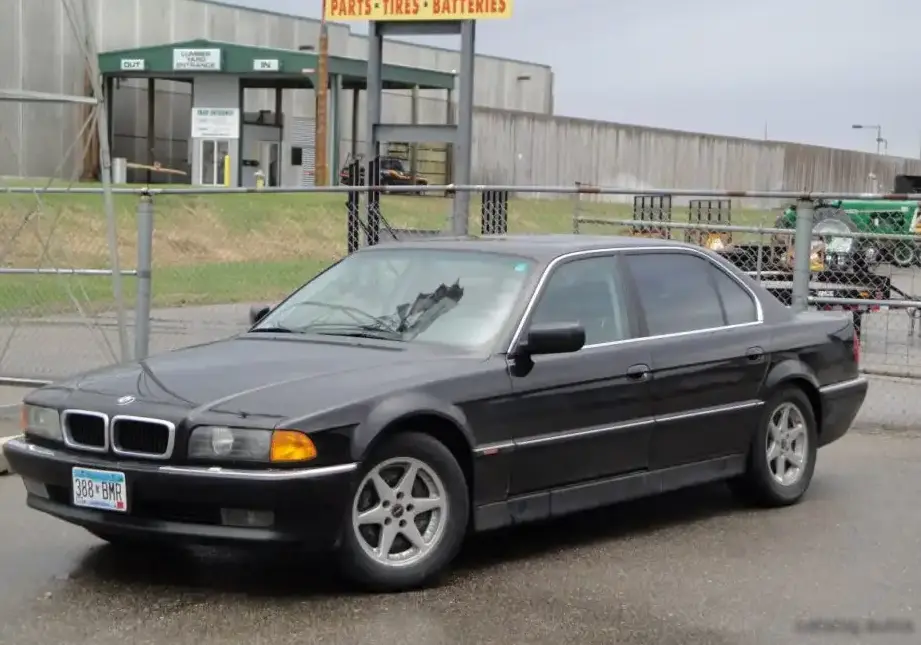
The BMW 750i, part of the E38 generation of the 7 Series produced between 1994 and 1998, represented the pinnacle of BMW’s luxury and performance engineering during that era. Positioned as the flagship model, the 750i boasted a powerful V12 engine and sophisticated technology, aimed at competing with the likes of the Mercedes-Benz S-Class and Jaguar XJ. This variant, equipped with the “Steptronic” automatic transmission, offered a blend of effortless cruising and impressive acceleration, catering to buyers who desired both luxury and performance without the involvement of a manual gearbox. The E38 7 Series was a significant model for BMW, introducing numerous innovations in safety, comfort, and technology that would become hallmarks of the brand.
Technical Specifications
| Brand | BMW |
| Model | 7 Series |
| Generation | 7 Series (E38) |
| Type (Engine) | 750i (326 Hp) Steptronic |
| Start of production | 1994 |
| End of production | 1998 |
| Powertrain Architecture | Internal Combustion engine |
| Body type | Sedan |
| Seats | 5 |
| Doors | 4 |
| Fuel consumption (urban) | 16.8 l/100 km (14 US mpg, 16.8 UK mpg, 6 km/l) |
| Fuel consumption (extra urban) | 8.6 l/100 km (27.4 US mpg, 32.8 UK mpg, 11.6 km/l) |
| Fuel consumption (combined) | 11.9 l/100 km (19.8 US mpg, 23.7 UK mpg, 8.4 km/l) |
| Fuel Type | Petrol (Gasoline) |
| Acceleration 0 – 100 km/h | 6.6 sec |
| Acceleration 0 – 62 mph | 6.6 sec |
| Acceleration 0 – 60 mph | 6.3 sec |
| Maximum speed | 250 km/h (155.34 mph) |
| Weight-to-power ratio | 6 kg/Hp, 166.3 Hp/tonne |
| Weight-to-torque ratio | 4 kg/Nm, 250 Nm/tonne |
| Power | 326 Hp @ 5000 rpm |
| Power per litre | 60.6 Hp/l |
| Torque | 490 Nm @ 3900 rpm (361.41 lb.-ft. @ 3900 rpm) |
| Engine layout | Front, Longitudinal |
| Engine Model/Code | M73B54 |
| Engine displacement | 5379 cm3 (328.25 cu. in.) |
| Number of cylinders | 12 |
| Engine configuration | V-engine |
| Cylinder Bore | 85 mm (3.35 in.) |
| Piston Stroke | 79 mm (3.11 in.) |
| Compression ratio | 10:1 |
| Number of valves per cylinder | 2 |
| Fuel injection system | Multi-port manifold injection |
| Engine aspiration | Naturally aspirated engine |
| Valvetrain | SOHC |
| Engine oil capacity | 8 l (8.45 US qt | 7.04 UK qt) |
| Coolant | 13 l (13.74 US qt | 11.44 UK qt) |
| Kerb Weight | 1960 kg (4321.06 lbs.) |
| Max. weight | 2495 kg (5500.53 lbs.) |
| Max load | 535 kg (1179.47 lbs.) |
| Trunk (boot) space – minimum | 500 l (17.66 cu. ft.) |
| Fuel tank capacity | 95 l (25.1 US gal | 20.9 UK gal) |
| Length | 4984 mm (196.22 in.) |
| Width | 1862 mm (73.31 in.) |
| Height | 1425 mm (56.1 in.) |
| Wheelbase | 2930 mm (115.35 in.) |
| Front track | 1552 mm (61.1 in.) |
| Rear (Back) track | 1568 mm (61.73 in.) |
| Drag coefficient (Cd) | 0.31 |
| Minimum turning circle | 11.6 m (38.06 ft.) |
| Drivetrain Architecture | Rear wheel drive |
| Drive wheel | Rear wheel drive |
| Number of gears | 5 |
| Type of gearbox | automatic transmission Steptronic |
| Front suspension | Wishbone |
| Rear suspension | Inclined Lever |
| Front brakes | Ventilated discs |
| Rear brakes | Ventilated discs |
| Assisting systems | ABS (Anti-lock braking system) |
| Steering type | Steering rack and pinion |
| Power steering | Hydraulic Steering |
| Tires size | 235/60 R16 |
| Wheel rims size | 16 |
Powertrain & Engine Architecture
The heart of the 750i was the M73B54, a 5.4-liter V12 engine. This engine featured all-aluminum construction, a significant advancement for the time, contributing to reduced weight and improved thermal management. It utilized a single overhead camshaft (SOHC) design per cylinder bank, operating with two valves per cylinder. Fuel delivery was handled by a multi-port fuel injection system, ensuring precise fuel metering for optimal performance and efficiency. The M73 engine was known for its smooth power delivery and refined character. The “Steptronic” transmission was a 5-speed automatic, offering both fully automatic operation and a manual shift mode for more driver involvement. This transmission was designed to handle the high torque output of the V12 engine and provide smooth, seamless gear changes.
Driving Characteristics
The 750i with the Steptronic transmission offered a distinctly different driving experience compared to its 6-cylinder or even the V8-powered siblings. While not as overtly sporty as a manual transmission equipped model, the Steptronic provided a relaxed and refined driving experience. Acceleration was brisk, with 0-60 mph times around 6.3 seconds, thanks to the substantial 490 Nm (361 lb-ft) of torque. The automatic transmission’s gear ratios were tuned for comfortable cruising, prioritizing smooth transitions over aggressive downshifts. Compared to the 740i, the 750i offered significantly more power and torque, resulting in effortless highway passing and a more authoritative feel. However, the added weight of the V12 engine and the complexity of the drivetrain did impact fuel economy.
Equipment & Trim Levels
The 750i came standard with a comprehensive list of luxury features, befitting its flagship status. This included leather upholstery, power-adjustable heated seats, a premium sound system, automatic climate control, and wood trim throughout the cabin. Optional extras included a rear entertainment system, upgraded leather options, and a navigation system. The interior design emphasized elegance and comfort, with a focus on high-quality materials and meticulous craftsmanship. The 750i was positioned as the most luxurious and well-equipped variant in the E38 7 Series lineup.
Chassis & Braking
The E38 7 Series featured a robust chassis with independent suspension at all four corners. The front suspension utilized a wishbone design, while the rear employed an inclined lever setup. This configuration provided a comfortable ride while maintaining good handling characteristics. The 750i was equipped with ventilated disc brakes on all four wheels, providing ample stopping power. An Anti-lock Braking System (ABS) was standard, enhancing safety and control during emergency braking situations. The steering was a hydraulic power-assisted rack and pinion system, offering precise and responsive steering feel.
Market Reception & Comparison
The 750i was generally well-received by automotive critics, who praised its powerful engine, luxurious interior, and advanced technology. However, some critics noted the high price tag and the relatively poor fuel economy. Compared to the 740i, the 750i offered a significant performance upgrade but came at a substantial cost premium. The 750i’s reliability was generally good, although the complexity of the V12 engine and its associated systems meant that maintenance costs could be higher than those of the 6-cylinder or V8 models.
Legacy
The E38 750i remains a sought-after classic among BMW enthusiasts. The M73 V12 engine is known for its durability and smooth operation, although regular maintenance is essential to keep it in top condition. Today, well-maintained examples of the 750i command a premium in the used car market. The E38 generation, and the 750i in particular, is remembered as a high point in BMW’s engineering and design history, representing a blend of luxury, performance, and innovation that continues to resonate with car enthusiasts today.