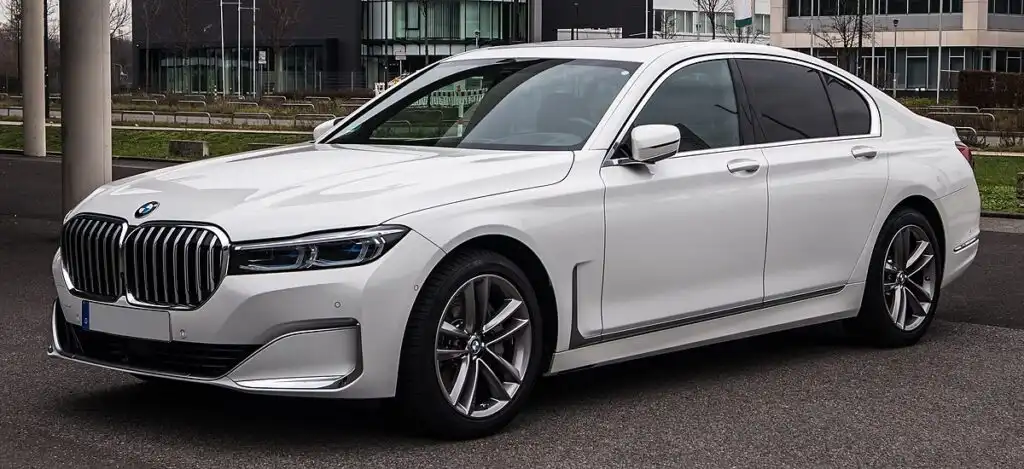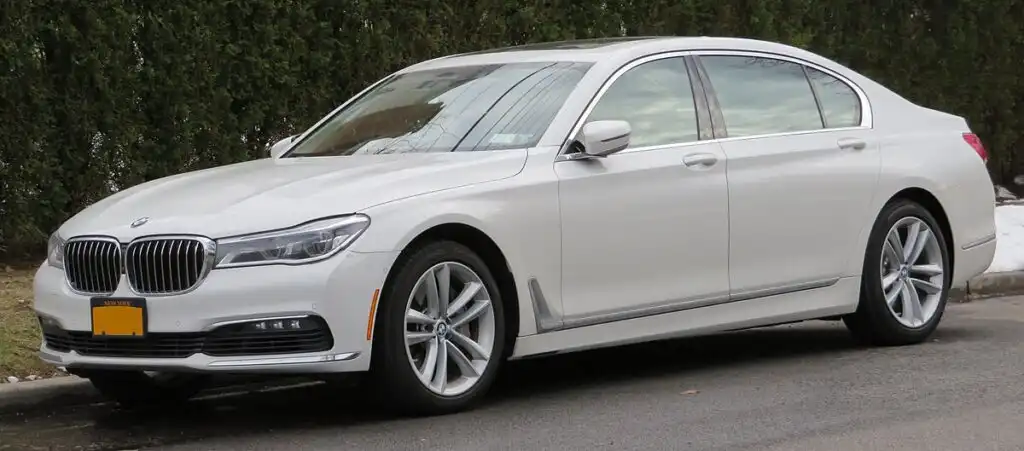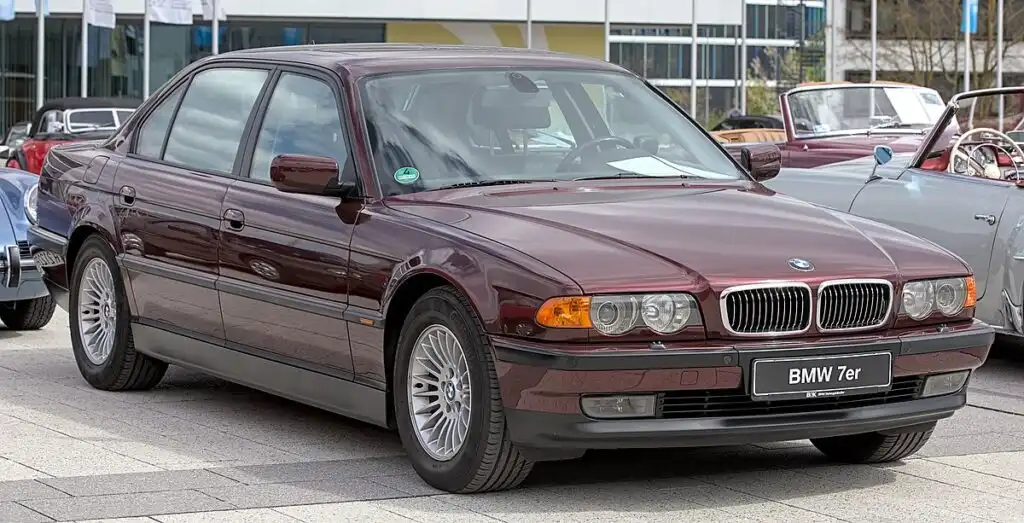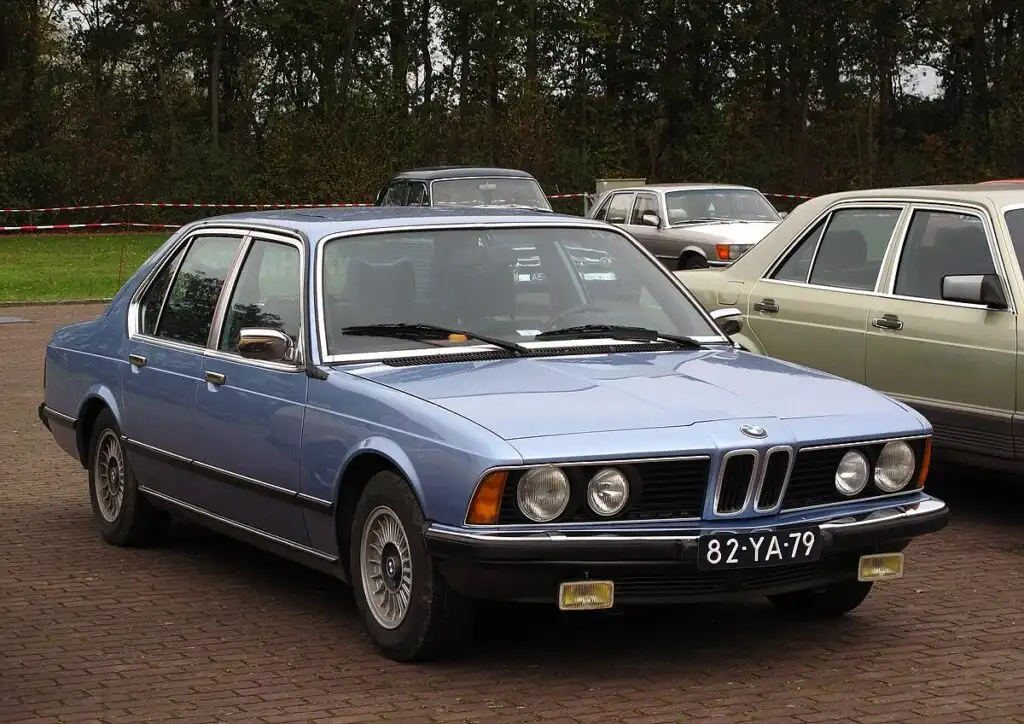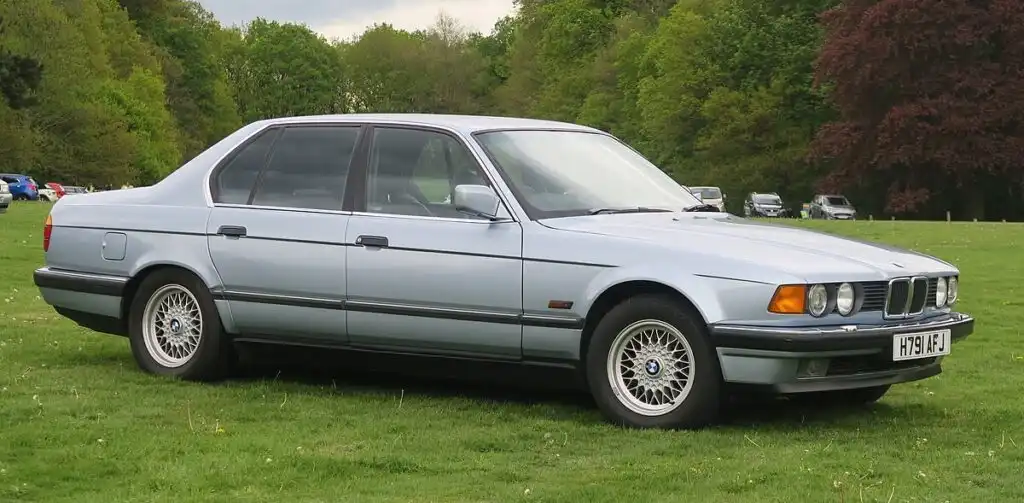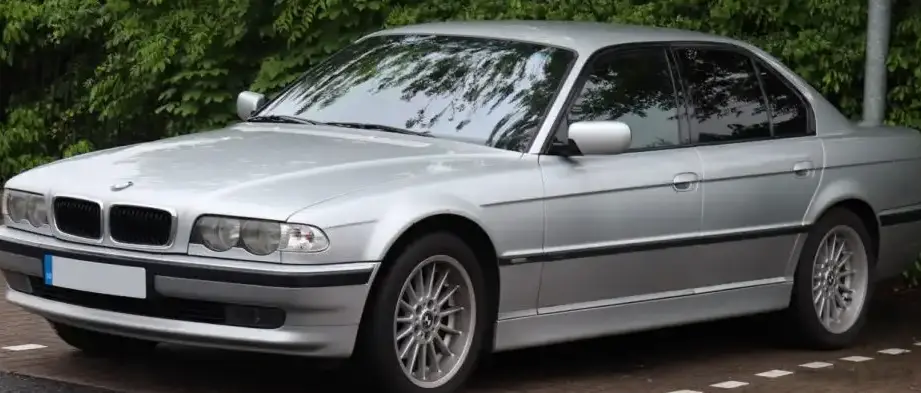
The BMW 735i, part of the E38 7 Series generation produced from 1998 to 2001, represented a compelling blend of luxury and performance within BMW’s flagship sedan lineup. Positioned as a mid-range offering, it slotted between the entry-level 728i and the high-performance 740i and 750iL models. The facelifted E38, introduced in 1998, brought subtle styling revisions and updated technology, solidifying the 7 Series’ reputation as a technological showcase and a benchmark for automotive refinement. This variant, equipped with the M62B35 engine and a 5-speed Steptronic automatic transmission, aimed to provide a comfortable and capable driving experience for discerning buyers.
Technical Specifications
| Brand | BMW |
| Model | 7 Series |
| Generation | 7 Series (E38, facelift 1998) |
| Type (Engine) | 735i (238 Hp) Steptronic |
| Start of production | 1998 |
| End of production | 2001 |
| Powertrain Architecture | Internal Combustion engine |
| Body type | Sedan |
| Seats | 5 |
| Doors | 4 |
| Fuel consumption (economy) – urban | 17.2 l/100 km (13.7 US mpg, 16.4 UK mpg, 5.8 km/l) |
| Fuel consumption (economy) – extra urban | 9.1 l/100 km (25.8 US mpg, 31 UK mpg, 11 km/l) |
| Fuel consumption (economy) – combined | 12.1 l/100 km (19.4 US mpg, 23.3 UK mpg, 8.3 km/l) |
| Fuel Type | Petrol (Gasoline) |
| Acceleration 0 – 100 km/h | 8.2 sec |
| Acceleration 0 – 62 mph | 8.2 sec |
| Acceleration 0 – 60 mph | 7.8 sec |
| Maximum speed | 243 km/h (150.99 mph) |
| Weight-to-power ratio | 7.6 kg/Hp, 131.5 Hp/tonne |
| Weight-to-torque ratio | 5.2 kg/Nm, 190.6 Nm/tonne |
| Power | 238 Hp @ 5800 rpm |
| Power per litre | 68 Hp/l |
| Torque | 345 Nm @ 3800 rpm (254.46 lb.-ft. @ 3800 rpm) |
| Engine layout | Front, Longitudinal |
| Engine Model/Code | M62B35 |
| Engine displacement | 3498 cm3 (213.46 cu. in.) |
| Number of cylinders | 8 |
| Engine configuration | V-engine |
| Cylinder Bore | 84 mm (3.31 in.) |
| Piston Stroke | 78.9 mm (3.11 in.) |
| Compression ratio | 10:1 |
| Number of valves per cylinder | 4 |
| Fuel injection system | Multi-port manifold injection |
| Engine aspiration | Naturally aspirated engine |
| Valvetrain | DOHC |
| Engine oil capacity | 7.5 l (7.93 US qt | 6.6 UK qt) |
| Coolant | 12.5 l (13.21 US qt | 11 UK qt) |
| Kerb Weight | 1810 kg (3990.37 lbs.) |
| Max. weight | 2345 kg (5169.84 lbs.) |
| Max load | 535 kg (1179.47 lbs.) |
| Trunk (boot) space – minimum | 500 l (17.66 cu. ft.) |
| Fuel tank capacity | 85 l (22.45 US gal | 18.7 UK gal) |
| Length | 4984 mm (196.22 in.) |
| Width | 1862 mm (73.31 in.) |
| Height | 1435 mm (56.5 in.) |
| Wheelbase | 2930 mm (115.35 in.) |
| Front track | 1552 mm (61.1 in.) |
| Rear (Back) track | 1568 mm (61.73 in.) |
| Drag coefficient (Cd) | 0.30 |
| Minimum turning circle (turning diameter) | 11.6 m (38.06 ft.) |
| Drivetrain Architecture | The Internal combustion engine (ICE) drives the rear wheels of the vehicle. |
| Drive wheel | Rear wheel drive |
| Number of gears and type of gearbox | 5 gears, automatic transmission Steptronic |
| Front suspension | Wishbone |
| Rear suspension | Inclined Lever |
| Front brakes | Ventilated discs |
| Rear brakes | Disc |
| Assisting systems | ABS (Anti-lock braking system) |
| Steering type | Steering rack and pinion |
| Power steering | Hydraulic Steering |
| Tires size | 235/60 R16 |
| Wheel rims size | 16 |
Powertrain & Engine Architecture
The heart of the 735i was the M62B35, a 3.5-liter naturally aspirated V8 engine. This engine represented a significant advancement over its predecessor, the M60/M62 series, featuring individual throttle bodies, a more efficient combustion chamber design, and a refined engine management system. The M62B35 utilized a cast aluminum engine block and cylinder heads, contributing to a reduction in weight. Fuel delivery was handled by a Bosch Motronic system with multi-port fuel injection. The engine boasted double overhead camshafts (DOHC) with four valves per cylinder, optimizing airflow and enhancing performance. The 5-speed Steptronic automatic transmission, a hallmark of BMW’s technology, offered both fully automatic operation and the ability for the driver to manually select gears, providing a degree of control. This transmission was known for its smooth shifts and responsiveness, though it wasn’t as sporty as the manual options available in other 7 Series models.
Driving Characteristics
The 735i with the Steptronic transmission delivered a refined and comfortable driving experience. While not as overtly sporty as the 740i or 750iL, it provided ample power for everyday driving and highway cruising. The 238 horsepower and 345 lb-ft of torque allowed for a 0-60 mph time of around 7.8 seconds, respectable for a large luxury sedan of that era. The Steptronic transmission’s gear ratios were tuned for smooth acceleration and fuel efficiency. Compared to the 6-speed manual transmission available in the 740i, the Steptronic prioritized comfort and ease of use over outright performance. The automatic transmission did result in a slight power loss compared to the manual versions, but the convenience factor was a significant draw for many buyers.
Equipment & Trim Levels
The 735i came standard with a comprehensive array of luxury features, befitting its flagship status. These included leather upholstery, power-adjustable front seats with memory function, automatic climate control, a premium sound system, and a sunroof. Optional extras were plentiful, allowing buyers to customize their vehicles to their preferences. Popular options included rear seat entertainment systems, upgraded leather trim, parking assistance, and active suspension. The interior design was characterized by its elegant simplicity and high-quality materials. The dashboard layout was driver-focused, with intuitive controls and a clear instrument cluster.
Chassis & Braking
The E38 7 Series featured a robust chassis designed for both comfort and handling. The front suspension utilized a double wishbone design, while the rear employed an inclined lever setup. This configuration provided a smooth ride and predictable handling characteristics. The 735i was equipped with ventilated disc brakes at the front and solid disc brakes at the rear. Anti-lock braking system (ABS) was standard, enhancing safety and control during emergency braking situations. The steering was a rack-and-pinion system with hydraulic power assistance, providing precise and responsive steering feel.
Market Reception & Comparison
The 735i was generally well-received by automotive critics, who praised its comfortable ride, refined interior, and capable engine. However, some reviewers noted that it lacked the outright performance of the 740i and 750iL models. Fuel economy was considered average for a V8-powered luxury sedan. Compared to the 728i, the 735i offered a significant performance upgrade, making it a more appealing choice for drivers who prioritized power and responsiveness. Compared to the 740i, the 735i offered a more affordable entry point into the 7 Series range, while still providing a luxurious and well-equipped driving experience.
Legacy
The M62B35 engine, found in the 735i, proved to be a reliable and durable powerplant. While not immune to age-related issues, it generally holds up well with proper maintenance. Today, the E38 735i is considered a desirable classic car, appreciated for its timeless design, luxurious features, and smooth driving experience. Finding well-maintained examples can be challenging, as many have accumulated significant mileage. However, the 735i remains a compelling option for enthusiasts seeking a comfortable and capable luxury sedan from the late 1990s and early 2000s. Parts availability is generally good, though some specific components may be becoming increasingly difficult to source.