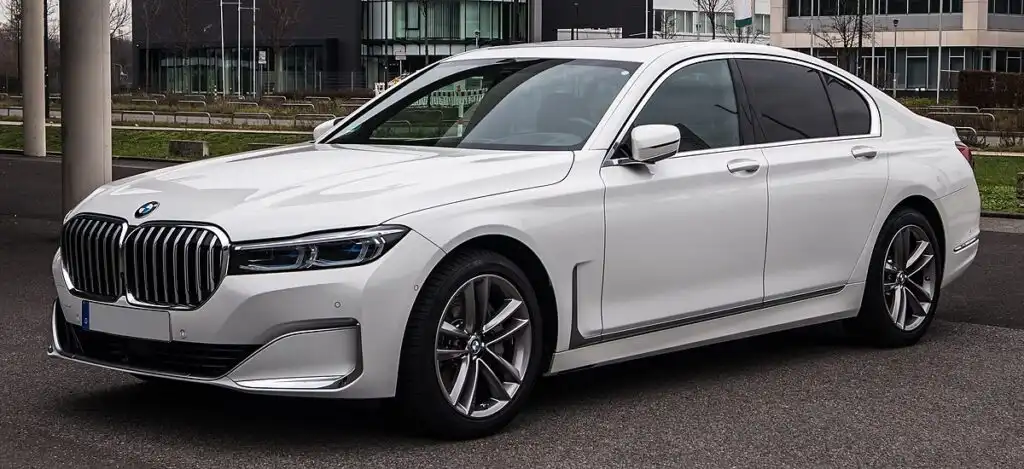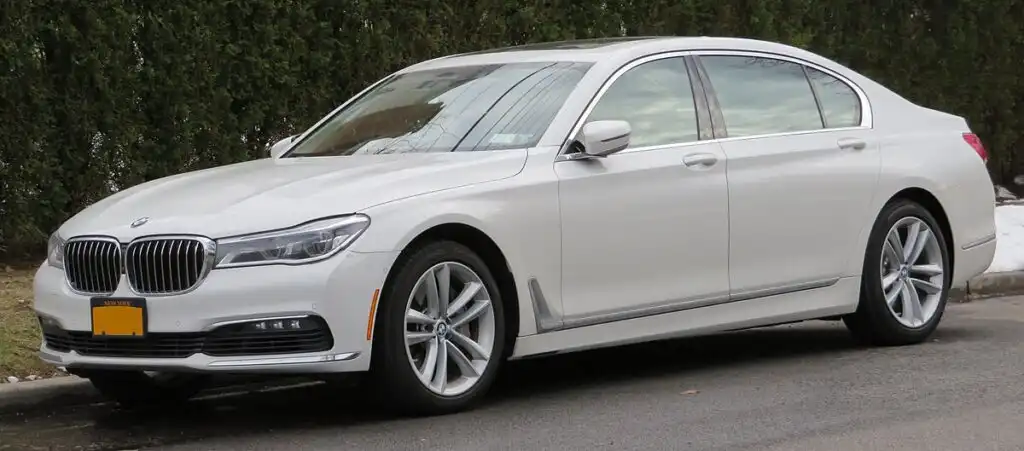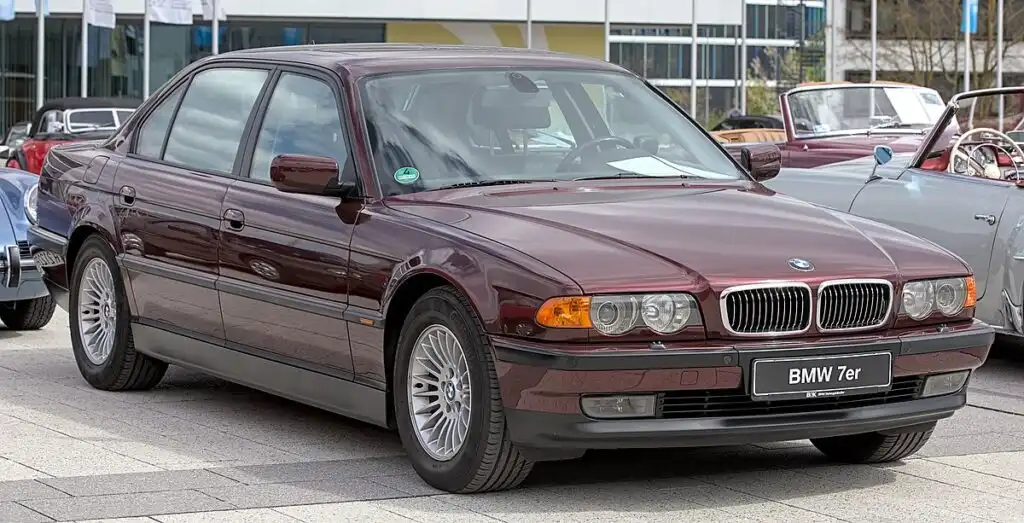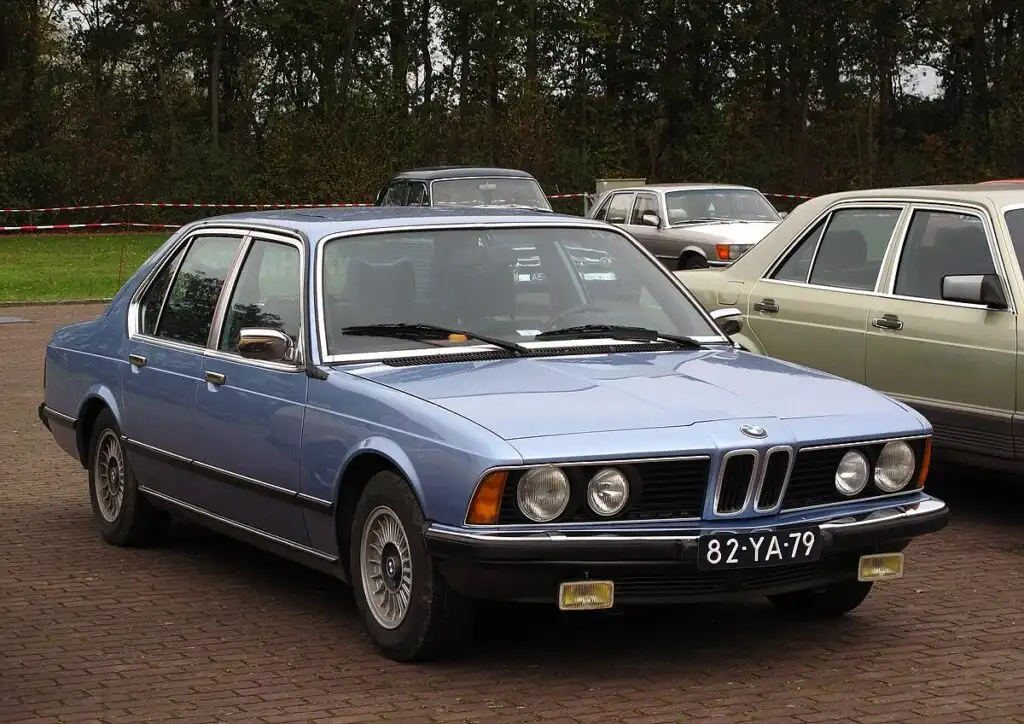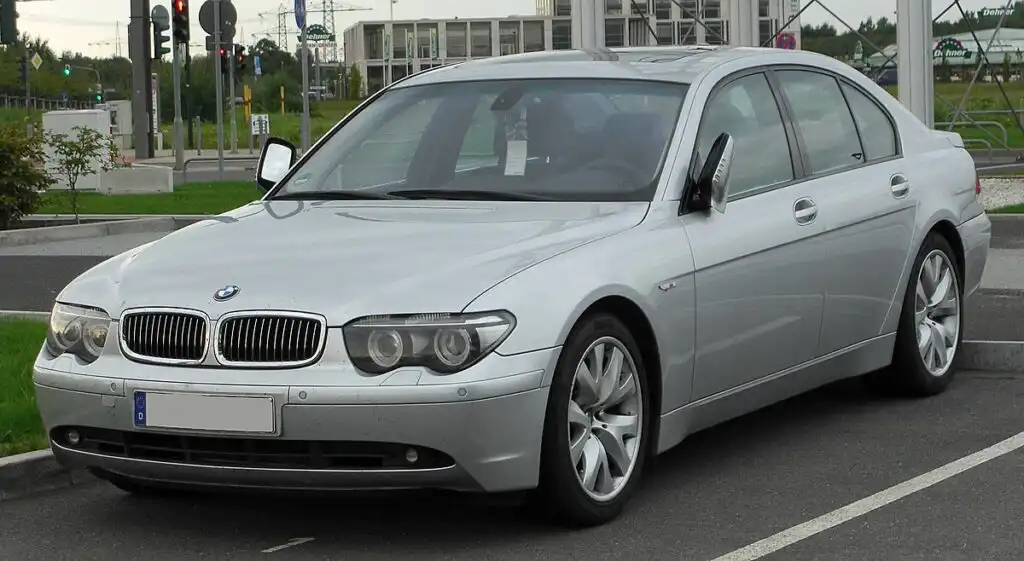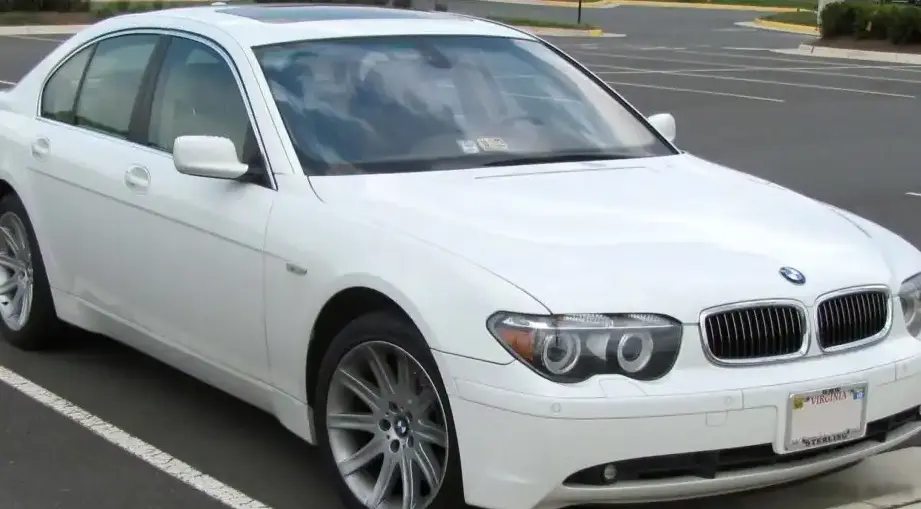
The BMW 730d Steptronic, produced between 2002 and 2005, was a key variant within the E65 generation of the BMW 7 Series. Representing the entry point into the 7 Series range with a diesel engine, it aimed to offer a blend of luxury, performance, and improved fuel economy compared to its gasoline counterparts. This model occupied a significant position in European markets, where diesel engines were – and continue to be – highly favored for their efficiency and torque. The 730d was positioned as a more sensible, economical alternative to the higher-performance 745i and 760i models, appealing to buyers prioritizing long-distance comfort and lower running costs.
Technical Specifications
| Brand | BMW |
| Model | 7 Series |
| Generation | 7 Series (E65) |
| Type (Engine) | 730d (218 Hp) Steptronic |
| Start of production | 2002 |
| End of production | 2005 |
| Powertrain Architecture | Internal Combustion engine |
| Body type | Sedan |
| Seats | 5 |
| Doors | 4 |
| Fuel consumption (urban) | 12.1 l/100 km (19.4 US mpg) |
| Fuel consumption (extra urban) | 6.5 l/100 km (36.2 US mpg) |
| Fuel consumption (combined) | 8.5 l/100 km (27.7 US mpg) |
| Fuel Type | Diesel |
| Acceleration 0 – 100 km/h | 8 sec |
| Acceleration 0 – 62 mph | 8 sec |
| Acceleration 0 – 60 mph | 7.6 sec |
| Maximum speed | 235 km/h (146.02 mph) |
| Emission standard | Euro 3 |
| Weight-to-power ratio | 8.7 kg/Hp |
| Weight-to-torque ratio | 3.8 kg/Nm |
| Power | 218 Hp @ 4000 rpm |
| Torque | 500 Nm @ 2000 rpm (368.78 lb.-ft. @ 2000 rpm) |
| Engine layout | Front, Longitudinal |
| Engine Model/Code | M57D30 |
| Engine displacement | 2993 cm3 (182.64 cu. in.) |
| Number of cylinders | 6 |
| Engine configuration | Inline |
| Cylinder Bore | 84 mm (3.31 in.) |
| Piston Stroke | 90 mm (3.54 in.) |
| Compression ratio | 17:1 |
| Number of valves per cylinder | 4 |
| Fuel injection system | Diesel Commonrail |
| Engine aspiration | Turbocharger, Intercooler |
| Engine oil capacity | 8.25 l (8.72 US qt | 7.26 UK qt) |
| Coolant capacity | 10 l (10.57 US qt | 8.8 UK qt) |
| Kerb Weight | 1900 kg (4188.78 lbs.) |
| Max. weight | 2480 kg (5467.46 lbs.) |
| Max load | 580 kg (1278.68 lbs.) |
| Trunk (boot) space – minimum | 500 l (17.66 cu. ft.) |
| Fuel tank capacity | 88 l (23.25 US gal | 19.36 UK gal) |
| Length | 5029 mm (197.99 in.) |
| Width | 1902 mm (74.88 in.) |
| Height | 1492 mm (58.74 in.) |
| Wheelbase | 2990 mm (117.72 in.) |
| Front track | 1578 mm (62.13 in.) |
| Rear (Back) track | 1582 mm (62.28 in.) |
| Drag coefficient (Cd) | 0.28 |
| Minimum turning circle | 12.1 m (39.7 ft.) |
| Drivetrain Architecture | Rear wheel drive |
| Number of gears | 6 |
| Gearbox type | Automatic transmission Steptronic |
| Front suspension | Spring Strut |
| Rear suspension | Coil spring |
| Front brakes | Ventilated discs |
| Rear brakes | Disc |
| Assisting systems | ABS (Anti-lock braking system) |
| Steering type | Steering rack and pinion |
| Power steering | Hydraulic Steering |
| Tires size | 245/55 R17 |
| Wheel rims size | 8J x 17 |
Powertrain & Engine Architecture
The heart of the 730d was the M57D30, a 3.0-liter inline-six cylinder diesel engine. This engine was a cornerstone of BMW’s diesel offerings in the early 2000s, known for its robust construction and relatively smooth operation for a diesel. The ‘D30’ designation indicated its approximate displacement. The M57D30 utilized a common rail direct injection system, delivering fuel at extremely high pressure for optimized combustion. This, combined with a variable geometry turbocharger and intercooler, allowed it to produce 218 horsepower at 4000 rpm and a substantial 500 Nm (368 lb-ft) of torque at just 2000 rpm. The engine featured four valves per cylinder and a compression ratio of 17:1. The Steptronic automatic transmission was a 6-speed unit, designed to provide smooth shifts and efficient power delivery. It offered both fully automatic operation and a manual shift mode for greater driver control.
Driving Characteristics
The 730d Steptronic offered a distinctly different driving experience compared to the gasoline-powered 7 Series models. While lacking the outright acceleration of the 745i, the 730d excelled in providing effortless cruising and strong mid-range torque. The 6-speed automatic transmission was well-matched to the engine’s characteristics, offering smooth gear changes and keeping the engine within its optimal power band. The 0-60 mph time of around 7.6 seconds was respectable for a large luxury sedan, but the real strength lay in its ability to accelerate quickly from highway speeds. Compared to a manual transmission version (available in some markets), the Steptronic offered greater convenience, but at the expense of some driver engagement and potentially slightly reduced fuel economy. The substantial torque meant that overtaking maneuvers were executed with ease, and the car felt composed and stable even when fully loaded.
Equipment & Trim Levels
The 730d typically came well-equipped, reflecting its position as a luxury vehicle. Standard features included leather upholstery, automatic climate control, a premium sound system, and power-adjustable front seats. The E65 7 Series was also notable for its iDrive system, a multi-functional control interface that managed various vehicle settings and infotainment functions. Optional extras included features like active suspension, heated seats, a sunroof, and upgraded interior trim materials. The specific trim level could vary depending on the market, but generally, the 730d was positioned as a well-rounded package offering a good balance of luxury and features without the higher price tag of the top-of-the-line models.
Chassis & Braking
The E65 7 Series featured a robust chassis designed for comfort and stability. The front suspension utilized spring struts, while the rear employed a multi-link coil spring setup. This configuration aimed to provide a smooth ride while maintaining good handling characteristics. The 730d, being a heavier diesel variant, often featured slightly stiffer suspension components compared to the lighter gasoline models. Braking duties were handled by ventilated discs at the front and solid discs at the rear. Anti-lock braking system (ABS) was standard, providing enhanced stopping power and control in emergency situations. The steering was a hydraulic rack and pinion system, offering precise and responsive steering feel.
Market Reception & Comparison
The 730d was generally well-received by automotive critics, particularly in Europe. It was praised for its fuel efficiency, strong torque, and comfortable ride. However, some reviewers noted that the diesel engine lacked the refinement and responsiveness of the gasoline engines. Compared to the 745i, the 730d offered significantly better fuel economy but less outright performance. Against other diesel-powered luxury sedans of the time, such as the Mercedes-Benz S320 CDI and the Audi A8 3.0 TDI, the 730d held its own, offering a competitive blend of performance, luxury, and technology. Reliability was generally good, although the complex iDrive system was sometimes criticized for its usability.
Legacy
The M57D30 engine proved to be a durable and reliable powerplant, and many 730d models have accumulated high mileage without major issues. The E65 7 Series, while initially controversial for its styling, has gained a following among enthusiasts. Today, the 730d represents an affordable entry point into the world of BMW luxury, offering a comfortable and efficient driving experience. While not as sought-after as some of the higher-performance variants, the 730d remains a viable option for buyers seeking a well-equipped and reliable luxury sedan with good fuel economy. Maintenance costs are generally reasonable, although sourcing parts for the iDrive system can sometimes be challenging.