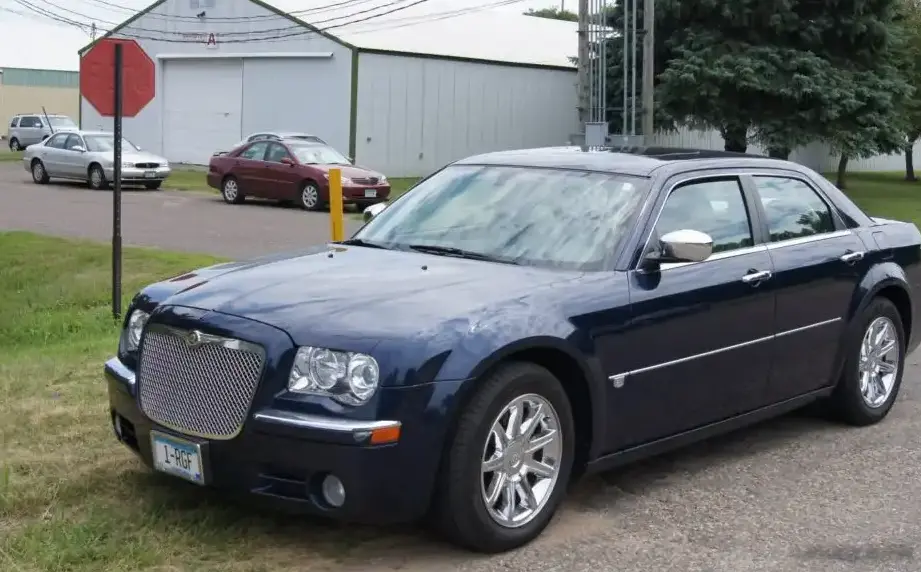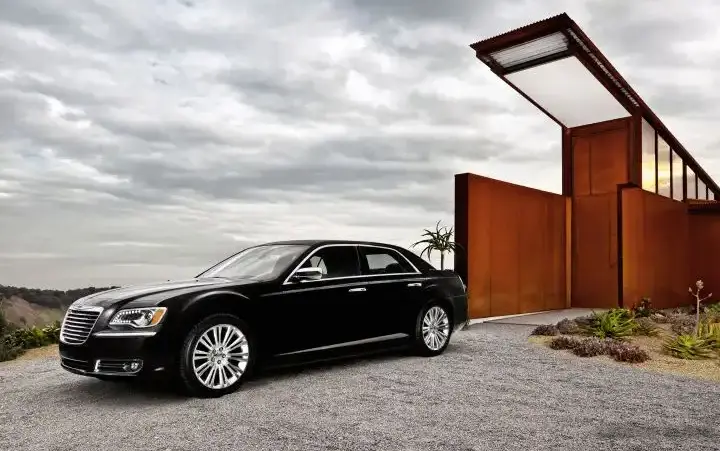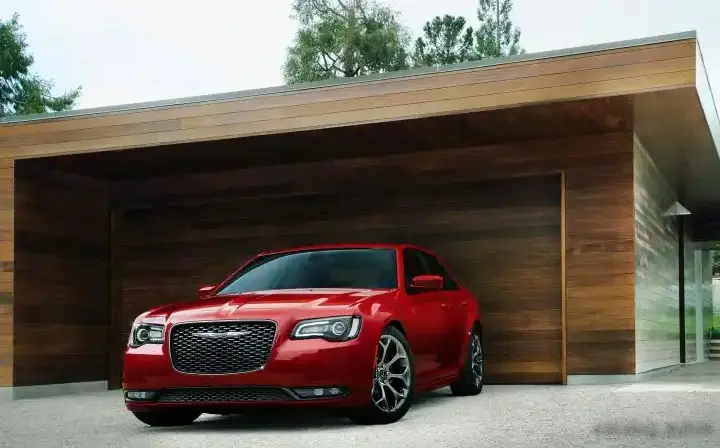
The Chrysler 300 II, specifically the 5.7 V8 variant with an automatic transmission, represents a significant iteration of Chrysler’s full-size sedan. Produced from 2015 to 2023, this facelifted version of the 300 (internally designated as the second generation) aimed to refine the model’s appeal, blending American muscle car aesthetics with modern technology and comfort. This particular configuration, boasting 363 horsepower, occupied a premium position within the 300 lineup, serving as a step up from the base V6 models and offering a more performance-oriented experience than the fuel-efficient options. It was primarily marketed towards American consumers seeking a spacious, powerful, and stylish sedan with a touch of luxury.
Technical Specifications
| Brand | Chrysler |
| Model | 300 |
| Generation | 300 II (facelift 2015) |
| Type (Engine) | 5.7 V8 (363 Hp) Automatic |
| Start of production | 2015 |
| End of production | 2023 |
| Powertrain Architecture | Internal Combustion engine |
| Body type | Sedan |
| Seats | 5 |
| Doors | 4 |
| Fuel consumption (economy) – urban (EPA) | 14.7 l/100 km (16 US mpg, 19.2 UK mpg, 6.8 km/l) |
| Fuel consumption (economy) – extra urban (EPA) | 9.4 l/100 km (25 US mpg, 30.1 UK mpg, 10.6 km/l) |
| Fuel consumption (economy) – combined (EPA) | 12.4 l/100 km (19 US mpg, 22.8 UK mpg, 8.1 km/l) |
| Fuel Type | Petrol (Gasoline) |
| Weight-to-power ratio | 5.5 kg/Hp, 182.7 Hp/tonne |
| Weight-to-torque ratio | 3.7 kg/Nm, 268.7 Nm/tonne |
| Power | 363 Hp @ 5200 rpm |
| Power per litre | 64.2 Hp/l |
| Torque | 534 Nm @ 4200 rpm (393.86 lb.-ft. @ 4200 rpm) |
| Maximum engine speed | 5800 rpm |
| Engine layout | Front, Longitudinal |
| Engine Model/Code | HEMI / EZH |
| Engine displacement | 5654 cm3 (345.03 cu. in.) |
| Number of cylinders | 8 |
| Engine configuration | V-engine |
| Cylinder Bore | 99.5 mm (3.92 in.) |
| Piston Stroke | 90.9 mm (3.58 in.) |
| Compression ratio | 10.5:1 |
| Number of valves per cylinder | 2 |
| Fuel injection system | Multi-port manifold injection |
| Engine aspiration | Naturally aspirated engine |
| Valvetrain | OHV, VCT |
| Engine oil capacity | 6.6 l (6.97 US qt | 5.81 UK qt) |
| Coolant | 13.9 l (14.69 US qt | 12.23 UK qt) |
| Kerb Weight | 1987 kg (4380.59 lbs.) |
| Trunk (boot) space – minimum | 462 l (16.32 cu. ft.) |
| Fuel tank capacity | 72 l (19.02 US gal | 15.84 UK gal) |
| Permitted trailer load with brakes (12%) | 454 kg (1000.9 lbs.) |
| Length | 5044 mm (198.58 in.) |
| Width | 1902 mm (74.88 in.) |
| Height | 1492 mm (58.74 in.) |
| Wheelbase | 3052 mm (120.16 in.) |
| Front track | 1611 mm (63.43 in.) |
| Rear (Back) track | 1620 mm (63.78 in.) |
| Ride height (ground clearance) | 128 mm (5.04 in.) |
| Drag coefficient (Cd) | 0.320 |
| Minimum turning circle (turning diameter) | 11.4 m (37.4 ft.) |
| Drivetrain Architecture | The Internal combustion engine (ICE) drives the rear wheels of the vehicle. |
| Drive wheel | Rear wheel drive |
| Number of gears and type of gearbox | 8 gears, automatic transmission |
| Front suspension | Double wishbone, Independent coil spring, Transverse stabilizer |
| Rear suspension | Independent multi-link spring suspension with stabilizer |
| Front brakes | Ventilated discs, 345×28 mm |
| Rear brakes | Ventilated discs, 320×22 mm |
| Assisting systems | ABS (Anti-lock braking system) |
| Steering type | Steering rack and pinion |
| Power steering | Electric Steering |
| Tires size | 245/45 R20 |
| Wheel rims size | 8J x 20 |
Powertrain & Engine Architecture
At the heart of the 2015-2023 Chrysler 300 II 5.7 V8 lies the iconic Chrysler HEMI engine, specifically the EZH code variant. This 5.7-liter (345 cubic inch) V8 is a naturally aspirated powerplant known for its robust construction and ample torque. The engine utilizes a cast iron block with aluminum cylinder heads, contributing to its durability. Fuel delivery is managed by a multi-port fuel injection system, ensuring precise fuel atomization for optimal combustion. The valvetrain employs an overhead valve (OHV) configuration with Variable Cam Timing (VCT) on the intake camshafts, enhancing both low-end torque and high-end horsepower. The 8-speed automatic transmission, sourced from ZF, is a crucial component of this powertrain. It provides smooth and responsive shifts, contributing to both performance and fuel efficiency. The transmission’s gear ratios are tuned to maximize the engine’s torque output, providing strong acceleration in everyday driving situations.
Driving Characteristics
The 300 5.7L Automatic delivers a distinctly American driving experience. The substantial torque output of the HEMI V8, readily available at relatively low RPMs, provides effortless acceleration. While not a sports car, the 300 offers brisk performance, capable of reaching 60 mph in around 5.5 seconds. The 8-speed automatic transmission contributes to a refined driving experience, with smooth gear changes and a willingness to downshift when needed. Compared to the V6 models, the V8 offers a significantly more engaging and powerful driving experience. Against the higher-performance SRT variant, the 5.7L provides a more balanced approach, prioritizing comfort and everyday usability over outright track performance. The rear-wheel-drive configuration contributes to a balanced feel, although it can be less forgiving in inclement weather compared to all-wheel-drive options available on some trims.
Equipment & Trim Levels
The 5.7 V8 trim of the Chrysler 300 II typically came well-equipped. Standard features included leather upholstery, heated front seats, a touchscreen infotainment system with navigation, a premium sound system, and a suite of safety features such as blind-spot monitoring and rear cross-path detection. Optional extras included a panoramic sunroof, adaptive cruise control, and upgraded interior trim materials. The interior design focused on providing a comfortable and spacious cabin, with a focus on quality materials and intuitive controls. The dashboard layout was generally straightforward and user-friendly.
Chassis & Braking
The Chrysler 300 II utilized a robust chassis designed to handle the power of the V8 engine. The front suspension featured an independent double wishbone setup with coil springs and a transverse stabilizer bar, while the rear suspension employed an independent multi-link design, also with a stabilizer bar. This configuration provided a comfortable ride while maintaining reasonable handling characteristics. Braking duties were handled by ventilated disc brakes on all four wheels, providing ample stopping power. The ABS (Anti-lock Braking System) was standard, enhancing safety and control during emergency braking situations. The steering system employed an electric power steering rack and pinion, offering precise and responsive steering feel.
Market Reception & Comparison
The Chrysler 300 II 5.7 V8 received generally positive reviews, with critics praising its powerful engine, comfortable ride, and spacious interior. However, its fuel economy was often cited as a drawback, particularly compared to more modern and fuel-efficient sedans. Compared to the V6 models, the V8 offered a significant performance upgrade, justifying the higher price tag for buyers prioritizing power and acceleration. Against competitors like the Dodge Charger and Toyota Avalon, the 300 offered a unique blend of American styling and luxury features. Reliability was generally considered average, with some reports of minor issues with the infotainment system and electrical components.
Legacy
The Chrysler 300 II 5.7 V8 represents a final chapter in the era of large, rear-wheel-drive American sedans. While production ended in 2023, the model has established a loyal following among enthusiasts who appreciate its classic American styling and powerful V8 engine. The HEMI engine itself has a long and storied history, and the 5.7L variant remains a reliable and capable powerplant. On the used car market, these models hold their value reasonably well, particularly those in good condition with low mileage. The 300’s blend of power, comfort, and style ensures its continued appeal for years to come.