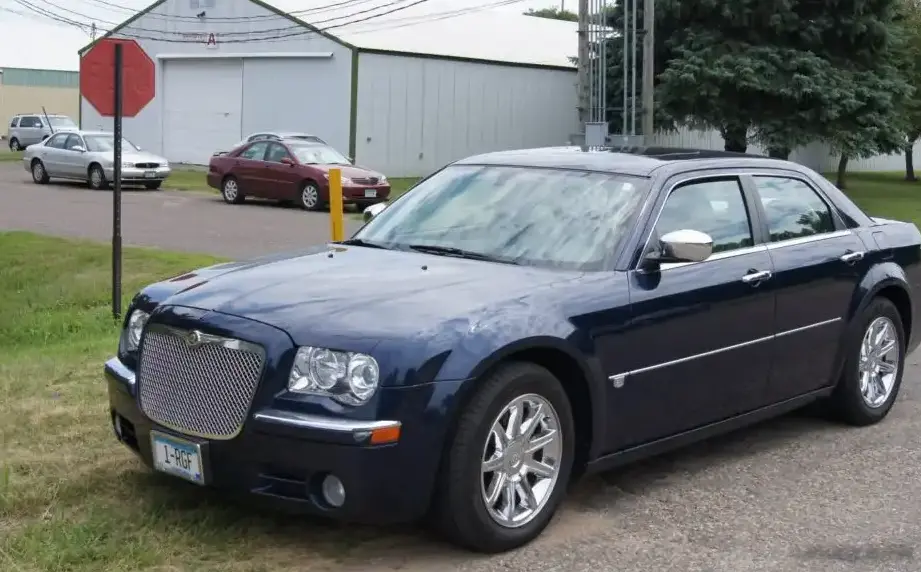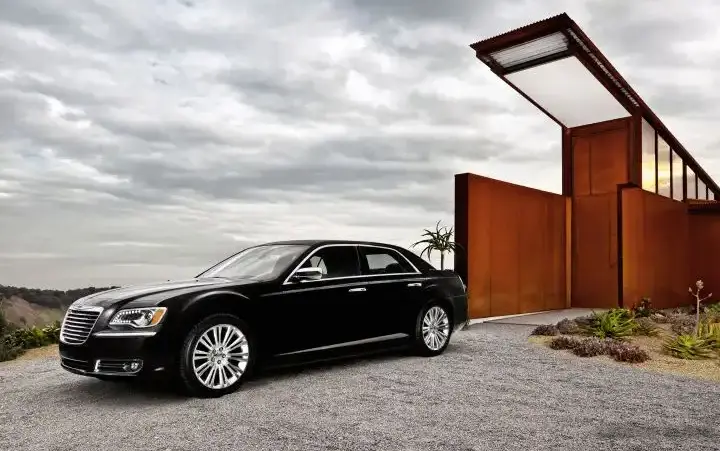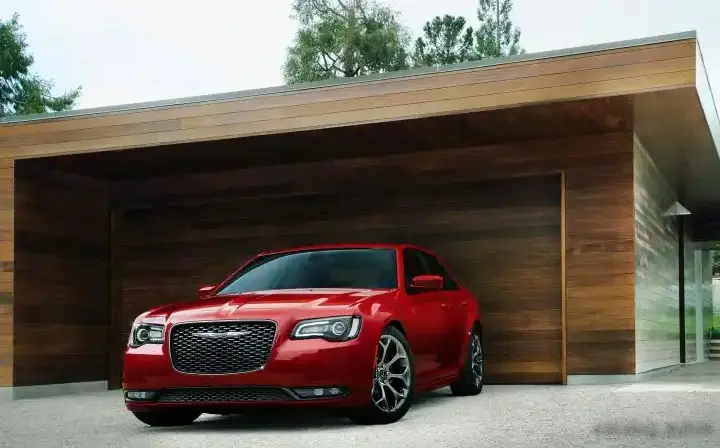
The Chrysler 300 II (facelift 2015) S 3.6, equipped with a 305 horsepower engine and an automatic transmission, represents a significant iteration of Chrysler’s full-size sedan. Produced from 2015 through 2023, this variant occupied a middle ground within the 300 lineup, offering a balance between performance and comfort. It built upon the foundation of the 300 II generation, which itself was a substantial redesign of the original 300, aiming to recapture the spirit of the iconic 1950s Chrysler 300 while incorporating modern technology and amenities. This model was primarily marketed towards American consumers seeking a spacious, powerful, and relatively affordable luxury sedan.
Technical Specifications
| Brand | Chrysler |
| Model | 300 |
| Generation | 300 II (facelift 2015) |
| Type (Engine) | S 3.6 (305 Hp) Automatic |
| Start of production | 2015 |
| End of production | 2023 |
| Powertrain Architecture | Internal Combustion engine |
| Body type | Sedan |
| Seats | 5 |
| Doors | 4 |
| Fuel consumption (urban) | 12.4 l/100 km (19 US mpg) |
| Fuel consumption (extra urban) | 7.8 l/100 km (30.2 US mpg) |
| Fuel consumption (combined) | 10.2 l/100 km (23.1 US mpg) |
| Fuel Type | Petrol (Gasoline) |
| Weight-to-power ratio | 6 kg/Hp, 166.8 Hp/tonne |
| Weight-to-torque ratio | 5.1 kg/Nm, 195.8 Nm/tonne |
| Power | 305 Hp @ 6350 rpm |
| Power per litre | 84.6 Hp/l |
| Torque | 358 Nm @ 4800 rpm (264.05 lb.-ft. @ 4800 rpm) |
| Maximum engine speed | 6400 rpm |
| Engine layout | Front, Longitudinal |
| Engine Model/Code | ERB |
| Engine displacement | 3604 cm3 (219.93 cu. in.) |
| Number of cylinders | 6 |
| Engine configuration | V-engine |
| Cylinder Bore | 96 mm (3.78 in.) |
| Piston Stroke | 83 mm (3.27 in.) |
| Compression ratio | 10.2:1 |
| Number of valves per cylinder | 4 |
| Fuel injection system | Multi-port manifold injection |
| Engine aspiration | Naturally aspirated engine |
| Engine oil capacity | 5.6 l (5.92 US qt | 4.93 UK qt) |
| Coolant | 9.5 l (10.04 US qt | 8.36 UK qt) |
| Kerb Weight | 1828 kg (4030.05 lbs.) |
| Trunk (boot) space | 462 l (16.32 cu. ft.) |
| Fuel tank capacity | 70 l (18.49 US gal | 15.4 UK gal) |
| Length | 5044 mm (198.58 in.) |
| Width | 1902 mm (74.88 in.) |
| Height | 1492 mm (58.74 in.) |
| Wheelbase | 3052 mm (120.16 in.) |
| Front track | 1611 mm (63.43 in.) |
| Rear track | 1620 mm (63.78 in.) |
| Ride height (ground clearance) | 128 mm (5.04 in.) |
| Drag coefficient (Cd) | 0.32 |
| Drivetrain Architecture | Rear wheel drive |
| Number of gears | 8 |
| Gearbox type | Automatic transmission |
| Front suspension | Independent, McPherson with coil spring and anti-roll bar |
| Rear suspension | Independent multi-link suspension |
| Front brakes | Ventilated discs |
| Rear brakes | Ventilated discs |
| Assisting systems | ABS (Anti-lock braking system) |
| Steering type | Steering rack and pinion |
| Power steering | Electric |
| Tires size | 245/45 R20 |
| Wheel rims size | 8.0J x 20 |
Introduction
The 2015-2023 Chrysler 300 S 3.6 Automatic represents a continuation of Chrysler’s attempt to offer a compelling American luxury sedan. Following the facelift in 2015, the 300 received updated styling, improved interior materials, and enhanced technology features. The “S” trim level, in particular, aimed for a slightly sportier aesthetic and driving experience compared to the base models. This variant was positioned as a step up from the entry-level 300, offering more standard equipment and a more powerful engine, but remained below the top-tier trims like the 300C, which featured even more luxurious appointments and, in some years, a more potent V8 engine. The 300 II generation, built on the LX platform, was a departure from the front-wheel-drive bias of many contemporary American sedans, opting for a rear-wheel-drive layout that appealed to enthusiasts.
Powertrain & Engine Architecture
At the heart of the 300 S 3.6 is the Chrysler Pentastar 3.6-liter V6 engine, designated as the ERB engine code. This engine is a 60-degree V6, featuring an aluminum block and cylinder heads. It utilizes a multi-port fuel injection system, delivering fuel directly into the intake ports. The engine boasts four valves per cylinder (DOHC), contributing to its power output and efficiency. The 305 horsepower and 264 lb-ft of torque are achieved through a combination of optimized combustion chamber design and variable valve timing. The engine is mated to an 8-speed automatic transmission (ZF 8HP70), known for its smooth shifting and wide gear ratio spread. This transmission allows for both efficient highway cruising and responsive acceleration. The rear-wheel-drive configuration contributes to a balanced driving experience, although all-wheel drive was available as an option.
Driving Characteristics
The 300 S 3.6 Automatic delivers a comfortable and composed driving experience. While not a sports car, the 305 horsepower engine provides ample power for everyday driving and confident highway passing. The 8-speed automatic transmission is well-tuned, offering smooth and timely shifts. Compared to the higher-output 5.7L Hemi V8 or the 6.4L SRT variants, the 3.6L V6 offers a more fuel-efficient and accessible driving experience. The gear ratios are optimized for both acceleration and fuel economy, with a relatively tall final drive ratio contributing to lower engine speeds at highway speeds. The rear-wheel-drive layout provides a more engaging driving feel than front-wheel-drive alternatives, although it can be less forgiving in slippery conditions. The suspension is tuned for comfort, absorbing bumps and imperfections in the road effectively.
Equipment & Trim Levels
The 300 S trim level included a number of standard features designed to enhance both comfort and style. These typically included leather upholstery, heated front seats, a Uconnect infotainment system with a touchscreen display, and a premium audio system. Exterior features often included unique styling cues such as a blacked-out grille, body-colored side moldings, and distinctive alloy wheels. Optional extras available for the 300 S included a panoramic sunroof, navigation system, advanced safety features like adaptive cruise control and blind-spot monitoring, and upgraded interior trim options. The interior dashboard configuration was generally consistent across the 300 lineup, with a focus on user-friendly controls and a spacious cabin.
Chassis & Braking
The Chrysler 300 II utilizes an independent front suspension with McPherson struts and a multi-link independent rear suspension. This setup provides a good balance between ride comfort and handling. The front suspension incorporates a coil spring and anti-roll bar to reduce body roll during cornering. The rear suspension is designed to minimize wheel hop and maintain stability. Braking duties are handled by ventilated disc brakes on all four wheels, providing ample stopping power. The 300 S included ABS (Anti-lock Braking System) as standard equipment, enhancing safety during emergency braking situations. Steering is provided by an electric power steering system, offering a responsive and precise feel.
Market Reception & Comparison
The Chrysler 300 S 3.6 Automatic generally received positive reviews from automotive critics. It was praised for its spacious interior, comfortable ride, and powerful V6 engine. Fuel economy was considered adequate for a full-size sedan, although it didn’t lead its class. Compared to other trims in the 300 lineup, the S model offered a compelling value proposition, providing a good balance of features and performance. Against competitors like the Toyota Avalon, Ford Taurus, and Buick LaCrosse, the 300 S stood out with its rear-wheel-drive layout and distinctive styling. However, some critics noted that the interior materials, while improved, still didn’t quite match the quality of some European or Japanese competitors.
Legacy
The Chrysler 300 II (facelift 2015) S 3.6 Automatic has proven to be a relatively reliable vehicle in the used car market. The Pentastar 3.6L V6 engine and ZF 8-speed automatic transmission are generally considered durable and long-lasting. Common maintenance items include regular oil changes, coolant flushes, and brake pad replacements. While some owners have reported minor issues with the Uconnect infotainment system, these are typically software-related and can be addressed with updates. The 300’s rear-wheel-drive platform and spacious interior continue to appeal to buyers seeking a comfortable and capable American sedan. As production ended in 2023, the 300 has cemented its place as a modern classic, representing a unique blend of American style and engineering.