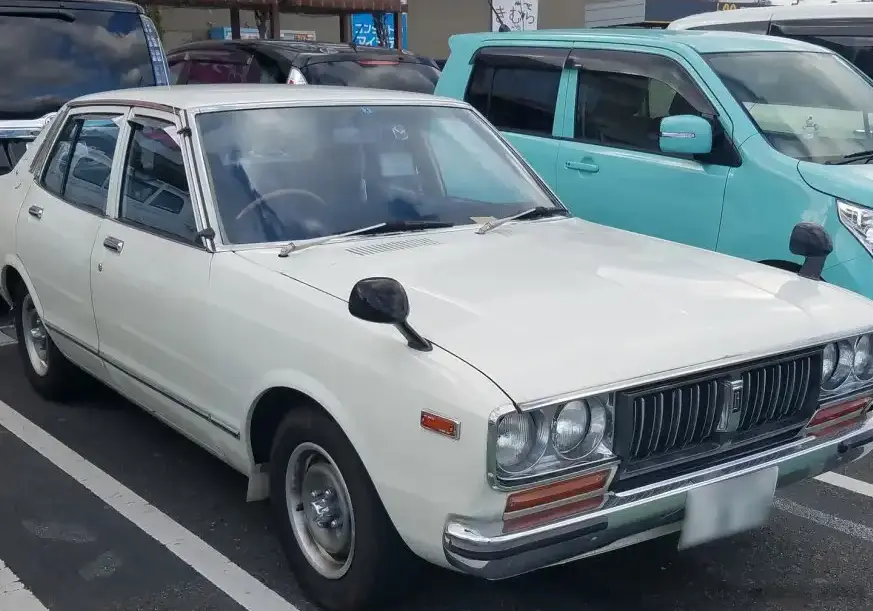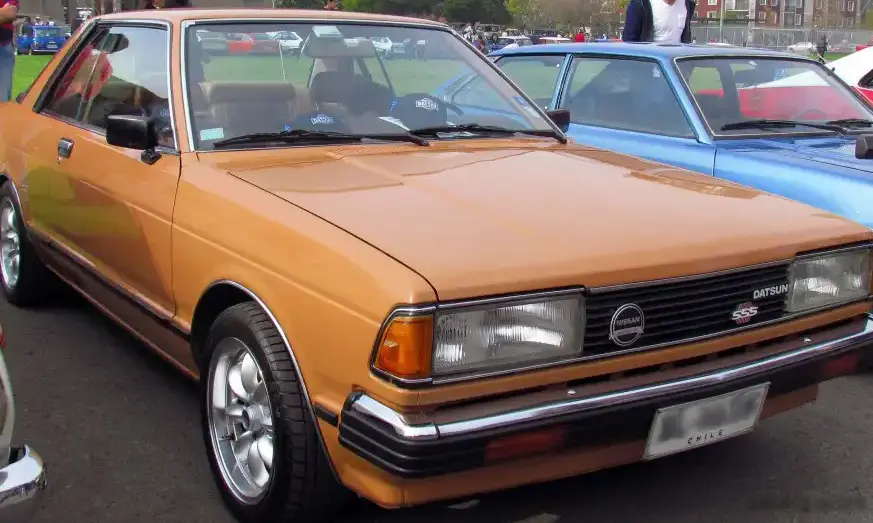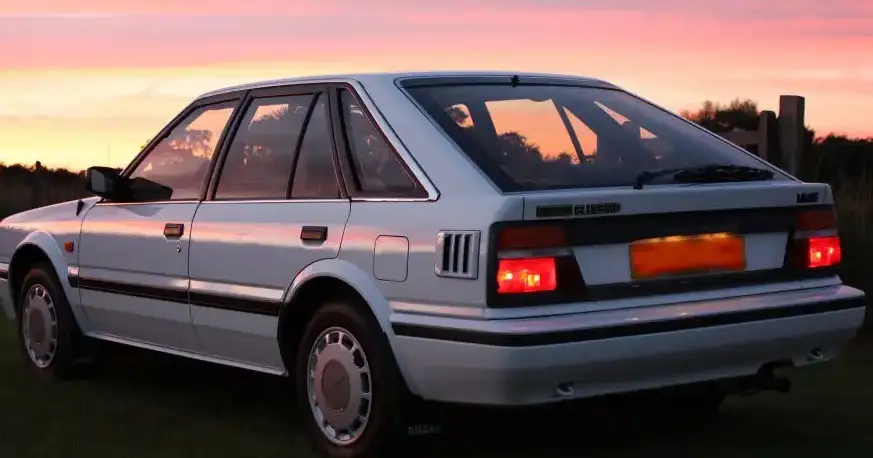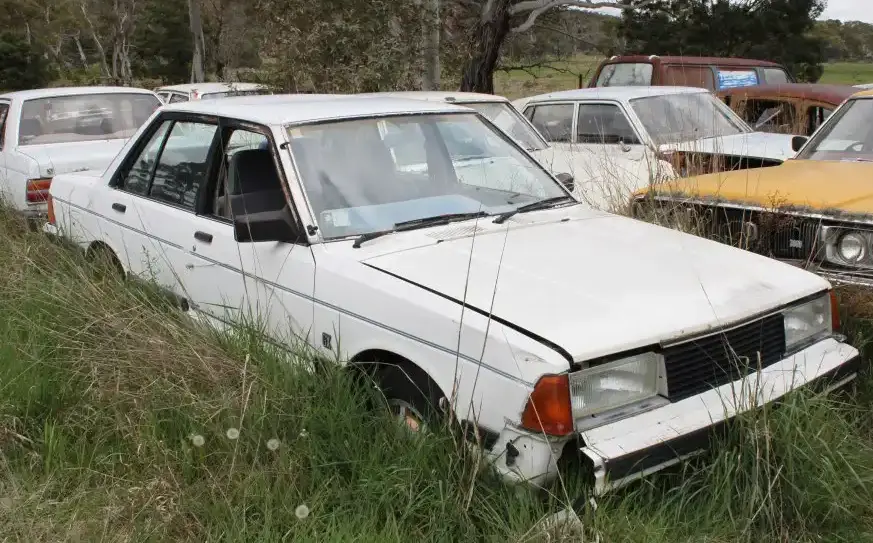
The Nissan Bluebird 910, produced between 1980 and 1984, represented a significant step forward for Nissan in the mid-size sedan segment. This generation, designated the 910, aimed to offer a blend of practicality, comfort, and fuel efficiency, competing with established rivals like the Toyota Corolla and Honda Accord. Within the 910 lineup, the 1.8-liter (88 horsepower) variant occupied a crucial position as the entry-level offering in many markets, particularly in Australia and New Zealand where it was a popular choice for families and budget-conscious buyers. While not the most powerful Bluebird available, this configuration prioritized affordability and ease of use, often paired with an automatic transmission for enhanced convenience.
Technical Specifications
| Brand | Nissan |
| Model | Bluebird |
| Generation | Bluebird (910) |
| Type (Engine) | 1.8 (88 Hp) |
| Start of Production | 1980 |
| End of Production | 1984 |
| Powertrain Architecture | Internal Combustion Engine |
| Body Type | Sedan |
| Seats | 5 |
| Doors | 4 |
| Fuel Type | Petrol (Gasoline) |
| Power | 88 Hp |
| Engine Aspiration | Naturally Aspirated |
| Drivetrain | Front Wheel Drive |
Introduction
The Bluebird 910 series was a pivotal model for Nissan, marking a shift towards more modern styling and engineering. Introduced in 1980, it replaced the earlier 810 series and was built on a new platform, offering increased interior space and improved ride quality. The 1.8-liter engine, while not a performance powerhouse, was a reliable and economical choice, making the Bluebird 910 accessible to a wider range of customers. The 910 was particularly successful in export markets, including Australia, New Zealand, and parts of Europe, where it was often sold as a more affordable alternative to European and American sedans. This variant, with its 1.8-liter engine and often-paired automatic transmission, was a staple for those seeking a practical and dependable family car.
Powertrain & Engine Architecture
The heart of the Bluebird 910 1.8 was the Nissan H18 engine, a 1.8-liter (1798cc) inline-four cylinder gasoline engine. This engine featured a single overhead camshaft (SOHC) valvetrain, operating with two valves per cylinder. Fuel delivery was managed by a carburetor, a common setup for vehicles of this era, though some later models in certain markets received fuel injection. The H18 engine was known for its durability and relatively simple design, contributing to its reputation for reliability. The engine produced 88 horsepower at approximately 5,600 rpm and 108 lb-ft of torque at 3,200 rpm. The automatic transmission typically offered with this engine was a three-speed unit, designed for smooth and comfortable shifting rather than outright performance. This transmission was a conventional hydraulic automatic, lacking the electronic controls found in later models.
Driving Characteristics
The driving experience in a Bluebird 910 1.8 with an automatic transmission was characterized by its smoothness and ease of operation. Acceleration was modest, with 0-60 mph times estimated around 12-14 seconds. The three-speed automatic transmission, while providing convenience, did result in noticeable gear changes and a lack of the responsiveness found in manual transmission versions or higher-powered Bluebird models. The gear ratios were optimized for fuel economy and cruising comfort, rather than spirited driving. Compared to the 2.0-liter or 2.4-liter Bluebird variants, the 1.8-liter model felt noticeably less powerful, particularly when fully loaded with passengers or cargo. However, for everyday commuting and general transportation, the 1.8-liter engine provided adequate performance. The front-wheel-drive layout contributed to predictable handling, although it lacked the dynamic capabilities of more modern vehicles.
Equipment & Trim Levels
The Bluebird 910 1.8 typically came with a fairly basic level of equipment, reflecting its position as the entry-level model. Standard features generally included cloth upholstery, a basic AM/FM radio, and manual windows and door locks. Air conditioning was often an optional extra, as were power steering and a more advanced audio system. Interior trim levels varied depending on the market, but generally featured durable and practical materials. Higher trim levels, available on other Bluebird variants, offered features like upgraded upholstery, woodgrain interior trim, and additional convenience items. The 1.8-liter model often served as a base for fleet sales, meaning many examples were equipped with minimal options to keep costs down.
Chassis & Braking
The Bluebird 910 featured a conventional chassis design with independent front suspension using MacPherson struts and a solid rear axle with leaf springs. This suspension setup provided a comfortable ride, although it wasn’t particularly sporty. Braking systems varied depending on the market and trim level. Lower-spec models, including many 1.8-liter automatics, were equipped with drum brakes on the rear wheels, while higher-spec models received disc brakes all around. Front brakes were typically ventilated discs. Steering was unassisted in many base models, though power steering was available as an option. Stabilizer bars (anti-roll bars) were often fitted to the front suspension to reduce body roll during cornering, but their thickness and effectiveness varied.
Market Reception & Comparison
The Bluebird 910 1.8 was generally well-received as a practical and reliable family sedan. Critics praised its fuel efficiency and comfortable ride, but noted its lack of performance compared to some competitors. Compared to the higher-powered Bluebird variants, the 1.8-liter model offered significantly better fuel economy. The 2.0-liter and 2.4-liter engines provided more spirited performance but came at the cost of increased fuel consumption. In terms of reliability, the 1.8-liter engine proved to be exceptionally durable, with many examples exceeding high mileage with proper maintenance. The automatic transmission, while not as refined as later designs, was also generally reliable. The Bluebird 910 1.8 offered a compelling value proposition for buyers seeking a dependable and affordable mid-size sedan.
Legacy
The Nissan Bluebird 910 1.8, while not a particularly glamorous or high-performance vehicle, has earned a reputation as a solid and dependable classic. Today, well-maintained examples are sought after by enthusiasts and collectors, particularly in Australia and New Zealand where the model was particularly popular. The H18 engine is known for its longevity and relatively simple maintenance requirements. Parts availability can be a challenge, but many components are still available through specialist suppliers or can be sourced from other Nissan vehicles of the same era. The Bluebird 910 1.8 represents a significant chapter in Nissan’s history, demonstrating the company’s commitment to building practical, reliable, and affordable vehicles for the mass market. Its enduring appeal lies in its simplicity, durability, and the nostalgic charm of a classic 1980s sedan.