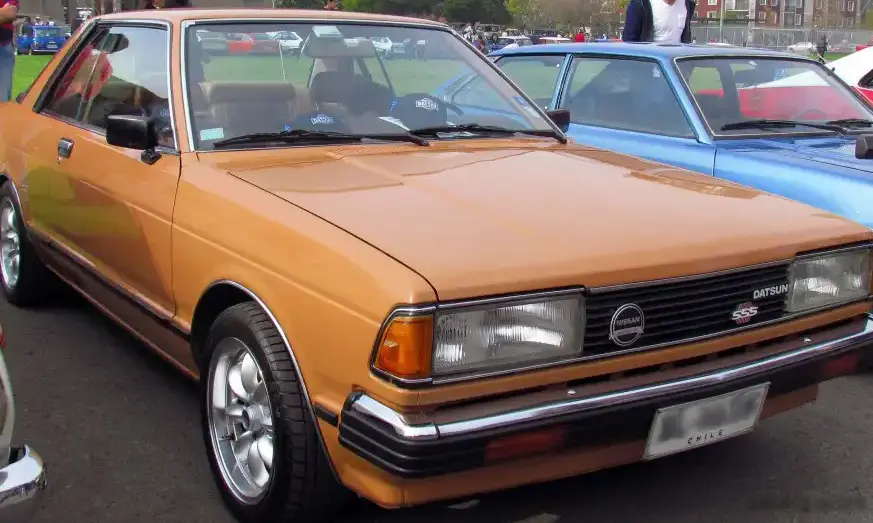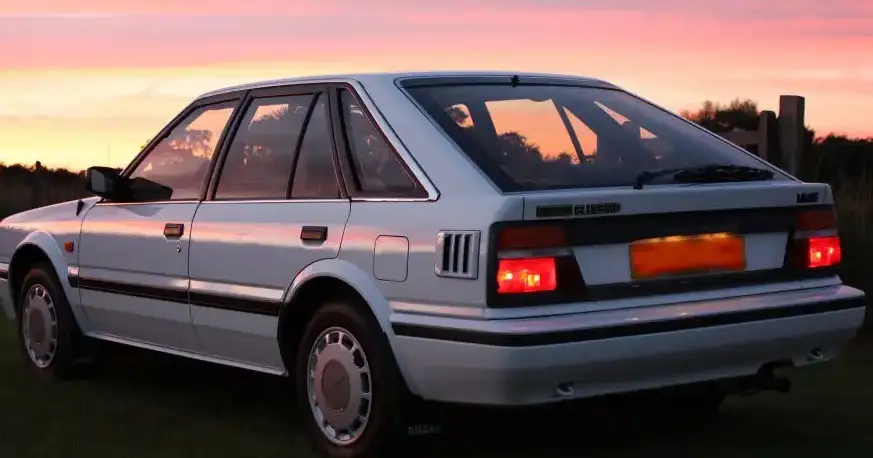
The Nissan Bluebird 910, produced between 1982 and 1984, represented a significant step forward for Nissan in the mid-size sedan segment. The 2.0i variant, equipped with a 109 horsepower engine, occupied a middle ground within the 910 lineup, offering a balance between performance and affordability. This generation Bluebird aimed to compete with established rivals like the Toyota Corolla and Honda Accord, particularly in markets outside of North America where it enjoyed considerable success. The 910 series was a departure from previous Bluebird designs, adopting a more modern, boxy aesthetic and incorporating advancements in engine technology and comfort features.
Technical Specifications
| Brand | Nissan |
| Model | Bluebird |
| Generation | Bluebird (910) |
| Type (Engine) | 2.0i (109 Hp) |
| Start of Production | 1982 |
| End of Production | 1984 |
| Powertrain Architecture | Internal Combustion Engine |
| Body Type | Sedan |
| Seats | 5 |
| Doors | 4 |
| Fuel Type | Petrol (Gasoline) |
| Power | 109 Hp |
| Engine Aspiration | Naturally Aspirated |
| Drivetrain | Front Wheel Drive |
Powertrain & Engine Architecture
The heart of the Bluebird 2.0i was Nissan’s Z20 engine, a 1998cc inline-four cylinder powerplant. This engine utilized a single overhead camshaft (SOHC) design, a common configuration for the era, prioritizing simplicity and reliability. Fuel delivery was managed by a carburetor, a technology still prevalent in the early 1980s, though Nissan was beginning to explore fuel injection systems in other models. The Z20 featured a cast iron block and an aluminum cylinder head, contributing to its durability. While not a high-revving engine, it produced a respectable 109 horsepower at approximately 5600 rpm and 128 lb-ft of torque at 3200 rpm. The engine was paired with a four-speed automatic transmission, offering smooth, if not particularly sporty, gear changes. This automatic transmission was designed for comfortable cruising rather than aggressive acceleration.
Driving Characteristics
The 2.0i Bluebird offered a comfortable and predictable driving experience. The automatic transmission, while providing ease of use, did detract somewhat from the engine’s potential. Acceleration was adequate for everyday driving, but passing maneuvers required planning. The four-speed automatic’s gear ratios were geared towards fuel efficiency and relaxed cruising, rather than maximizing performance. Compared to the base model Bluebird with its smaller engine, the 2.0i provided a noticeable improvement in responsiveness. However, it didn’t possess the sporty character of some of its competitors, particularly those offering manual transmission options or more powerful engines. The front-wheel-drive configuration provided decent handling, but the suspension was tuned for comfort, resulting in some body roll during cornering. Steering was light and easy, making it well-suited for urban driving.
Equipment & Trim Levels
The Bluebird 2.0i typically came equipped with a reasonable level of standard features for its time. These included cloth upholstery, a basic AM/FM radio, and manual windows and door locks. Air conditioning was often an optional extra, as were power windows and a more advanced audio system. The interior design was functional and straightforward, prioritizing practicality over luxury. Trim levels varied depending on the market, but generally, the 2.0i represented a mid-range offering. Higher trim levels might have included features like upgraded interior materials, a sunroof, and alloy wheels. The dashboard layout was simple and easy to navigate, with clearly labeled controls. The overall interior ambiance was one of understated functionality.
Chassis & Braking
The Bluebird 910 utilized a conventional front-engine, front-wheel-drive layout. The suspension consisted of MacPherson struts at the front and a semi-trailing arm suspension at the rear. This setup provided a comfortable ride, absorbing bumps and imperfections in the road surface effectively. Braking was accomplished via disc brakes at the front and drum brakes at the rear. While adequate for normal driving conditions, the drum brakes at the rear were less effective than disc brakes, particularly during hard braking. The steering system was a rack-and-pinion setup, providing precise and responsive steering feel. The chassis was relatively lightweight, contributing to the car’s fuel efficiency and maneuverability. A stabilizer bar was included at the front to reduce body roll during cornering.
Market Reception & Comparison
The Nissan Bluebird 910 2.0i was generally well-received by automotive critics as a practical and reliable family sedan. It was praised for its comfortable ride, spacious interior, and fuel efficiency. However, some critics noted that its performance was not particularly exciting, and its styling was somewhat conservative. Compared to other models in the Bluebird lineup, the 2.0i offered a good balance between price and performance. It was more expensive than the base model, but provided a noticeable improvement in power and responsiveness. It was positioned as a competitor to the Toyota Corolla and Honda Accord, offering similar levels of comfort and reliability at a competitive price point. Fuel economy was a strong point, averaging around 25-30 mpg in mixed driving conditions. Reliability was also a key strength, with the Z20 engine proving to be durable and long-lasting.
Legacy
The Nissan Bluebird 910, and specifically the 2.0i variant, holds a respectable place in automotive history as a solid and dependable family sedan. While not a particularly groundbreaking vehicle, it represented a significant step forward for Nissan in terms of design, technology, and comfort. The Z20 engine, while not known for its high performance, proved to be remarkably reliable, and many examples are still on the road today. In the used car market, the Bluebird 910 is often sought after by enthusiasts looking for a classic Japanese sedan that is easy to maintain and relatively affordable. Its simple mechanical design and readily available parts make it a popular choice for restoration projects. The 910 series laid the groundwork for future Bluebird generations, which would continue to evolve and compete in the global automotive market.