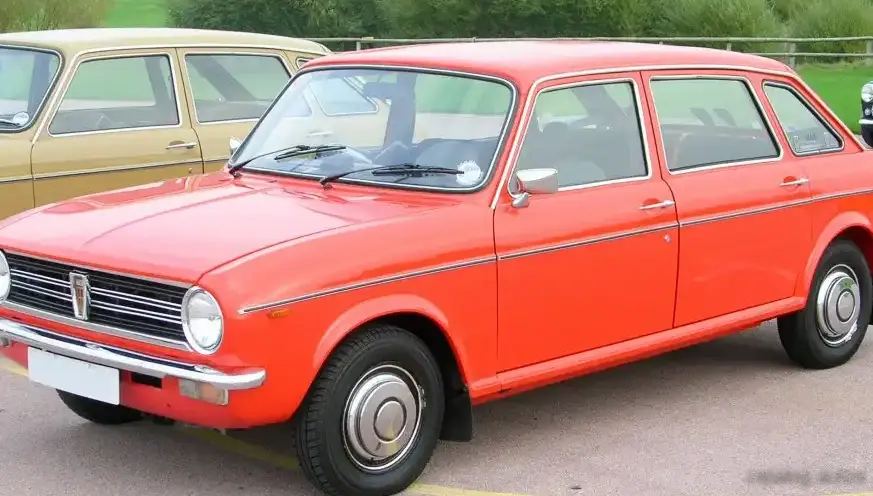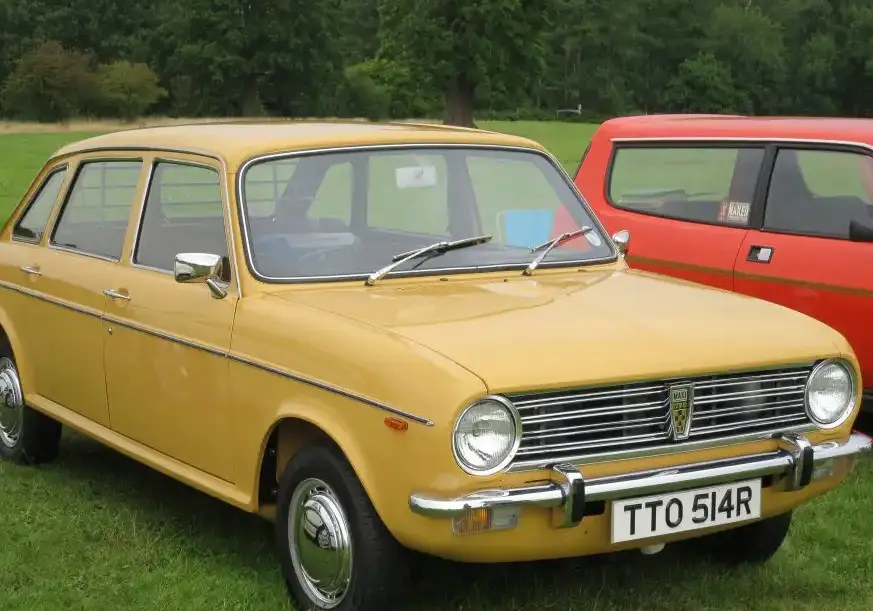
The Austin Maxi 1750 HL, produced from 1972 to 1980, represents a significant, though often overlooked, chapter in British automotive history. Positioned as a spacious and practical family hatchback, the Maxi was intended to modernize British Leyland’s offerings in a market increasingly dominated by European designs. The 1750 HL variant, equipped with a 1.75-liter engine producing 90 horsepower, occupied a mid-range position within the Maxi lineup, offering a balance between performance and affordability. It was a key component of the initial Maxi I generation, built on a front-wheel-drive platform – a relatively novel feature for British cars of the era. The ‘HL’ designation signified ‘High Line’, indicating a slightly more equipped trim level than the base models.
Technical Specifications
| Brand | Austin |
| Model | Maxi |
| Generation | Maxi I |
| Type (Engine) | 1750 HL (90 Hp) |
| Start of Production | 1972 |
| End of Production | 1980 |
| Powertrain Architecture | Internal Combustion Engine |
| Body Type | Hatchback |
| Fuel Type | Petrol (Gasoline) |
| Power | 90 Hp |
| Engine Aspiration | Naturally Aspirated |
| Engine Displacement | 1.75 Liters (1750 cc) |
| Transmission | 4-Speed Automatic |
| Curb Weight | Approximately 2,360 lbs (1,070 kg) |
| Top Speed | Approximately 90 mph (145 km/h) |
| 0-60 mph | Approximately 16.5 seconds |
Powertrain & Engine Architecture
The heart of the Austin Maxi 1750 HL is its 1750cc ‘E’ series inline-four engine. This engine, while not particularly sophisticated by contemporary standards, was designed for durability and low-end torque. It featured a cast iron block and cylinder head, with a single overhead camshaft operating the valves via pushrods. The engine utilized a Zenith 36mm carburetor for fuel delivery, a common setup for British cars of the period. The 90 horsepower output was achieved at 5,200 rpm, with peak torque of around 107 lb-ft at 3,000 rpm. The engine code is often referred to as ‘E6’. Crucially, the HL variant was frequently paired with a Borg Warner DG automatic transmission, a three-speed unit with a torque converter. This transmission, while providing ease of use, was known to be somewhat sluggish in operation, contributing to the car’s relatively slow acceleration times. The automatic gearbox was a significant selling point for buyers prioritizing convenience over outright performance.
Driving Characteristics
The driving experience in a Maxi 1750 HL automatic is best described as comfortable and unhurried. The automatic transmission, while smooth, noticeably impacted performance. Acceleration was leisurely, and overtaking required careful planning. The gear ratios were optimized for fuel economy and relaxed cruising rather than spirited driving. Compared to the manual transmission versions of the 1750, the automatic suffered a noticeable performance deficit. The manual gearbox allowed the engine to rev more freely, resulting in quicker acceleration and a more engaging driving experience. However, the automatic offered a level of convenience that appealed to a broader range of drivers, particularly those facing frequent urban traffic. The front-wheel-drive layout provided reasonable handling, although the car’s relatively soft suspension and high center of gravity meant it wasn’t particularly sporty. Steering was light, making it easy to maneuver in tight spaces.
Equipment & Trim Levels
The ‘HL’ trim level of the Austin Maxi 1750 offered a step up in comfort and convenience compared to the base models. Standard features included cloth upholstery, a wood-effect dashboard trim, and a more comprehensive instrument panel. The seats were generally well-padded and offered good support for longer journeys. Optional extras included a radio, heated rear window, and a vinyl roof. The interior design, while functional, was typical of British cars of the 1970s – somewhat dated even at the time of its release. The Maxi’s spacious interior was a key selling point, offering ample room for passengers and luggage. The hatchback configuration provided easy access to the cargo area, making it a practical choice for families.
Chassis & Braking
The Austin Maxi featured an independent front suspension with MacPherson struts and a trailing arm rear suspension. This setup provided a reasonably comfortable ride, although it wasn’t particularly sophisticated. The car’s front disc brakes and rear drum brakes offered adequate stopping power for its weight and performance. However, the braking system lacked the refinement of more modern designs. Stabilizer bars were fitted to both the front and rear axles, helping to reduce body roll during cornering. The steering was rack and pinion, providing light and precise control. The Maxi’s chassis was relatively robust, but it was prone to rust, particularly in areas exposed to salt and moisture.
Market Reception & Comparison
The Austin Maxi 1750 HL received a mixed reception from critics. While praised for its spaciousness and practicality, it was often criticized for its lackluster performance and somewhat dated design. Compared to its European rivals, such as the Renault 16 and the Fiat 128, the Maxi felt less refined and less technologically advanced. The automatic transmission version, in particular, was seen as a compromise, sacrificing performance for convenience. Fuel economy was also a concern, averaging around 25-30 mpg. However, the Maxi’s affordability and practicality made it a popular choice among British families. Compared to the manual transmission versions, the automatic HL variant appealed to a different demographic – those prioritizing ease of use over driving excitement. The 1.75-liter engine was generally considered more reliable than the earlier 1.5-liter unit, but it still required regular maintenance.
Legacy
The Austin Maxi, despite its shortcomings, played an important role in the evolution of British automotive design. It was one of the first British cars to adopt a front-wheel-drive layout and a hatchback body style. The 1750 HL automatic variant, while not the most exciting version of the Maxi, remains a relatively common sight on British roads today. Its simple mechanical design and readily available parts make it a relatively easy car to maintain. However, rust remains a significant issue, and finding a well-preserved example can be challenging. In the used car market, the Maxi 1750 HL is valued as a classic British car, appealing to enthusiasts and collectors. The powertrain, while not known for its longevity in extreme conditions, generally proved reliable with regular servicing, and many examples continue to operate today, a testament to its basic, robust engineering.