
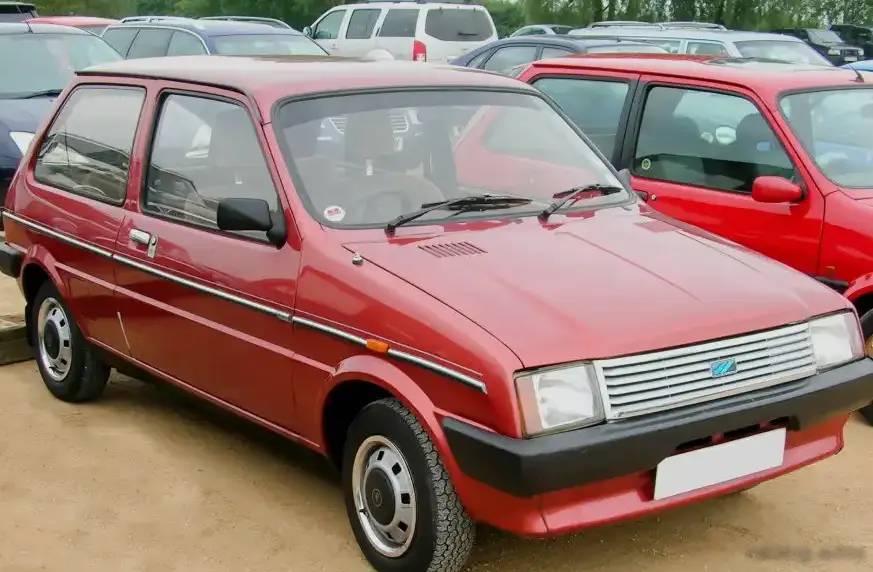
Technical Specifications
| Brand | Austin |
| Model | Metro |
| Generation | Metro |
| Type (Engine) | 1.3 L, HLE/S (60 Hp) |
| Start of Production | 1980 |
| End of Production | 1990 |
| Powertrain Architecture | Internal Combustion Engine |
| Body Type | Hatchback |
| Fuel Type | Petrol (Gasoline) |
| Power | 60 Hp |
| Engine Aspiration | Naturally Aspirated |
The Austin Metro 1.3 L, designated as the HLE or S trim, was a mainstay of the British Leyland (later Austin Rover Group) lineup from 1980 to 1990. Representing the supermini class, the Metro was intended as a modern replacement for the aging Mini, offering increased space, comfort, and practicality. The 1.3 L variant, producing 60 horsepower, served as the entry-level engine option for much of the Metro’s production run, targeting budget-conscious buyers and those prioritizing fuel economy over outright performance. It played a crucial role in establishing the Metro as one of Britain’s best-selling cars during the 1980s, competing directly with the Ford Fiesta and Vauxhall Nova.
Powertrain & Engine Architecture
The Austin Metro 1.3 L was powered by the A-Series engine, a long-running and highly-developed inline-four cylinder unit. While the A-Series had roots dating back to the 1950s, the version used in the Metro was a later iteration featuring a revised cylinder head and improved cooling. The 1300cc engine (1275cc to be precise) utilized a single overhead valve (OHV) configuration with a pushrod valvetrain. Fuel delivery was managed by a single Zenith-Stromberg 175CD carburetor, a relatively simple and reliable system for the time. The engine’s modest 60 horsepower output at 6000 rpm and 72 lb-ft of torque at 3500 rpm were sufficient for urban driving and shorter journeys, but it wasn’t designed for high-speed cruising or aggressive acceleration. The HLE and S trims were typically paired with a four-speed manual gearbox, although a three-speed automatic transmission was offered as an optional extra, albeit less common. The automatic version further reduced performance and increased fuel consumption. The three-speed automatic, a Borg Warner unit, was known for its durability but also for its relatively slow shift times and tendency to hunt for gears on inclines.
Driving Characteristics
The 1.3 L Metro offered a utilitarian driving experience. Acceleration was leisurely, taking approximately 16 seconds to reach 60 mph. The four-speed manual gearbox was light and easy to use, but the gear ratios were widely spaced, requiring frequent shifting to maintain optimal engine speed. The automatic transmission, while providing convenience, significantly hampered performance and felt sluggish, especially when attempting to overtake. The final drive ratio in the manual transmission models was typically 3.92:1, while the automatic versions often used a slightly taller ratio of 3.64:1 to improve fuel economy at the expense of acceleration. Handling was generally considered safe and predictable, with a relatively soft suspension setup prioritizing ride comfort over sporty handling. Steering was light, making it easy to maneuver in tight urban environments. Compared to the higher-performance 1.6 L versions of the Metro, the 1.3 L felt noticeably underpowered, particularly when carrying passengers or luggage. The 1.6 L offered a more engaging driving experience with significantly improved acceleration and cruising ability. The 1.3L Metro was best suited for city driving and shorter commutes, where its fuel efficiency and ease of use were appreciated.
Equipment & Trim Levels
The Austin Metro 1.3 L was available in several trim levels, with the HLE and S representing the mid-range and slightly sportier options, respectively. The base models were quite spartan, but the HLE added features such as a heated rear window, better interior trim, and optional radio. The S trim further enhanced the package with features like a more sporty interior, upgraded seats, and sometimes, alloy wheels (though steel wheels with hubcaps were more common). Standard equipment across most 1.3 L Metros included front disc brakes, rear drum brakes, and basic instrumentation. Optional extras included a sunroof, central locking, and upgraded sound systems. Interior upholstery was typically cloth, with a simple and functional dashboard layout. The S trim often featured a more vibrant interior color scheme compared to the more subdued tones of the HLE. The HLE trim was aimed at buyers seeking a balance of affordability and comfort, while the S trim appealed to those wanting a slightly more stylish and engaging driving experience.
Chassis & Braking
The Austin Metro utilized a front-wheel-drive layout with an independent suspension system at the front and a trailing arm suspension at the rear. The front suspension employed MacPherson struts with coil springs, while the rear suspension was a simpler, more cost-effective design. Braking was provided by disc brakes on the front wheels and drum brakes on the rear wheels. The braking system was adequate for the car’s performance, but lacked the stopping power of more modern vehicles. The chassis was a monocoque construction, providing a reasonable level of rigidity for a small car. Stabilizer bars were not standard on all models, and their absence could contribute to noticeable body roll during cornering. The relatively lightweight construction of the Metro helped to offset the modest engine power, contributing to acceptable fuel economy. The drum brakes on the rear wheels were a cost-saving measure, and their effectiveness diminished in wet conditions or during prolonged use.
Market Reception & Comparison
The Austin Metro 1.3 L was generally well-received by the British public, offering a practical and affordable mode of transportation. Critics praised its spacious interior for a supermini, its ease of driving, and its relatively low running costs. However, the 1.3 L engine was often criticized for its lack of power, particularly when compared to the more potent engines offered in competing models like the Ford Fiesta and Vauxhall Nova. Fuel economy was a strong point, averaging around 45-50 mpg in real-world driving conditions. Reliability was generally good, although the A-Series engine was prone to oil leaks as it aged. Compared to the 1.6 L Metro, the 1.3 L offered a lower purchase price and lower insurance costs, making it an attractive option for first-time buyers and those on a tight budget. The Fiesta, with its more modern engine and handling, was often seen as the more dynamic choice, while the Nova offered a similar level of practicality at a competitive price.
Legacy
The Austin Metro, particularly the 1.3 L variant, remains a fondly remembered car in Britain. While not known for its performance or sophistication, it provided reliable and affordable transportation for a generation of drivers. Today, well-maintained examples of the Metro 1.3 L are becoming increasingly collectible, appealing to enthusiasts seeking a nostalgic reminder of the 1980s. The A-Series engine, while simple in design, is relatively easy to maintain and repair, making it a popular choice for classic car enthusiasts. The Metro’s impact on the British automotive landscape was significant, paving the way for the Rover 100, which continued the Metro’s legacy into the 1990s. The 1.3 L powertrain, while not a powerhouse, proved to be durable and long-lasting, and many examples are still on the road today, a testament to its inherent reliability. Parts availability remains relatively good, thanks to a dedicated network of classic car suppliers. The Metro 1.3 L represents a significant chapter in British automotive history, embodying the spirit of affordable and practical motoring.
