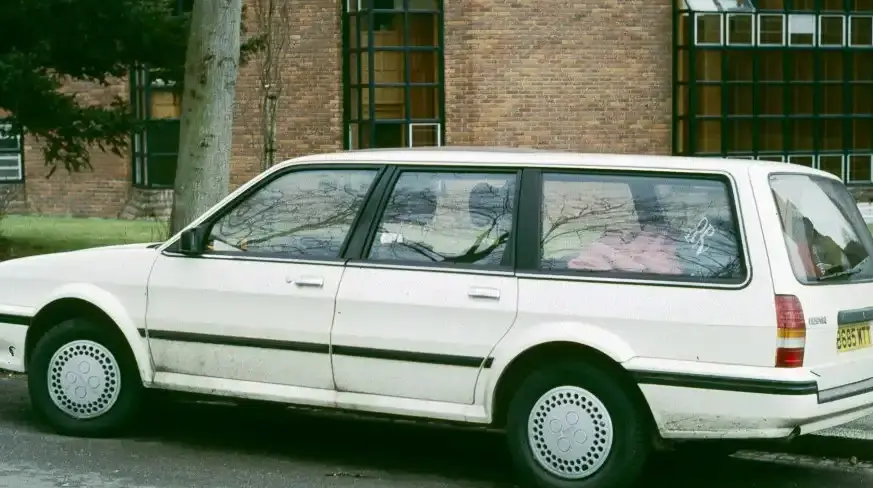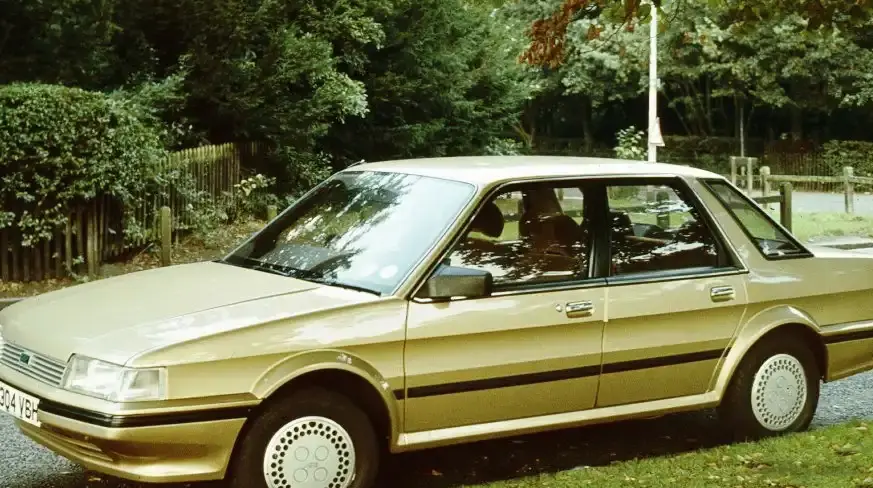
The Austin Montego 2.0 Turbo, produced between 1984 and 1988, represented a performance-oriented variant within the XE series of the Montego. Launched as part of British Leyland’s attempt to modernize its offerings and compete with increasingly sophisticated European and Japanese sedans, the 2.0 Turbo aimed to inject some excitement into the traditionally conservative Montego lineup. It was positioned as the flagship model, offering a significant power upgrade over the standard engine options. The Montego itself was a large family car, intended to replace the aging Austin Ambassador and Morris Omega, and was based on the O-Series platform, shared with the Rover SD1. The 2.0 Turbo, while relatively short-lived, remains a notable example of 1980s British engineering, showcasing the potential of forced induction in a domestic vehicle.
Technical Specifications
| Brand | Austin |
| Model | Montego |
| Generation | Montego (XE) |
| Type (Engine) | 2.0 Turbo (150 Hp) |
| Start of Production | 1984 |
| End of Production | 1988 |
| Powertrain Architecture | Internal Combustion Engine |
| Body Type | Sedan |
| Fuel Type | Petrol (Gasoline) |
| Power | 150 Hp |
| Engine Aspiration | Turbocharger |
Powertrain & Engine Architecture
The heart of the Montego 2.0 Turbo was the M-Series engine, a 1,994cc inline-four cylinder unit. While the M-Series was a well-established engine in the British Leyland portfolio, the Turbo variant received significant modifications to handle the increased stresses of forced induction. A Garrett T25 turbocharger was employed, boosting the engine’s output to 150 horsepower at 5,500 rpm and 170 lb-ft of torque at 3,500 rpm. This was a substantial increase compared to the naturally aspirated 2.0-liter engine, which produced around 103 hp. The engine featured Bosch K-Jetronic fuel injection, a mechanical system known for its reliability, though sometimes criticized for its complexity. The cylinder head was modified with strengthened valve springs and a lower compression ratio (8.5:1) to accommodate the turbocharger. The engine was mated to a five-speed manual gearbox as standard, although a three-speed automatic transmission was offered as an option. The automatic, while providing convenience, noticeably impacted the car’s acceleration and fuel economy. The engine block itself was cast iron, contributing to its durability, but also adding to the vehicle’s overall weight.
Driving Characteristics
The Montego 2.0 Turbo offered a noticeably different driving experience compared to its naturally aspirated siblings. The turbocharger provided a significant boost in mid-range power, making overtaking maneuvers considerably easier. While not a sports car by any means, the Turbo model offered respectable acceleration for its time, achieving 0-60 mph in around 8.4 seconds. The five-speed manual transmission allowed drivers to keep the engine within its optimal power band, maximizing performance. The automatic transmission, however, dulled the experience, resulting in slower acceleration and a less engaging drive. Handling was typical of large 1980s sedans – comfortable but not particularly sporty. The suspension, consisting of MacPherson struts at the front and a live axle with trailing arms at the rear, prioritized ride comfort over sharp handling. The steering was power-assisted, but lacked feedback. The turbocharger did introduce a degree of turbo lag, a common characteristic of early turbo systems, meaning there was a slight delay between pressing the accelerator and feeling the full power delivery.
Equipment & Trim Levels
The Montego 2.0 Turbo was generally well-equipped for its era, reflecting its position as the range-topping model. Standard features included central locking, electric front windows, a sunroof, and a stereo system. Interior trim consisted of cloth upholstery, although leather was available as an optional extra. The dashboard featured woodgrain trim and a comprehensive instrument cluster, including gauges for oil pressure and water temperature. Optional extras included air conditioning, an upgraded stereo system with graphic equalizer, and alloy wheels. The exterior was distinguished by a rear spoiler, body-colored bumpers, and Turbo badging. The interior was generally functional and well-laid-out, though the materials used were not particularly luxurious. The overall ambiance aimed for a comfortable and practical experience rather than outright opulence.
Chassis & Braking
The Montego 2.0 Turbo utilized a conventional chassis layout for a rear-wheel-drive sedan. The front suspension employed MacPherson struts, while the rear suspension featured a live axle with trailing arms. This setup provided a comfortable ride, but wasn’t known for its sporting prowess. Brakes were disc brakes all around, a significant upgrade over the drum brakes found on lower-spec Montego models. Power assistance was standard. The braking system was adequate for the car’s weight and performance, but lacked the sophistication of more modern systems. Stabilizer bars were fitted to both the front and rear axles to reduce body roll during cornering. The tires were typically 185/65 R14, providing a reasonable balance between grip and ride comfort. The overall chassis design was robust and reliable, but reflected the engineering standards of the 1980s.
Market Reception & Comparison
The Austin Montego 2.0 Turbo received mixed reviews from automotive critics. While the performance was generally praised, the car was often criticized for its somewhat dated design and interior. Compared to its rivals, such as the Ford Sierra 2.8i and the Vauxhall Senator, the Montego Turbo offered a competitive level of performance, but lacked the refinement and modern styling of its competitors. Fuel economy was also a concern, with the Turbo model returning around 22-25 mpg in mixed driving. Compared to the naturally aspirated 2.0-liter Montego, the Turbo offered a significant performance boost, but at the cost of increased fuel consumption and potentially higher maintenance costs. The 2.0 Turbo was also more expensive than the standard models, positioning it as a niche offering within the Montego range. Reliability was generally acceptable, but the turbocharger added a layer of complexity that could potentially lead to issues over time.
Legacy
The Austin Montego 2.0 Turbo, despite its relatively short production run, holds a certain appeal for enthusiasts of classic British cars. The powertrain, while not without its quirks, proved to be reasonably durable, and many examples are still on the road today. The car represents a bold attempt by British Leyland to inject some excitement into its lineup, and remains a reminder of a time when turbocharging was still a relatively new technology. In the used car market, the Montego 2.0 Turbo is becoming increasingly collectible, particularly well-maintained examples. Parts availability can be a challenge, but a dedicated network of enthusiasts and specialist suppliers exists to support owners. The car’s legacy lies in its demonstration of the potential of forced induction in a British-built vehicle, and its status as a unique and somewhat underrated classic.