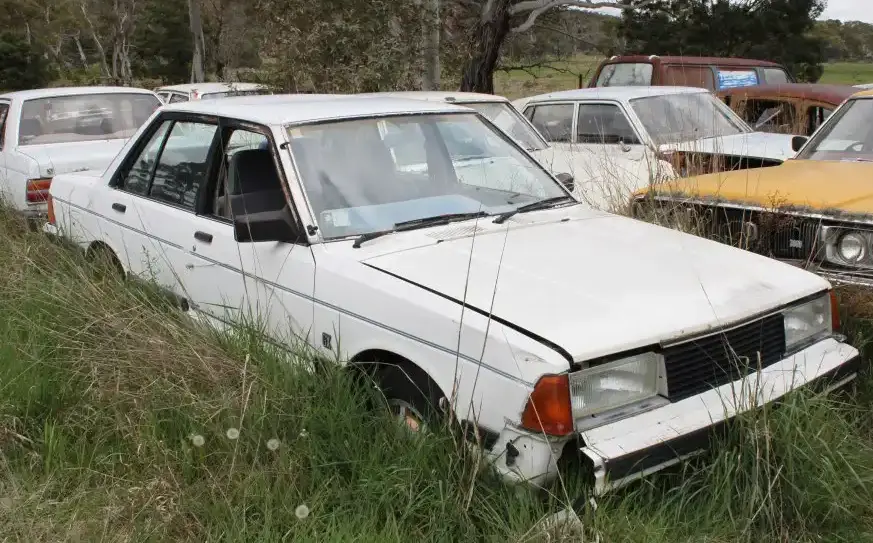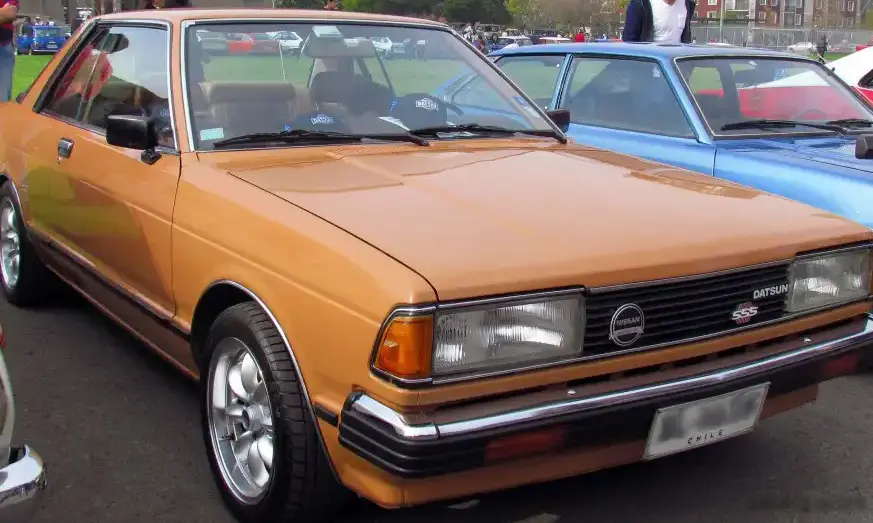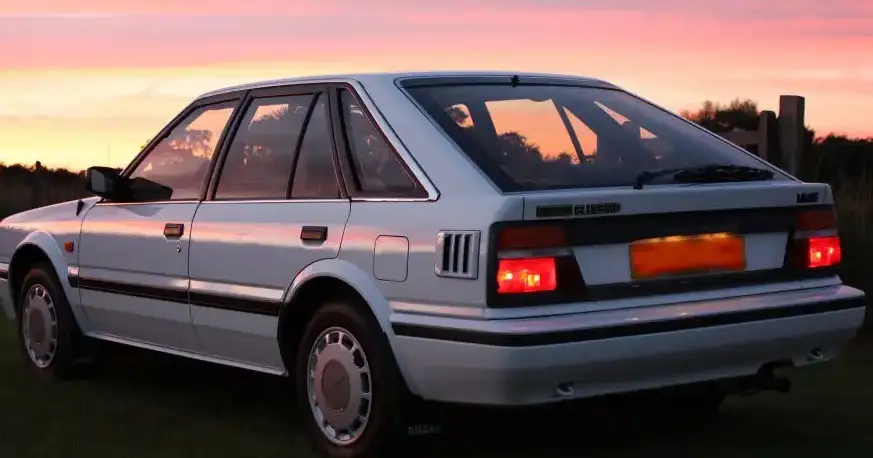
The Nissan Bluebird U11, produced between 1984 and 1986, represented a significant evolution in Nissan’s mid-size sedan offerings. Within the U11 generation (1984-1987), the 2.0 D variant, powered by the LD20 diesel engine producing 58 horsepower, occupied a specific niche. This model was primarily aimed at buyers prioritizing fuel economy and durability over outright performance, particularly in markets where diesel fuel was readily available and cost-effective. It served as a more economical alternative to the gasoline-powered Bluebird trims, and a more practical option than some of its competitors offering smaller displacement engines. The U11 Bluebird, in general, was a key model for Nissan, representing a move towards more modern styling and engineering compared to its predecessors.
Technical Specifications
| Brand | Nissan |
| Model | Bluebird |
| Generation | Bluebird (U11) |
| Type (Engine) | 2.0 D (58 Hp) |
| Start of production | April, 1984 |
| End of production | March, 1986 |
| Powertrain Architecture | Internal Combustion engine |
| Body type | Sedan |
| Seats | 5 |
| Doors | 4 |
| Fuel Type | Diesel |
| Maximum speed | 140 km/h (86.99 mph) |
| Weight-to-power ratio | 20.5 kg/Hp, 48.7 Hp/tonne |
| Weight-to-torque ratio | 10.5 kg/Nm, 95 Nm/tonne |
| Power | 58 Hp @ 4400 rpm |
| Power per litre | 29.7 Hp/l |
| Torque | 113 Nm @ 2400 rpm (83.34 lb.-ft. @ 2400 rpm) |
| Engine layout | Front, Transverse |
| Engine Model/Code | LD20 |
| Engine displacement | 1952 cm3 (119.12 cu. in.) |
| Number of cylinders | 4 |
| Engine configuration | Inline |
| Cylinder Bore | 85 mm (3.35 in.) |
| Piston Stroke | 86 mm (3.39 in.) |
| Compression ratio | 22.2:1 |
| Number of valves per cylinder | 2 |
| Fuel injection system | Precombustion chamber injection |
| Engine aspiration | Naturally aspirated engine |
| Valvetrain | SOHC |
| Kerb Weight | 1190 kg (2623.5 lbs.) |
| Max. weight | 1730 kg (3814 lbs.) |
| Max load | 540 kg (1190.5 lbs.) |
| Trunk (boot) space – minimum | 504 l (17.8 cu. ft.) |
| Fuel tank capacity | 60 l (15.85 US gal | 13.2 UK gal) |
| Max. roof load | 100 kg (220.46 lbs.) |
| Permitted trailer load with brakes (12%) | 1200 kg (2645.55 lbs.) |
| Permitted trailer load without brakes | 595 kg (1311.75 lbs.) |
| Permitted towbar download | 50 kg (110.23 lbs.) |
| Length | 4360 mm (171.65 in.) |
| Width | 1690 mm (66.54 in.) |
| Height | 1400 mm (55.12 in.) |
| Wheelbase | 2550 mm (100.39 in.) |
| Front track | 1460 mm (57.48 in.) |
| Rear (Back) track | 1450 mm (57.09 in.) |
| Drivetrain Architecture | The Internal combustion engine (ICE) drives the front wheels of the vehicle. |
| Drive wheel | Front wheel drive |
| Number of gears and type of gearbox | 5 gears, manual transmission |
| Front suspension | Independent, type McPherson with coil spring and anti-roll bar |
| Rear suspension | Several levers and rods |
| Front brakes | Ventilated discs |
| Rear brakes | Disc |
| Steering type | Steering rack and pinion |
| Power steering | Hydraulic Steering |
| Wheel rims size | 5J x 14 |
Powertrain & Engine Architecture
The heart of the Bluebird 2.0 D was the LD20 diesel engine, a 1.952-liter inline-four cylinder unit. This engine utilized precombustion chamber injection, a common diesel technology of the era. This system involved injecting fuel into a precombustion chamber connected to the main cylinder, promoting more complete combustion, especially in colder conditions. The LD20 featured a single overhead camshaft (SOHC) valvetrain, operating two valves per cylinder. While not a high-performance engine, the LD20 was known for its robustness and relatively simple design, contributing to its longevity. The 5-speed manual transmission was the only gearbox option available with this engine, geared towards maximizing fuel efficiency rather than providing rapid acceleration.
Driving Characteristics
The 58 horsepower output of the LD20 diesel, coupled with the 5-speed manual transmission, resulted in a driving experience focused on practicality and economy. Acceleration was modest, and highway passing required careful planning. The engine produced its peak torque of 113 Nm (83.34 lb-ft) at 2400 rpm, providing reasonable pulling power at lower engine speeds. Compared to the gasoline-powered Bluebird variants, the 2.0 D offered significantly lower fuel consumption, but at the expense of performance. The gear ratios in the 5-speed manual were optimized for fuel efficiency, meaning the engine often needed to be revved to maintain speed on inclines. The driving experience was noticeably different from the more responsive gasoline engines, emphasizing a relaxed and economical style.
Equipment & Trim Levels
The 2.0 D trim of the U11 Bluebird typically represented an entry-level or mid-range offering. Standard equipment generally included basic cloth upholstery, a simple dashboard layout with analog gauges, and manual windows and door locks. Air conditioning and a radio were often optional extras. The interior was functional and durable, prioritizing practicality over luxury. Higher trim levels of the U11 Bluebird, such as those equipped with gasoline engines, offered features like power windows, upgraded upholstery, and more sophisticated audio systems. The 2.0 D was often chosen by fleet buyers and individuals seeking a reliable and economical vehicle without the added cost of premium features.
Chassis & Braking
The U11 Bluebird featured an independent McPherson strut suspension system at the front, providing a comfortable ride and reasonable handling. The rear suspension utilized a multi-link setup, designed to balance ride comfort with stability. The 2.0 D variant, due to its lower weight compared to some of the higher-spec models, benefited from a slightly more agile feel. Braking duties were handled by ventilated discs at the front and solid discs at the rear, providing adequate stopping power for the vehicle’s weight and performance. Hydraulic power steering was standard, making maneuvering at low speeds easier.
Market Reception & Comparison
The Nissan Bluebird 2.0 D was generally well-received in markets where diesel engines were popular, such as Europe and Australia. Critics praised its fuel economy and durability, but noted its lack of performance compared to gasoline-powered rivals. Compared to other Bluebird trims, the 2.0 D offered a more affordable entry point into the model range, but at the cost of refinement and driving enjoyment. The gasoline-powered 1.6L and 1.8L variants offered more responsive acceleration, while the higher-spec trims provided a more luxurious interior and additional features. The 2.0 D appealed to buyers who prioritized practicality and long-term reliability over sporty driving dynamics.
Legacy
The LD20 diesel engine, found in the Bluebird 2.0 D, proved to be a remarkably durable and reliable powerplant. Many examples of this engine continue to operate today, testament to its robust construction and relatively simple design. In the used car market, the U11 Bluebird 2.0 D is often sought after by enthusiasts looking for a classic, economical, and dependable vehicle. While not a particularly collectible model, its simplicity and durability have ensured its survival. The U11 Bluebird, as a whole, is remembered as a solid and well-engineered sedan that helped establish Nissan’s reputation for building reliable and practical vehicles.