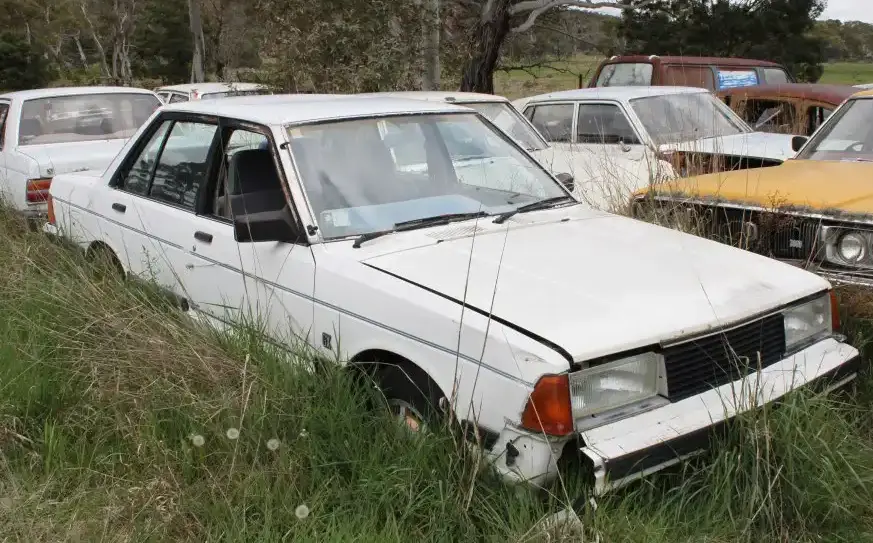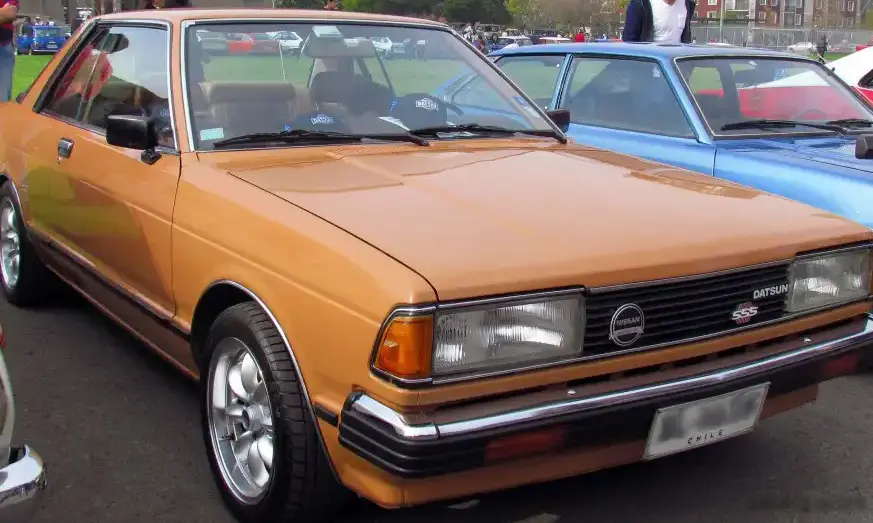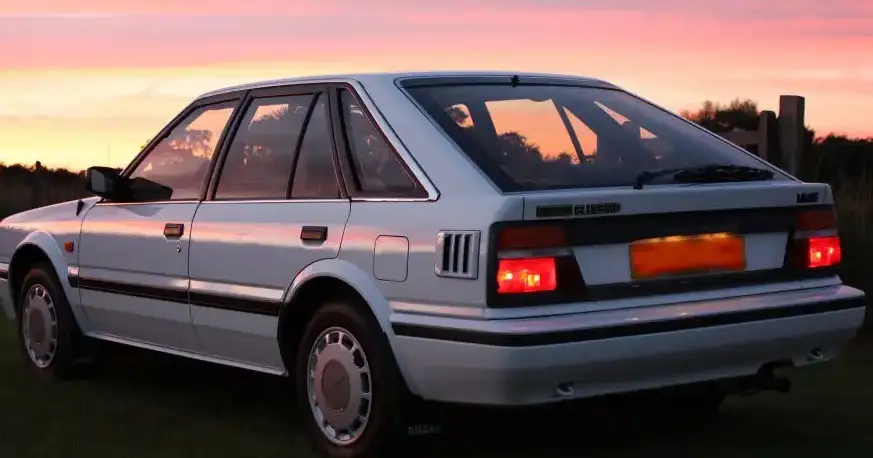
The Nissan Bluebird U12, produced between 1987 and 1991, represented a significant evolution in Nissan’s mid-size sedan offerings. This generation, known for its comfortable ride and practical design, aimed to provide reliable transportation for families. The 1.6-liter (79 hp) variant, powered by the CA16S engine, served as the entry point into the U12 Bluebird lineup, primarily targeted at buyers prioritizing fuel efficiency and affordability over outright performance. It was a key model in markets where larger, more powerful engines were less common or subject to higher taxation.
Technical Specifications
| Brand | Nissan |
| Model | Bluebird |
| Generation | Bluebird (U12) |
| Type (Engine) | 1.6 (79 Hp) |
| Start of production | 1987 |
| End of production | 1991 |
| Powertrain Architecture | Internal Combustion engine |
| Body type | Sedan |
| Seats | 5 |
| Doors | 4 |
| Fuel Type | Petrol (Gasoline) |
| Power | 79 Hp @ 5200 rpm |
| Power per litre | 49.4 Hp/l |
| Torque | 123 Nm @ 3200 rpm / 90.72 lb.-ft. @ 3200 rpm |
| Engine layout | Front, Transverse |
| Engine Model/Code | CA16S |
| Engine displacement | 1598 cm3 / 97.52 cu. in. |
| Number of cylinders | 4 |
| Engine configuration | Inline |
| Cylinder Bore | 78 mm / 3.07 in. |
| Piston Stroke | 83.6 mm / 3.29 in. |
| Compression ratio | 9:1 |
| Number of valves per cylinder | 2 |
| Engine aspiration | Naturally aspirated engine |
| Valvetrain | OHC |
| Fuel tank capacity | 60 l / 15.85 US gal | 13.2 UK gal |
| Length | 4520 mm / 177.95 in. |
| Width | 1690 mm / 66.54 in. |
| Height | 1375 mm / 54.13 in. |
| Wheelbase | 2550 mm / 100.39 in. |
| Front track | 1460 mm / 57.48 in. |
| Rear (Back) track | 1440 mm / 56.69 in. |
| Minimum turning circle (turning diameter) | 10 m / 32.81 ft. |
| Drivetrain Architecture | The Internal combustion engine (ICE) drives the front wheels of the vehicle. |
| Drive wheel | Front wheel drive |
| Number of gears and type of gearbox | 5 gears, manual transmission |
| Front brakes | Ventilated discs |
| Rear brakes | Drum |
Powertrain & Engine Architecture
The heart of the U12 Bluebird 1.6 was the CA16S engine, a 1.6-liter inline-four cylinder gasoline engine. This engine utilized a single overhead camshaft (OHC) valvetrain, operating two valves per cylinder. Fuel delivery was managed by a carburetor system, a common feature for vehicles of this era, prioritizing simplicity and cost-effectiveness. The CA16S engine was known for its relatively smooth operation and acceptable reliability, though it lacked the sophistication of more modern fuel injection systems. The engine’s 9:1 compression ratio was a standard figure for the time, balancing performance and fuel economy. The engine was transversely mounted in the front of the vehicle, driving the front wheels.
Driving Characteristics
The 79 horsepower output of the CA16S engine, coupled with the five-speed manual transmission, provided adequate, but not exhilarating, performance. Acceleration was modest, with a focus on providing sufficient power for everyday driving conditions. The gear ratios were tuned for fuel efficiency, meaning the engine needed to be revved relatively high to achieve brisk acceleration. Compared to the larger 1.8 and 2.0-liter engines available in the Bluebird U12 range, the 1.6-liter model felt noticeably less powerful, particularly when fully loaded with passengers and cargo. However, the lighter weight of the engine contributed to improved handling and a more nimble feel in city driving. The manual transmission offered a more engaging driving experience than the optional automatic, allowing drivers to better control the engine’s power band.
Equipment & Trim Levels
The 1.6-liter Bluebird typically represented the base trim level. Standard features generally included cloth upholstery, a basic AM/FM radio, and manual windows and door locks. Air conditioning was often an optional extra, as were power windows and upgraded audio systems. The interior design was functional and straightforward, prioritizing practicality over luxury. The dashboard layout was simple and easy to use, with clearly labeled controls. Depending on the market, some models might have included features like a digital clock or a basic trip computer. The exterior trim was also relatively basic, with steel wheels and minimal chrome accents.
Chassis & Braking
The U12 Bluebird featured a conventional front-wheel-drive chassis with independent front suspension and a semi-independent rear suspension. The front suspension utilized MacPherson struts, while the rear suspension employed a twist-beam setup. This configuration provided a comfortable ride, but handling was not particularly sporty. The braking system consisted of ventilated disc brakes on the front wheels and drum brakes on the rear wheels. This combination was adequate for the vehicle’s weight and performance, but lacked the stopping power of all-disc brake systems. The steering was typically a rack-and-pinion system, providing reasonable precision and feedback.
Market Reception & Comparison
The Nissan Bluebird 1.6 was generally well-received as a practical and affordable family sedan. Critics praised its comfortable ride, spacious interior, and fuel efficiency. However, the engine’s lack of power was a common criticism, particularly when compared to competitors offering more powerful engines in the same price range. In terms of fuel economy, the 1.6-liter Bluebird performed competitively with other vehicles in its class. Reliability was also a strong point, with the CA16S engine proving to be relatively durable and maintenance-free. Compared to higher-trim Bluebird models with larger engines, the 1.6-liter variant offered a more budget-friendly option, appealing to buyers who prioritized value over performance.
Legacy
The Nissan Bluebird U12 1.6, while not the most powerful or technologically advanced version of the model, remains a respected and reliable classic car. The CA16S engine, while simple in design, has proven to be remarkably durable, and many examples are still on the road today. Parts availability can be a challenge in some markets, but the engine’s simplicity makes it relatively easy to repair. In the used car market, the U12 Bluebird 1.6 is often sought after by enthusiasts looking for a classic Japanese sedan that is affordable to maintain and enjoyable to drive. It represents a significant chapter in Nissan’s history, showcasing the company’s commitment to providing practical and reliable transportation to a wide range of customers.