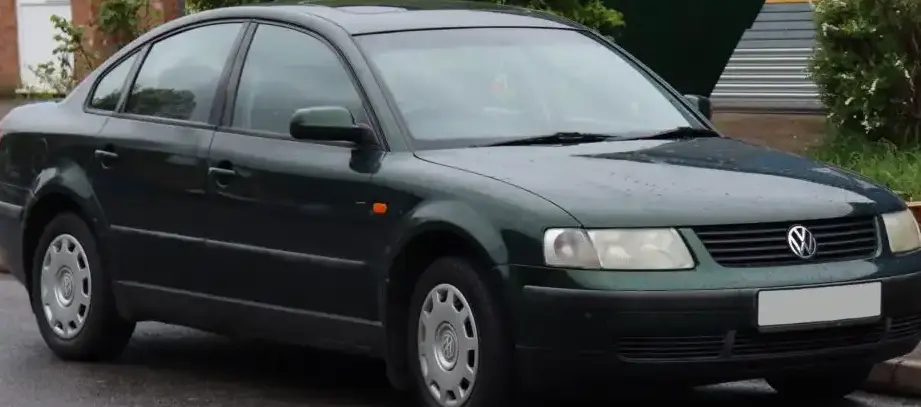
The Volkswagen Passat B5 1.8 20V Syncro, produced between 1996 and 2000, represents a significant evolution in Volkswagen’s mid-size offering. Positioned within the B5 Passat generation (1996-2005), this variant combined a 1.8-liter, 20-valve inline-four engine with Volkswagen’s 4Motion all-wheel-drive system and a five-speed manual transmission. It aimed to provide a balance of performance, practicality, and all-weather capability, appealing to buyers seeking a more secure driving experience than the front-wheel-drive models. The B5 Passat itself was a crucial model for Volkswagen, representing a move upmarket in terms of build quality, refinement, and technology, and it served as a key competitor to vehicles like the Audi A4, BMW 3 Series, and Mercedes-Benz C-Class.
Technical Specifications
| Brand | Volkswagen |
| Model | Passat |
| Generation | Passat (B5) |
| Type (Engine) | 1.8 20V (125 Hp) Syncro |
| Start of production | 1996 |
| End of production | 2000 |
| Powertrain Architecture | Internal Combustion engine |
| Body type | Sedan |
| Seats | 5 |
| Doors | 4 |
| Fuel consumption (urban) | 12.8 l/100 km (18.4 US mpg) |
| Fuel consumption (extra urban) | 6.9 l/100 km (34.1 US mpg) |
| Fuel Type | Petrol (Gasoline) |
| Acceleration 0 – 100 km/h | 11.3 sec |
| Acceleration 0 – 62 mph | 11.3 sec |
| Acceleration 0 – 60 mph | 10.7 sec |
| Maximum speed | 202 km/h (125.52 mph) |
| Weight-to-power ratio | 11 kg/Hp |
| Weight-to-torque ratio | 8.2 kg/Nm |
| Power | 125 Hp @ 5800 rpm |
| Torque | 168 Nm @ 3500 rpm (123.91 lb.-ft. @ 3500 rpm) |
| Engine layout | Front, Longitudinal |
| Engine Model/Code | ADR, APT, ARG |
| Engine displacement | 1781 cm3 (108.68 cu. in.) |
| Number of cylinders | 4 |
| Engine configuration | Inline |
| Cylinder Bore | 81 mm (3.19 in.) |
| Piston Stroke | 86.4 mm (3.4 in.) |
| Compression ratio | 10.3:1 |
| Number of valves per cylinder | 5 |
| Fuel injection system | Multi-port manifold injection |
| Engine aspiration | Naturally aspirated engine |
| Valvetrain | DOHC |
| Engine oil capacity | 3.5 l (3.7 US qt | 3.08 UK qt) |
| Coolant | 7 l (7.4 US qt | 6.16 UK qt) |
| Kerb Weight | 1370 kg (3020.33 lbs.) |
| Max. weight | 1920 kg (4232.88 lbs.) |
| Max load | 550 kg (1212.54 lbs.) |
| Trunk (boot) space – minimum | 400 l (14.13 cu. ft.) |
| Trunk (boot) space – maximum | 745 l (26.31 cu. ft.) |
| Fuel tank capacity | 65 l (17.17 US gal | 14.3 UK gal) |
| Length | 4670 mm (183.86 in.) |
| Width | 1740 mm (68.5 in.) |
| Height | 1460 mm (57.48 in.) |
| Wheelbase | 2700 mm (106.3 in.) |
| Front track | 1498 mm (58.98 in.) |
| Rear (Back) track | 1500 mm (59.06 in.) |
| Drive wheel | All wheel drive (4×4) |
| Number of gears and type of gearbox | 5 gears, manual transmission |
| Front suspension | Coil spring |
| Rear suspension | Coil spring |
| Front brakes | Ventilated discs |
| Rear brakes | Disc |
| Assisting systems | ABS (Anti-lock braking system) |
| Steering type | Steering rack and pinion |
| Power steering | Hydraulic Steering |
| Tires size | 195/65 R15 |
| Wheel rims size | 6J x 15 |
Powertrain & Engine Architecture
The heart of the Passat B5 1.8 20V Syncro is the 1781cc (1.8L) inline-four cylinder engine. Engine codes ADR, APT, and ARG were commonly found in this variant, with minor differences in calibration and emissions control equipment. This engine featured a cast iron block and an aluminum cylinder head, incorporating a double overhead camshaft (DOHC) design with five valves per cylinder (three intake, two exhaust). This 20-valve configuration was intended to improve breathing and enhance both low-end torque and high-rpm power. Fuel delivery was handled by a Bosch Motronic multi-port fuel injection system, precisely metering fuel into the intake ports. The 4Motion all-wheel-drive system utilized a viscous coupling to distribute power between the front and rear axles, providing enhanced traction in slippery conditions. The five-speed manual transmission offered precise shifts and contributed to the car’s engaging driving experience.
Driving Characteristics
The 125 horsepower and 168 lb-ft of torque produced by the 1.8 20V engine, combined with the added weight of the 4Motion system, resulted in a 0-60 mph time of around 10.7 seconds and a top speed of 125.52 mph. While not a particularly quick car by modern standards, the Syncro offered a respectable level of performance for its time. The all-wheel-drive system significantly improved grip, particularly on wet or loose surfaces, making it a more confident and stable vehicle to drive in adverse conditions. Compared to the front-wheel-drive 1.8 models, the Syncro felt more planted and secure, especially during cornering. The five-speed manual transmission provided good control over the engine’s powerband, although the gear ratios were somewhat widely spaced, requiring frequent shifting to maintain optimal performance. Compared to the more powerful V6 variants, the 1.8 Syncro prioritized fuel efficiency and affordability over outright speed.
Equipment & Trim Levels
The 1.8 20V Syncro typically came equipped with a reasonable level of standard features. Interior appointments included cloth upholstery, power windows and locks, and a basic audio system. Air conditioning was often standard, but could be optional depending on the specific market. Safety features included ABS anti-lock brakes and dual front airbags. Optional extras included a sunroof, upgraded audio systems, leather upholstery, and alloy wheels. The Syncro trim generally sat in the mid-range of the B5 Passat lineup, offering a step up in capability and features compared to the base models, but lacking the luxury appointments of the higher-end trims.
Chassis & Braking
The Passat B5 featured an independent suspension setup at all four corners, utilizing coil springs and shock absorbers. The front suspension employed MacPherson struts, while the rear suspension utilized a multi-link design. This configuration provided a comfortable ride and good handling characteristics. Braking duties were handled by ventilated discs at the front and solid discs at the rear. The ABS anti-lock braking system helped to maintain steering control during hard braking. The Syncro models often featured slightly stiffer suspension components to compensate for the added weight of the all-wheel-drive system.
Market Reception & Comparison
The Passat B5 1.8 20V Syncro was generally well-received by automotive critics. It was praised for its comfortable ride, spacious interior, and improved build quality compared to previous Passat generations. The 4Motion all-wheel-drive system was a significant selling point, particularly in regions with harsh winters. However, some critics noted that the 1.8-liter engine could feel underpowered, especially when fully loaded or driving uphill. Fuel economy was considered reasonable for a vehicle of its size and class, averaging around 22-34 mpg depending on driving conditions. Compared to the V6 models, the 1.8 Syncro offered a more affordable entry point into the Passat range, but at the expense of performance.
Legacy
The Volkswagen Passat B5 1.8 20V Syncro has proven to be a relatively reliable vehicle, with many examples still on the road today. The 1.8-liter engine is generally considered durable, although regular maintenance is essential to prevent issues such as oil leaks and timing belt failure. The 4Motion system is also known for its reliability, provided that the viscous coupling is serviced as recommended. In the used car market, these Passats represent a good value for buyers seeking a comfortable, practical, and all-weather capable sedan. However, potential buyers should be aware of common issues such as electrical problems and corrosion, particularly in areas with harsh winters. The B5 Passat, and the 1.8 Syncro variant in particular, remains a popular choice for enthusiasts and everyday drivers alike.