Technical Specifications
| Brand | Lancia |
| Model | Beta |
| Generation | Beta Coupe (BC) |
| Type (Engine) | 1600 (101 Hp) |
| Start of production | 1976 |
| End of production | 1984 |
| Powertrain Architecture | Internal Combustion engine |
| Body type | Coupe |
| Seats | 4 |
| Doors | 2 |
| Fuel Type | Petrol (Gasoline) |
| Maximum speed | 178 km/h (110.6 mph) |
| Weight-to-power ratio | 11.3 kg/Hp, 88.2 Hp/tonne |
| Weight-to-torque ratio | 8.4 kg/Nm, 119.7 Nm/tonne |
| Power | 101 Hp @ 5800 rpm |
| Power per litre | 63.7 Hp/l |
| Torque | 137 Nm (101.05 lb.-ft.) |
| Engine layout | Middle, Transverse |
| Engine Model/Code | 828 B.000 |
| Engine displacement | 1585 cm3 (96.72 cu. in.) |
| Number of cylinders | 4 |
| Engine configuration | Inline |
| Cylinder Bore | 84 mm (3.31 in.) |
| Piston Stroke | 71.5 mm (2.81 in.) |
| Compression ratio | 9.4:1 |
| Engine aspiration | Naturally aspirated engine |
| Valvetrain | DOHC |
| Engine oil capacity | 4.2 l (4.44 US qt | 3.7 UK qt) |
| Coolant | 7.5 l (7.93 US qt | 6.6 UK qt) |
| Kerb Weight | 1145 kg (2524.29 lbs.) |
| Length | 3995 mm (157.28 in.) |
| Width | 1650 mm (64.96 in.) |
| Height | 1285 mm (50.59 in.) |
| Wheelbase | 2350 mm (92.52 in.) |
| Drivetrain Architecture | The Internal combustion engine (ICE) drives the front wheels of the vehicle. |
| Drive wheel | Front wheel drive |
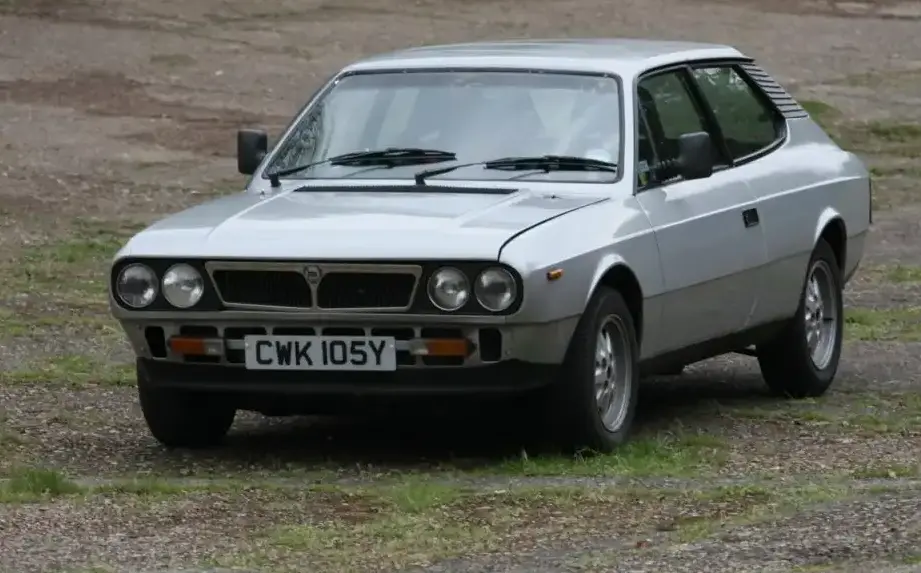
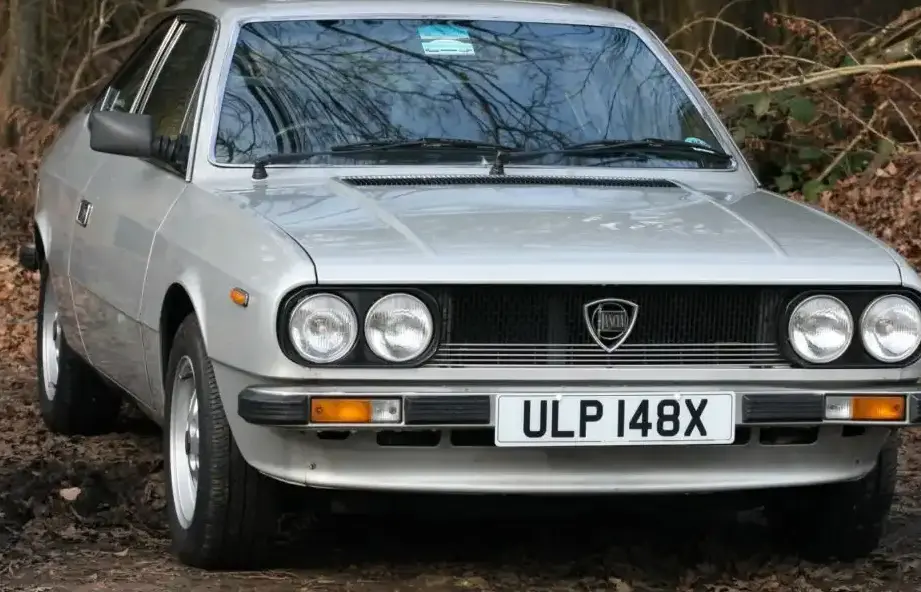
The Lancia Beta Coupe (BC) 1600, produced from 1976 to 1984, was a notable offering in the European compact coupe market. Positioned as a stylish and technically advanced vehicle, the 1600 variant occupied a middle ground within the Beta Coupe range, balancing performance and affordability. It was built on the 1HX0 platform, part of the broader Beta family, and aimed to provide a more sporting alternative to conventional family cars. The Beta Coupe represented Lancia’s effort to modernize its image and attract a younger audience, moving away from the brand’s traditionally styled vehicles.
Powertrain & Engine Architecture
The Beta Coupe 1600’s engine was a Lancia-designed, transversely mounted, inline-four cylinder unit, designated 828 B.000. Displacing 1585 cc, it featured a dual overhead camshaft (DOHC) valvetrain, a relatively sophisticated design for the era that contributed to its respectable power output. Fuel delivery was handled by a single Weber 32 ADF carburetor, a common setup for European cars of the 1970s. The 9.4:1 compression ratio was a compromise between performance and the fuel quality available in various European markets. The engine was paired with a three-speed automatic transmission, an uncommon option in Europe where manual transmissions were preferred. This automatic was sourced from General Motors, a consequence of Lancia’s ownership by the Chrysler Corporation at the time.
Driving Characteristics
The 1600 automatic Beta Coupe offered a comfortable, though not particularly sporty, driving experience. The automatic transmission, while convenient, diminished the car’s potential. Acceleration was adequate, with the 101 horsepower engine providing sufficient power for everyday driving, but it lacked the responsiveness of the manual transmission versions or the more powerful 2.0-liter models. The three-speed automatic’s gear ratios prioritized fuel economy and smooth cruising over spirited performance. The front-wheel drive layout provided predictable handling, but the relatively soft suspension prioritized ride comfort over sharp cornering. Compared to the five-speed manual version, the automatic suffered a noticeable performance penalty, with slower acceleration and a less engaging driving experience.
Equipment & Trim Levels
The Beta Coupe 1600 automatic came with a reasonable level of standard features for its time. Interior appointments included cloth upholstery, a basic instrument cluster, and a four-spoke steering wheel. Power steering was often included, a welcome addition given the front-wheel drive configuration. Optional extras included a sunroof, upgraded audio systems, and metallic paint finishes. The trim level was generally considered mid-range within the Beta Coupe lineup, offering more comfort and convenience than the base models but lacking the more luxurious appointments of the higher-spec versions. The interior design was functional and modern, focusing on ergonomics and ease of use.
Chassis & Braking
The Beta Coupe utilized a MacPherson strut front suspension and a trailing arm rear suspension. The suspension was tuned for ride comfort, providing a relatively smooth ride over uneven surfaces. Braking initially used front disc brakes and rear drum brakes. Later models received rear disc brakes, improving stopping performance. The braking system was hydraulically assisted, providing adequate stopping power for the car’s weight and performance. Stabilizer bars were fitted to both the front and rear axles to reduce body roll during cornering. The chassis was a monocoque construction, offering a good balance of strength and rigidity.
Market Reception & Comparison
The Lancia Beta Coupe 1600 automatic received mixed reviews from automotive critics. While praised for its stylish design and comfortable interior, the automatic transmission was often criticized for hindering the car’s potential. Fuel economy was average for the time, and reliability was a concern for some owners, particularly with the early carburetor models. Compared to the manual transmission versions, the automatic offered a less engaging driving experience and slightly worse fuel economy. Against competitors like the Ford Capri and Opel Manta, the Beta Coupe offered a more sophisticated and refined driving experience, but it was often more expensive. The 2.0-liter Beta Coupe offered significantly more performance, but at a higher price point.
Legacy
The Lancia Beta Coupe 1600 automatic, while not the most desirable variant of the Beta Coupe, holds a place in automotive history as a stylish and technically interesting vehicle. The 828 B.000 engine proved relatively durable, although carburetor maintenance can be a concern for owners today. The automatic transmission, while not known for its longevity, can be rebuilt if necessary. In the used car market, the Beta Coupe 1600 automatic is relatively affordable, making it an accessible entry point into classic Lancia ownership. However, finding well-maintained examples can be challenging, as many cars have suffered from neglect or corrosion over the years. The Beta Coupe, in general, is remembered as a car that attempted to blend Italian style with modern engineering, and the 1600 automatic represents a unique and interesting chapter in Lancia’s history.