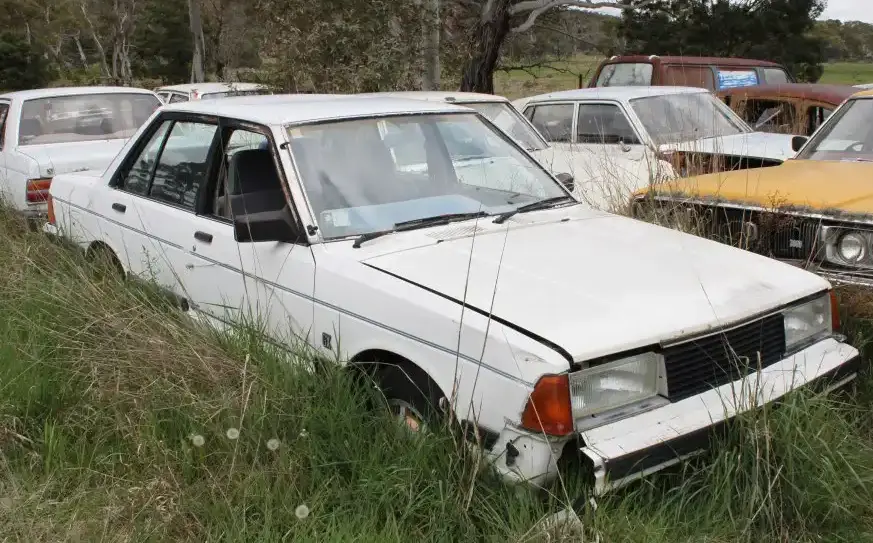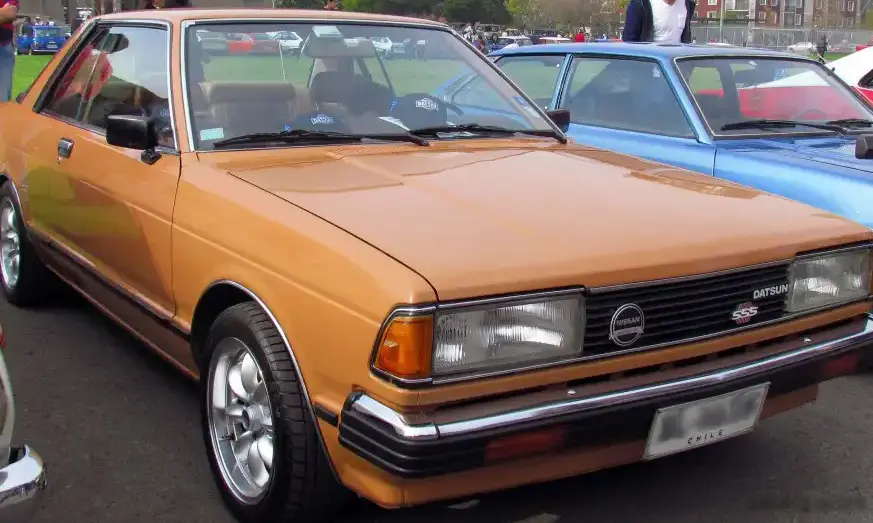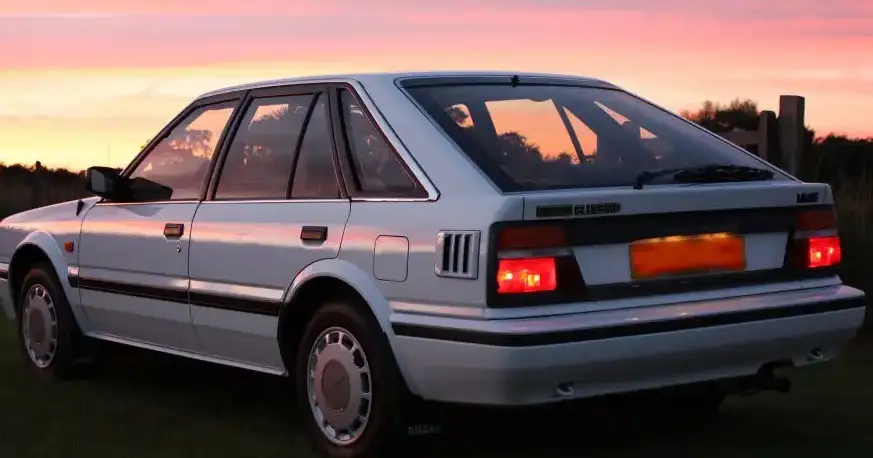
The Nissan Bluebird (U13) 2.0i, producing 145 horsepower, was a significant iteration of Nissan’s long-running Bluebird line. Produced between 1991 and 1995, this variant occupied a middle ground within the U13 generation, offering a balance between performance and affordability. The U13 Bluebird was primarily marketed in Japan and select export markets, serving as a comfortable and reliable family sedan. It represented a move towards more modern styling and technology for the Bluebird, while retaining the core values of practicality and dependability that had defined the model for decades. This specific 2.0i trim aimed to appeal to buyers seeking a more spirited driving experience than the base models, without the higher price tag of the more luxurious or performance-oriented options.
Technical Specifications
| Brand | Nissan |
| Model | Bluebird |
| Generation | Bluebird (U13) |
| Type (Engine) | 2.0i (145 Hp) |
| Start of production | 1991 |
| End of production | 1995 |
| Powertrain Architecture | Internal Combustion engine |
| Body type | Sedan |
| Seats | 5 |
| Doors | 4 |
| Fuel Type | Petrol (Gasoline) |
| Weight-to-power ratio | 8.5 kg/Hp, 117.9 Hp/tonne |
| Weight-to-torque ratio | 6.9 kg/Nm, 144.7 Nm/tonne |
| Power | 145 Hp @ 6400 rpm |
| Power per litre | 72.6 Hp/l |
| Torque | 178 Nm @ 4800 rpm (131.29 lb.-ft. @ 4800 rpm) |
| Engine layout | Front, Transverse |
| Engine displacement | 1998 cm3 (121.93 cu. in.) |
| Number of cylinders | 4 |
| Engine configuration | Inline |
| Cylinder Bore | 86 mm (3.39 in.) |
| Piston Stroke | 86 mm (3.39 in.) |
| Compression ratio | 9.5:1 |
| Number of valves per cylinder | 4 |
| Fuel injection system | Multi-port manifold injection |
| Engine aspiration | Naturally aspirated engine |
| Kerb Weight | 1230 kg (2711.69 lbs.) |
| Fuel tank capacity | 60 l (15.85 US gal | 13.2 UK gal) |
| Length | 4585 mm (180.51 in.) |
| Width | 1695 mm (66.73 in.) |
| Height | 1405 mm (55.31 in.) |
| Wheelbase | 2620 mm (103.15 in.) |
| Front track | 1465 mm (57.68 in.) |
| Rear (Back) track | 1455 mm (57.28 in.) |
| Ride height (ground clearance) | 145 mm (5.71 in.) |
| Drivetrain Architecture | The Internal combustion engine (ICE) drives the front wheels of the vehicle. |
| Drive wheel | Front wheel drive |
| Number of gears and type of gearbox | 5 gears, manual transmission |
| Front brakes | Ventilated discs |
| Rear brakes | Disc |
| Steering type | Steering rack and pinion |
| Tires size | 195/65 R14 |
| Wheel rims size | 14 |
Powertrain & Engine Architecture
The heart of the Bluebird 2.0i was the GA20DE engine, a 1998cc inline-four cylinder powerplant. This engine utilized multi-port fuel injection, a common feature for the time, to optimize fuel delivery and improve efficiency. The GA20DE featured a single overhead camshaft (SOHC) design with four valves per cylinder, contributing to its respectable power output. The engine’s 9.5:1 compression ratio was a balance between performance and the ability to run on the readily available gasoline grades of the early 1990s. The 5-speed manual transmission was the standard offering for this trim, providing drivers with direct control over the engine’s power. The transmission was chosen for its durability and relatively smooth shifting characteristics.
Driving Characteristics
The 145 horsepower and 178 Nm (131.29 lb-ft) of torque provided by the GA20DE engine gave the Bluebird 2.0i a noticeable step up in performance compared to the lower-displacement models. While not a sports sedan, it offered sufficient power for comfortable highway cruising and confident overtaking maneuvers. The 5-speed manual transmission allowed drivers to keep the engine in its optimal power band, resulting in responsive acceleration. The gear ratios were fairly conventional, prioritizing everyday drivability over outright performance. Compared to the base 1.6L engine, the 2.0i felt significantly more relaxed at higher speeds and required less frequent downshifting. It was a noticeable improvement for those who regularly drove on the highway or with a full passenger load.
Equipment & Trim Levels
The 2.0i trim of the U13 Bluebird typically included features such as power windows, power steering, and a basic audio system. Interior upholstery was usually cloth, with a focus on durability and comfort. Depending on the market and optional packages, features like air conditioning, central locking, and upgraded audio systems were available. The dashboard layout was functional and straightforward, prioritizing ease of use over flashy design. The 2.0i often served as a stepping stone to the more luxurious trims, offering a good balance of features without the premium price tag.
Chassis & Braking
The U13 Bluebird utilized a MacPherson strut front suspension and a multi-link rear suspension, providing a comfortable and controlled ride. The front brakes were ventilated discs, offering good stopping power, while the rear brakes were solid discs. The steering was rack and pinion, providing precise and responsive handling. The 195/65 R14 tires offered a good compromise between ride comfort and grip. The chassis was designed to prioritize stability and comfort, rather than sporty handling. Stabilizer bars were included both front and rear to reduce body roll during cornering.
Market Reception & Comparison
The Nissan Bluebird 2.0i was generally well-received by automotive critics as a practical and reliable family sedan. It was praised for its comfortable ride, spacious interior, and fuel efficiency. Compared to its competitors, such as the Toyota Corolla and Honda Civic, the Bluebird offered a slightly more refined driving experience and a more spacious interior. However, it wasn’t as sporty as some of its rivals. The 2.0i trim offered a compelling alternative to the base models, providing a noticeable performance boost without a significant price increase. Fuel economy was competitive for the time, making it an attractive option for budget-conscious buyers.
Legacy
The U13 Bluebird 2.0i, while not a particularly rare or collectible vehicle today, remains a testament to Nissan’s commitment to building reliable and practical automobiles. The GA20DE engine is known for its durability and relatively simple maintenance requirements. Well-maintained examples can still be found on the used car market, often offering a cost-effective and dependable transportation option. The U13 Bluebird represents a transitional period in automotive design, bridging the gap between the boxy designs of the 1980s and the more aerodynamic shapes of the 1990s. Its enduring reputation for reliability has ensured its continued presence on roads around the world.