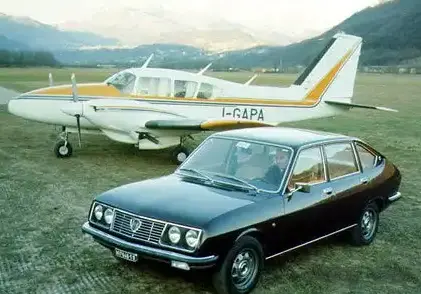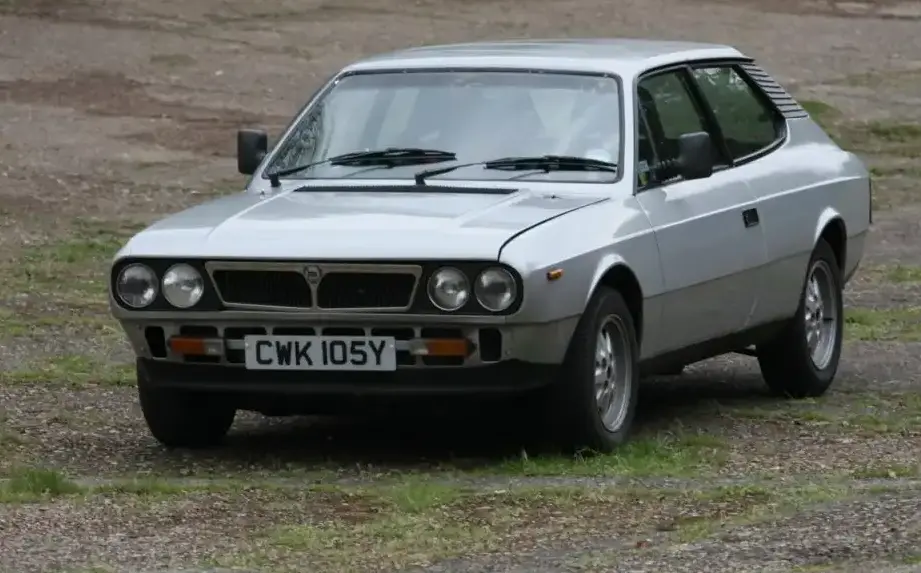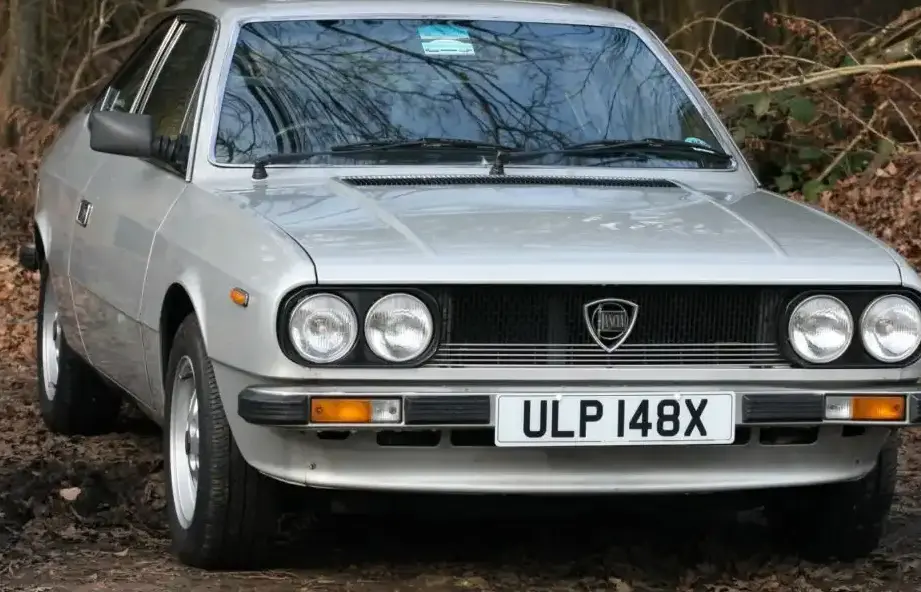
The Lancia Beta Coupe (BC) 2000 VX, produced between 1983 and 1984, represented the performance pinnacle of the second-generation Beta Coupe range. Positioned as the top-of-the-line variant, the 2000 VX boasted a larger displacement engine and increased power output compared to the lower-spec 1.6 and 1.8 liter models. It was a key offering in Lancia’s attempt to maintain a foothold in the sporty coupe market, appealing to drivers seeking a blend of Italian style and respectable performance. The Beta Coupe, and the Beta range as a whole, was a significant model for Lancia, representing a move towards more modern engineering and design principles.
Technical Specifications
| Brand | Lancia |
| Model | Beta |
| Generation | Beta Coupe (BC) |
| Type (Engine) | 2000 VX (135 Hp) |
| Start of production | 1983 |
| End of production | 1984 |
| Powertrain Architecture | Internal Combustion engine |
| Body type | Coupe |
| Seats | 4 |
| Doors | 2 |
| Fuel consumption (urban) | 12.6 l/100 km (18.7 US mpg, 22.4 UK mpg, 7.9 km/l) |
| Fuel consumption (extra urban) | 7.2 l/100 km (32.7 US mpg, 39.2 UK mpg, 13.9 km/l) |
| Fuel Type | Petrol (Gasoline) |
| Acceleration 0 – 100 km/h | 9 sec |
| Acceleration 0 – 62 mph | 9 sec |
| Acceleration 0 – 60 mph | 8.6 sec |
| Maximum speed | 200 km/h (124.27 mph) |
| Weight-to-power ratio | 8.1 kg/Hp, 123.3 Hp/tonne |
| Weight-to-torque ratio | 5.3 kg/Nm, 188.1 Nm/tonne |
| Power | 135 Hp @ 5500 rpm |
| Power per litre | 67.7 Hp/l |
| Torque | 206 Nm @ 3000 rpm (151.94 lb.-ft. @ 3000 rpm) |
| Engine layout | Front, Transverse |
| Engine Model/Code | 828 B7.000 |
| Engine displacement | 1995 cm3 (121.74 cu. in.) |
| Number of cylinders | 4 |
| Engine configuration | Inline |
| Cylinder Bore | 84 mm (3.31 in.) |
| Piston Stroke | 90 mm (3.54 in.) |
| Fuel injection system | Carburettor |
| Engine aspiration | Naturally aspirated engine |
| Valvetrain | DOHC |
| Engine oil capacity | 4.5 l (4.76 US qt | 3.96 UK qt) |
| Coolant | 7.5 l (7.93 US qt | 6.6 UK qt) |
| Kerb Weight | 1095 kg (2414.06 lbs.) |
| Max. weight | 1415 kg (3119.54 lbs.) |
| Max load | 320 kg (705.48 lbs.) |
| Permitted trailer load with brakes (12%) | 1200 kg (2645.55 lbs.) |
| Length | 3995 mm (157.28 in.) |
| Width | 1650 mm (64.96 in.) |
| Height | 1285 mm (50.59 in.) |
| Wheelbase | 2350 mm (92.52 in.) |
| Front track | 1406 mm (55.35 in.) |
| Rear track | 1392 mm (54.8 in.) |
| Minimum turning circle | 11 m (36.09 ft.) |
| Drivetrain Architecture | The Internal combustion engine (ICE) drives the front wheels of the vehicle. |
| Drive wheel | Front wheel drive |
| Number of gears and type of gearbox | 5 gears, manual transmission |
| Front suspension | Independent, type McPherson with coil spring and anti-roll bar |
| Rear suspension | McPherson, Transverse stabilizer |
| Front brakes | Disc |
| Rear brakes | Disc |
| Steering type | Steering rack and pinion |
| Power steering | Hydraulic Steering |
| Tires size | 185/65 R14 |
| Wheel rims size | 5.5J x 14 |
Powertrain & Engine Architecture
The heart of the 2000 VX was the Lancia-designed, twin-cam, 1995cc inline-four cylinder engine, designated the 828 B7.000. This engine featured a cast iron block and an aluminum cylinder head with two overhead camshafts (DOHC) operating two valves per cylinder. Unlike later fuel-injected Lancia engines, the 2000 VX utilized a Weber 32 ADFA twin-choke carburetor, a relatively archaic system by the early 1980s, but one that contributed to the engine’s character. The carburetor setup, while less efficient than fuel injection, provided a direct and responsive throttle feel. The engine produced 135 horsepower at 5500 rpm and 206 Nm (152 lb-ft) of torque at 3000 rpm. The engine was transversely mounted, driving the front wheels through a robust, fully synchronized five-speed manual transmission. This configuration was typical for European front-wheel-drive cars of the era.
Driving Characteristics
The 2000 VX offered a noticeable performance improvement over the lower-spec Beta Coupes. Acceleration to 60 mph was achieved in around 8.6 seconds, and it could reach a top speed of 200 km/h (124 mph). While not a sports car by modern standards, the 2000 VX provided brisk acceleration and confident highway cruising. The five-speed manual transmission allowed drivers to keep the engine in its sweet spot, maximizing power delivery. The front-wheel-drive layout, while providing good traction in most conditions, could exhibit torque steer under hard acceleration. The steering was light and precise, contributing to a relatively engaging driving experience. Compared to the 1.6 or 1.8 liter versions, the 2000 VX felt significantly more powerful and responsive, making it the preferred choice for drivers prioritizing performance.
Equipment & Trim Levels
The 2000 VX was the best-equipped Beta Coupe variant. Standard features included power-assisted steering, disc brakes on all four wheels, and a comprehensive instrument panel. The interior typically featured cloth upholstery, although leather was available as an option. The dashboard layout was functional and driver-focused, with clearly marked gauges. Optional extras included a sunroof, upgraded audio system, and alloy wheels. The VX trim also featured subtle exterior styling enhancements, such as a rear spoiler and unique badging, to differentiate it from the lower-spec models.
Chassis & Braking
The Beta Coupe utilized an independent suspension system all around. The front suspension employed McPherson struts with coil springs and an anti-roll bar, while the rear suspension also used a McPherson strut design with a transverse stabilizer. This setup provided a good balance between ride comfort and handling. The 2000 VX was equipped with disc brakes on all four wheels, providing ample stopping power. The hydraulic power steering made maneuvering at low speeds easier, while still providing good feedback at higher speeds. The chassis was relatively lightweight, contributing to the car’s nimble handling characteristics.
Market Reception & Comparison
The Lancia Beta Coupe 2000 VX was generally well-received by automotive critics. It was praised for its stylish design, comfortable interior, and respectable performance. However, some critics noted the carburetor’s impact on fuel economy and emissions. Compared to rivals like the Alfa Romeo GTV6 and the Porsche 924, the Beta Coupe offered a more affordable entry point into the sporty coupe segment. The 2000 VX’s fuel economy was comparable to other cars in its class, but it was less efficient than the fuel-injected models. Reliability was a mixed bag, with some owners reporting issues with the electrical system and carburetor.
Legacy
The Lancia Beta Coupe 2000 VX remains a sought-after classic car today, particularly among Lancia enthusiasts. The 828 B7.000 engine, while not known for its longevity, is relatively straightforward to maintain. Finding parts can be challenging, but a dedicated network of Lancia specialists and online forums provides support for owners. The 2000 VX represents a high point in Lancia’s history, showcasing the brand’s commitment to stylish design and engaging driving dynamics. Well-maintained examples command a premium in the used car market, appealing to collectors and drivers who appreciate a unique and characterful classic coupe.