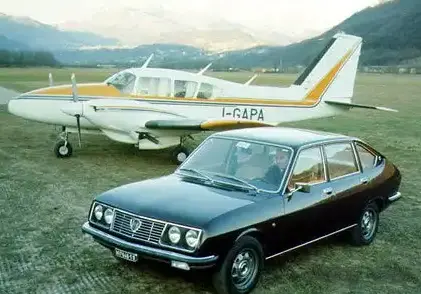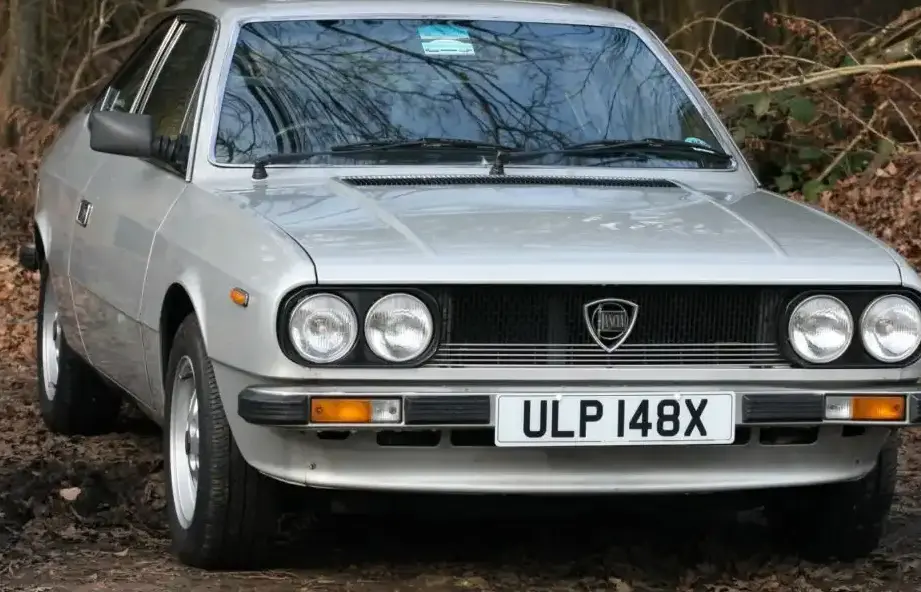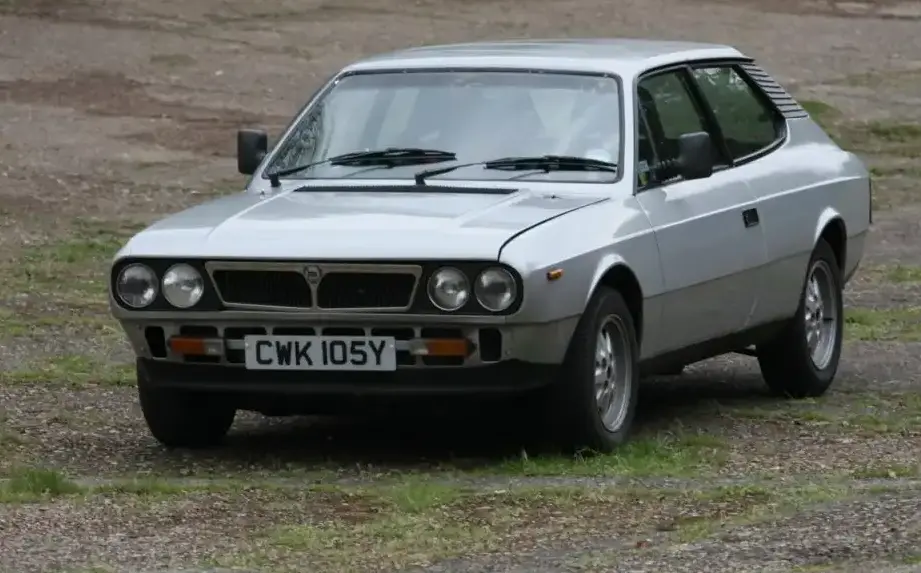
The Lancia Beta H.p.e. (828 BF) 1600, produced between 1980 and 1984, represents a unique offering within the second-generation Lancia Beta range. The “H.p.e.” designation, standing for “High Performance Estate,” signified Lancia’s attempt to blend practicality with a degree of sporting character in a station wagon format. This variant, powered by the 828 B.000 1.6-liter engine producing 101 horsepower, occupied a middle ground in the Beta lineup, positioned above the lower-powered 1.3-liter models and below the more potent 2.0-liter versions. It was a key part of Lancia’s strategy to offer a diverse range of Beta models catering to different customer needs, particularly in European markets where estate cars were highly popular.
Technical Specifications
| Brand | Lancia |
| Model | Beta |
| Generation | Beta H.p.e. (828 BF) |
| Type (Engine) | 1600 (101 Hp) |
| Start of production | 1980 |
| End of production | 1984 |
| Powertrain Architecture | Internal Combustion engine |
| Body type | Station wagon (estate) |
| Fuel Type | Petrol (Gasoline) |
| Power | 101 Hp |
| Engine Model/Code | 828 B.000 |
| Engine aspiration | Naturally aspirated engine |
| Engine oil capacity | 4.2 l / 4.44 US qt / 3.7 UK qt |
| Coolant capacity | 7.5 l / 7.93 US qt / 6.6 UK qt |
Powertrain & Engine Architecture
The heart of the Beta H.p.e. 1600 is the 828 B.000 engine, a 1585cc inline-four cylinder unit. This engine is a naturally aspirated, water-cooled design featuring a cast iron block and an aluminum cylinder head. It utilized a belt-driven single overhead camshaft (SOHC) operating two valves per cylinder. Fuel delivery was managed by a Weber 32 DMSA carburetor, a common setup for Lancia engines of this era. The 828 B.000 produced 101 horsepower at 6200 rpm and 99 lb-ft of torque at 4000 rpm. While not a high-revving powerhouse, the engine was known for its smooth operation and reasonable responsiveness. The transmission paired with this engine was typically a four-speed manual, although a three-speed automatic transmission was also offered, albeit less commonly. The automatic transmission, a GM-sourced unit, was known for its smoothness but also for slightly diminishing the car’s performance.
Driving Characteristics
The driving experience in the Beta H.p.e. 1600 was characterized by a comfortable ride and predictable handling. The 101 hp engine provided adequate power for everyday driving and even allowed for reasonably brisk acceleration, especially with the manual transmission. However, it wasn’t a particularly sporty car; the focus was more on usability and comfort. The automatic transmission, while smooth, noticeably dulled acceleration and increased fuel consumption. Gear ratios were geared towards relaxed cruising rather than outright performance. Compared to the 2.0-liter Beta H.p.e., the 1600 felt noticeably less powerful, particularly when fully loaded. The manual transmission versions offered a more engaging driving experience, allowing the driver to better utilize the engine’s available power. Steering was light and precise, contributing to the car’s ease of maneuverability.
Equipment & Trim Levels
The Beta H.p.e. 1600 typically came equipped with a reasonable level of standard features for its time. Interior appointments included cloth upholstery, often in a patterned design, and a relatively simple dashboard layout. Standard equipment included power-assisted steering, front disc brakes, and rear drum brakes. Optional extras included a sunroof, upgraded stereo systems, and metallic paint finishes. The H.p.e. trim level generally offered a slightly more refined interior compared to the base Beta models, with features like upgraded door panels and carpeting. The overall interior design was functional and practical, reflecting the car’s estate car nature. The rear seats could be folded down to increase cargo capacity, further enhancing the car’s versatility.
Chassis & Braking
The Lancia Beta H.p.e. utilized a monocoque chassis construction, providing a good balance of strength and weight. Front suspension consisted of independent wishbones with coil springs and telescopic shock absorbers, while the rear suspension employed a live axle with trailing arms, coil springs, and telescopic shock absorbers. The braking system featured disc brakes on the front wheels and drum brakes on the rear wheels. The braking performance was adequate for normal driving conditions, but the rear drum brakes could be prone to fading under heavy use. Stabilizer bars were fitted to both the front and rear axles to reduce body roll during cornering. The suspension setup prioritized ride comfort over outright handling prowess, resulting in a relatively soft and compliant ride.
Market Reception & Comparison
The Lancia Beta H.p.e. 1600 was generally well-received by automotive critics as a practical and stylish estate car. It was praised for its comfortable ride, spacious interior, and relatively fuel-efficient engine. However, some critics noted that the 1600 engine lacked the punch of the 2.0-liter version, and the automatic transmission was criticized for its sluggish performance. Compared to other estate cars of the time, such as the Volvo 245 and the Ford Sierra Estate, the Beta H.p.e. offered a more sophisticated and Italianate driving experience. Fuel economy was reasonable for the era, averaging around 25-30 mpg depending on driving conditions. Reliability was a mixed bag; while the engine itself was generally robust, the Beta was known for its susceptibility to rust, particularly in colder climates.
Legacy
The Lancia Beta H.p.e. 1600, while not a groundbreaking vehicle, holds a significant place in Lancia’s history as a stylish and practical estate car. Today, it’s becoming increasingly sought after by classic car enthusiasts, particularly those who appreciate Italian automotive design. The 828 B.000 engine is generally considered to be a reliable unit, although regular maintenance is essential to prevent issues. Rust remains the biggest threat to the long-term survival of these cars. Finding parts can be challenging, but a dedicated network of Lancia enthusiasts and specialist suppliers exists to support owners. The Beta H.p.e. 1600 represents a charming and unique alternative to more mainstream estate cars of the 1980s, offering a taste of Italian flair and practicality.