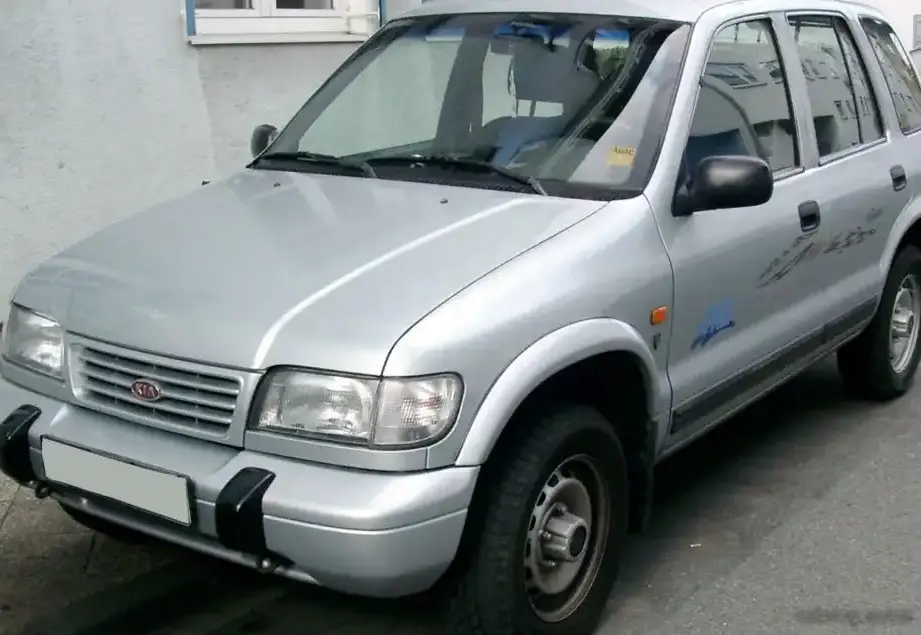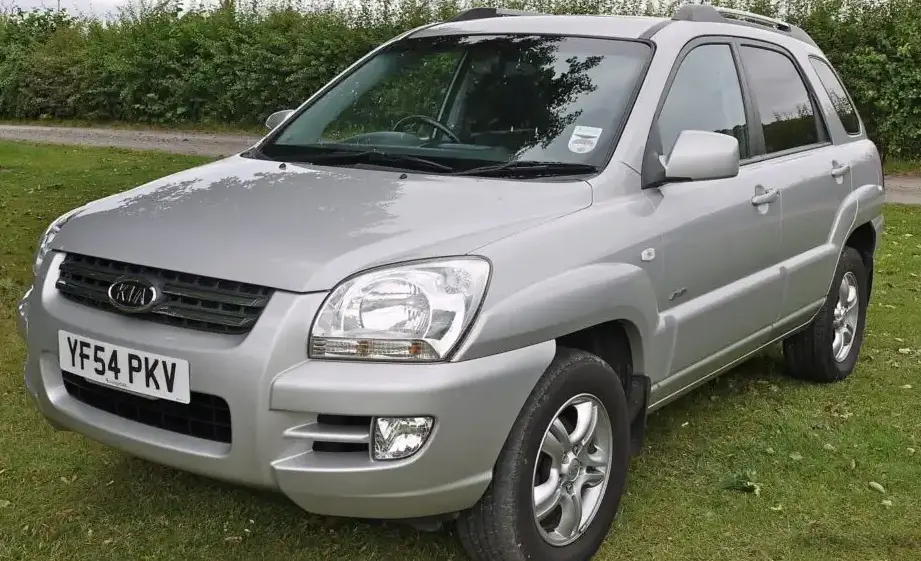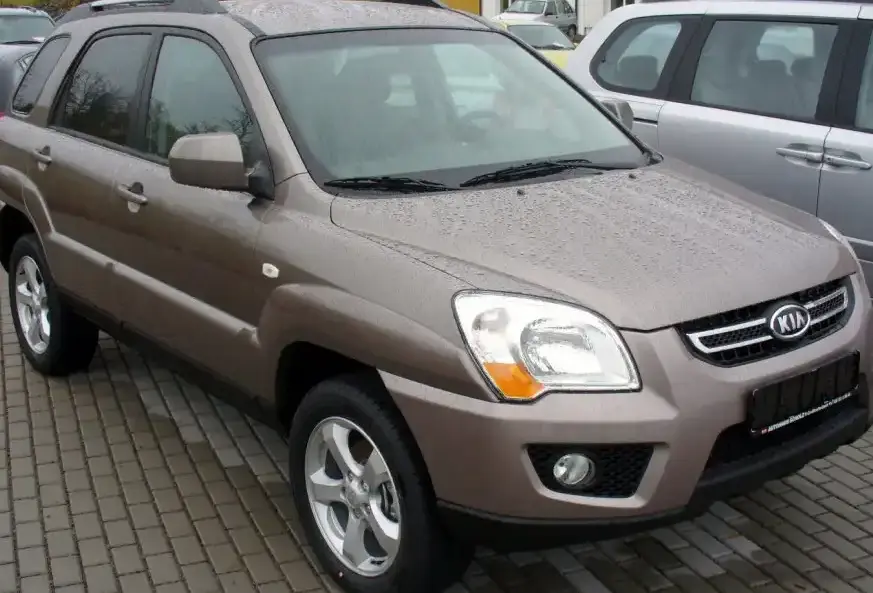
The Kia Sportage II, specifically the facelifted version released in 2008, represented a significant step forward for the South Korean automaker in the competitive compact SUV segment. Produced from 2008 to 2010, this iteration of the Sportage aimed to broaden its appeal with updated styling, improved features, and a range of engine options. The 2.0 16V (141 hp) 4WD variant occupied a middle ground in the lineup, offering a balance between affordability, fuel efficiency, and all-weather capability. It was positioned as a practical choice for families and individuals seeking a versatile vehicle for both daily commuting and occasional off-road excursions. This model was primarily targeted towards markets outside of North America, where the Sportage II found a solid customer base in Europe, Asia, and other regions.
Technical Specifications
| Brand | Kia |
| Model | Sportage |
| Generation | Sportage II (facelift, 2008) |
| Type (Engine) | 2.0 16V (141 Hp) 4WD |
| Start of production | 2008 |
| End of production | 2010 |
| Powertrain Architecture | Internal Combustion engine |
| Body type | SUV |
| Seats | 5 |
| Doors | 5 |
| Fuel consumption (urban) | 10.6 l/100 km (22.2 US mpg, 26.6 UK mpg, 9.4 km/l) |
| Fuel consumption (extra urban) | 6.8 l/100 km (34.6 US mpg, 41.5 UK mpg, 14.7 km/l) |
| Fuel consumption (combined) | 8.2 l/100 km (28.7 US mpg, 34.4 UK mpg, 12.2 km/l) |
| CO2 emissions | 194 g/km |
| Fuel Type | Petrol (Gasoline) |
| Acceleration 0 – 100 km/h | 11.3 sec |
| Acceleration 0 – 62 mph | 11.3 sec |
| Acceleration 0 – 60 mph | 10.7 sec |
| Maximum speed | 174 km/h (108.12 mph) |
| Emission standard | Euro 4 |
| Weight-to-power ratio | 10.8 kg/Hp, 92.6 Hp/tonne |
| Weight-to-torque ratio | 8.3 kg/Nm, 120.8 Nm/tonne |
| Power | 141 Hp @ 6000 rpm |
| Power per litre | 71.4 Hp/l |
| Torque | 184 Nm @ 4500 rpm (135.71 lb.-ft. @ 4500 rpm) |
| Engine layout | Front, Transverse |
| Engine Model/Code | G4GC |
| Engine displacement | 1975 cm3 (120.52 cu. in.) |
| Number of cylinders | 4 |
| Engine configuration | Inline |
| Number of valves per cylinder | 4 |
| Fuel injection system | Multi-port manifold injection |
| Engine aspiration | Naturally aspirated engine |
| Engine oil capacity | 4 l (4.23 US qt | 3.52 UK qt) |
| Coolant capacity | 7 l (7.4 US qt | 6.16 UK qt) |
| Kerb Weight | 1523 kg (3357.64 lbs.) |
| Max. weight | 2140 kg (4717.89 lbs.) |
| Max load | 617 kg (1360.25 lbs.) |
| Trunk (boot) space – minimum | 391 l (13.81 cu. ft.) |
| Length | 4351 mm (171.3 in.) |
| Width | 1801 mm (70.91 in.) |
| Height | 1694 mm (66.69 in.) |
| Wheelbase | 2629 mm (103.5 in.) |
| Front track | 1539 mm (60.59 in.) |
| Rear (Back) track | 1539 mm (60.59 in.) |
| Ride height (ground clearance) | 196 mm (7.72 in.) |
| Drag coefficient (Cd) | 0.40 |
| Minimum turning circle | 10.8 m (35.43 ft.) |
| Drive wheel | All wheel drive (4×4) |
| Number of gears and type of gearbox | 5 gears, manual transmission |
| Front brakes | Ventilated discs |
| Rear brakes | Disc |
| Assisting systems | ABS (Anti-lock braking system) |
| Steering type | Steering rack and pinion |
| Tires size | 215/65 R16 |
| Wheel rims size | 16 |
Powertrain & Engine Architecture
The heart of the 2008 Kia Sportage II 2.0 16V 4WD is the G4GC engine, a 1.975-liter inline-four cylinder gasoline engine. This engine utilizes a multi-point fuel injection system, delivering fuel directly into the intake ports just before the intake valves. The engine features a dual overhead camshaft (DOHC) design with four valves per cylinder, contributing to improved breathing and overall efficiency. The 4WD system employed is typically a part-time system, engaging all four wheels when needed for enhanced traction. The five-speed manual transmission was the standard offering for this variant, providing drivers with direct control over gear selection. The transmission’s gear ratios were tuned for a balance of acceleration and fuel economy, prioritizing usability over outright performance.
Driving Characteristics
The 141 hp output of the 2.0-liter engine, coupled with the five-speed manual transmission, resulted in a driving experience that was adequate for most everyday situations. Acceleration was not particularly brisk, with a 0-60 mph time of around 10.7 seconds. However, the engine provided sufficient torque for comfortable highway cruising and navigating moderate inclines. The 4WD system offered improved grip on slippery surfaces, making it a suitable choice for drivers in regions with inclement weather. Compared to the higher-output engines available in the Sportage II range, this variant prioritized fuel efficiency and affordability over outright performance. The manual transmission allowed for greater driver engagement, but the gear ratios were not optimized for sporty driving.
Equipment & Trim Levels
The 2008 Kia Sportage II 2.0 16V 4WD typically came equipped with a reasonable level of standard features. These generally included air conditioning, power windows and locks, a basic audio system, and ABS brakes. Interior upholstery was typically cloth, with a functional and durable design. Optional extras could include alloy wheels, a sunroof, upgraded audio systems, and side airbags. The trim level for this variant was generally considered to be mid-range, offering a good balance of features and value. It was positioned above the base models but below the more luxurious trims with larger engines and more extensive equipment lists.
Chassis & Braking
The Sportage II utilized a conventional body-on-frame construction, providing a robust and durable chassis. The suspension system consisted of MacPherson struts at the front and a multi-link setup at the rear, offering a comfortable ride quality. Braking duties were handled by ventilated discs at the front and solid discs at the rear, providing adequate stopping power for the vehicle’s weight and performance. The ABS system helped to prevent wheel lockup during hard braking, enhancing safety and control. Stabilizer bars were fitted to both the front and rear axles to reduce body roll during cornering.
Market Reception & Comparison
The Kia Sportage II 2.0 16V 4WD was generally well-received by automotive critics as a practical and affordable SUV. It was praised for its spacious interior, comfortable ride, and all-weather capability. However, some critics noted that the engine lacked refinement and that the acceleration was somewhat sluggish. Compared to other trims in the Sportage lineup, this variant offered the best fuel economy and a lower price point. It was a popular choice for budget-conscious buyers who prioritized practicality and reliability over performance. Against competitors like the Honda CR-V and Toyota RAV4, the Sportage II offered a more affordable alternative, but it generally lacked the same level of refinement and brand recognition.
Legacy
The Kia Sportage II, including the 2.0 16V 4WD variant, has proven to be a relatively reliable vehicle in the used car market. The G4GC engine is known for its durability, and the 4WD system has generally held up well over time. However, like any vehicle, regular maintenance is essential to ensure long-term reliability. Common issues reported by owners include wear and tear on suspension components and occasional problems with the fuel injection system. Today, the Sportage II represents an affordable entry point into the compact SUV segment, offering a practical and capable vehicle for those seeking a budget-friendly option.