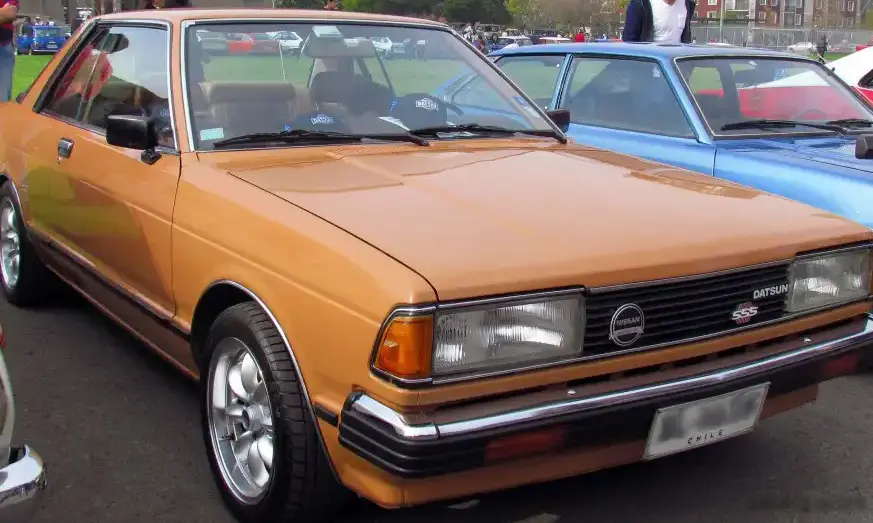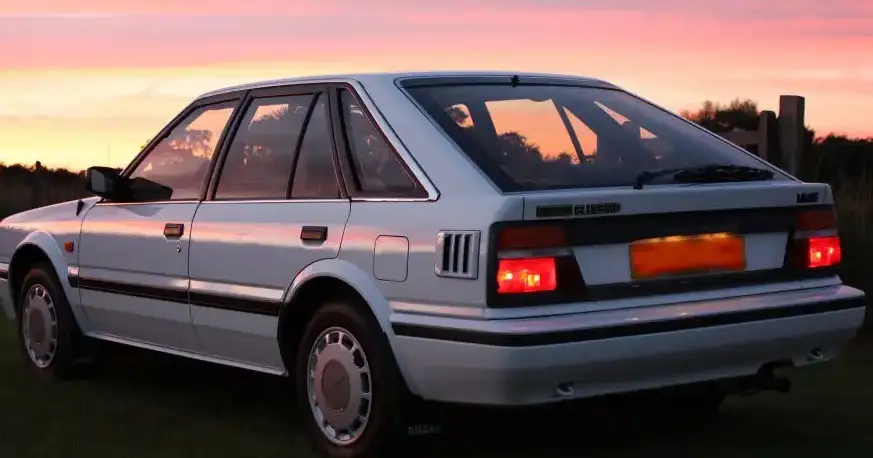
The Nissan Bluebird (U13) 2.0T 4×4 Automatic, produced between 1991 and 1995, represented a significant offering in Nissan’s lineup, particularly within the Japanese domestic market (JDM) and select export markets. Positioned as a more premium variant of the U13 Bluebird series, this model combined a turbocharged 2.0-liter engine with a four-wheel drive system and an automatic transmission, aiming to deliver a blend of performance, comfort, and all-weather capability. The U13 generation Bluebird, released in 1991, was a substantial redesign of the previous model, focusing on improved aerodynamics, interior space, and technological features. This 2.0T 4×4 Automatic trim sat at the top end of the performance spectrum for the Bluebird, offering a more engaging driving experience than the naturally aspirated engine options.
Technical Specifications
| Brand | Nissan |
| Model | Bluebird |
| Generation | Bluebird (U13) |
| Type | 2.0T (210 Hp) 4×4 Automatic |
| Start of production | 1991 |
| End of production | 1995 |
| Powertrain Architecture | Internal Combustion engine |
| Body type | Sedan |
| Seats | 5 |
| Doors | 4 |
| Fuel Type | Petrol (Gasoline) |
| Weight-to-power ratio | 6.7 kg/Hp, 150 Hp/tonne |
| Weight-to-torque ratio | 5.1 kg/Nm, 196.4 Nm/tonne |
| Power | 210 Hp @ 6000 rpm |
| Power per litre | 105.1 Hp/l |
| Torque | 275 Nm @ 4000 rpm / 202.83 lb.-ft. @ 4000 rpm |
| Engine layout | Front, Transverse |
| Engine displacement | 1998 cm3 / 121.93 cu. in. |
| Number of cylinders | 4 |
| Engine configuration | Inline |
| Cylinder Bore | 86 mm / 3.39 in. |
| Piston Stroke | 86 mm / 3.39 in. |
| Compression ratio | 10:1 |
| Number of valves per cylinder | 4 |
| Fuel injection system | Multi-port manifold injection |
| Engine aspiration | Turbocharger |
| Kerb Weight | 1400 kg / 3086.47 lbs |
| Fuel tank capacity | 60 l / 15.85 US gal | 13.2 UK gal |
| Length | 4585 mm / 180.51 in. |
| Width | 1695 mm / 66.73 in. |
| Height | 1405 mm / 55.31 in. |
| Wheelbase | 2620 mm / 103.15 in. |
| Front track | 1465 mm / 57.68 in. |
| Rear track | 1455 mm / 57.28 in. |
| Ride height (ground clearance) | 155 mm / 6.1 in. |
| Drive wheel | All wheel drive (4×4) |
| Number of gears and type of gearbox | 4 gears, automatic transmission |
| Front brakes | Ventilated discs |
| Rear brakes | Disc |
| Steering type | Steering rack and pinion |
| Tires size | 195/65 R14 |
| Wheel rims size | 14 |
Powertrain & Engine Architecture
The heart of the Bluebird 2.0T 4×4 Automatic is the SR20DET engine, a 1998cc, inline-four cylinder powerplant. This engine is a member of Nissan’s SR series, known for its robust construction and tuning potential. The SR20DET utilizes a multi-point fuel injection system and a turbocharger to achieve its 210 horsepower output at 6000 rpm and 275 Nm (202.83 lb-ft) of torque at 4000 rpm. The turbocharger, typically a Garrett or IHI unit, provides a significant boost in power compared to the naturally aspirated SR20DE engine found in lower trims. The engine features a 10:1 compression ratio and a DOHC (Double Overhead Camshaft) valvetrain with four valves per cylinder, contributing to its efficient combustion and power delivery. The automatic transmission is a four-speed unit, designed to handle the increased torque output of the turbocharged engine. While not known for being the sportiest transmission, it provided smooth shifts and ease of use for everyday driving. The transmission’s shift logic was geared towards comfort and fuel efficiency, rather than aggressive performance.
Driving Characteristics
The 2.0T 4×4 Automatic Bluebird offered a noticeable step up in performance compared to its naturally aspirated counterparts. The turbocharger provides a surge of power in the mid-range, making overtaking and highway merging considerably easier. The four-wheel drive system enhances traction, particularly in inclement weather conditions, providing a more confident driving experience. However, the automatic transmission does slightly diminish the overall responsiveness compared to the available manual transmission. Gear ratios are tuned for a balance between acceleration and fuel economy, prioritizing comfortable cruising over outright performance. The all-wheel drive system adds weight, which is noticeable in cornering, but also contributes to a more stable and planted feel. Steering feel is precise thanks to the rack-and-pinion setup, but lacks the directness found in more performance-oriented vehicles. Overall, the driving experience is refined and comfortable, making it a suitable choice for long journeys.
Equipment & Trim Levels
The 2.0T 4×4 Automatic trim typically included a higher level of standard equipment compared to base Bluebird models. Features commonly included power windows, power locks, air conditioning, and a decent audio system. Interior upholstery was usually a comfortable cloth or optional leather. Dashboard configuration featured a comprehensive instrument cluster with gauges for engine temperature, fuel level, and often a boost gauge to monitor turbocharger performance. Optional extras could include a sunroof, upgraded audio systems, and alloy wheels. The overall interior design aimed for a balance of functionality and comfort, reflecting the car’s positioning as a premium offering. Higher-end trims also featured woodgrain accents and more refined interior materials.
Chassis & Braking
The U13 Bluebird featured an independent suspension system at all four corners, utilizing MacPherson struts in the front and a multi-link setup in the rear. This suspension configuration provided a comfortable ride while maintaining reasonable handling characteristics. The 2.0T 4×4 Automatic models typically featured slightly stiffer springs and dampers to cope with the added weight of the drivetrain. Braking duties were handled by ventilated discs at the front and solid discs at the rear, providing adequate stopping power for the vehicle’s weight and performance. The steering system employed a rack-and-pinion setup, offering precise and responsive steering feel. The four-wheel drive system utilized a viscous coupling to distribute torque between the front and rear axles, providing automatic all-wheel drive engagement when needed.
Market Reception & Comparison
The Nissan Bluebird 2.0T 4×4 Automatic was generally well-received by automotive critics, who praised its performance, all-weather capability, and comfortable interior. Compared to other trims in the Bluebird lineup, the 2.0T offered a significant performance advantage, but at a higher price point. Fuel economy was reasonable for a turbocharged engine of this era, but slightly lower than the naturally aspirated models. Reliability was generally good, although the turbocharger and four-wheel drive system added complexity that could potentially lead to higher maintenance costs over the long term. Competitors included other Japanese sedans like the Toyota Corona and Honda Accord, but the Bluebird 2.0T 4×4 Automatic distinguished itself with its unique combination of performance and all-wheel drive. It offered a more engaging driving experience than many of its competitors, while still providing the comfort and practicality expected of a family sedan.
Legacy
The Nissan Bluebird U13 2.0T 4×4 Automatic has become a sought-after vehicle among JDM enthusiasts. The SR20DET engine is known for its durability and tuning potential, making it a popular choice for modifications. While finding well-maintained examples can be challenging due to their age, these Bluebirds offer a unique driving experience and a connection to a significant era of Japanese automotive engineering. The combination of a turbocharged engine, all-wheel drive, and a comfortable interior continues to appeal to enthusiasts seeking a classic JDM sedan with a blend of performance and practicality. The SR20DET engine, in particular, enjoys a strong aftermarket support network, ensuring that parts and expertise remain available for years to come. Today, these vehicles represent a piece of automotive history and are increasingly appreciated for their unique character and capabilities.