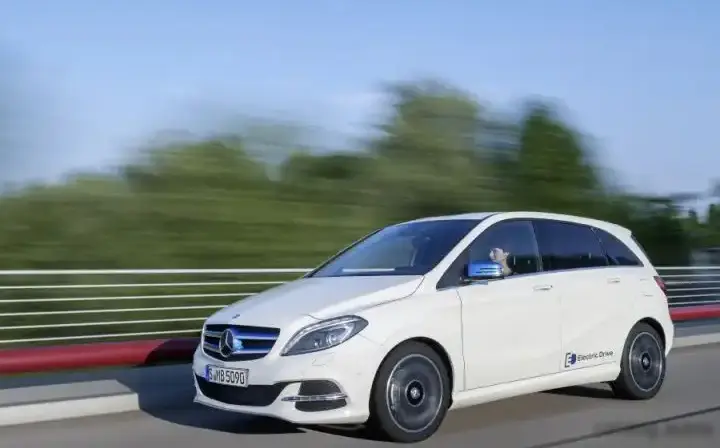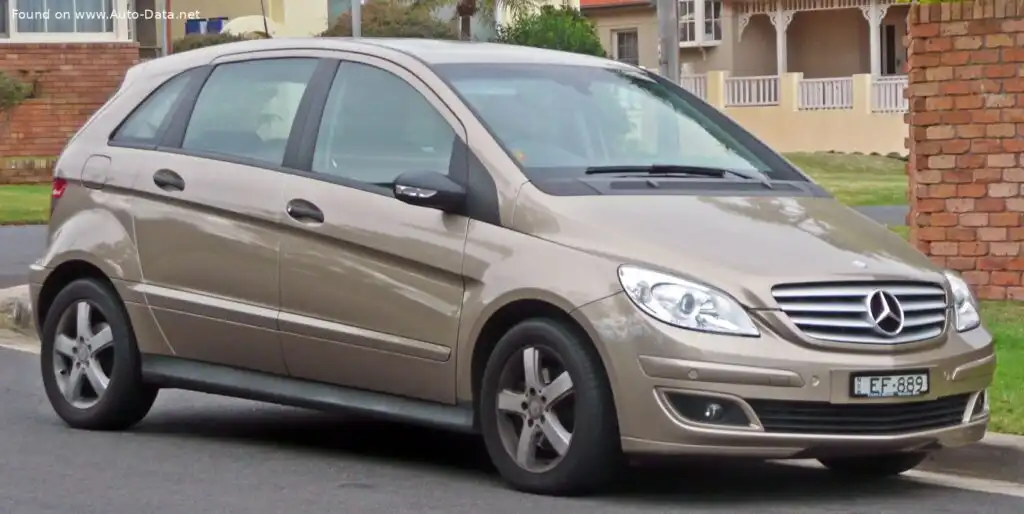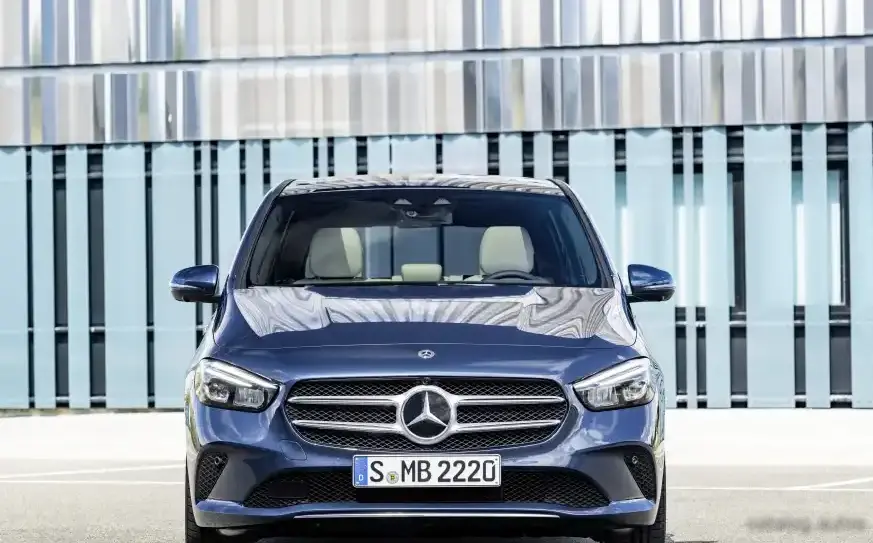
The Mercedes-Benz B 200, part of the W247 B-Class generation produced from 2018 to 2022, represented a key offering in the compact multi-purpose vehicle (MPV) segment. Positioned as a mid-range trim, the B 200 combined a 1.3-liter turbocharged gasoline engine with a 7-speed dual-clutch transmission (DCT), aiming to deliver a balance of performance, efficiency, and practicality for the European market. This variant was designed to appeal to buyers seeking a more refined driving experience than the base models, without the higher price tag of the more powerful B 250.
Technical Specifications
| Brand | Mercedes-Benz |
| Model | B-class |
| Generation | B-class (W247) |
| Type (Engine) | B 200 (163 Hp) DCT |
| Start of production | 2018 |
| End of production | 2022 |
| Powertrain Architecture | Internal Combustion engine |
| Body type | Hatchback |
| Seats | 5 |
| Doors | 5 |
| Fuel consumption (urban) | 6.8-6.9 l/100 km (34.6 – 34.1 US mpg) |
| Fuel consumption (extra urban) | 4.6-4.9 l/100 km (51.1 – 48 US mpg) |
| Fuel consumption (combined) | 5.4-5.6 l/100 km (43.6 – 42 US mpg) |
| CO2 emissions | 124-129 g/km |
| Fuel Type | Petrol (Gasoline) |
| Acceleration 0 – 100 km/h | 8.2 sec |
| Acceleration 0 – 62 mph | 8.2 sec |
| Acceleration 0 – 60 mph | 7.8 sec |
| Maximum speed | 223 km/h (138.57 mph) |
| Emission standard | Euro 6d – TEMP |
| Weight-to-power ratio | 8.7 kg/Hp |
| Weight-to-torque ratio | 5.6 kg/Nm |
| Power | 163 Hp |
| Torque | 250 Nm @ 1620 rpm (184.39 lb.-ft. @ 1620 rpm) |
| Engine layout | Front, Transverse |
| Engine Model/Code | M 282.914 |
| Engine displacement | 1332 cm3 (81.28 cu. in.) |
| Number of cylinders | 4 |
| Engine configuration | Inline |
| Number of valves per cylinder | 4 |
| Fuel injection system | Direct injection |
| Engine aspiration | Turbocharger, Intercooler |
| Engine oil capacity | 5.1 l (5.39 US qt | 4.49 UK qt) |
| Coolant capacity | 6.8 l (7.19 US qt | 5.98 UK qt) |
| Kerb Weight | 1410 kg (3108.52 lbs.) |
| Max. weight | 1960 kg (4321.06 lbs.) |
| Max load | 550 kg (1212.54 lbs.) |
| Trunk (boot) space – minimum | 445 l (15.72 cu. ft.) |
| Trunk (boot) space – maximum | 1540 l (54.38 cu. ft.) |
| Fuel tank capacity | 43 l (11.36 US gal | 9.46 UK gal) |
| Permitted trailer load with brakes (12%) | 1600 kg (3527.4 lbs.) |
| Permitted trailer load without brakes | 705 kg (1554.26 lbs.) |
| Length | 4419 mm (173.98 in.) |
| Width | 1796 mm (70.71 in.) |
| Height | 1562 mm (61.5 in.) |
| Wheelbase | 2729 mm (107.44 in.) |
| Front track | 1567 mm (61.69 in.) |
| Number of gears and type of gearbox | 7 gears, automatic transmission DCT |
| Front brakes | Ventilated discs |
| Rear brakes | Disc |
INTRODUCTION
The W247 B-Class, launched in 2018, represented the third generation of Mercedes-Benz’s compact MPV. Built on the MFA2 (Modular Front-wheel drive Architecture 2) platform – shared with the A-Class – the B 200 aimed to provide a more spacious and practical alternative to traditional hatchbacks. The B 200 trim, powered by the M 282 engine and paired with a 7G-DCT transmission, was a popular choice for buyers prioritizing fuel efficiency and a comfortable driving experience. It sat in the middle of the B-Class range, offering more performance than the B 180 but remaining more accessible than the sportier B 250.
Powertrain & Engine Architecture
At the heart of the B 200 lies the M 282.914, a 1.332-liter inline-four cylinder gasoline engine. This engine is part of Mercedes-Benz’s modular engine family, designed for efficiency and scalability. It features direct fuel injection, a single turbocharger with an intercooler, and four valves per cylinder. The engine produces 163 horsepower and 250 Nm (184 lb-ft) of torque, peaking at 1620 rpm. The 7G-DCT (7-speed dual-clutch transmission) is a crucial component, offering quick and smooth gear changes. This transmission utilizes two separate clutches, one for even and one for odd gears, allowing for pre-selection of the next gear and minimizing interruption in power delivery. The DCT contributes significantly to the B 200’s fuel efficiency and responsive driving feel.
Driving Characteristics
The B 200’s driving experience is characterized by its smooth and refined nature. The 7G-DCT transmission provides seamless shifts, and the turbocharger delivers a noticeable boost in power when accelerating. While not a particularly sporty vehicle, the B 200 offers adequate performance for everyday driving, with a 0-62 mph (0-100 km/h) time of around 8.2 seconds. Compared to the base B 180, the B 200 provides a more confident and relaxed driving experience, particularly when overtaking or merging onto highways. The gear ratios are tuned for efficiency, prioritizing fuel economy over outright acceleration. The B 250, with its larger engine, offers significantly more power and a sportier feel, but at the expense of fuel efficiency. The front-wheel-drive configuration provides predictable handling, and the relatively soft suspension setup prioritizes ride comfort.
Equipment & Trim Levels
The B 200 typically came equipped with a generous array of standard features. These included automatic climate control, a touchscreen infotainment system with smartphone integration (Apple CarPlay and Android Auto), and a suite of safety features such as automatic emergency braking, lane keeping assist, and traffic sign recognition. Interior upholstery was typically a combination of fabric and synthetic leather, with options for full leather available at an extra cost. Optional extras included a panoramic sunroof, upgraded sound system, and a head-up display. Trim levels could vary slightly depending on the market, but generally, the B 200 offered a good balance of comfort, convenience, and technology.
Chassis & Braking
The W247 B-Class utilizes a MacPherson strut front suspension and a multi-link rear suspension. This setup provides a good balance of ride comfort and handling. The B 200 typically featured ventilated disc brakes at the front and solid disc brakes at the rear. Anti-lock braking system (ABS) and electronic stability control (ESC) were standard features, enhancing safety and control. The steering system is an electric power steering (EPS) system, providing light and precise steering feel. Stabilizer bars are fitted to both the front and rear axles to reduce body roll during cornering.
Market Reception & Comparison
The B 200 was generally well-received by automotive critics. It was praised for its comfortable ride, spacious interior, and fuel efficiency. However, some reviewers noted that the engine could feel a little strained when fully loaded or driving uphill. Compared to other compact MPVs in the European market, such as the BMW 2 Series Active Tourer and the Audi Q2, the B 200 offered a competitive combination of features and price. In terms of fuel economy, the B 200 performed well, achieving combined fuel consumption figures of around 5.4-5.6 l/100 km. Reliability reports suggest that the M 282 engine and 7G-DCT transmission are generally reliable, although some owners have reported minor issues with the turbocharger and fuel injection system.
Legacy
The W247 B-Class, and specifically the B 200 variant, has established itself as a practical and reliable compact MPV in the used car market. The 1.3-liter turbocharged engine and 7G-DCT transmission have proven to be relatively durable, and parts availability is generally good. While not a particularly exciting vehicle to drive, the B 200 offers a comfortable and efficient transportation solution for families and individuals alike. Its spacious interior and versatile cargo area continue to appeal to buyers seeking a practical and well-equipped vehicle.