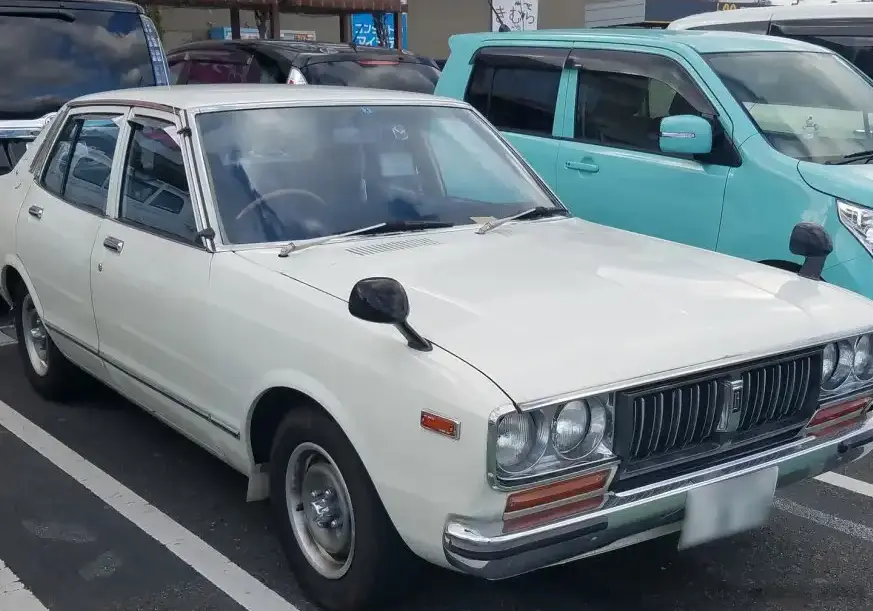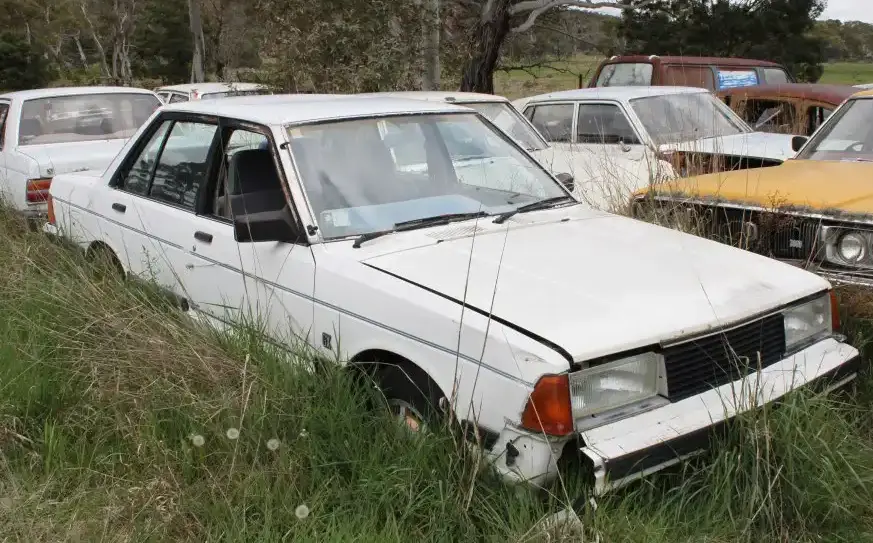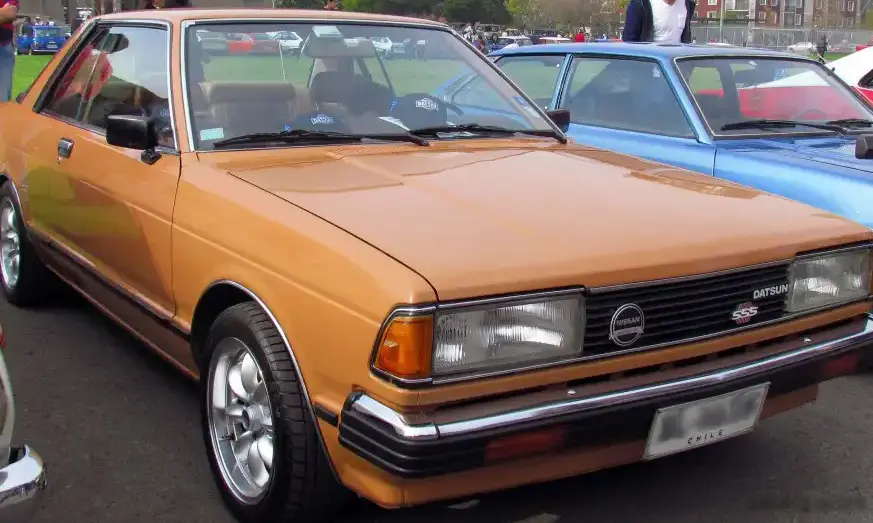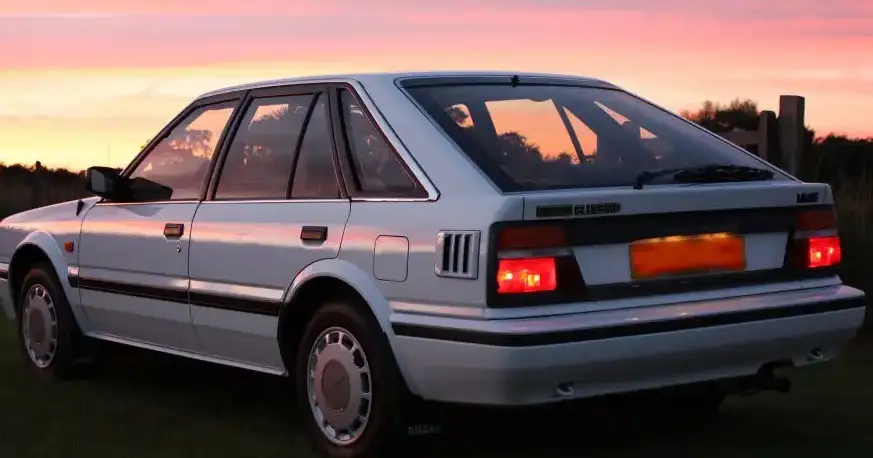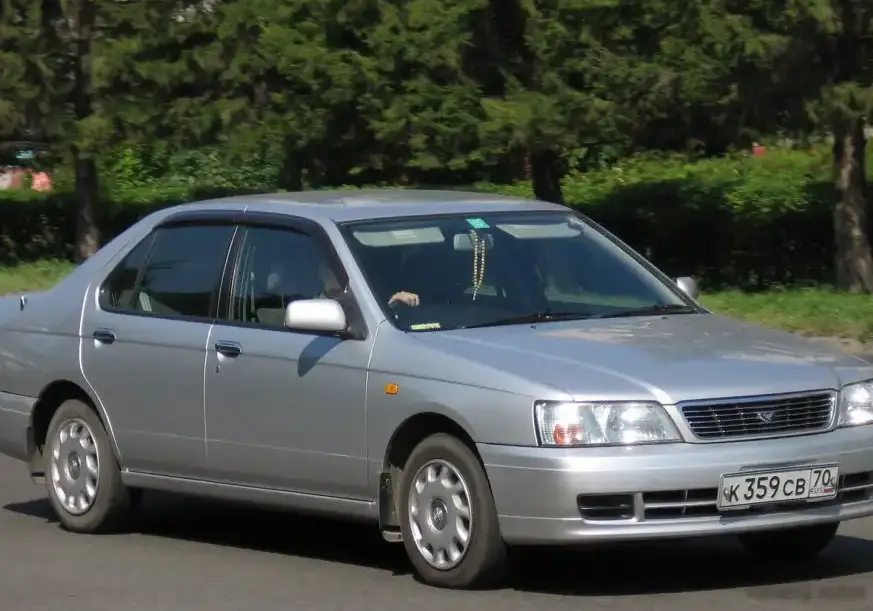
The Nissan Bluebird U14 2.0 SSS Limited, produced from 1996 to 1997, represented a high-performance variant within the broader U14 Bluebird generation. Positioned as a sporty trim level, the SSS Limited aimed to deliver an engaging driving experience while maintaining the Bluebird’s reputation for reliability and comfort. The U14 Bluebird was primarily marketed in Japan and select Asian markets, serving as a competitor to vehicles like the Toyota Corolla and Honda Civic, offering a more upscale alternative within the compact sedan segment. This particular 2.0-liter variant was a flagship model, boasting the most powerful engine option available in the U14 lineup.
Technical Specifications
| Brand | Nissan |
| Model | Bluebird |
| Generation | Bluebird (U14) |
| Type | 2.0 SSS Limited (150 Hp) |
| Start of production | 1996 |
| End of production | 1997 |
| Powertrain Architecture | Internal Combustion engine |
| Body type | Sedan |
| Seats | 5 |
| Doors | 4 |
| Fuel consumption (urban) | 11.1-14.6 l/100 km (21.2 – 16.1 US mpg, 25.4 – 19.3 UK mpg, 9 – 6.8 km/l) |
| Fuel consumption (extra urban) | 6.7-8.9 l/100 km (35.1 – 26.4 US mpg, 42.2 – 31.7 UK mpg, 14.9 – 11.2 km/l) |
| Fuel consumption (combined) | 9.7 l/100 km (24.2 US mpg, 29.1 UK mpg, 10.3 km/l) |
| Fuel Type | Petrol (Gasoline) |
| Acceleration 0 – 100 km/h | 8.5 sec |
| Acceleration 0 – 62 mph | 8.5 sec |
| Acceleration 0 – 60 mph | 8.1 sec |
| Maximum speed | 213 km/h (132.35 mph) |
| Weight-to-power ratio | 7.9 kg/Hp, 126.1 Hp/tonne |
| Weight-to-torque ratio | 6.4 kg/Nm, 156.3 Nm/tonne |
| Power | 150 Hp @ 6400 rpm |
| Power per litre | 75.1 Hp/l |
| Torque | 186 Nm @ 4800 rpm (137.19 lb.-ft. @ 4800 rpm) |
| Engine layout | Front, Transverse |
| Engine Model/Code | SR20DE |
| Engine displacement | 1998 cm3 (121.93 cu. in.) |
| Number of cylinders | 4 |
| Engine configuration | Inline |
| Cylinder Bore | 86 mm (3.39 in.) |
| Piston Stroke | 86 mm (3.39 in.) |
| Compression ratio | 10:1 |
| Number of valves per cylinder | 4 |
| Fuel injection system | Multi-port manifold injection |
| Engine aspiration | Naturally aspirated engine |
| Valvetrain | DOHC |
| Kerb Weight | 1190 kg (2623.5 lbs.) |
| Length | 4565 mm (179.72 in.) |
| Width | 1695 mm (66.73 in.) |
| Height | 1395 mm (54.92 in.) |
| Wheelbase | 2600 mm (102.36 in.) |
| Front track | 1465 mm (57.68 in.) |
| Rear track | 1455 mm (57.28 in.) |
| Ride height (ground clearance) | 140 mm (5.51 in.) |
| Drag coefficient (Cd) | 0.32 |
| Minimum turning circle | 10.4 m (34.12 ft.) |
| Drivetrain Architecture | Front wheel drive |
| Number of gears | 5 |
| Gearbox type | Manual transmission |
| Front brakes | Ventilated discs |
| Rear brakes | Disc |
| Steering type | Steering rack and pinion |
| Tires size | 195/60 R15 |
| Wheel rims size | 15 |
Powertrain & Engine Architecture
The heart of the Bluebird 2.0 SSS Limited was the SR20DE engine, a 1.998-liter, inline-four cylinder powerplant. This engine was a staple in Nissan’s performance offerings during the 1990s, known for its robust construction and relatively high output for its displacement. The SR20DE featured a double overhead camshaft (DOHC) valvetrain with four valves per cylinder, contributing to its efficient breathing and power delivery. Fuel delivery was handled by a multi-port fuel injection system, optimizing the air-fuel mixture for improved performance and reduced emissions. The engine’s 10:1 compression ratio further enhanced its power output. Paired with this engine was a smooth-shifting 5-speed manual transmission, designed to maximize the engine’s potential and provide an engaging driving experience. The front-wheel drive configuration was standard for this model.
Driving Characteristics
The 2.0 SSS Limited offered a noticeable step up in performance compared to the lower-trim Bluebird models. The 150 horsepower and 186 Nm (137 lb-ft) of torque provided brisk acceleration, with a 0-60 mph time of around 8.1 seconds. While not a sports car by modern standards, the U14 SSS Limited felt lively and responsive for its time. The manual transmission allowed for precise control over the engine’s powerband, making it enjoyable to drive on winding roads. The gear ratios were well-matched to the engine’s characteristics, providing strong acceleration in each gear. Compared to the automatic transmission options available on other Bluebird trims, the manual version offered a more direct connection to the engine and a more engaging driving experience.
Equipment & Trim Levels
The SSS Limited trim came standard with a number of features designed to enhance both comfort and performance. Interior appointments typically included sport seats with enhanced bolstering, providing better support during spirited driving. Power windows, power door locks, and air conditioning were standard. The dashboard featured a sporty gauge cluster with additional instrumentation, such as a tachometer and potentially a boost gauge (depending on regional specifications). Optional extras could include a sunroof, upgraded audio system, and alloy wheels. The interior trim generally featured a darker color scheme to emphasize the sporty nature of the vehicle.
Chassis & Braking
The U14 Bluebird utilized a MacPherson strut front suspension and a multi-link rear suspension, providing a comfortable ride while maintaining good handling characteristics. The SSS Limited trim often featured slightly stiffer springs and dampers compared to the base models, further enhancing its handling performance. Braking duties were handled by ventilated disc brakes at the front and solid disc brakes at the rear, providing adequate stopping power for the vehicle’s weight and performance. The steering system employed a rack-and-pinion setup, offering precise and responsive steering feel.
Market Reception & Comparison
The Nissan Bluebird 2.0 SSS Limited was generally well-received by automotive critics in its primary markets. It was praised for its combination of performance, comfort, and reliability. Compared to other trims in the Bluebird lineup, the SSS Limited offered a significant performance advantage, appealing to drivers who prioritized driving enjoyment. Fuel economy was respectable for a vehicle of its class, averaging around 24.2 US mpg in combined driving conditions. Reliability was a strong point, as with most Nissan products of the era. However, some critics noted that the interior styling was somewhat conservative compared to some of its competitors.
Legacy
The SR20DE engine, found in the Bluebird 2.0 SSS Limited, has earned a reputation for durability and tunability. Many examples of this engine are still running reliably today, even with high mileage. The U14 Bluebird, while not a particularly rare or collectible car, has a dedicated following among enthusiasts who appreciate its simple mechanical design and engaging driving experience. In the used car market, well-maintained examples of the 2.0 SSS Limited can command a premium over the lower-trim models, reflecting its desirability among those seeking a classic Japanese sedan with a sporty character.